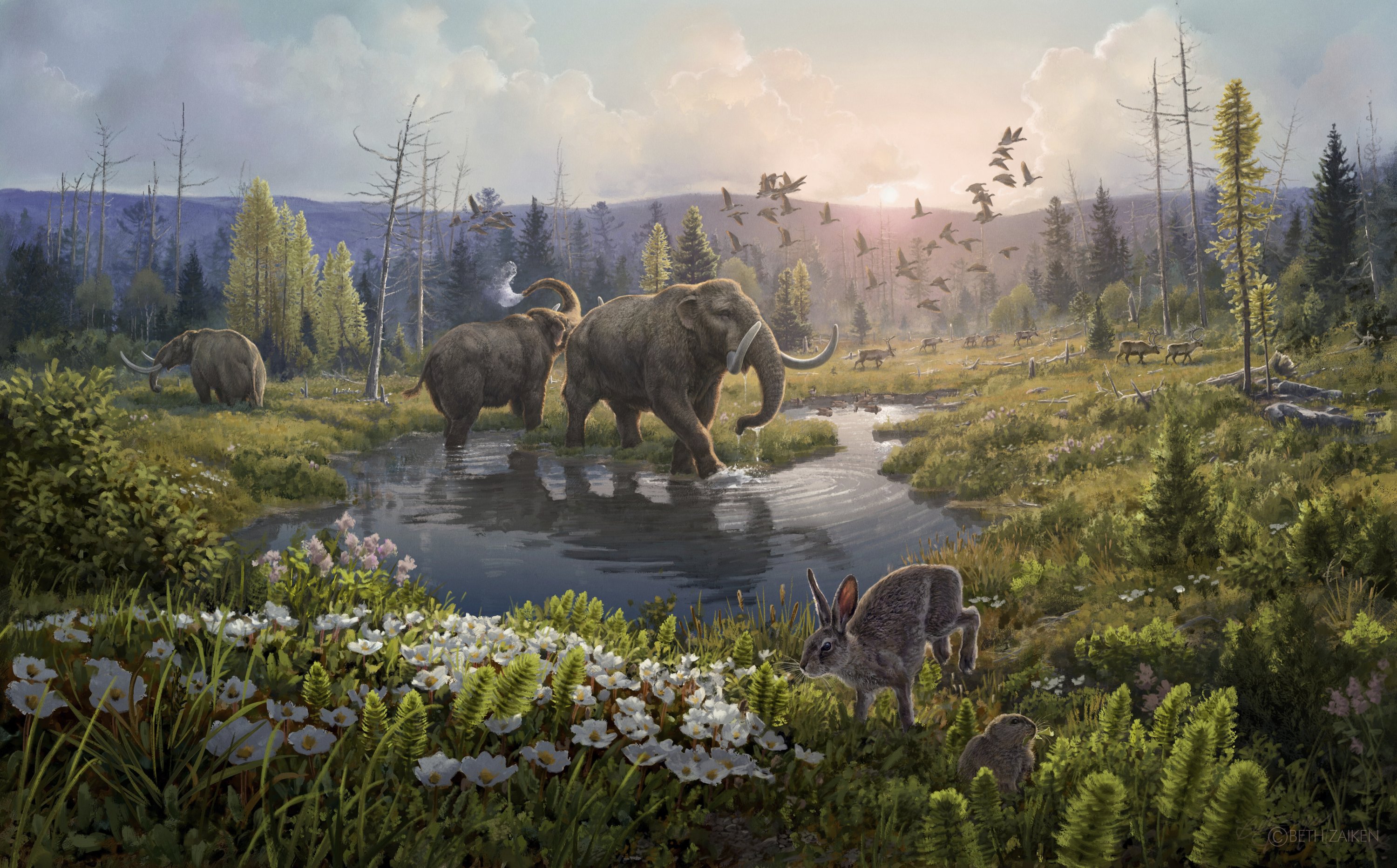
Scientists have discovered the oldest known DNA on record and used it to reveal what life was like 2 million years ago in Greenland's northernmost point. The DNA from animals, plants and microbes, dug up around the mouth of an Arctic Ocean fjord has revealed that Greenland was in fact green back in the olden days with a lush landscape of trees and vegetation with an array of animals, even the now extinct mastodon, revealing an amazing lost world at this remote frontier.
Researchers said on Wednesday fragments of DNA were detected for a panoply of animals including mastodons, reindeer, hares, lemmings and geese as well as plants including poplar, birch and thuja trees and microorganisms including bacteria and fungi. DNA is the self-replicating material carrying genetic information in living organisms – sort of a blueprint of life.
The mastodon was an elephant relative that roamed North and Central America until its extinction alongside many other large Ice Age mammals roughly 10,000 years ago. The discovery shows that it had a wider range than previously known.
"The mastodon was a great surprise. It's never been found on Greenland before. However, the greatest surprise was this unique ecosystem of Arctic and temperate species mixed together with no modern analog," said Eske Willerslev, director of the Lundbeck Foundation GeoGenetics Center and leader of the study published in the journal Nature.
"I don't think anyone would have predicted Greenland holding such a diversity of plants and animals 2 million years ago at a time when the climate was very similar to what we expect to witness in a few years because of global warming," added Willerslev, who is affiliated with the University of Cambridge and University of Copenhagen.
Though ancient DNA is highly perishable, the study showed that under the right conditions – in this case permafrost – it can survive longer than previously believed possible. Willerslev said he now would not be surprised to find DNA from at least 4 million years ago.
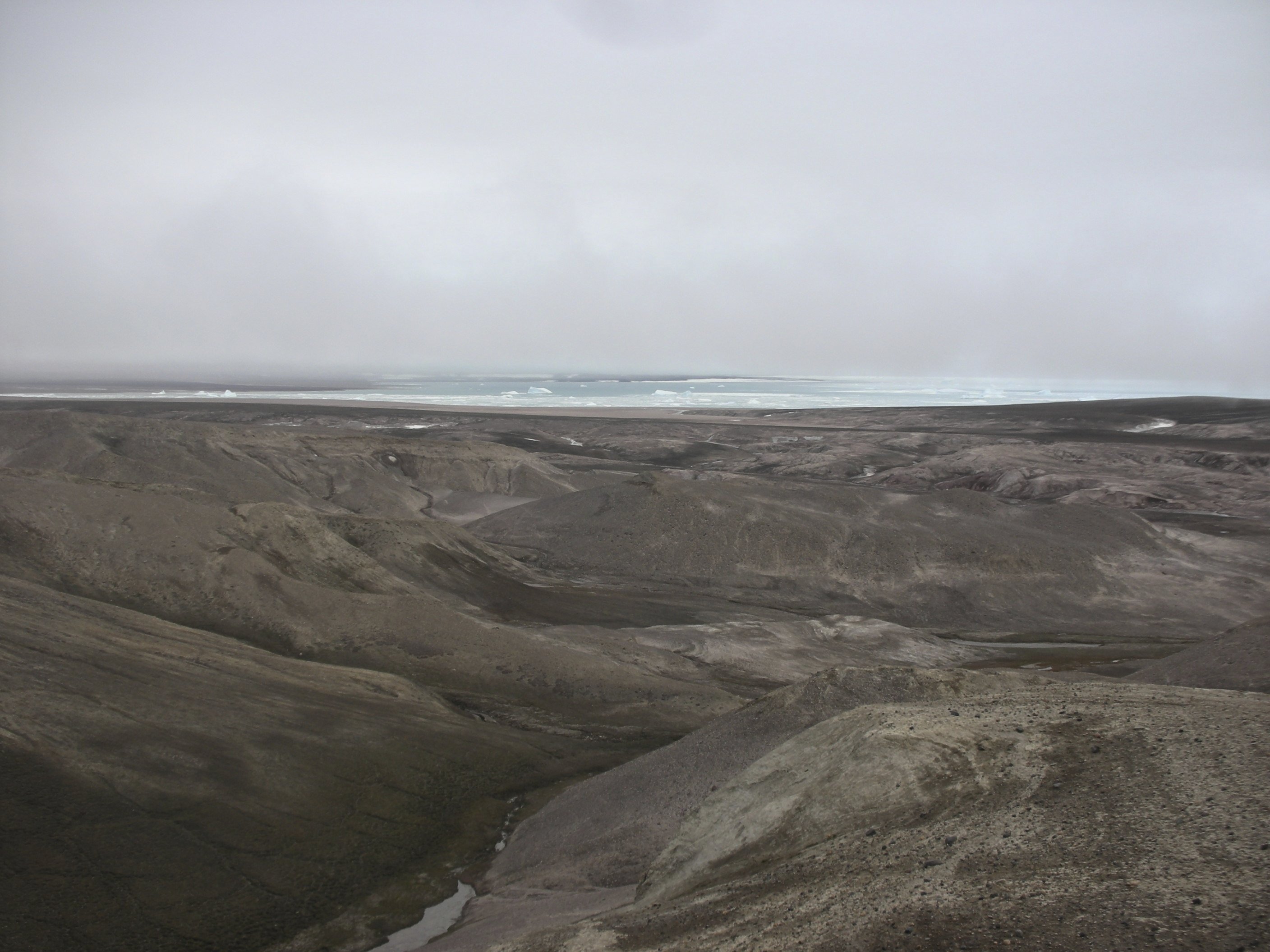
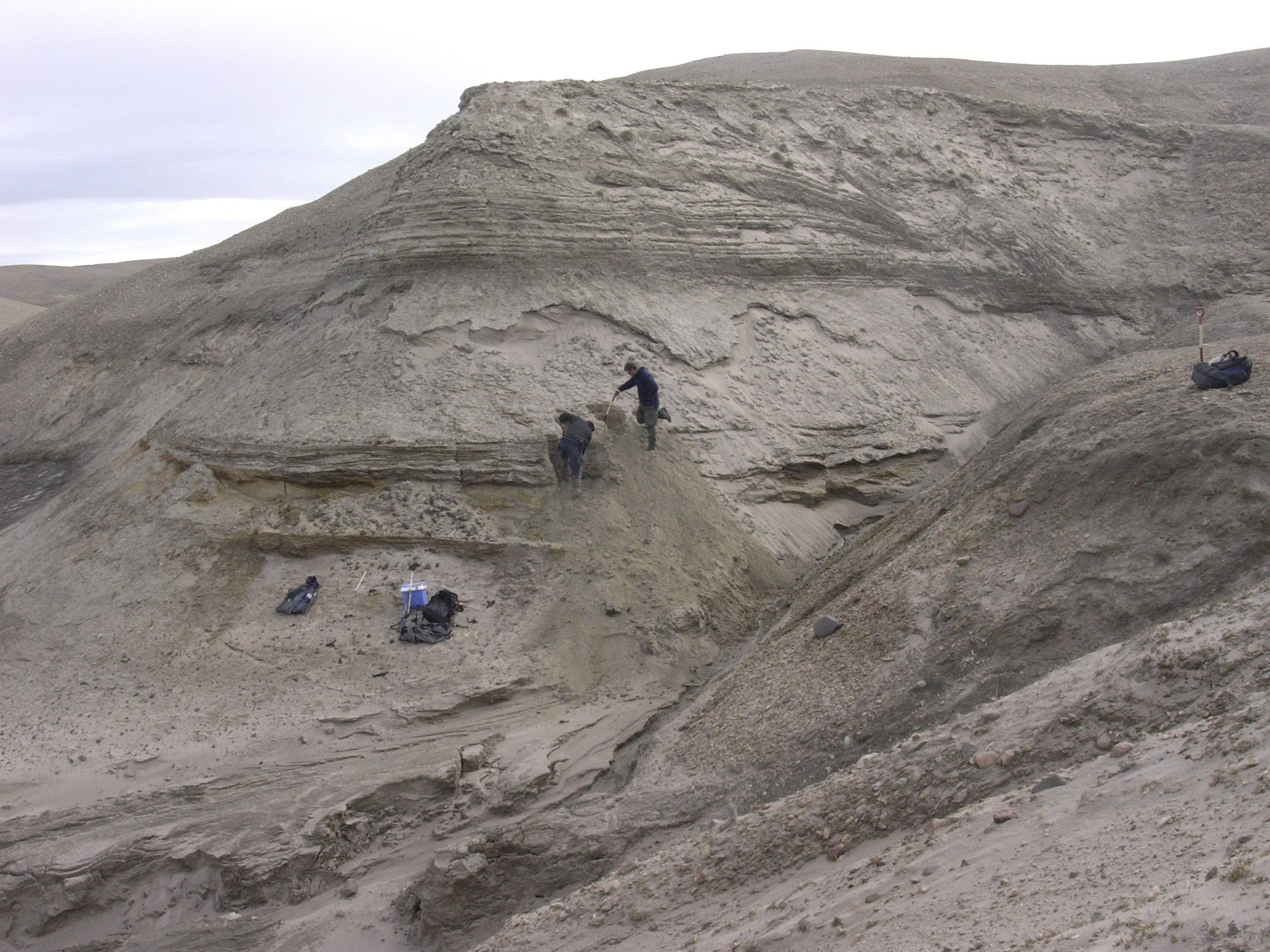
The researchers extracted and sequenced DNA from 41 organic-rich sediment samples obtained from five sites on the Peary Land peninsula jutting into the Arctic Ocean. Microscopic fragments of DNA were extracted from clay and quartz in the sediment. They identified more than 100 types of animals and plants.
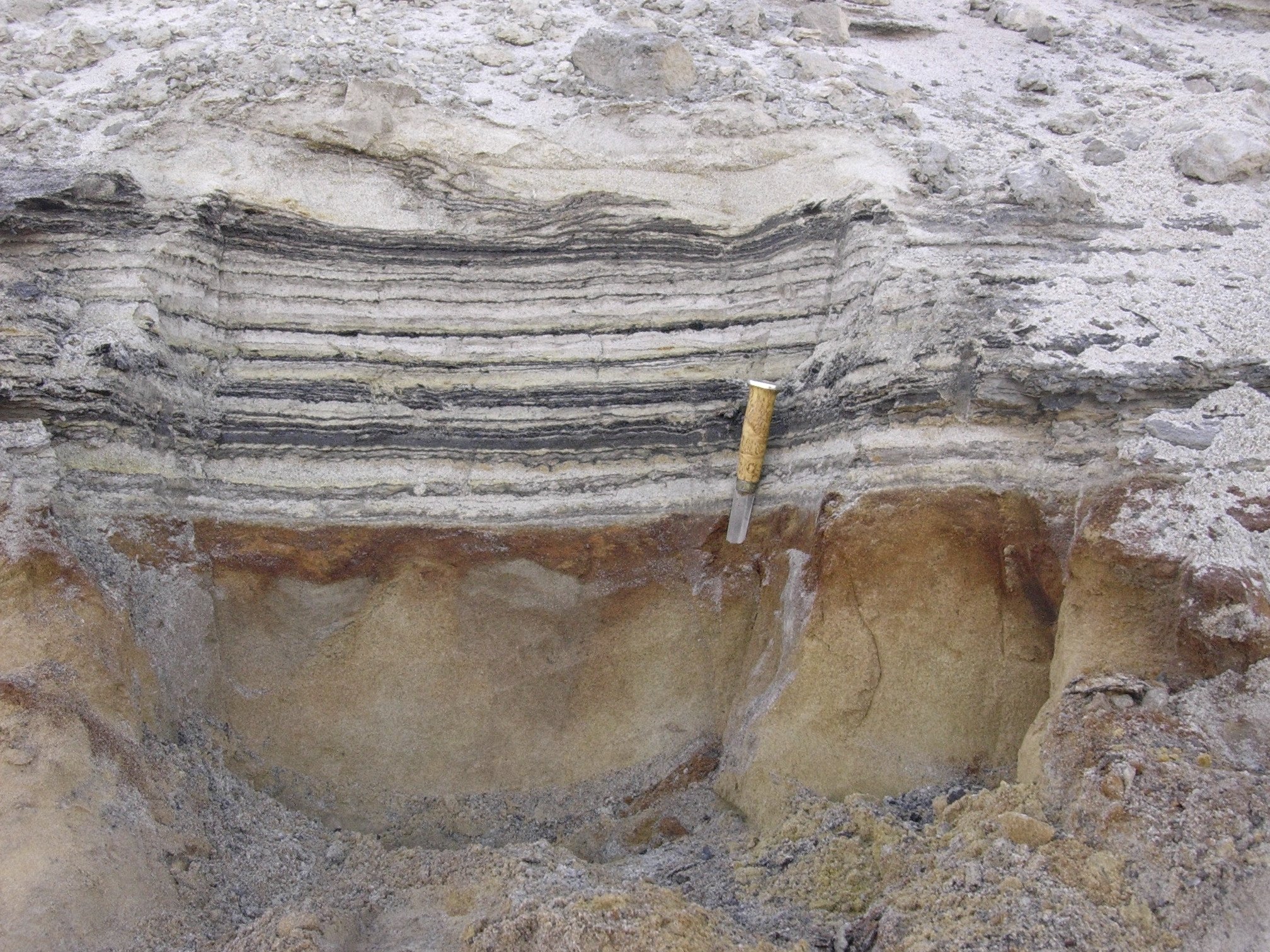
The samples were first dug up in 2006, but earlier DNA detection efforts failed. Methods used to extract ancient DNA have since improved, eventually allowing a breakthrough.
"We think it's because the DNA bound itself to mineral particles that enabled its survival beyond what was thought possible. The bond reduces the rate of spontaneous chemical degradation," Willerslev said.
Willerslev said the fragmentary DNA cannot be used to resurrect extinct species – as in the "Jurassic Park" books and films – but could reveal secrets of how plants can become more resistant to a warming climate.
"You cannot use them for cloning," Willerslev said of the DNA remnants, "but you may use it to genetically modify living organisms such as plants to become more adapted to a warmer climate."
The oldest previous DNA on record was extracted from the molar of a mammoth, another elephant relative, in northeastern Siberia dating to up to 1.2 million years ago, also preserved in permafrost conditions. By way of comparison, our species, Homo sapiens, arose roughly 300,000 years ago.
Most knowledge about prehistoric organisms comes from studying fossils, but there is a limit to what these can reveal, particularly relating to genetic relationships and traits. That is where ancient DNA proves invaluable.
Most of modern Greenland is covered by a thick ice sheet, with ice-free areas along the coastline. The region in the study is considered a polar desert. But 2 million years ago Greenland's average temperatures were 11 to 17 degrees Celsius (20 to 30 degrees Fahrenheit) higher, according to study first author Kurt Kjaer of the University of Copenhagen.
The presence of marine species including horseshoe crab and green algae, also among the DNA detected, illustrated that warmer climate, the researchers said.
The DNA has revealed this ancient ecosystem in detail, with an open boreal forest featuring trees, shrubs and smaller plants and teeming with animals. It did not identify which large predators were present but these may have included wolves, bears and saber-toothed cats, according to study co-author Mikkel Pedersen of the University of Copenhagen.
Study co-author Nicolaj Larsen of the University of Copenhagen said the researchers are targeting sites in northern Canada for even-older DNA.
"I think you may find such long-term survival of DNA in many places in the world," Willerslev said. "It's simply going out there and trying."