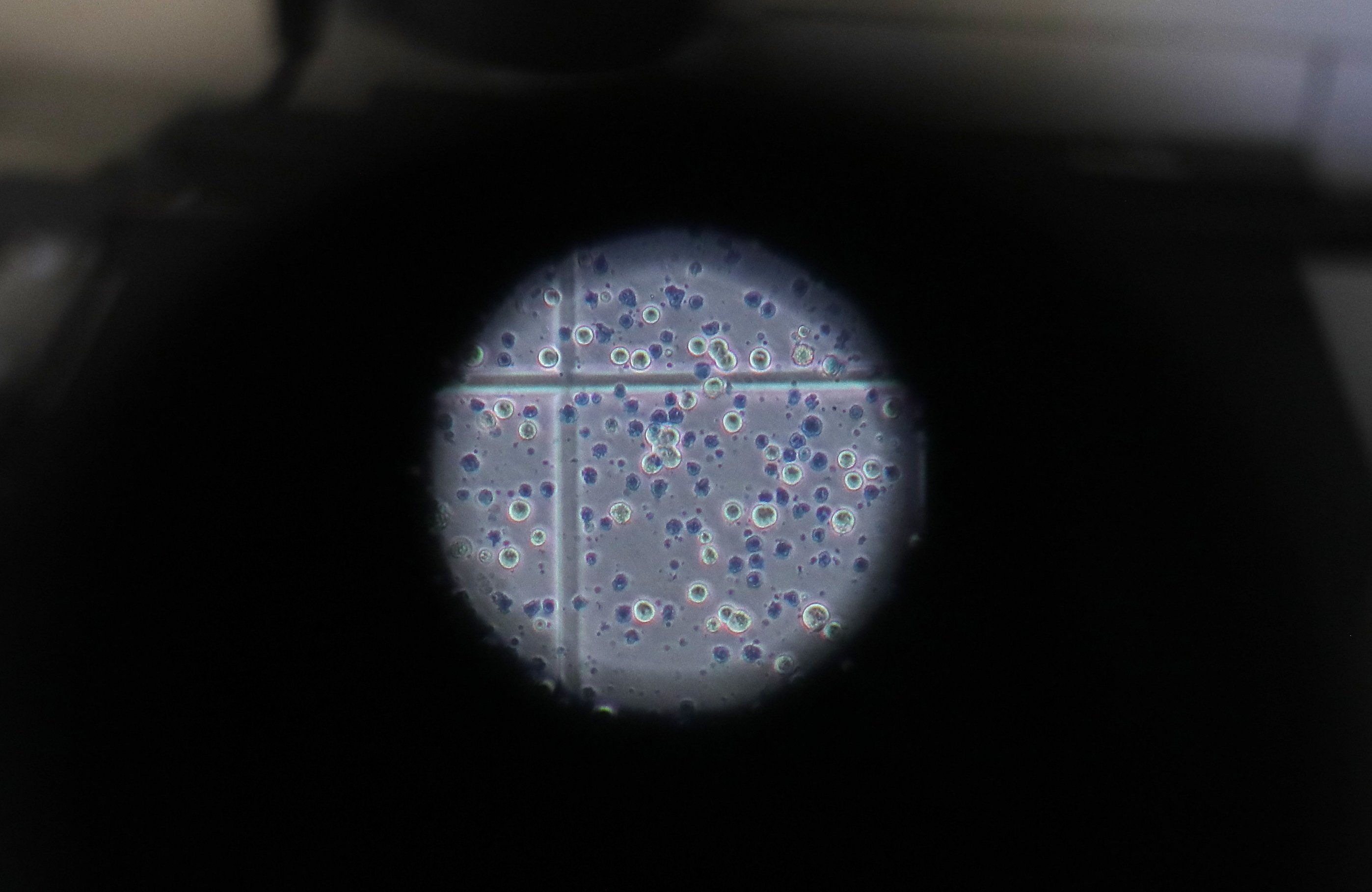
This week's roundup of some of the latest scientific studies on the coronavirus and efforts to find treatments and vaccines for COVID-19 explore how childhood vaccination could be essential in preventing severe disease, how cigarette smoke makes cells more vulnerable to the virus and how there might be longer-lasting immunity in COVID-19 patients than previously thought.
Childhood MMR vaccine may help prevent severe COVID-19
People whose immune systems responded strongly to a measles-mumps-rubella (MMR) vaccine may be less likely to become severely ill if they are infected with the coronavirus, new data suggest. The MMR II vaccine, manufactured by Merck and licensed in 1979, works by triggering the immune system to produce antibodies.
Researchers reported on Friday in mBio that among 50 COVID-19 patients under the age of 42 who had received the MMR II as children, the higher their titers – or levels – of so-called IgG antibodies produced by the vaccine and directed against the mumps virus in particular, the less severe their symptoms. People with the highest mumps antibody titers had asymptomatic COVID-19.
More research is needed to prove the vaccine prevents severe COVID-19. Still, the new findings "may explain why children have a much lower COVID-19 case rate than adults, as well as a much lower death rate," co-author Jeffrey Gold, president of World Organization in Watkinsville, Georgia, said in a statement.
"The majority of children get their first MMR vaccination around 12 to 15 months of age and a second one from 4 to 6 years of age."
Immune protection against severe reinfection appears lasting
Regardless of their detectable antibody levels, most COVID-19 survivors are likely to have lasting protection against severe COVID-19 if they become reinfected, thanks to other components of the body's immune response that remember the coronavirus in different ways, researchers say.
In a study of 185 patients, including 41 who had been infected more than six months earlier, scientists at La Jolla Institute for Immunology in California found that multiple branches of the immune system – not just antibodies – recognized the coronavirus for at least eight months.
For example, so-called memory B cells that could recognize the virus and produce antibodies to fight it were more abundant six months after infection than at one month, they reported in a paper posted on bioRxiv ahead of peer review.
The new findings "suggest that the immune system can remember the virus for years, and most people may be protected from severe COVID-19 for a substantial time," said study leaders Shane Crotty and Alessandro Sette.
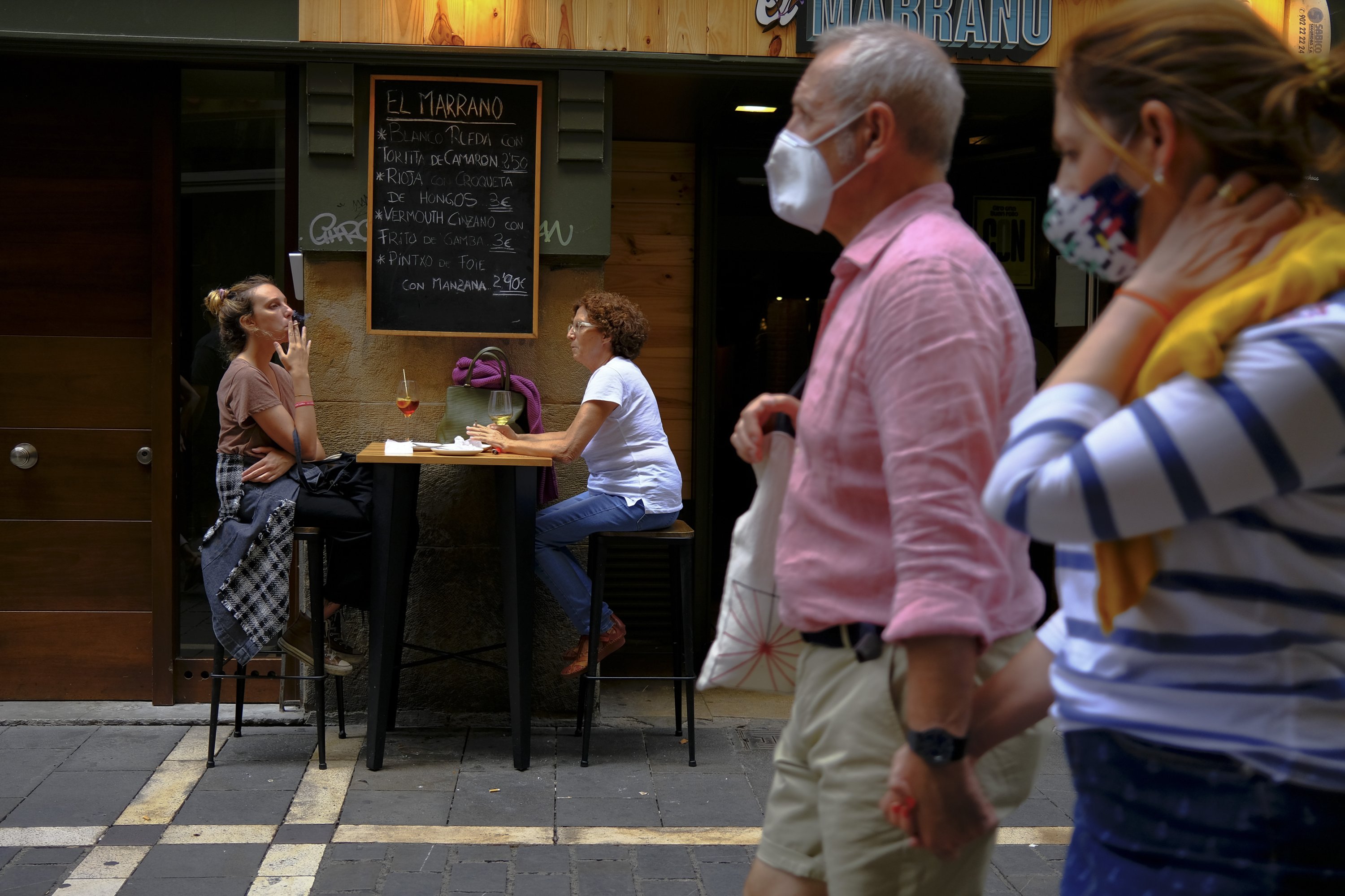
Cigarette smoke increases cell vulnerability to COVID-19
Exposure to cigarette smoke makes airway cells more vulnerable to infection with the coronavirus, UCLA researchers found.
They obtained airway-lining cells from five individuals without COVID-19 and exposed some of the cells to cigarette smoke in test tubes. Then they exposed all the cells to the coronavirus.
Compared with cells not exposed to the smoke, smoke-exposed cells were two or even three times more likely to become infected with the virus, the researchers reported in Cell Stem Cell.
Analysis of individual airway cells showed the cigarette smoke reduced the immune response to the virus.
"If you think of the airways like the high walls that protect a castle, smoking cigarettes is like creating holes in these walls," co-author Brigitte Gomperts told Reuters. "Smoking reduces the natural defenses, and this allows the virus to enter and take over the cells."
Researchers look into cells infected with coronavirus
Cells infected with the new coronavirus die within a day or two, and researchers have found a way to see what the virus is doing to them.
By integrating multiple imaging techniques, they saw the virus create "virus-copying factories" in cells that look like clusters of balloons. The virus also disrupts cellular systems responsible for secreting substances, the researchers reported in Cell Host & Microbe.
Furthermore, it reorganizes the "cytoskeleton," which gives cells their shape and "serves like a railway system to allow the transport of various cargos inside the cell," co-author Dr. Ralf Bartenschlager of the University of Heidelberg, Germany told Reuters.
When his team added drugs that affect the cytoskeleton, the virus had trouble making copies of itself, "which indicates to us that the virus needs to reorganize the cytoskeleton in order to replicate with high efficiency," Bartenschlager said.
"We now have a much better idea how SARS-CoV-2 changes the intracellular architecture of the infected cell and this will help us to understand why the cells are dying so quickly."
The Zika virus causes similar cell changes, he said, so it might be possible to develop drugs for COVID-19 that also work against other viruses.