Daily Sabah logo

Politics
Diplomacy Legislation War On Terror EU Affairs Elections News Analysis
TÜRKİYE
Istanbul Education Investigations Minorities Expat Corner Diaspora
World
Mid-East Europe Americas Asia Pacific Africa Syrian Crisis Islamophobia
Business
Automotive Economy Energy Finance Tourism Tech Defense Transportation News Analysis
Lifestyle
Health Environment Travel Food Fashion Science Religion History Feature Expat Corner
Arts
Cinema Music Events Portrait Reviews Performing Arts
Sports
Football Basketball Motorsports Tennis
Opinion
Columns Op-Ed Reader's Corner Editorial
PHOTO GALLERY
JOBS ABOUT US RSS PRIVACY CONTACT US
© Turkuvaz Haberleşme ve Yayıncılık 2025

Daily Sabah - Latest & Breaking News from Turkey | Istanbul

  • Politics
    • Diplomacy
    • Legislation
    • War On Terror
    • EU Affairs
    • Elections
    • News Analysis
  • TÜRKİYE
    • Istanbul
    • Education
    • Investigations
    • Minorities
    • Expat Corner
    • Diaspora
  • World
    • Mid-East
    • Europe
    • Americas
    • Asia Pacific
    • Africa
    • Syrian Crisis
    • Islamophobia
  • Business
    • Automotive
    • Economy
    • Energy
    • Finance
    • Tourism
    • Tech
    • Defense
    • Transportation
    • News Analysis
  • Lifestyle
    • Health
    • Environment
    • Travel
    • Food
    • Fashion
    • Science
    • Religion
    • History
    • Feature
    • Expat Corner
  • Arts
    • Cinema
    • Music
    • Events
    • Portrait
    • Reviews
    • Performing Arts
  • Sports
    • Football
    • Basketball
    • Motorsports
    • Tennis
  • Gallery
  • Opinion
    • Columns
    • Op-Ed
    • Reader's Corner
    • Editorial
  • TV
  • Life
  • Health
  • Environment
  • Travel
  • Food
  • Fashion
  • Science
  • Religion
  • History
  • Feature
  • Expat Corner

Gaia mission detects largest known stellar black hole

by Agence France-Presse - AFP

Paris Apr 16, 2024 - 10:44 am GMT+3
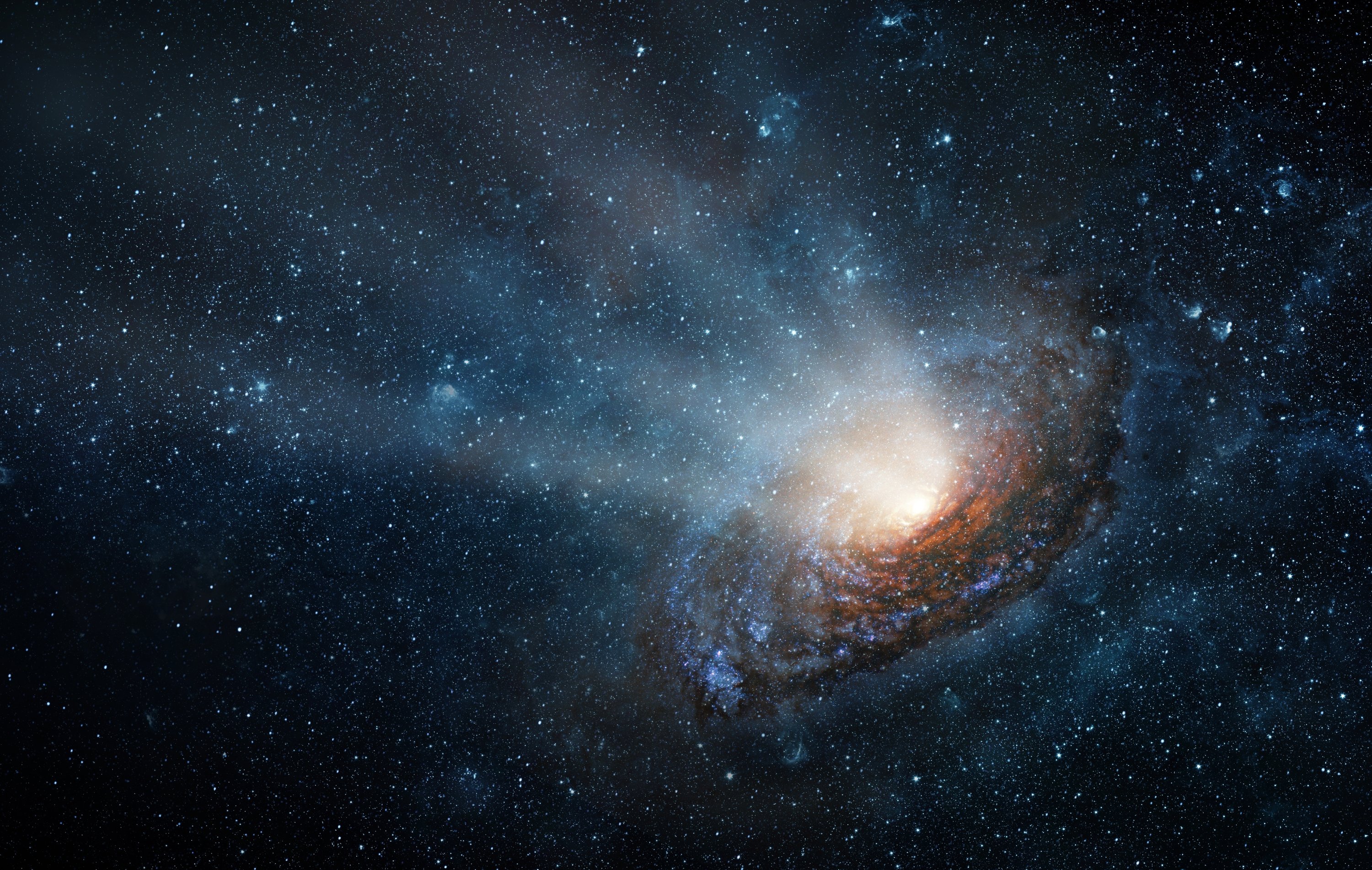
European Space Agency's Gaia mission precision mapping located the largest stellar black hole light-years away in Aquila. (Shutterstock Photo)
by Agence France-Presse - AFP Apr 16, 2024 10:44 am

According to a study published on Tuesday, astronomers have discovered the largest stellar black hole ever identified in the Milky Way, with a mass 33 times that of the sun.

The black hole, named Gaia BH3, was discovered "by chance" from data collected by the European Space Agency's Gaia mission, an astronomer from the National Center for Scientific Research (CNRS) at the Observatoire de Paris, Pasquale Panuzzo, told Agence France-Presse (AFP).

Gaia, dedicated to mapping the Milky Way galaxy, is located BH3 2,000 light years away from Earth in the Aquila constellation.

As Gaia's telescope can precisely position stars in the sky, astronomers could characterize their orbits and measure the mass of the star's invisible companion – 33 times that of the sun.

Further observations from on-the-ground telescopes confirmed that it was a black hole with a mass far greater than the stellar black holes already in the Milky Way.

"No one was expecting to find a high-mass black hole lurking nearby, undetected so far. This is the kind of discovery you make once in your research life," Panuzzo said in a press release.

Scientists discovered the stellar black hole when they spotted a "wobbling" motion in the companion star orbiting it.

"We could see a star a little smaller than the sun (around 75% of its mass) and brighter that revolved around an invisible companion," Panuzzo said.

Stellar black holes are created from the collapse of massive stars at the end of their lives and are smaller than supermassive black holes whose creation is still unknown.

Such giants have already been detected in distant galaxies via gravitational waves.

But "never in ours," said Panuzzo.

BH3 is a "dormant" black hole too far away from its companion star to strip it of its matter. Therefore, it emits no X-rays, making it difficult to detect.

Gaia's telescope identified the first two inactive black holes (Gaia BH1 and Gaia BH2) in the Milky Way.

For the past 10 years, Gaia has been operating 1.5 million kilometers (over 930,000 miles) from Earth and delivered a 3D map of the positions and motions of more than 1.8 billion stars in 2022.


  • shortlink copied
  • Last Update: Apr 16, 2024 12:49 pm
    KEYWORDS
    black hole astronomy gaia bh3
    The Daily Sabah Newsletter
    Keep up to date with what’s happening in Turkey, it’s region and the world.
    You can unsubscribe at any time. By signing up you are agreeing to our Terms of Use and Privacy Policy. This site is protected by reCAPTCHA and the Google Privacy Policy and Terms of Service apply.
    No Image
    5.5 million people in Haiti in need of humanitarian aid
    PHOTOGALLERY
    • POLITICS
    • Diplomacy
    • Legislation
    • War On Terror
    • EU Affairs
    • News Analysis
    • TÜRKİYE
    • Istanbul
    • Education
    • Investigations
    • Minorities
    • Diaspora
    • World
    • Mid-East
    • Europe
    • Americas
    • Asia Pacific
    • Africa
    • Syrian Crisis
    • İslamophobia
    • Business
    • Automotive
    • Economy
    • Energy
    • Finance
    • Tourism
    • Tech
    • Defense
    • Transportation
    • News Analysis
    • Lifestyle
    • Health
    • Environment
    • Travel
    • Food
    • Fashion
    • Science
    • Religion
    • History
    • Feature
    • Expat Corner
    • Arts
    • Cinema
    • Music
    • Events
    • Portrait
    • Performing Arts
    • Reviews
    • Sports
    • Football
    • Basketball
    • Motorsports
    • Tennis
    • Opinion
    • Columns
    • Op-Ed
    • Reader's Corner
    • Editorial
    • Photo gallery
    • DS TV
    • Jobs
    • privacy
    • about us
    • contact us
    • RSS
    © Turkuvaz Haberleşme ve Yayıncılık 2021