Daily Sabah logo

Politics
Diplomacy Legislation War On Terror EU Affairs Elections News Analysis
TÜRKİYE
Istanbul Education Investigations Minorities Expat Corner Diaspora
World
Mid-East Europe Americas Asia Pacific Africa Syrian Crisis Islamophobia
Business
Automotive Economy Energy Finance Tourism Tech Defense Transportation News Analysis
Lifestyle
Health Environment Travel Food Fashion Science Religion History Feature Expat Corner
Arts
Cinema Music Events Portrait Reviews Performing Arts
Sports
Football Basketball Motorsports Tennis
Opinion
Columns Op-Ed Reader's Corner Editorial
PHOTO GALLERY
JOBS ABOUT US RSS PRIVACY CONTACT US
© Turkuvaz Haberleşme ve Yayıncılık 2025

Daily Sabah - Latest & Breaking News from Turkey | Istanbul

  • Politics
    • Diplomacy
    • Legislation
    • War On Terror
    • EU Affairs
    • Elections
    • News Analysis
  • TÜRKİYE
    • Istanbul
    • Education
    • Investigations
    • Minorities
    • Expat Corner
    • Diaspora
  • World
    • Mid-East
    • Europe
    • Americas
    • Asia Pacific
    • Africa
    • Syrian Crisis
    • Islamophobia
  • Business
    • Automotive
    • Economy
    • Energy
    • Finance
    • Tourism
    • Tech
    • Defense
    • Transportation
    • News Analysis
  • Lifestyle
    • Health
    • Environment
    • Travel
    • Food
    • Fashion
    • Science
    • Religion
    • History
    • Feature
    • Expat Corner
  • Arts
    • Cinema
    • Music
    • Events
    • Portrait
    • Reviews
    • Performing Arts
  • Sports
    • Football
    • Basketball
    • Motorsports
    • Tennis
  • Gallery
  • Opinion
    • Columns
    • Op-Ed
    • Reader's Corner
    • Editorial
  • TV
  • Life
  • Health
  • Environment
  • Travel
  • Food
  • Fashion
  • Science
  • Religion
  • History
  • Feature
  • Expat Corner

Megafauna extinction: Climate change wiped out Australia's giant kangaroos and crocodiles, fossils reveal

by German Press Agency - DPA

CANBERRA May 18, 2020 - 10:32 am GMT+3
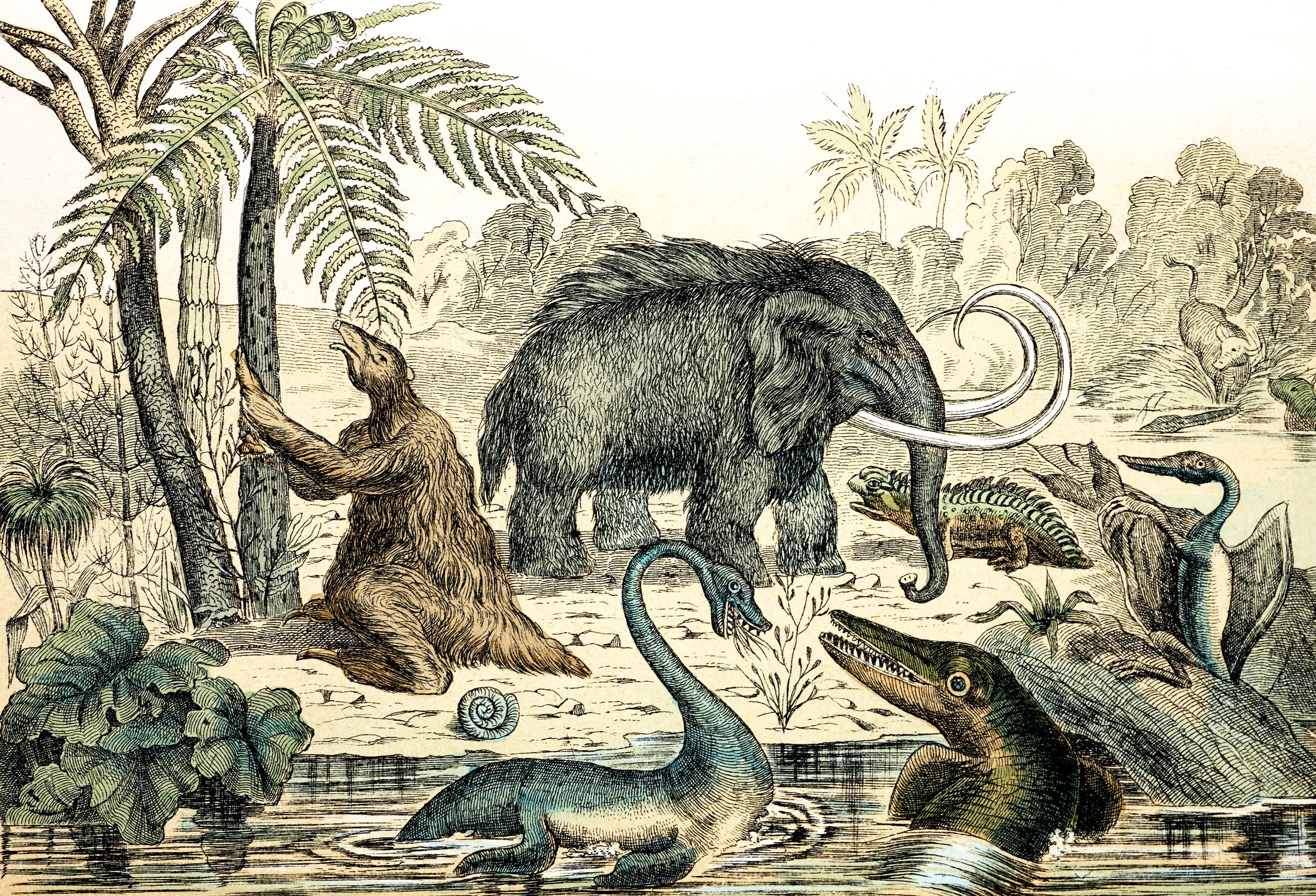
The world was once a stomping ground for a diverse range of megafauna. (iStock Photo)
by German Press Agency - DPA May 18, 2020 10:32 am

Giant kangaroos, humongous crocodiles and other megafauna that lived until 40,000 years ago in tropical northern Australia died out because of extreme climate change, according to a study published Monday.

Queensland Museum's paleontologists said the newly discovered megafauna went extinct due to extreme environmental change, in the study published in the science journal, Nature Communications.

The successive loss of water flow, intensified drying, increased burning, and vegetation change created the conditions to drive the extinction of at least 13 species of super-sized megafauna species, the researchers said. These included four reptilian mega-predators, a marsupial "lion" and the world's largest kangaroos and wombats, the study said.

The study was based on research on the fossils discovered at a megafauna site at South Walker Creek, near Mackay in northeastern Queensland, close to the Great Barrier Reef. It was once home to more than a dozen species of giant animals and is the youngest megafauna site in northern Australia.

Vintage engraving of a marsupial, the great kangaroo. (iStock Photo)

"The megafauna at South Walker Creek were uniquely tropical, dominated by huge reptilian carnivores and mega-herbivores that went extinct around 40,000 years ago, well after humans arrived onto mainland Australia," Queensland Museum's paleontologist and leader of the study, Scott Hocknull, said.

Humans, who had already started moving into the continent, could not be blamed for extinction, the study said.

"We cannot place humans at this 40,000-year-old crime scene, we have no firm evidence. Therefore, we find no role for humans in the extinction of these species of megafauna," Hocknull said.

Instead, the researchers found the extinction of the giants coincide with major climatic and environmental deterioration both locally and regionally, including increased fire, reduction in grasslands and loss of freshwater.

"Together, these sustained changes were simply too much for the largest of Australia’s animals to cope with," he added.

Previously at the site, the remains of a 2.5-meter tall kangaroo, weighing an estimated 274 kilograms, was discovered, making it the largest known kangaroo in history.


  • shortlink copied
  • KEYWORDS
    history of animals science climate change australia kangaroo crocodile animals archives
    The Daily Sabah Newsletter
    Keep up to date with what’s happening in Turkey, it’s region and the world.
    You can unsubscribe at any time. By signing up you are agreeing to our Terms of Use and Privacy Policy. This site is protected by reCAPTCHA and the Google Privacy Policy and Terms of Service apply.
    No Image
    Every ten years: Floriade Expo 2022 in Netherlands
    PHOTOGALLERY
    • POLITICS
    • Diplomacy
    • Legislation
    • War On Terror
    • EU Affairs
    • News Analysis
    • TÜRKİYE
    • Istanbul
    • Education
    • Investigations
    • Minorities
    • Diaspora
    • World
    • Mid-East
    • Europe
    • Americas
    • Asia Pacific
    • Africa
    • Syrian Crisis
    • İslamophobia
    • Business
    • Automotive
    • Economy
    • Energy
    • Finance
    • Tourism
    • Tech
    • Defense
    • Transportation
    • News Analysis
    • Lifestyle
    • Health
    • Environment
    • Travel
    • Food
    • Fashion
    • Science
    • Religion
    • History
    • Feature
    • Expat Corner
    • Arts
    • Cinema
    • Music
    • Events
    • Portrait
    • Performing Arts
    • Reviews
    • Sports
    • Football
    • Basketball
    • Motorsports
    • Tennis
    • Opinion
    • Columns
    • Op-Ed
    • Reader's Corner
    • Editorial
    • Photo gallery
    • DS TV
    • Jobs
    • privacy
    • about us
    • contact us
    • RSS
    © Turkuvaz Haberleşme ve Yayıncılık 2021