Daily Sabah logo

Politics
Diplomacy Legislation War On Terror EU Affairs Elections News Analysis
TÜRKİYE
Istanbul Education Investigations Minorities Expat Corner Diaspora
World
Mid-East Europe Americas Asia Pacific Africa Syrian Crisis Islamophobia
Business
Automotive Economy Energy Finance Tourism Tech Defense Transportation News Analysis
Lifestyle
Health Environment Travel Food Fashion Science Religion History Feature Expat Corner
Arts
Cinema Music Events Portrait Reviews Performing Arts
Sports
Football Basketball Motorsports Tennis
Opinion
Columns Op-Ed Reader's Corner Editorial
PHOTO GALLERY
JOBS ABOUT US RSS PRIVACY CONTACT US
© Turkuvaz Haberleşme ve Yayıncılık 2025

Daily Sabah - Latest & Breaking News from Turkey | Istanbul

  • Politics
    • Diplomacy
    • Legislation
    • War On Terror
    • EU Affairs
    • Elections
    • News Analysis
  • TÜRKİYE
    • Istanbul
    • Education
    • Investigations
    • Minorities
    • Expat Corner
    • Diaspora
  • World
    • Mid-East
    • Europe
    • Americas
    • Asia Pacific
    • Africa
    • Syrian Crisis
    • Islamophobia
  • Business
    • Automotive
    • Economy
    • Energy
    • Finance
    • Tourism
    • Tech
    • Defense
    • Transportation
    • News Analysis
  • Lifestyle
    • Health
    • Environment
    • Travel
    • Food
    • Fashion
    • Science
    • Religion
    • History
    • Feature
    • Expat Corner
  • Arts
    • Cinema
    • Music
    • Events
    • Portrait
    • Reviews
    • Performing Arts
  • Sports
    • Football
    • Basketball
    • Motorsports
    • Tennis
  • Gallery
  • Opinion
    • Columns
    • Op-Ed
    • Reader's Corner
    • Editorial
  • TV
  • Life
  • Health
  • Environment
  • Travel
  • Food
  • Fashion
  • Science
  • Religion
  • History
  • Feature
  • Expat Corner

Scientists discover new common genes in severe COVID-19 patients

by Reuters

Mar 08, 2022 - 11:16 am GMT+3
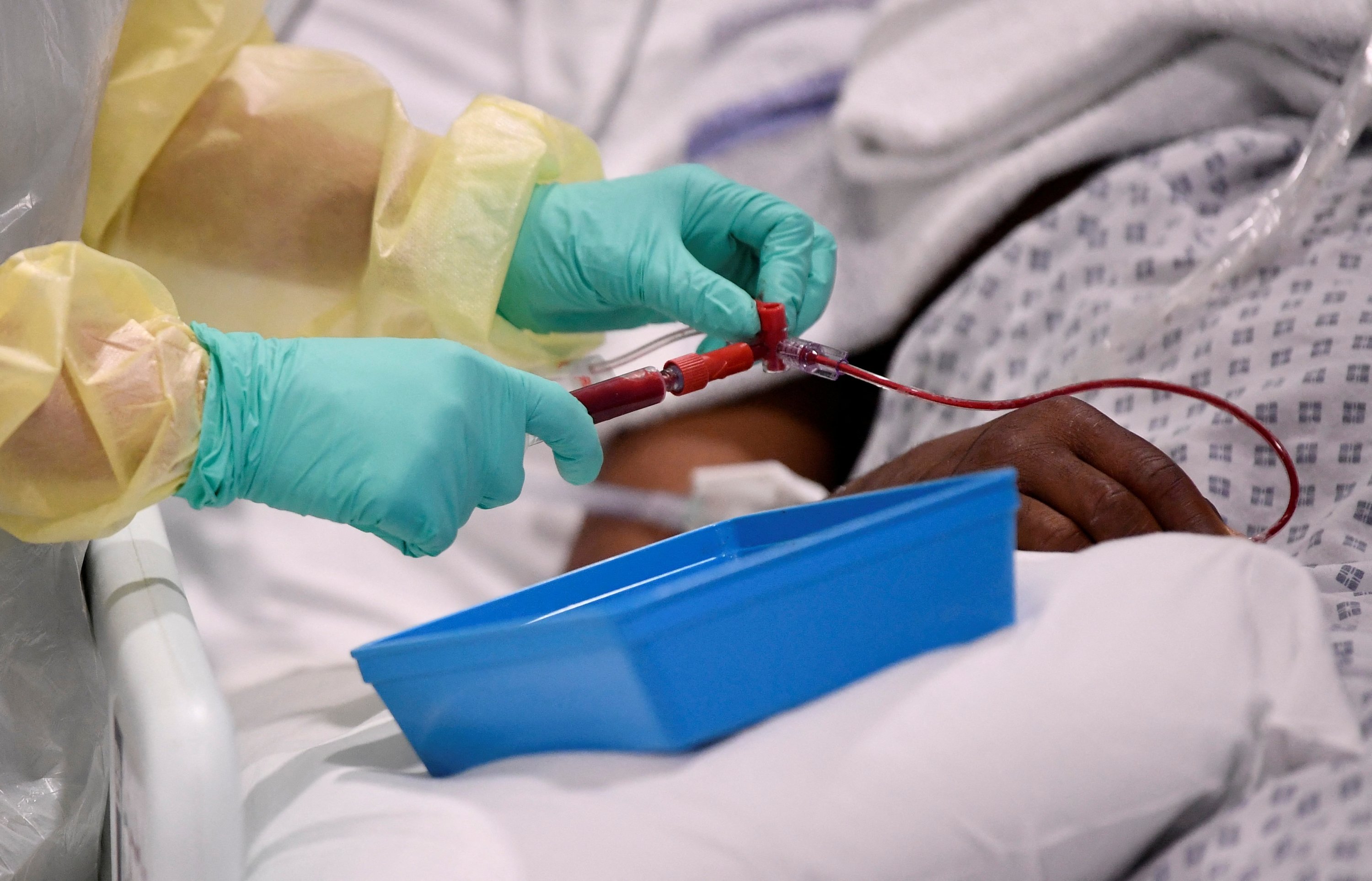
A nurse helps with treatment of a COVID-19 patient in the Intensive Care Unit at Milton Keynes University Hospital, amid the spread of COVID-19 pandemic, Milton Keynes, U.K., Jan. 20, 2021. (Reuters Photo)
by Reuters Mar 08, 2022 11:16 am

Scientists have identified 16 new genetic variants that can be found in people who developed severe COVID-19 in large study that could help researchers develop treatments for very sick patients.

The results suggest that people with severe COVID-19 have genes that predispose them to one of two problems: failure to limit the ability of the virus to make copies of itself, or excessive inflammation and blood clotting.

The scientists said their discoveries, published in the journal Nature, could help prioritize the likely treatments that could work against the disease.

Eventually, the information could even help predict which patients were likely to become severely ill.

"It is potentially possible in future that we will be able to make predictions about patients based on their genome at the point of presenting (for) critical care," said Kenneth Baillie, consultant in critical care medicine at the University of Edinburgh and one of the study authors, told reporters.

The genetic analysis of nearly 56,000 samples from people in Britain showed differences in 23 genes in COVID-19 patients who became critically ill, when compared with the DNA of other groups included in the study, including 16 differences that had not been previously identified.

The new findings could help guide scientists in their search for existing drugs that might be useful for treating COVID-19.

For example, the researchers found changes in key genes that regulate the level of factor VIII, a protein involved in forming blood clots.

"Blood clotting is one of the main reasons why patients with COVID develop a shortage of oxygen. So that's potentially targetable to prevent those clots from forming," Baillie said.

But "we can't know if these medicines will work until we try them in people."

One of the previously discovered genes, TYK2, is targeted by Eli Lilly's arthritis drug baricitinib, now being studied as a treatment for COVID-19.

The drug was shown last week to cut the risk of death and hospitalization in COVID-19 patients by 13% in a trial.


  • shortlink copied
  • Last Update: Mar 08, 2022 2:15 pm
    KEYWORDS
    covid-19 pandemic genetics gene research severe covid-19
    The Daily Sabah Newsletter
    Keep up to date with what’s happening in Turkey, it’s region and the world.
    You can unsubscribe at any time. By signing up you are agreeing to our Terms of Use and Privacy Policy. This site is protected by reCAPTCHA and the Google Privacy Policy and Terms of Service apply.
    No Image
    Pandemic puts Galapagos tourism, science on pause
    PHOTOGALLERY
    • POLITICS
    • Diplomacy
    • Legislation
    • War On Terror
    • EU Affairs
    • News Analysis
    • TÜRKİYE
    • Istanbul
    • Education
    • Investigations
    • Minorities
    • Diaspora
    • World
    • Mid-East
    • Europe
    • Americas
    • Asia Pacific
    • Africa
    • Syrian Crisis
    • İslamophobia
    • Business
    • Automotive
    • Economy
    • Energy
    • Finance
    • Tourism
    • Tech
    • Defense
    • Transportation
    • News Analysis
    • Lifestyle
    • Health
    • Environment
    • Travel
    • Food
    • Fashion
    • Science
    • Religion
    • History
    • Feature
    • Expat Corner
    • Arts
    • Cinema
    • Music
    • Events
    • Portrait
    • Performing Arts
    • Reviews
    • Sports
    • Football
    • Basketball
    • Motorsports
    • Tennis
    • Opinion
    • Columns
    • Op-Ed
    • Reader's Corner
    • Editorial
    • Photo gallery
    • DS TV
    • Jobs
    • privacy
    • about us
    • contact us
    • RSS
    © Turkuvaz Haberleşme ve Yayıncılık 2021