Daily Sabah logo

Politics
Diplomacy Legislation War On Terror EU Affairs Elections News Analysis
TÜRKİYE
Istanbul Education Investigations Minorities Expat Corner Diaspora
World
Mid-East Europe Americas Asia Pacific Africa Syrian Crisis Islamophobia
Business
Automotive Economy Energy Finance Tourism Tech Defense Transportation News Analysis
Lifestyle
Health Environment Travel Food Fashion Science Religion History Feature Expat Corner
Arts
Cinema Music Events Portrait Reviews Performing Arts
Sports
Football Basketball Motorsports Tennis
Opinion
Columns Op-Ed Reader's Corner Editorial
PHOTO GALLERY
JOBS ABOUT US RSS PRIVACY CONTACT US
© Turkuvaz Haberleşme ve Yayıncılık 2025

Daily Sabah - Latest & Breaking News from Turkey | Istanbul

  • Politics
    • Diplomacy
    • Legislation
    • War On Terror
    • EU Affairs
    • Elections
    • News Analysis
  • TÜRKİYE
    • Istanbul
    • Education
    • Investigations
    • Minorities
    • Expat Corner
    • Diaspora
  • World
    • Mid-East
    • Europe
    • Americas
    • Asia Pacific
    • Africa
    • Syrian Crisis
    • Islamophobia
  • Business
    • Automotive
    • Economy
    • Energy
    • Finance
    • Tourism
    • Tech
    • Defense
    • Transportation
    • News Analysis
  • Lifestyle
    • Health
    • Environment
    • Travel
    • Food
    • Fashion
    • Science
    • Religion
    • History
    • Feature
    • Expat Corner
  • Arts
    • Cinema
    • Music
    • Events
    • Portrait
    • Reviews
    • Performing Arts
  • Sports
    • Football
    • Basketball
    • Motorsports
    • Tennis
  • Gallery
  • Opinion
    • Columns
    • Op-Ed
    • Reader's Corner
    • Editorial
  • TV
  • Life
  • Health
  • Environment
  • Travel
  • Food
  • Fashion
  • Science
  • Religion
  • History
  • Feature
  • Expat Corner

Scientists warn that plastic in water bottles can enter cells

by Deutsche Presse-Agentur - dpa

New York Jan 10, 2024 - 10:51 am GMT+3
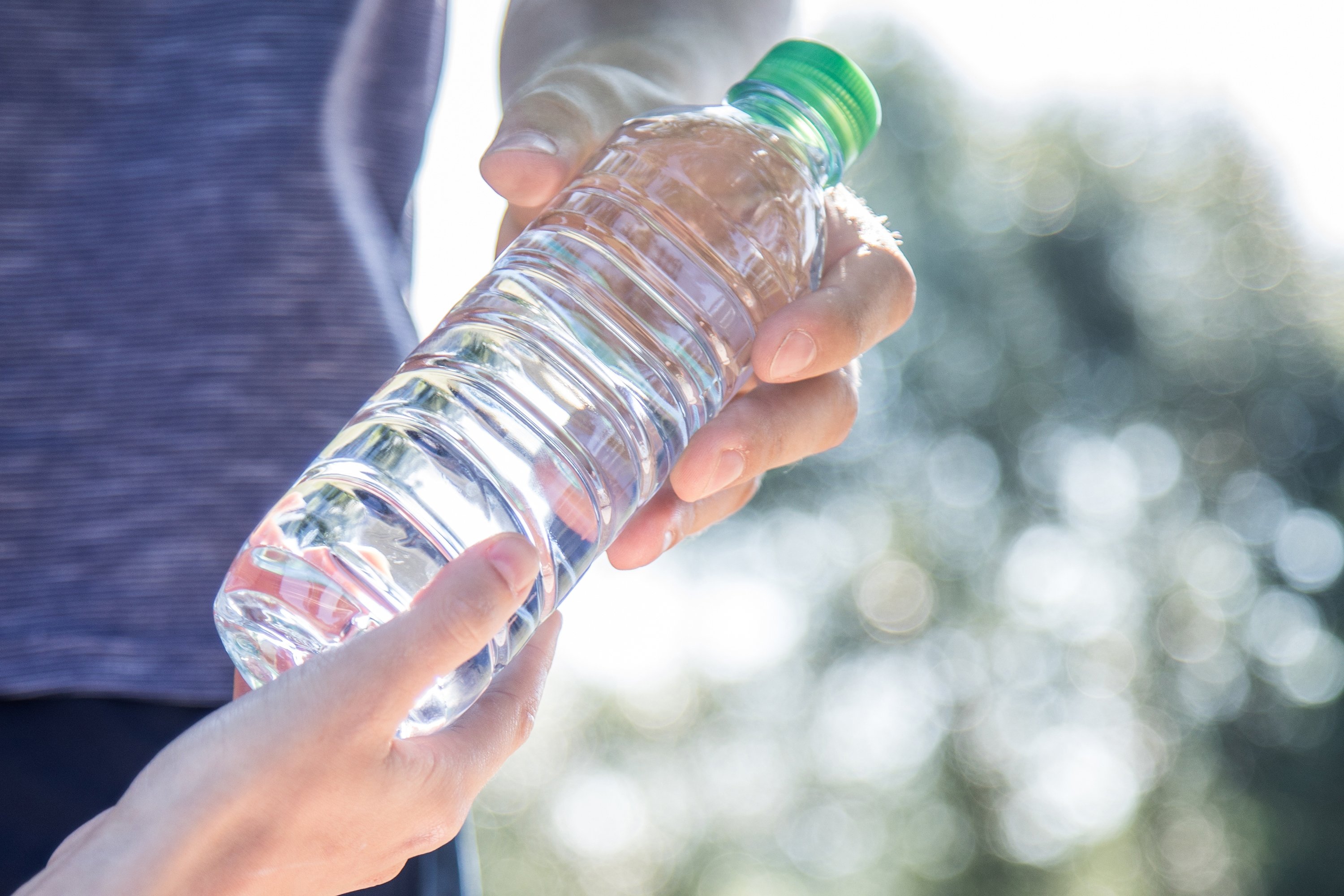
Tiny plastic particles in water bottles are so small they can get inside cells and even be passed from mother to child in the womb, researchers say. (dpa Photo)
by Deutsche Presse-Agentur - dpa Jan 10, 2024 10:51 am

Plastic pollution is becoming a growing concern, and scientists note that its effects are now observed on progressively smaller scales. Recent research in the United States reveals that bottled water harbors hundreds of thousands of minuscule plastic particles previously unaccounted for.

These particles are so tiny that they can penetrate cells and, astonishingly, be transmitted from a mother to her unborn child in the womb.

Nanoplastics can pass "directly into the bloodstream" and get into organs, the Columbia University team said, writing in the journal Proceedings of the National Academy of Sciences in January, where they warned the nanoplastics can "invade individual cells" and "cross through the placenta to the bodies of unborn babies." These so-called nanoplastics are smaller than the microplastics found in rivers and oceans, the byproduct of plastic rubbish being dumped.

An estimated 30 million tonnes of plastic are dumped worldwide each year. In early January, the activist organization Basel Action Network said wealthy countries "cannot manage their plastic waste" as it published data showing European Union exports of plastic trash "to non-OECD countries" as having climbed to 75 million kilograms (165 million pounds) a month in October 2023 from 28 million in May 2022.

Broken-down microplastics, the pieces of which are too small to be seen by the human eye, have for years been known to find their way into the food chain, often through fish. And while it has been known that people ingest even smaller nanoplastics when they drink out of plastic bottles, just how much gets swallowed has not been quantified.

But Columbia's researchers claim to have used "newly refined technology" to access "a whole new plastic world."

"For the first time, they counted and identified these minute particles in bottled water," the university said in a statement, finding that an average liter contains "some 240,000 detectable plastic fragments – 10 to 100 times greater than previous estimates, which were based mainly on larger sizes."


  • shortlink copied
  • Last Update: Jan 10, 2024 1:05 pm
    KEYWORDS
    plastic bottles
    The Daily Sabah Newsletter
    Keep up to date with what’s happening in Turkey, it’s region and the world.
    You can unsubscribe at any time. By signing up you are agreeing to our Terms of Use and Privacy Policy. This site is protected by reCAPTCHA and the Google Privacy Policy and Terms of Service apply.
    No Image
    Verdict in Floyd murder brings joy, tears and calls for change
    PHOTOGALLERY
    • POLITICS
    • Diplomacy
    • Legislation
    • War On Terror
    • EU Affairs
    • News Analysis
    • TÜRKİYE
    • Istanbul
    • Education
    • Investigations
    • Minorities
    • Diaspora
    • World
    • Mid-East
    • Europe
    • Americas
    • Asia Pacific
    • Africa
    • Syrian Crisis
    • İslamophobia
    • Business
    • Automotive
    • Economy
    • Energy
    • Finance
    • Tourism
    • Tech
    • Defense
    • Transportation
    • News Analysis
    • Lifestyle
    • Health
    • Environment
    • Travel
    • Food
    • Fashion
    • Science
    • Religion
    • History
    • Feature
    • Expat Corner
    • Arts
    • Cinema
    • Music
    • Events
    • Portrait
    • Performing Arts
    • Reviews
    • Sports
    • Football
    • Basketball
    • Motorsports
    • Tennis
    • Opinion
    • Columns
    • Op-Ed
    • Reader's Corner
    • Editorial
    • Photo gallery
    • DS TV
    • Jobs
    • privacy
    • about us
    • contact us
    • RSS
    © Turkuvaz Haberleşme ve Yayıncılık 2021