There are cities you visit for their history, others for their food, architecture or atmosphere. Barcelona somehow manages to bring all of these together.
Every time I travel, I find myself observing a city through the eyes of a designer. I notice colors, proportions, textures, buildings and, perhaps most importantly, the way people use the city. Barcelona is particularly inspiring in this sense. There is creativity everywhere, but it rarely feels forced.
The city has its own visual language.
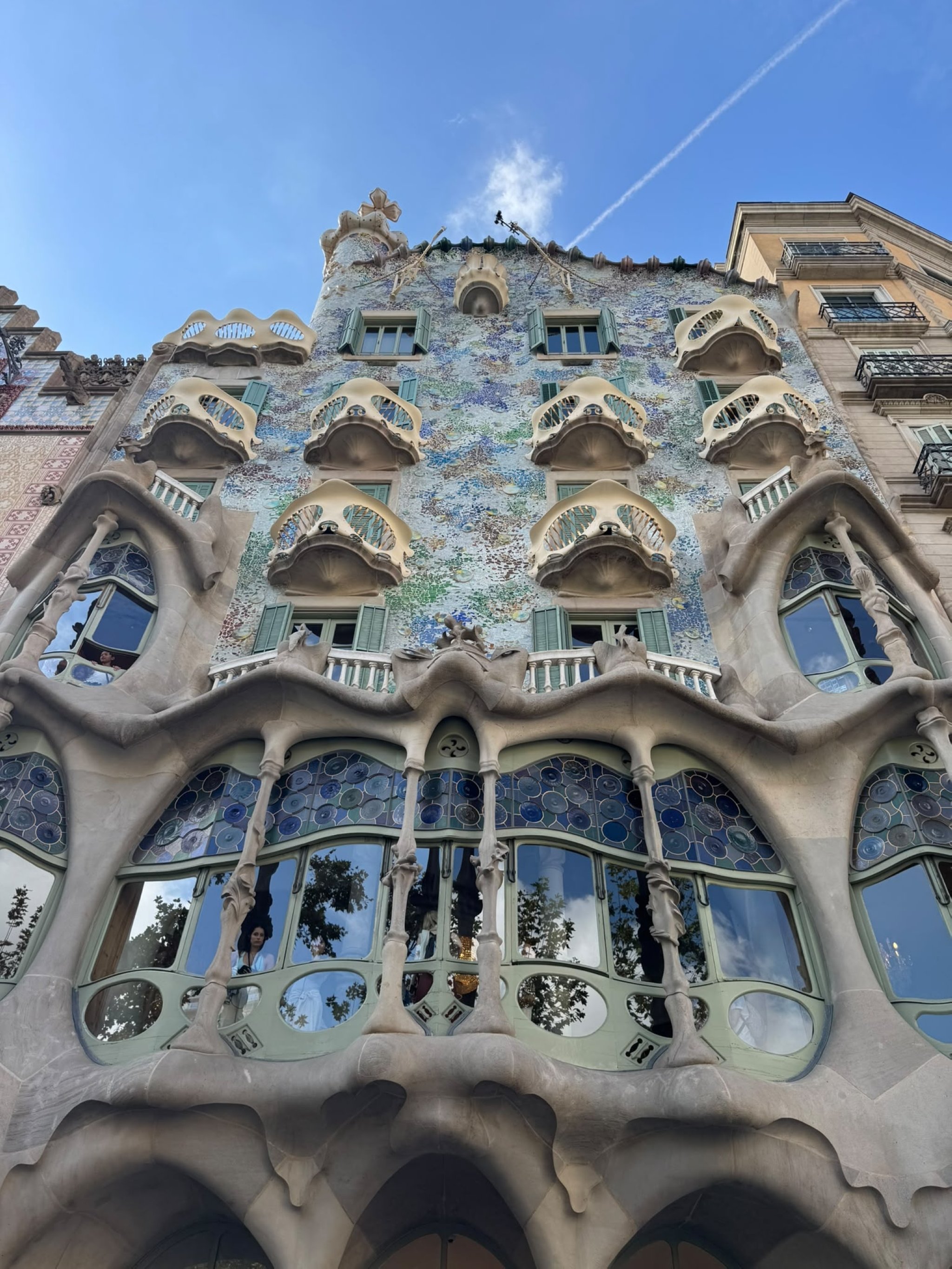
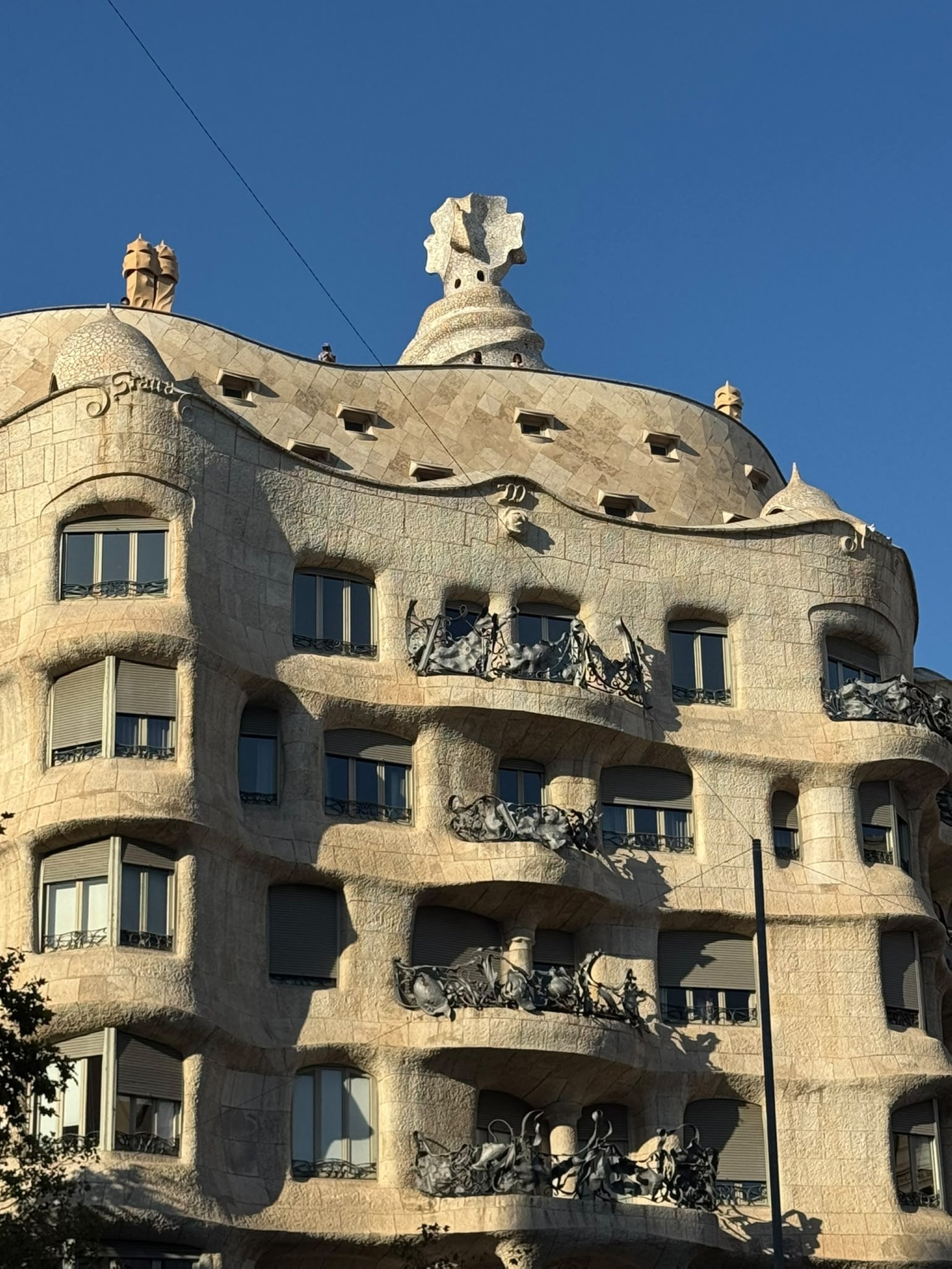
Of course, it is impossible to speak about Barcelona without Antoni Gaudí. His influence goes far beyond architecture. Walking around the city, you begin to understand that Gaudí was not simply designing buildings; he was creating an entirely different relationship between nature, color and structure.
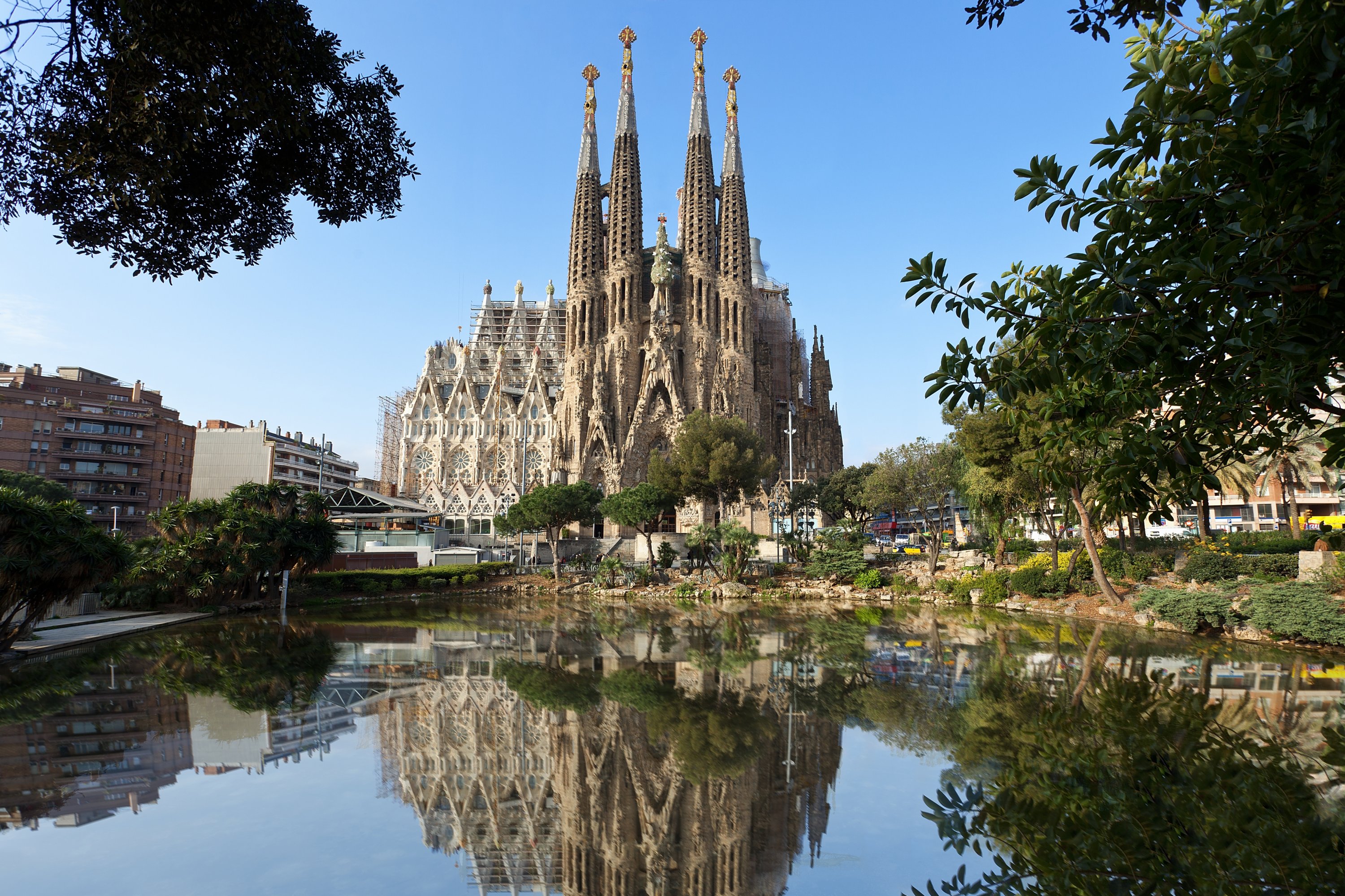
The Sagrada Família is the most obvious example. No photograph really prepares you for its scale or detail. From a distance it dominates the skyline, but once you come closer, the experience becomes much more intricate. Every surface seems to tell another story.
Park Güell presents another side of the same imagination. Its mosaics, organic forms and unexpected color combinations almost make you feel as though you have stepped into an illustrated world. Yet perhaps what interested me most was how naturally all these colors coexist. Blues, greens, terracotta, yellows and pinks appear together without competing with one another.
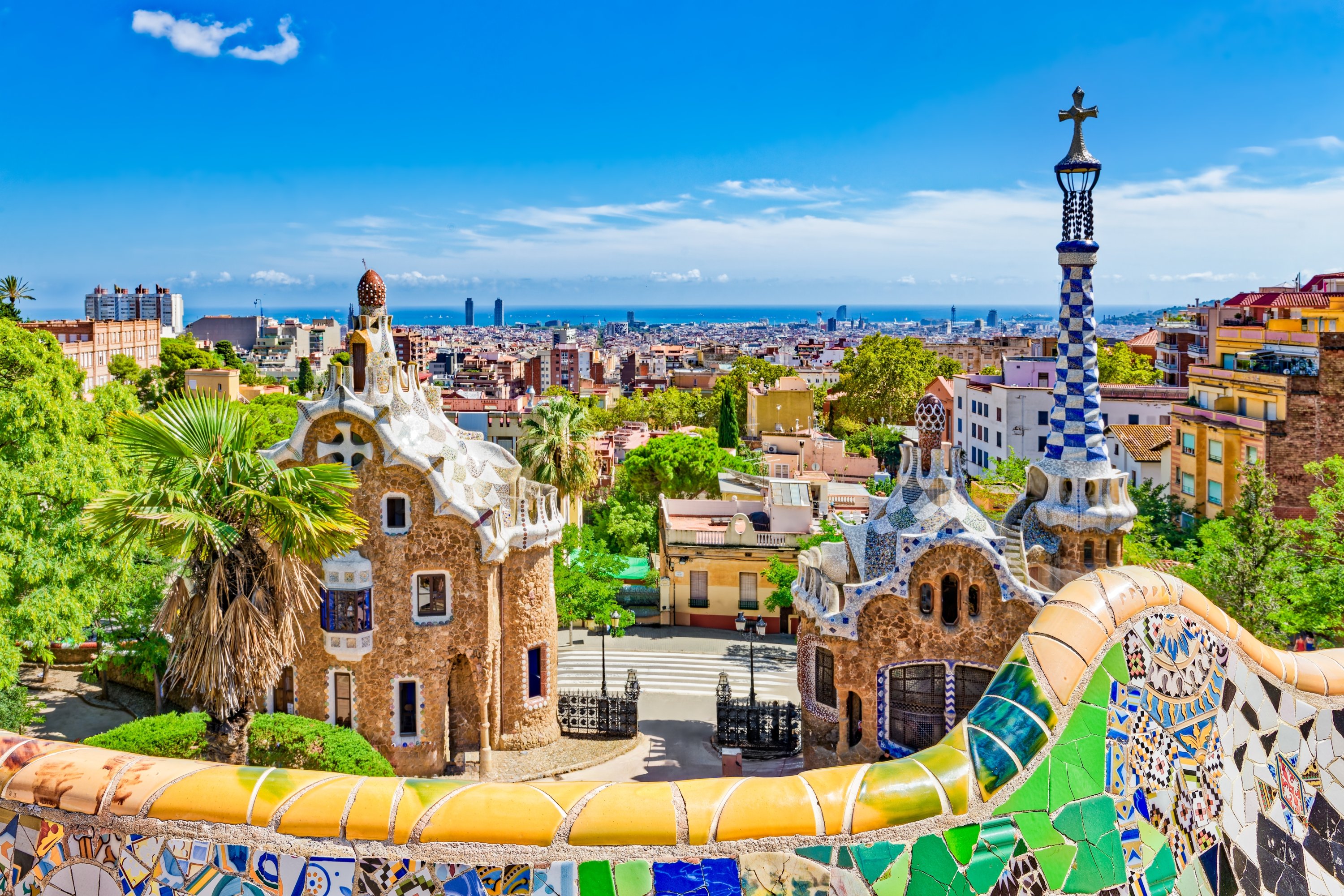
For someone working in fashion, Barcelona is an endless mood board.
But the city should not only be experienced through its landmarks.
One of my favorite things was simply walking.
Passeig de Gràcia offers Barcelona at its most polished, while the Gothic Quarter immediately changes the rhythm. Narrow streets, small squares, balconies and centuries-old façades create a completely different atmosphere. Then suddenly the Mediterranean appears and reminds you that Barcelona is, above everything else, a coastal city.
That relationship with the Mediterranean also defines its food.
One of the gastronomic experiences I particularly enjoyed was Vinitus.
Barcelona has no shortage of fashionable restaurants and elaborate dining concepts, but sometimes the places you remember most are those that concentrate on something much simpler: good ingredients, good cooking and the pleasure of sharing a table.
Vinitus represents this side of Spanish dining beautifully.
Located close to Passeig de Gracia, the restaurant is known for tapas, traditional dishes and small plates designed to be shared. Rather than trying to reinvent Spanish cuisine, its strength lies in serving familiar flavors in a lively, informal setting.
And lively is certainly the right word.
The atmosphere is energetic and constantly moving. Plates arrive at the table one after another and the idea is not to order a conventional starter and main course, but to taste, share and continue discovering.
Seafood, fish, meat, vegetables, classic tapas and rice dishes fill the menu. The bustling feeling of the restaurant makes the meal feel connected to the city around it rather than separated from it.
There is nothing overly ceremonial about the experience. You sit down, order several plates for the table and allow the evening to develop naturally. It captures something essential about Mediterranean dining: food is important, but the conversation and the people around the table are equally important.
And then came one of those unexpected moments that make traveling even more special.
As I was walking through the streets of Barcelona, I suddenly came across a familiar name: Isot. I soon learned that the restaurant, which is preparing to open its doors, is the new project of Turkish chef Deniz Temel.
It immediately caught my attention and gave me that familiar sense of pride I feel whenever I encounter Turkish talent abroad. Whether it is a designer, an artist, a chef or simply a name that reminds me of home, seeing Türkiye represented in different corners of the world always feels special.
Perhaps it means even more when you come across it unexpectedly. You are thousands of kilometers away, walking through the streets of another city, and suddenly there is a small connection to home.
I am already curious to see what Chef Deniz Temel will bring to Barcelona’s vibrant culinary scene – and I will certainly visit Isot when its doors open.
Barcelona made me think again about what we call luxury when we travel.
Sometimes luxury is not a five-star experience or an exclusive address. It is having enough time to walk through a city without constantly looking at the clock. It is discovering a small street you had not planned to visit. It is sitting down for tapas and staying longer than expected. And sometimes, it is unexpectedly coming across a familiar name that makes you feel a little closer to home.
Barcelona encourages exactly this kind of travel.
There is extraordinary architecture, certainly. There are museums, beaches, restaurants and some of Europe’s most recognizable landmarks. But behind all of them is a city that knows how to live outdoors, around tables, in squares and on the streets.
Perhaps that is why Barcelona feels so visually rich.
Gaudí understood more than a century ago what the city still expresses today: perfection does not always come from straight lines, symmetry or restraint.
Sometimes beauty comes from allowing color, nature, history and imagination to exist together.
And Barcelona has never been afraid of color.