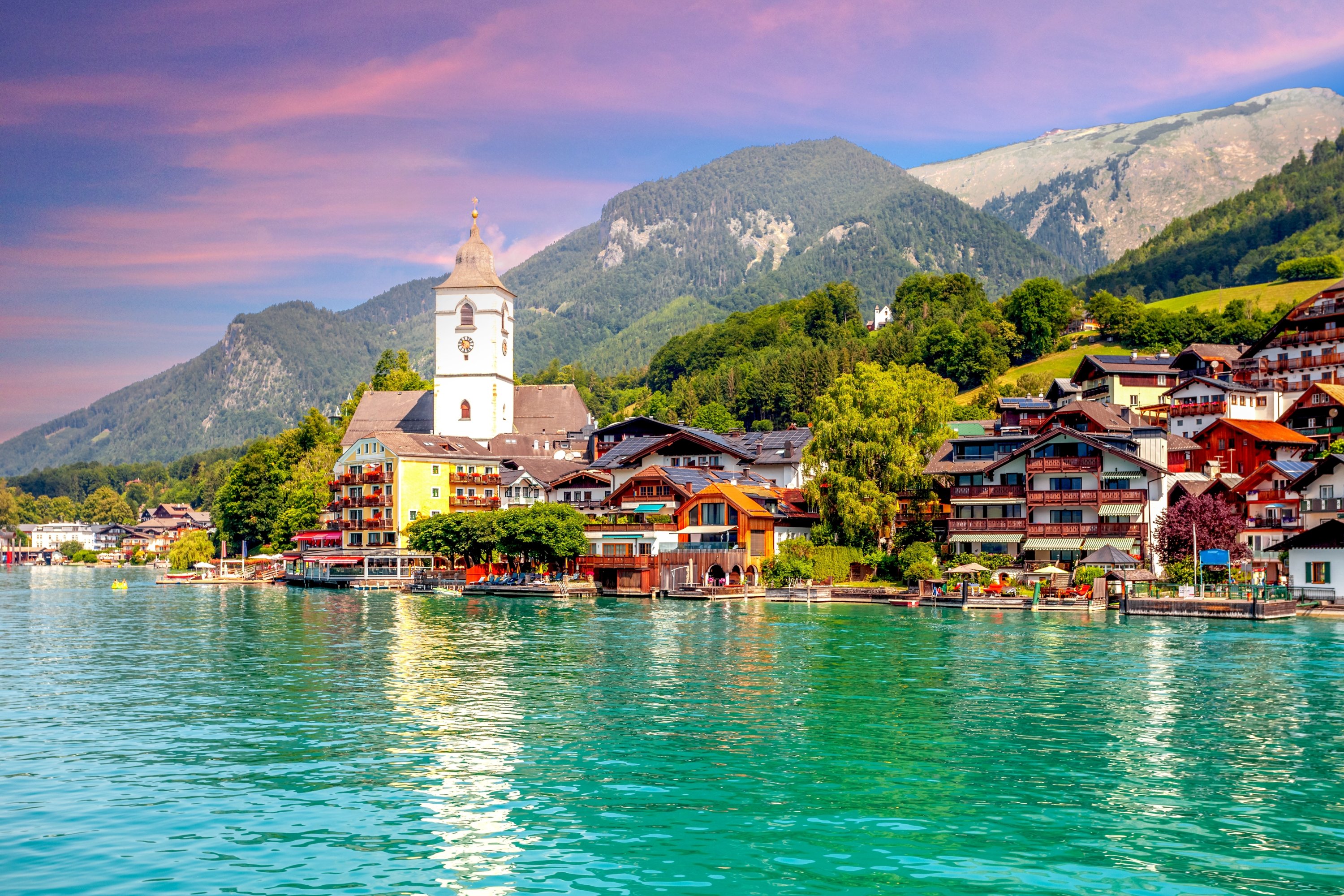
We know all too well what it feels like to step into a dreamland where time seems to slow to a halt, nestled gently against the mountains.
As we planned our summer vacation, we found ourselves facing a choice: Should we head for the seaside, with its pearly white sands, or opt for turquoise lakes surrounded by lush green meadows?
This time, we chose the latter. Instead of the Greek islands or the sun-drenched shores of the Mediterranean, we set our sights on Austria’s Lake District.
For most people, summer is all about the beach, the sea and soaking up the sun. Our Austrian getaway had all the makings of a classic summer holiday, with a few unexpected delights thrown in.
We spent our days swimming in crystal-clear turquoise lakes beneath the Alps, strolling across grassy meadows in flip-flops and enjoying dinner with a view as the evening air grew cool enough to reach for a shawl. And while a dip in a lake may not sound as appealing as a swim in the sea to some, we found it to be a special experience in its own right.
Summer may be behind us, but if this lakeside escape sounds tempting, now is the perfect time to start planning a trip for next year.
Nestled in the Austrian Alps, the Salzkammergut region is an ideal summer escape for anyone looking to trade the sweltering heat and crowded beaches for fresh mountain air and a slower pace of life.
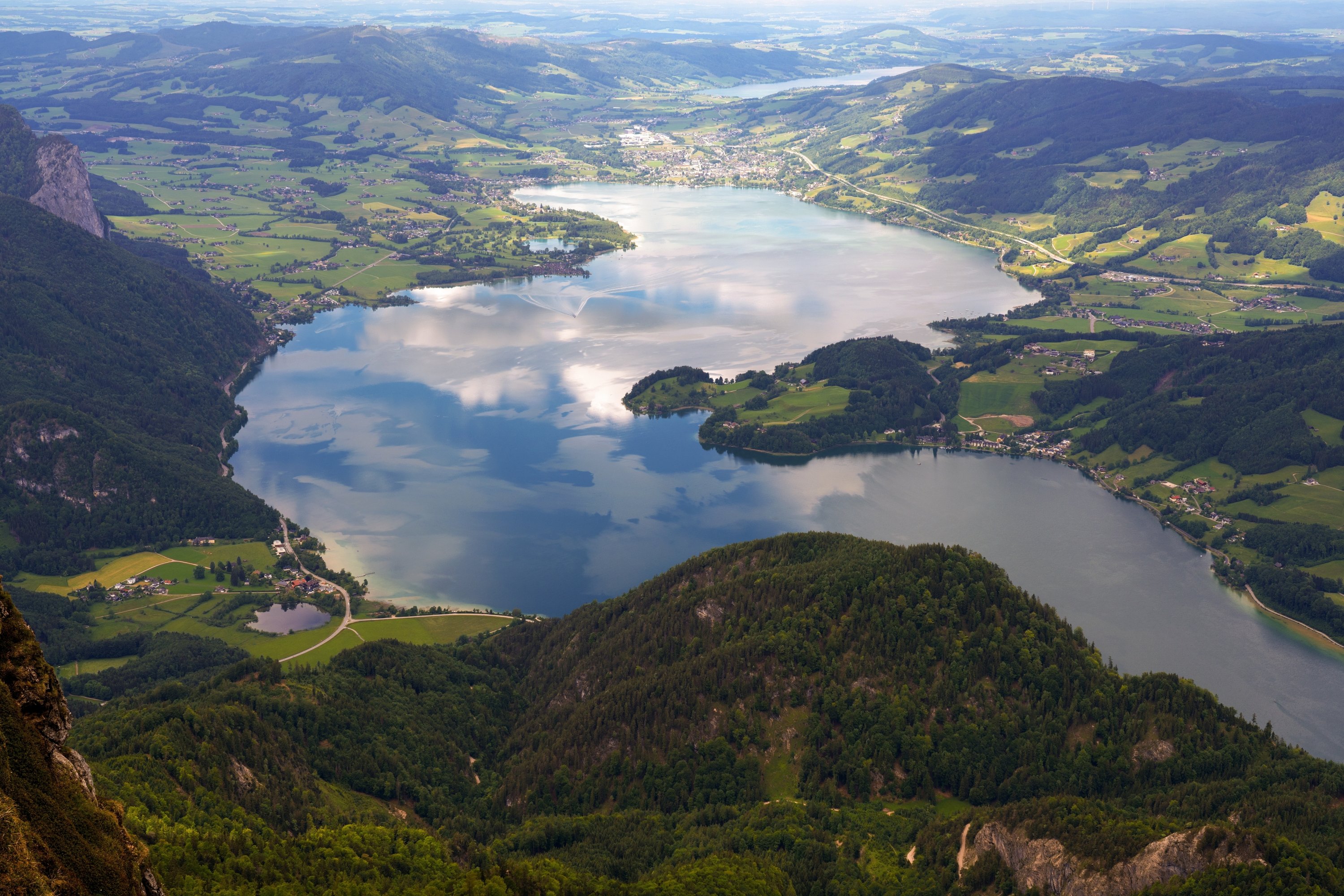
With 76 crystal-clear lakes scattered among lush green mountains, the region offers plenty of ways to enjoy the outdoors, from swimming, canoeing and sailing to hiking trails with breathtaking views. The mild summer weather and postcard-worthy scenery only add to its appeal.
Beyond its natural beauty, Salzkammergut charms visitors with fairytale-like towns, well-preserved historic architecture, a rich cultural heritage and a peaceful atmosphere. It offers a different kind of summer holiday, one that feels as restorative as it is memorable. For us, the highlight of the trip was undoubtedly St. Wolfgang, a lakeside town with a character all its own.
Set on the northern shore of Lake Wolfgangsee and framed by steep mountain slopes, St. Wolfgang is a charming little town where life moves at a gentler pace. We felt it as soon as we arrived. Unlike the hustle and bustle of city life, there was no sense of urgency here, just a slower pace that we soon found ourselves falling into.
We had admired colorful wooden houses in other parts of Europe, but St. Wolfgang had a charm of its own. Pastel-painted buildings lined the streets, and the scent of flowers filled the air. It didn't take long for us to realize that this might be our favorite stop of the trip.
Every corner seemed to reflect a way of life in harmony with nature and we loved wandering through its streets, discovering hidden gems along the way. Here are the places we think you shouldn't miss.
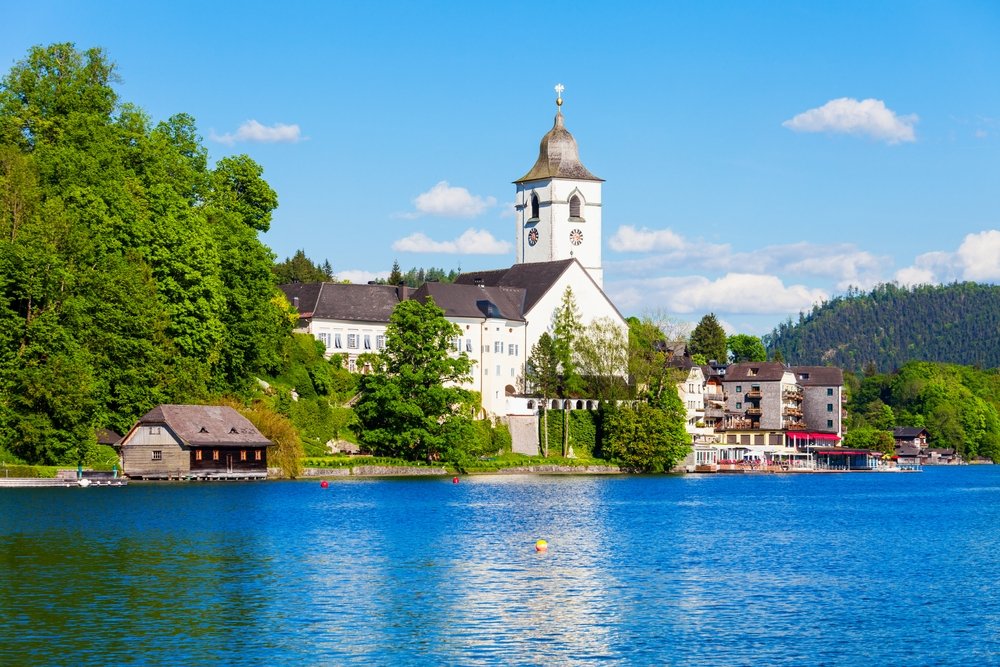
Pfarrkirche St. Wolfgang, the historic church standing on the lakeshore right in the center of St. Wolfgang is considered the heart and soul of the town. The building is said to have been founded by Bishop Wolfgang in the 10th century, when he retreated here to live in seclusion and established the site with his own hands. It has been one of Europe’s most important pilgrimage destinations since the Middle Ages.
The moment we pushed open the heavy wooden door and stepped inside, the bustle outside seemed to fade away, replaced by a cool stillness and the faint scent of candle wax. The church’s greatest treasure is its magnificent winged wooden altarpiece, created by master artist Michael Pacher in the 15th century. Intricately carved with biblical scenes and figures of saints, it is a remarkable example of medieval religious art and woodcarving.
The finely sculpted faces, delicate folds of the figures’ garments and gold-leaf details offer a glimpse into the craftsmanship and devotion of the era. Outside, the arched windows in the church courtyard overlook the lake, making them a lovely spot to pause and enjoy the tranquil scenery. We also found that they made the perfect natural frames for photographs of the lake and the surrounding landscape.
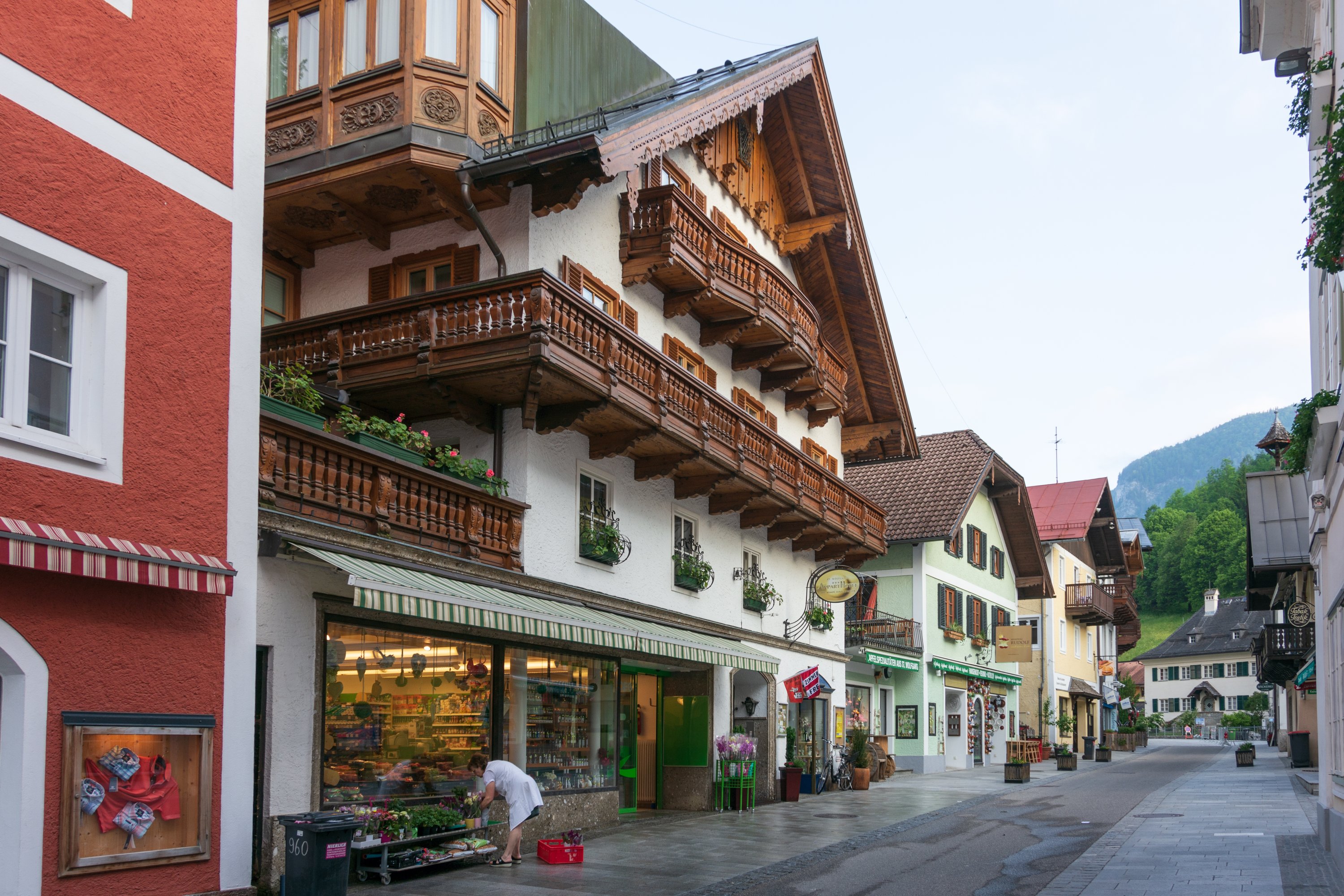
The best way to get a feel for St. Wolfgang is to wander through its narrow cobblestone streets without a plan. Colorful Lüftlmalerei murals decorate the facades, while purple geraniums spill over dark wooden balconies, adding to the town’s storybook charm.
The air is filled with the scent of Swiss pine, known locally as Zirbenholz, drifting from the shops and mingling with the aroma of freshly baked traditional Austrian apple strudel and coffee from nearby bakeries. Passing handmade ceramics studios, tailors specializing in traditional Austrian clothing and inviting cafe terraces, we found ourselves slipping effortlessly into the town’s laid-back pace.
Be sure to leave some time for the little souvenir shops tucked away along the side streets, too. Their carefully arranged displays are full of distinctive finds, each reflecting the craftsmanship and care that make browsing them a pleasure.
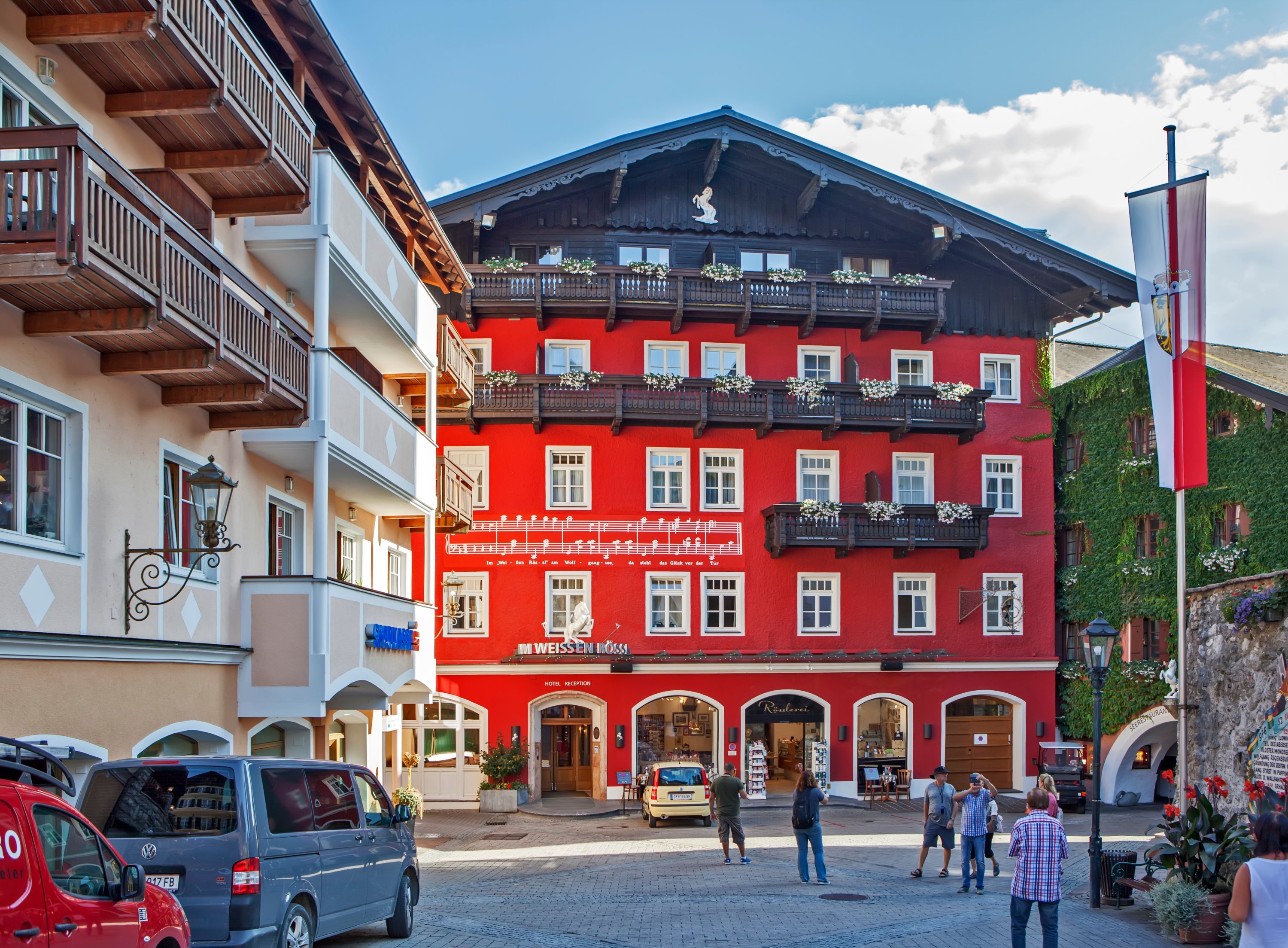
As we made our way down to the lakeshore, the first building to catch our eye was Im Weissen Rössl, famous for its striking red facade. This historic hotel, which has inspired classic operettas and films, is one of the town’s most recognizable landmarks.
We found ourselves lingering on the wooden swing benches along the piers beside the hotel. Designed for two people to sit side by side and gently sway as they gaze out over the water, they offered an unexpectedly soothing way to spend the afternoon.
We stayed there for quite some time. Sitting on the wooden pier, so close to the lake that we could almost reach out and touch the water, we could have watched the swans gliding along the shore and admired the beauty of the opposite bank for hours.
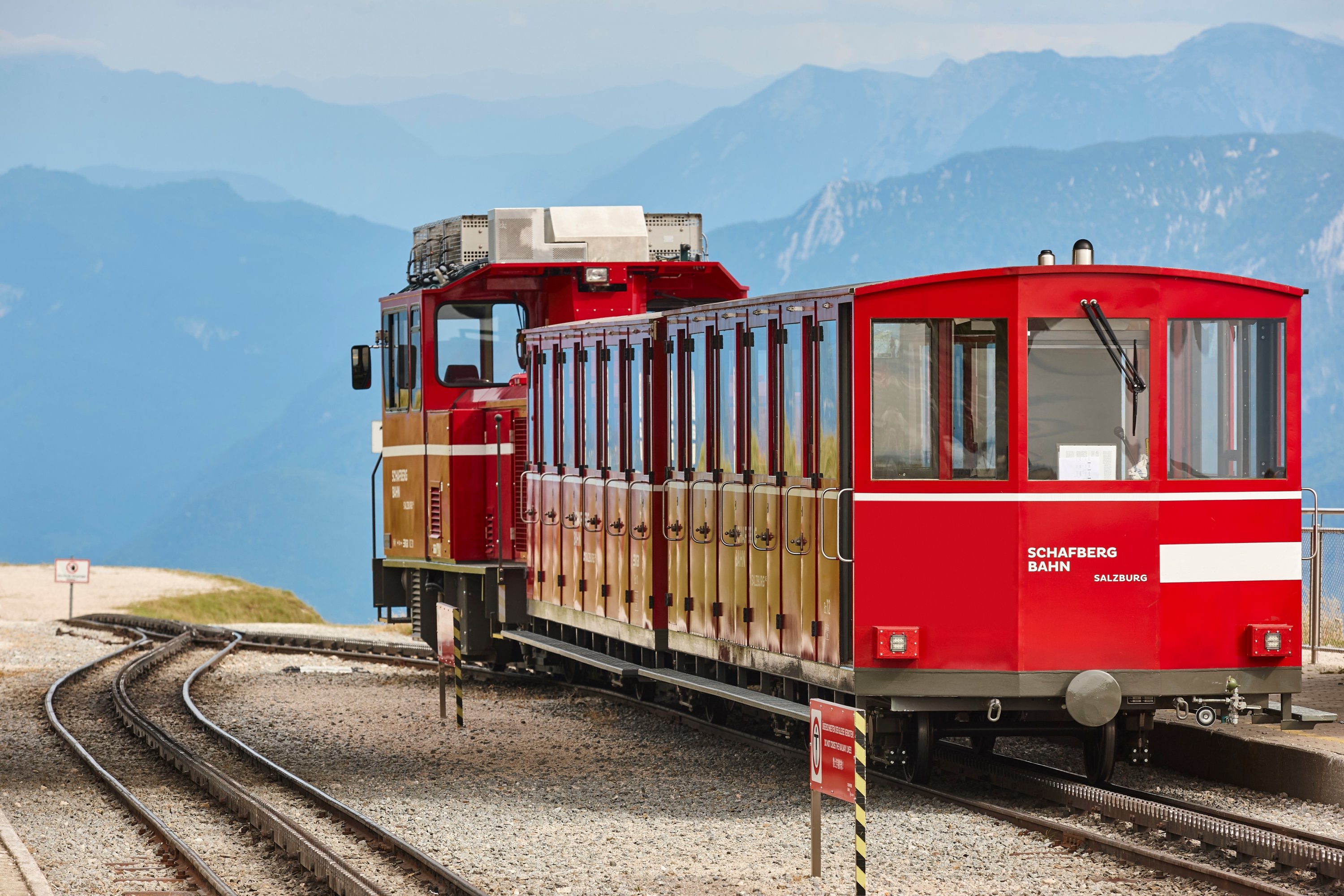
One of the most memorable experiences of our stay came before we left the town: riding the historic red Schafbergbahn steam train up the mountain. The railway has been operating since 1893, and its train steadily climbed the steep slopes on cogwheel tracks, carrying us through pine forests and past rugged cliffs to the 1,783-meter summit of Schafberg.
The panorama that greeted us at the top was breathtaking. We could see six different lakes spread across the Salzkammergut region at once, including Wolfgangsee, Mondsee and Attersee.
Walking along the trails in the cool mountain breeze and looking down from the steep rocky outcrop known as Himmelpforte, or Heaven’s Gate, gave us a true sense of the region’s dramatic natural grandeur.
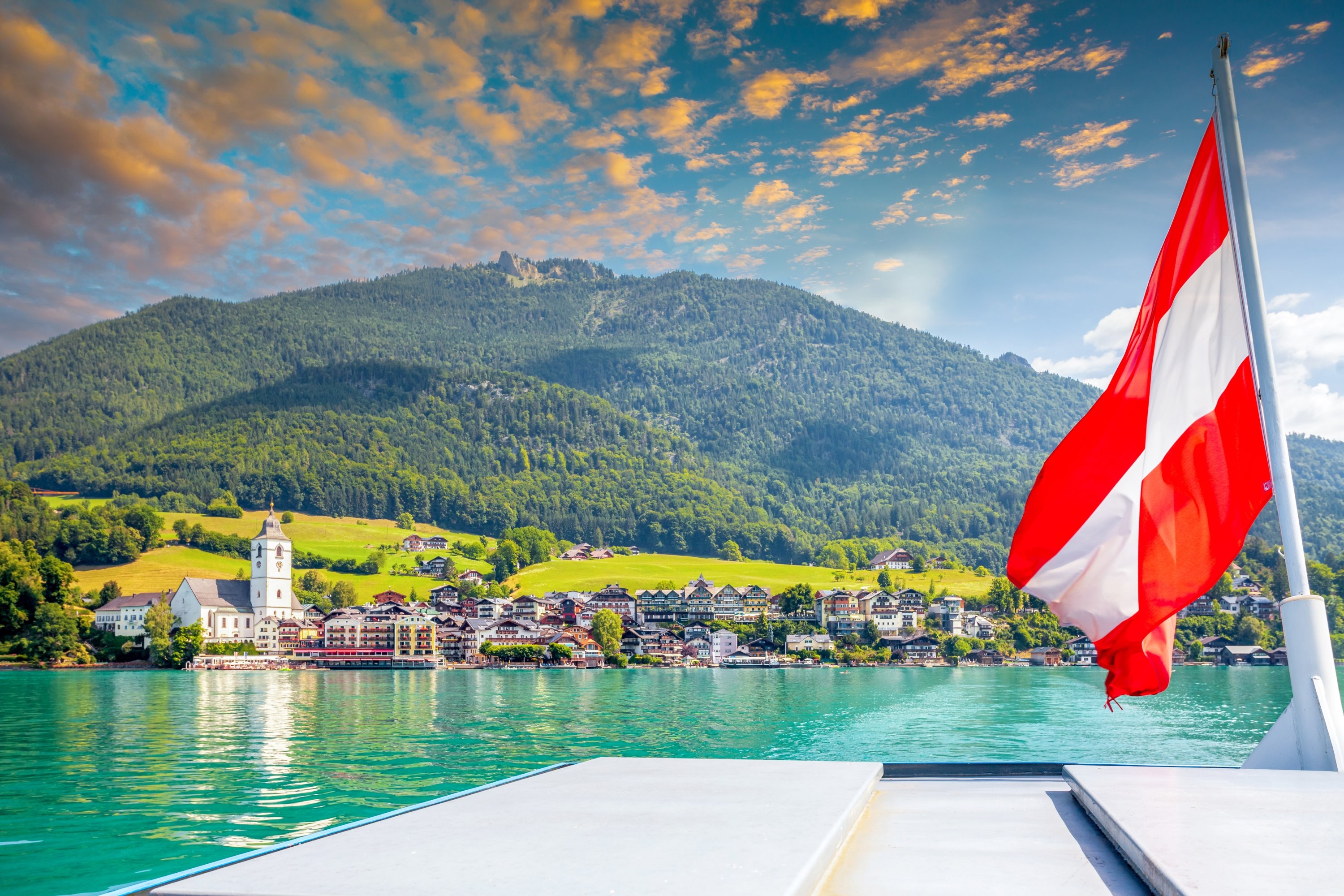
We decided to see St. Wolfgang from the water, hopping aboard one of the traditional boats that glide across Lake Wolfgangsee. The view from the lake offered a fresh perspective on the town, with steep mountain slopes meeting the water and colorful buildings lining the shore.
In summer, the grassy lakeshores around town are perfect for a refreshing swim and a little downtime in nature. After a dip in the lake’s crystal-clear freshwater, we lay back on the grass and soaked up the peaceful Alpine scenery. With no saltwater to leave us feeling sticky, we could simply relax and enjoy the cool water and mountain air. It was one of those uncomplicated pleasures that ended up becoming a highlight of our summer getaway.
From misty mornings by the lake to the quiet charm of St. Wolfgang’s cobblestone streets, every moment felt like a welcome escape from city life. Inside St. Wolfgang Church, the historic wooden altarpiece offered a moment of reflection, while a leisurely pause on the swing benches beside Im Weissen Rössl brought the simple pleasure of watching swans glide across crystal-clear water.
The journey up Schafberg aboard the historic red steam train was equally unforgettable, culminating in sweeping views of six lakes from the 1,783-meter summit. As the sun set, painting the water orange, accordion music drifted from a nearby restaurant, providing a fitting end to the day.
Some memories, however, resist being captured in photographs. The stillness of the lake, the mountain air and the feeling of having stepped away from the rush of everyday life were treasures we would carry home with us.