Daily Sabah logo

Politics
Diplomacy Legislation War On Terror EU Affairs Elections News Analysis
TÜRKİYE
Istanbul Education Investigations Minorities Expat Corner Diaspora
World
Mid-East Europe Americas Asia Pacific Africa Syrian Crisis Islamophobia
Business
Automotive Economy Energy Finance Tourism Tech Defense Transportation News Analysis
Lifestyle
Health Environment Travel Food Fashion Science Religion History Feature Expat Corner
Arts
Cinema Music Events Portrait Reviews Performing Arts
Sports
Football Basketball Motorsports Tennis
Opinion
Columns Op-Ed Reader's Corner Editorial
PHOTO GALLERY
JOBS ABOUT US RSS PRIVACY CONTACT US
© Turkuvaz Haberleşme ve Yayıncılık 2025

Daily Sabah - Latest & Breaking News from Turkey | Istanbul

  • Politics
    • Diplomacy
    • Legislation
    • War On Terror
    • EU Affairs
    • Elections
    • News Analysis
  • TÜRKİYE
    • Istanbul
    • Education
    • Investigations
    • Minorities
    • Expat Corner
    • Diaspora
  • World
    • Mid-East
    • Europe
    • Americas
    • Asia Pacific
    • Africa
    • Syrian Crisis
    • Islamophobia
  • Business
    • Automotive
    • Economy
    • Energy
    • Finance
    • Tourism
    • Tech
    • Defense
    • Transportation
    • News Analysis
  • Lifestyle
    • Health
    • Environment
    • Travel
    • Food
    • Fashion
    • Science
    • Religion
    • History
    • Feature
    • Expat Corner
  • Arts
    • Cinema
    • Music
    • Events
    • Portrait
    • Reviews
    • Performing Arts
  • Sports
    • Football
    • Basketball
    • Motorsports
    • Tennis
  • Gallery
  • Opinion
    • Columns
    • Op-Ed
    • Reader's Corner
    • Editorial
  • TV
  • Life
  • Health
  • Environment
  • Travel
  • Food
  • Fashion
  • Science
  • Religion
  • History
  • Feature
  • Expat Corner

On road to Pessinus: Shepherd's wisdom, treasure hunters' spoils

by Argun Konuk

Feb 19, 2021 - 1:30 pm GMT+3
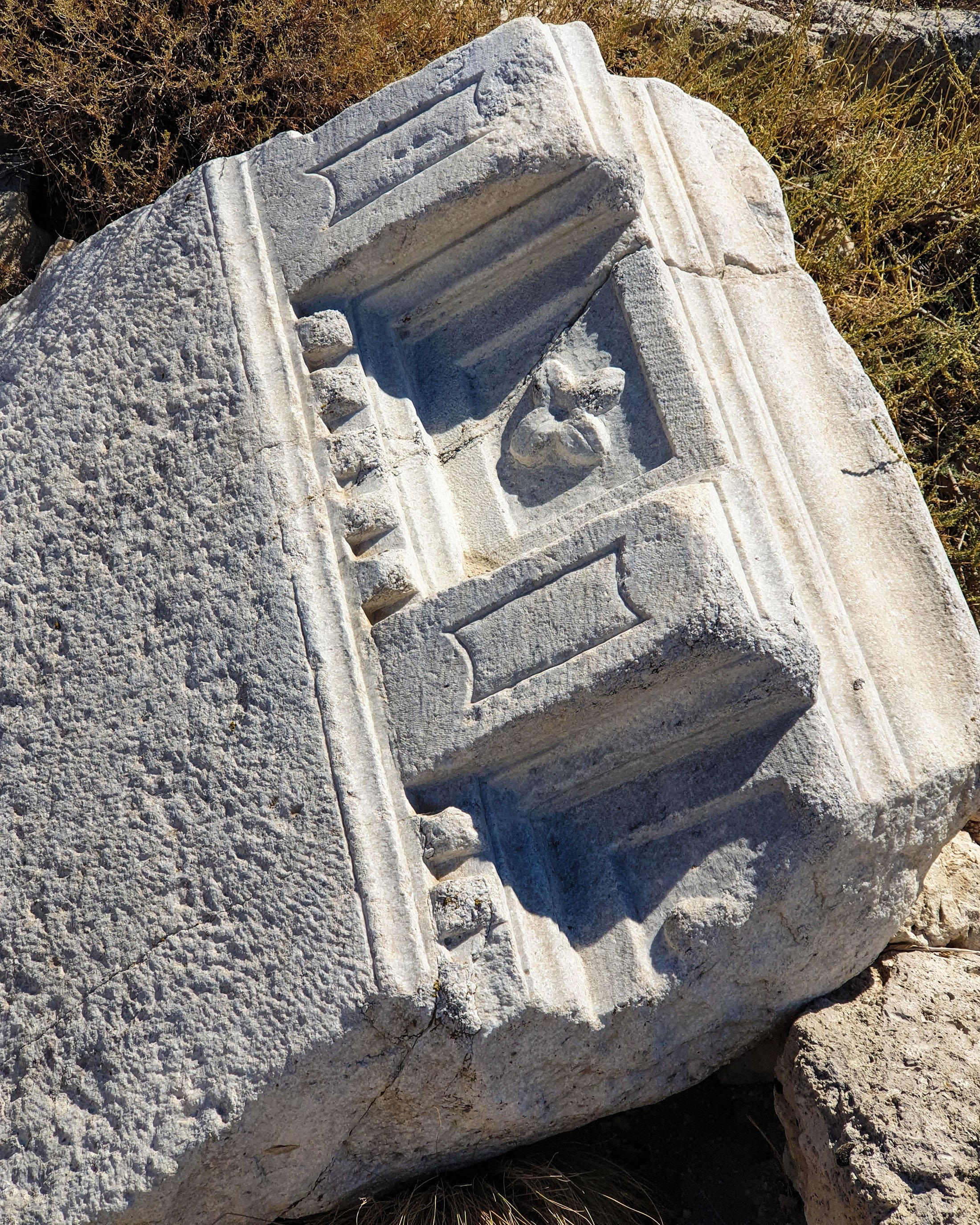
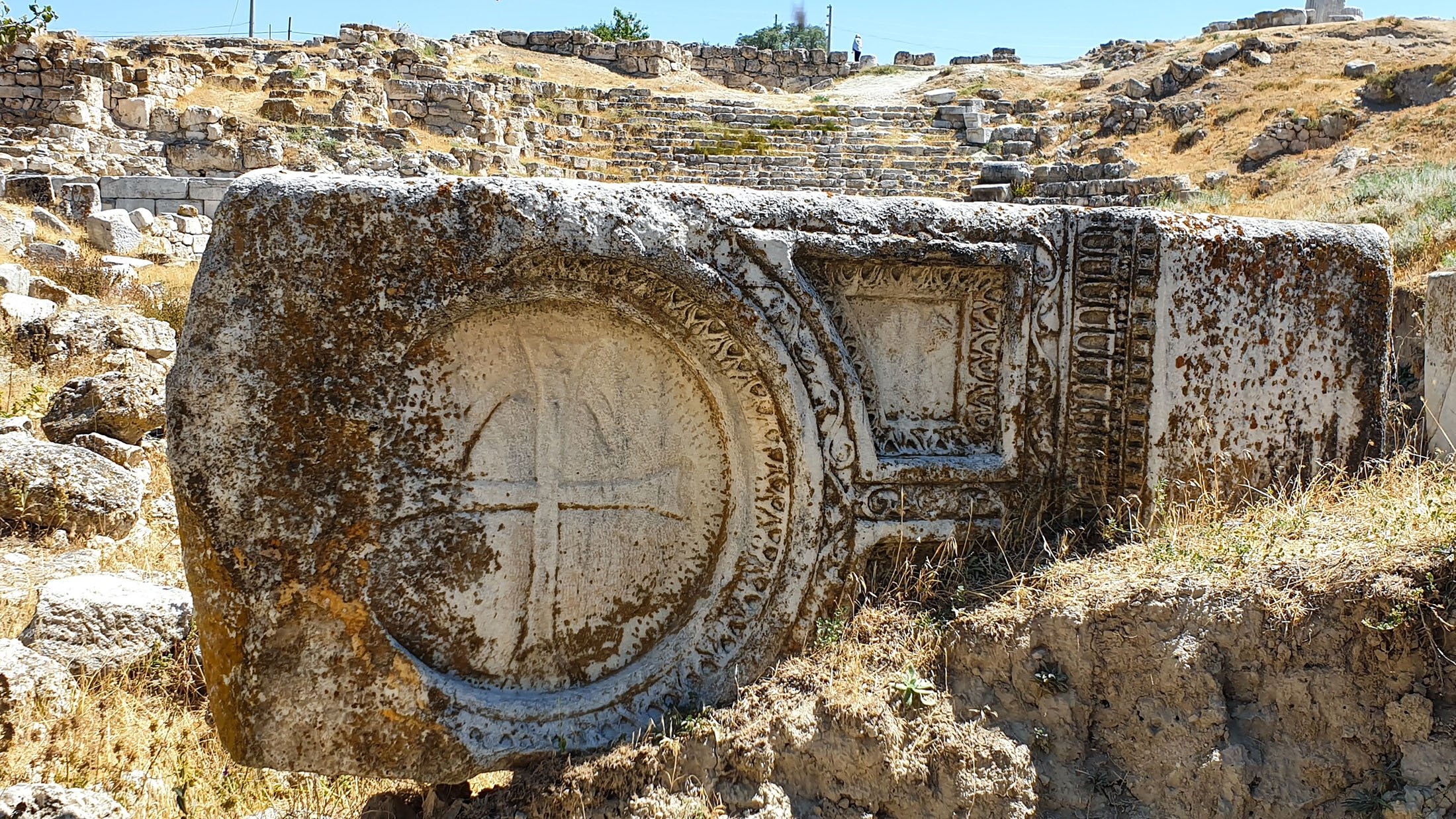
Architectural fragments in Agora at Pessinus. (Photo by Argun Konuk)
by Argun Konuk Feb 19, 2021 1:30 pm

This week, we will be heading to the suburbs of Eskişehir to visit the ancient city of Pessinus, and along the way, we'll meet a shepherd who claims to have been to every corner of the area

“Hey! What happened? Do you need some help?” were the words I heard someone behind me saying. As I was heading to the ancient city of Pessinus, located 16 kilometers (10 miles) south of downtown Sivrihisar in northwestern Eskişehir province, I got a flat tire and pulled over to replace it with the spare wheel.

Mehmet, a shepherd with his flock, saw that I had a problem and approached me to ask if I needed anything. I told him I was nearly done fixing the tire. But since he was a friendly local who seemed like the type with whom one can easily chat, I decided to make use of the moment to get some insight into the area. He must have gotten bored herding his flock alone, so he was very talkative. As today’s article suggests as well, locals are the real gems in Turkey. They are the most authentic guides you could ask for.

“Abi (an informal way of addressing a slightly older male in Turkish), I have been working in husbandry for years, and no one knows these areas better than me. There is so much history here in Ballıhisar (the village where the ruins of Pessinus are found)," Mehmet told me.

"However, recently in the remote suburbs, I have run into many illegal excavation sites dug by treasure hunters. The other day, in the middle of nowhere, I found the broken lid of a sarcophagus with lion carvings on it. Of course, for these people, it’s easy to come here at night and try their chances because there is no one around," he explained.
The Bouleuterion at Pessinus. (Photo by Argun Konuk)
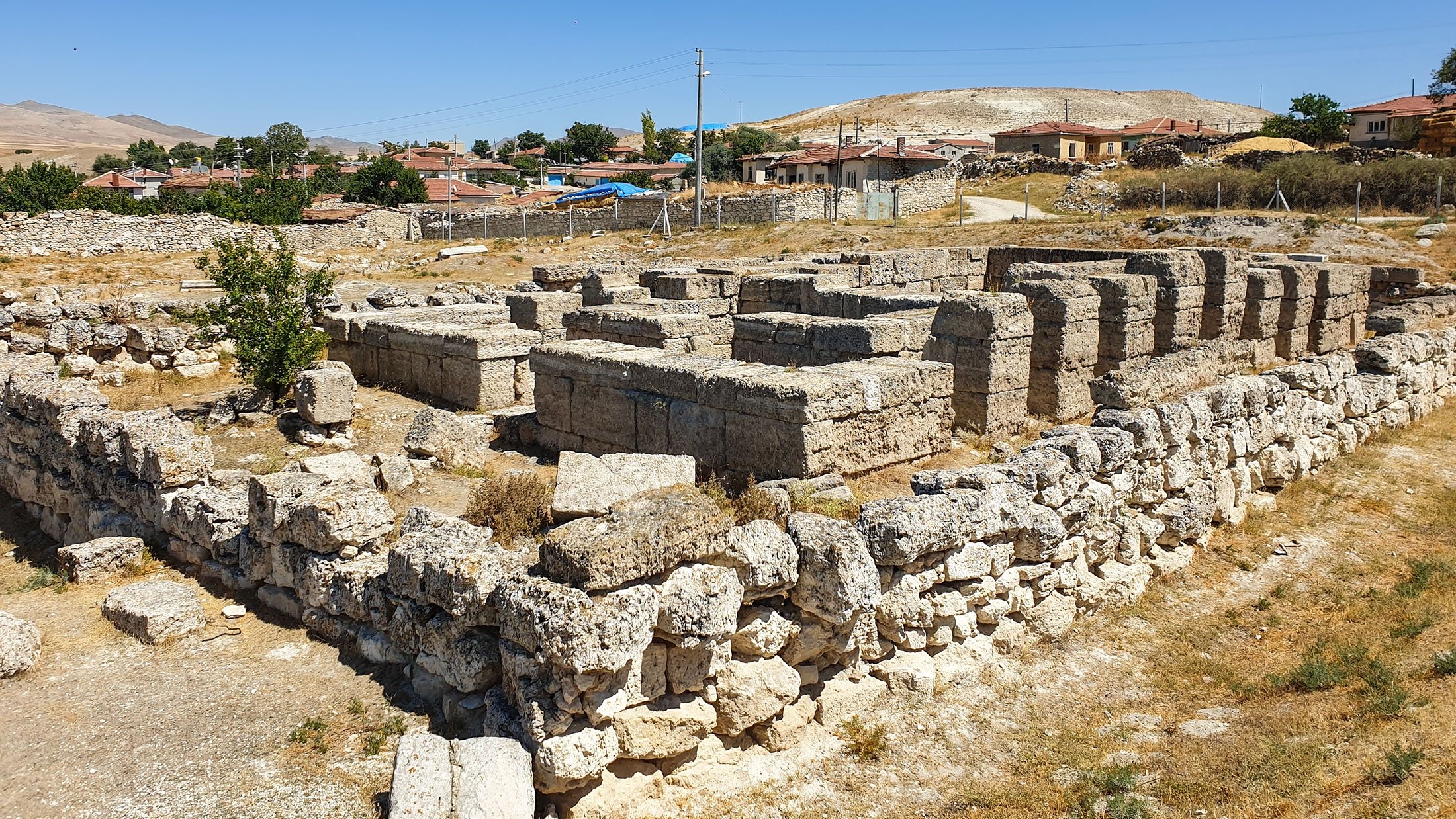
The temple at Pessinus. (Photo by Argun Konuk)

Getting to Pessinus

After we bid farewell and parted ways, I drove about 10 minutes and reached the ruins of the ancient city. Although there is no security in the ancient site of Pessinus, the overall tourism organization of this small Anatolian village is very impressive. At every ancient spot, you can find signboards providing detailed information both in Turkish and English.

The roads are in perfect condition until Ballıhisar. However, the dirt roads in the village might be a little challenging for standard vehicles. Please note that visiting Pessinus is free of charge.

Although the site seemed to be open 24/7, I would still suggest you come here between the regular working hours, which are 9 a.m. to 5 p.m.

A quick overview

In the Phrygian era, Pessinus was an important cult center for the goddess Cybele (Kybele). The settlement lived its golden age during the reign of Roman Emperor Augustus I (27 B.C.-A.D. 14). Pessinus started to decline in the A.D. ninth century and subsequently was completely deserted.

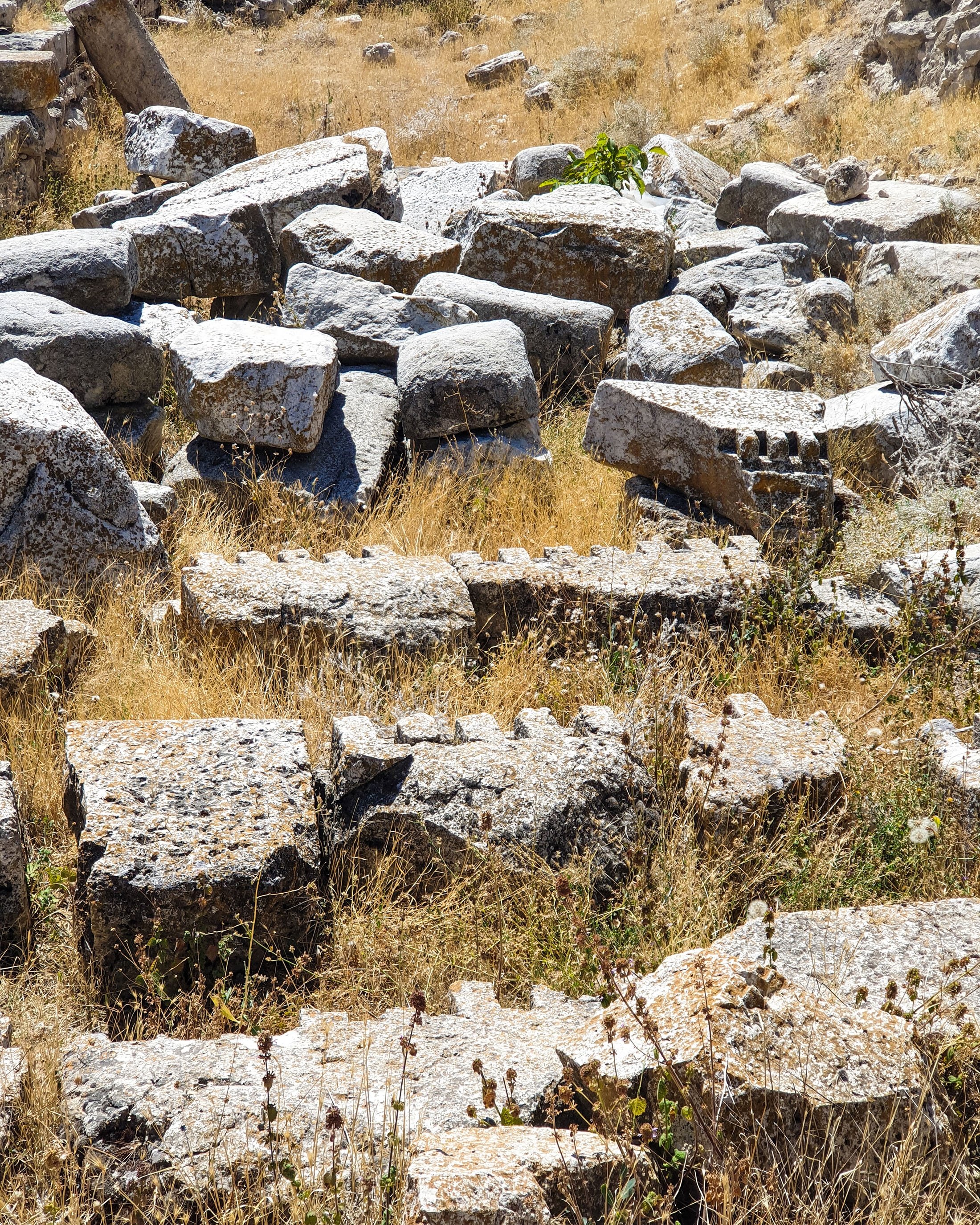
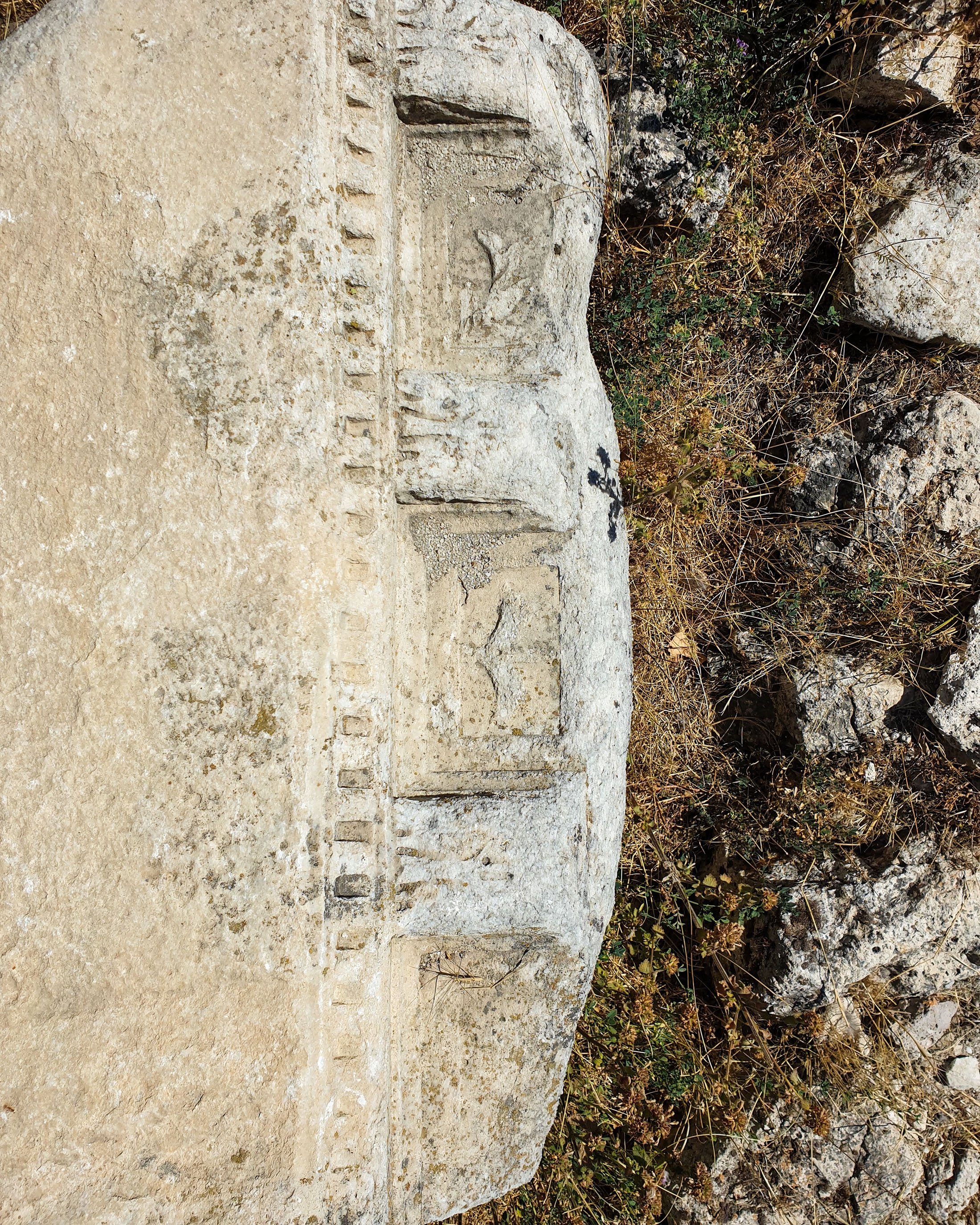
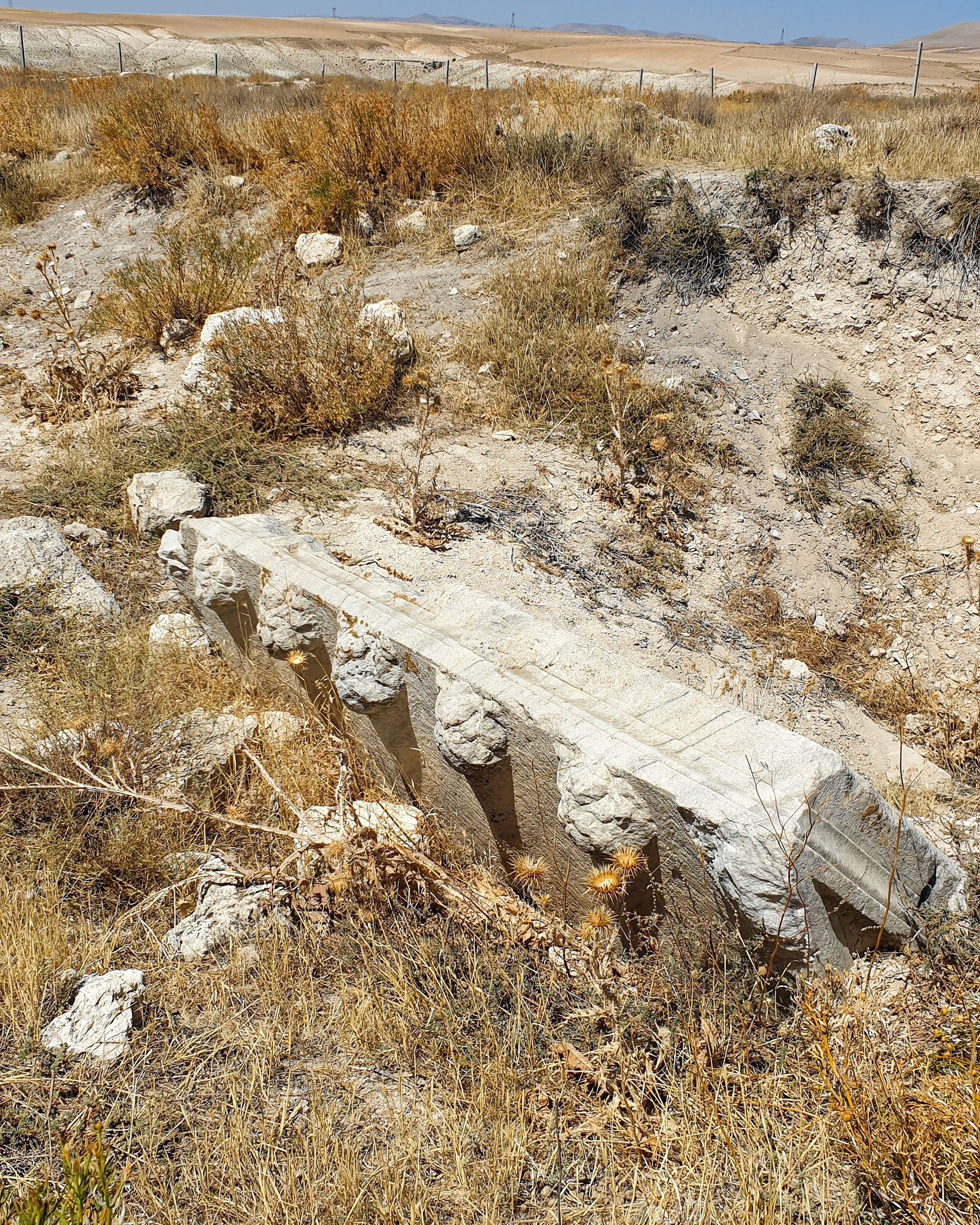
Architectural fragments in Agora at Pessinus. (Photo by Argun Konuk)
A broken piece of ancient pottery on the mysterious field. (Photo by Argun Konuk)

Exploring Pessinus

The signboards to Pessinus are abundant on the way, so you do not need any online map service to reach the site if you are coming from Sivrihisar. Though if you are planning to get to Pessinus from a different spot, I suggest you use a GPS. The location of Pessinus is marked accurately on Google Maps. As long as you follow the GPS, you will be fine. The other option is to drive all the way to Ballıhisar and ask a local for directions.
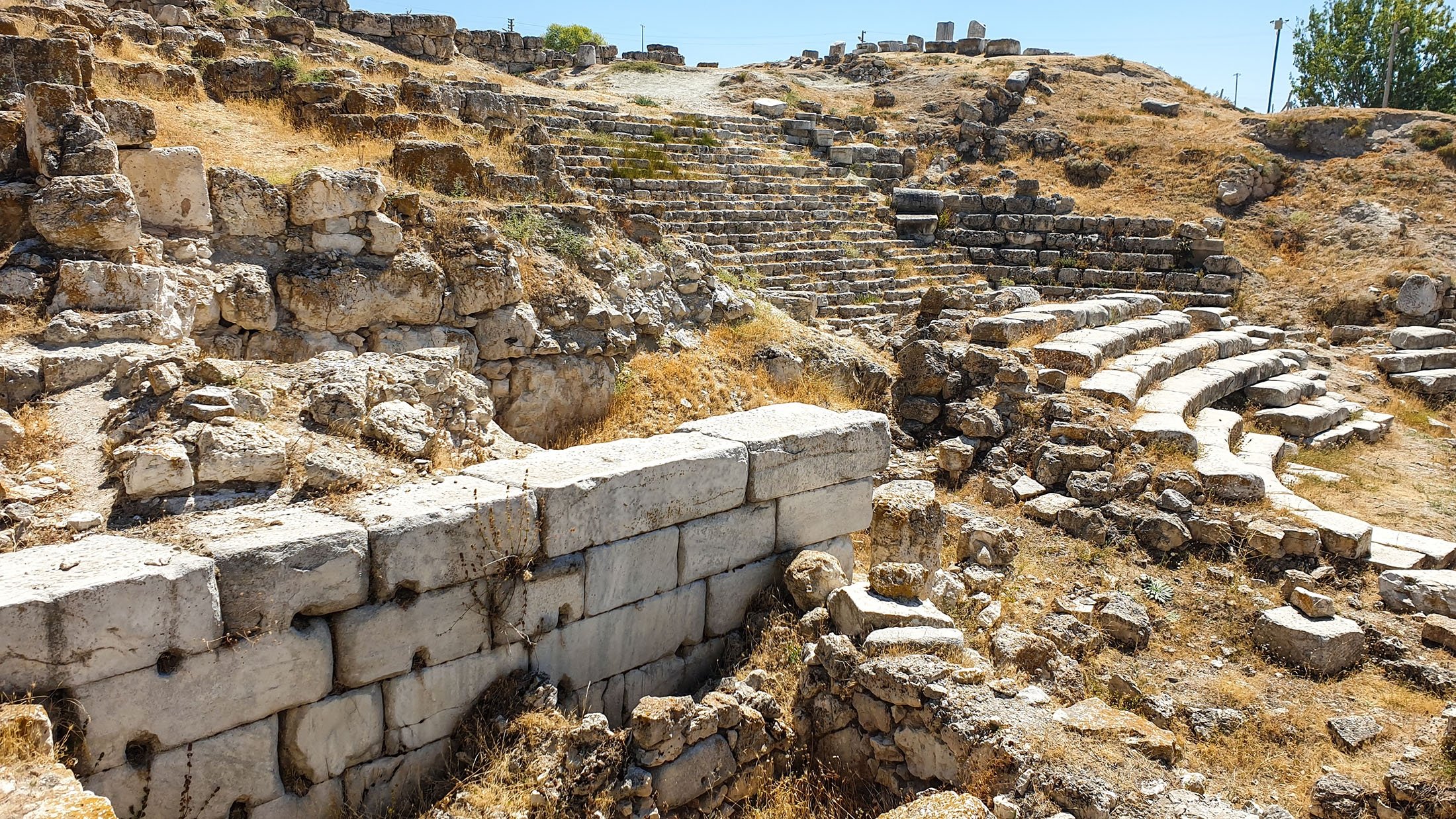
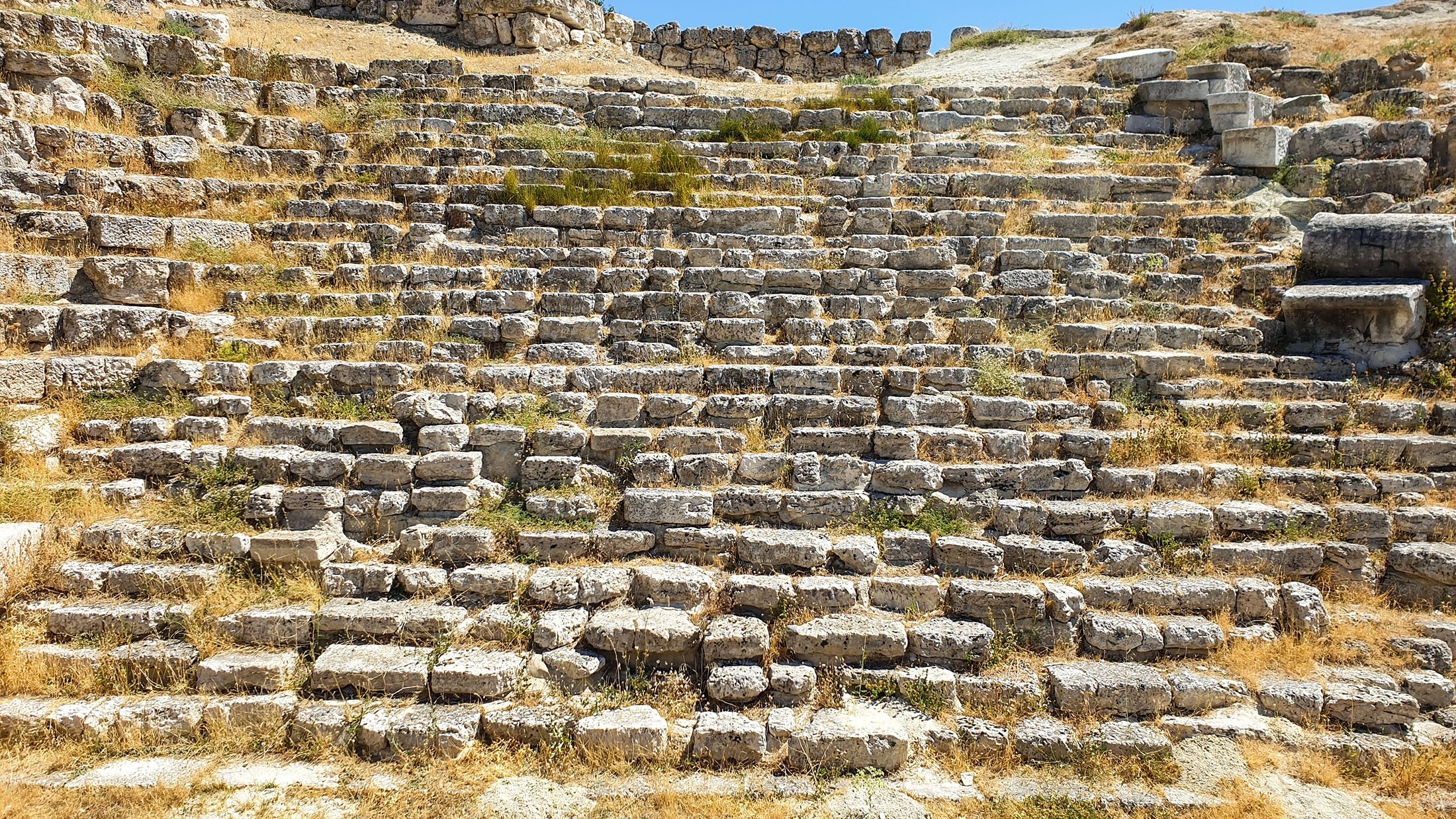
  • Gallos River Canal System: Right at the entrance of the village, the first ancient structure that welcomed me was the Gallos River Canal System. This seven-stepped canal system was built during the Roman Imperial Period (27 B.C.-A.D. 476) by the order of Augustus I. The canal was used to acquire fresh water and distribute it to the various parts of Pessinus. Sadly, the ruins of the canal are heavily polluted with rubble and trash, yet it is still a fascinating site.
  • The temple: This Corinthian-style temple was constructed by Roman Emperor Tiberius. The cyclopean stone blocks used to build this temple allude to the advanced masonry of Roman architecture. This temple is the largest ruin in Pessinus and the first structure you will see once you arrive at the main excavation site. After entering the temple through the main gate, you can see the square room, the most sacred part of the temple, located at the center where cultic statues were placed.

    The ruins of Pessinus in Eskişehir
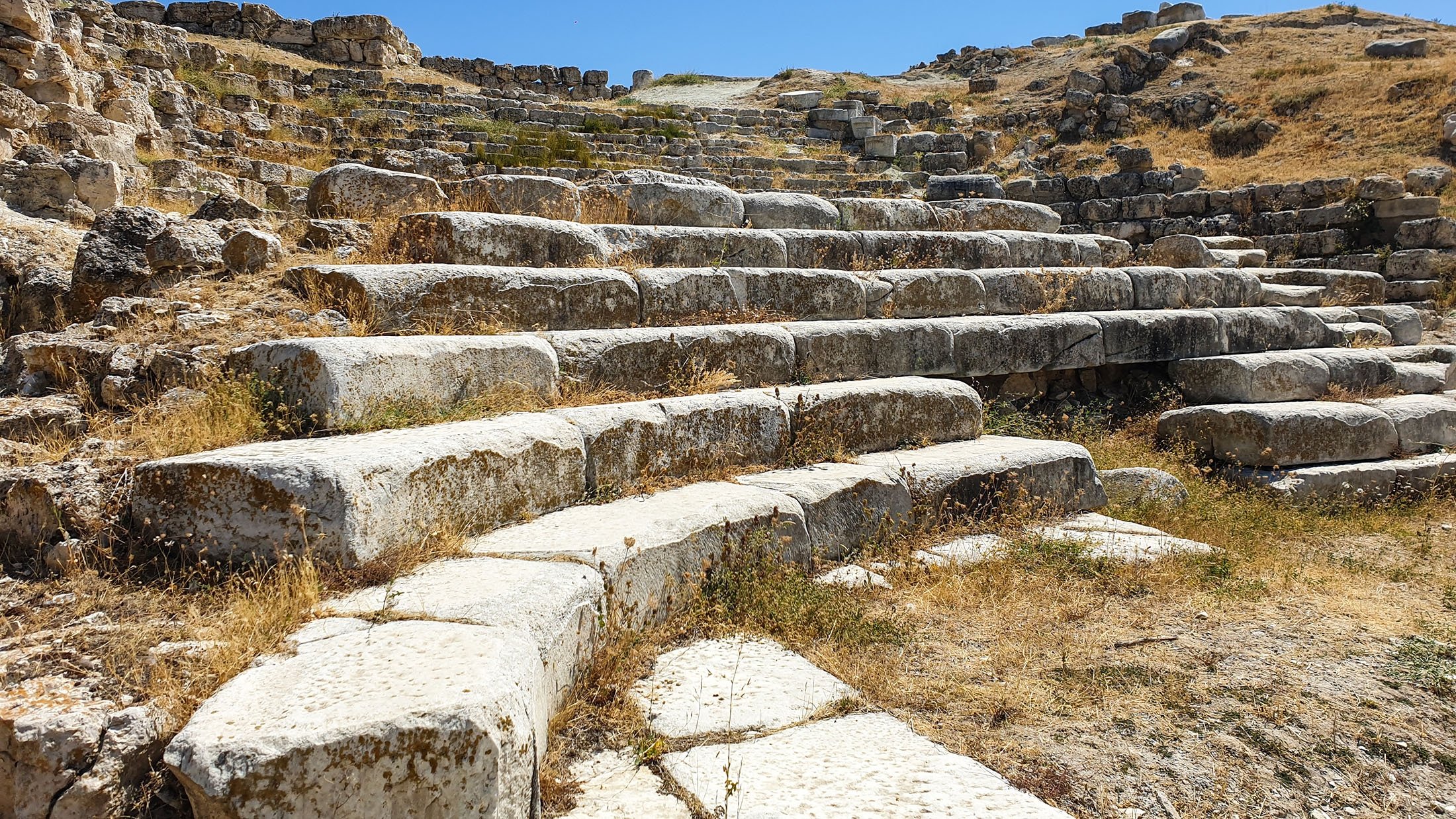
    The ancient theatre at Pessinus. (Photo by Argun Konuk)

  • The ancient theater: This was the place where plays, religious events and entertaining shows were held when Pessinus was an active settlement. The theater also functioned as a set of stairs that connected the lower and upper parts of Pessinus.
  • Bouleuterion: A bouleuterion was the council house or senate house where civil and public affairs were discussed in ancient Greece. Pessinus’s bouleuterion is also called the “Theater of Severus” on account of it having been built during the era of the Roman imperial dynasty of the Severans, who ruled the empire for about four decades.
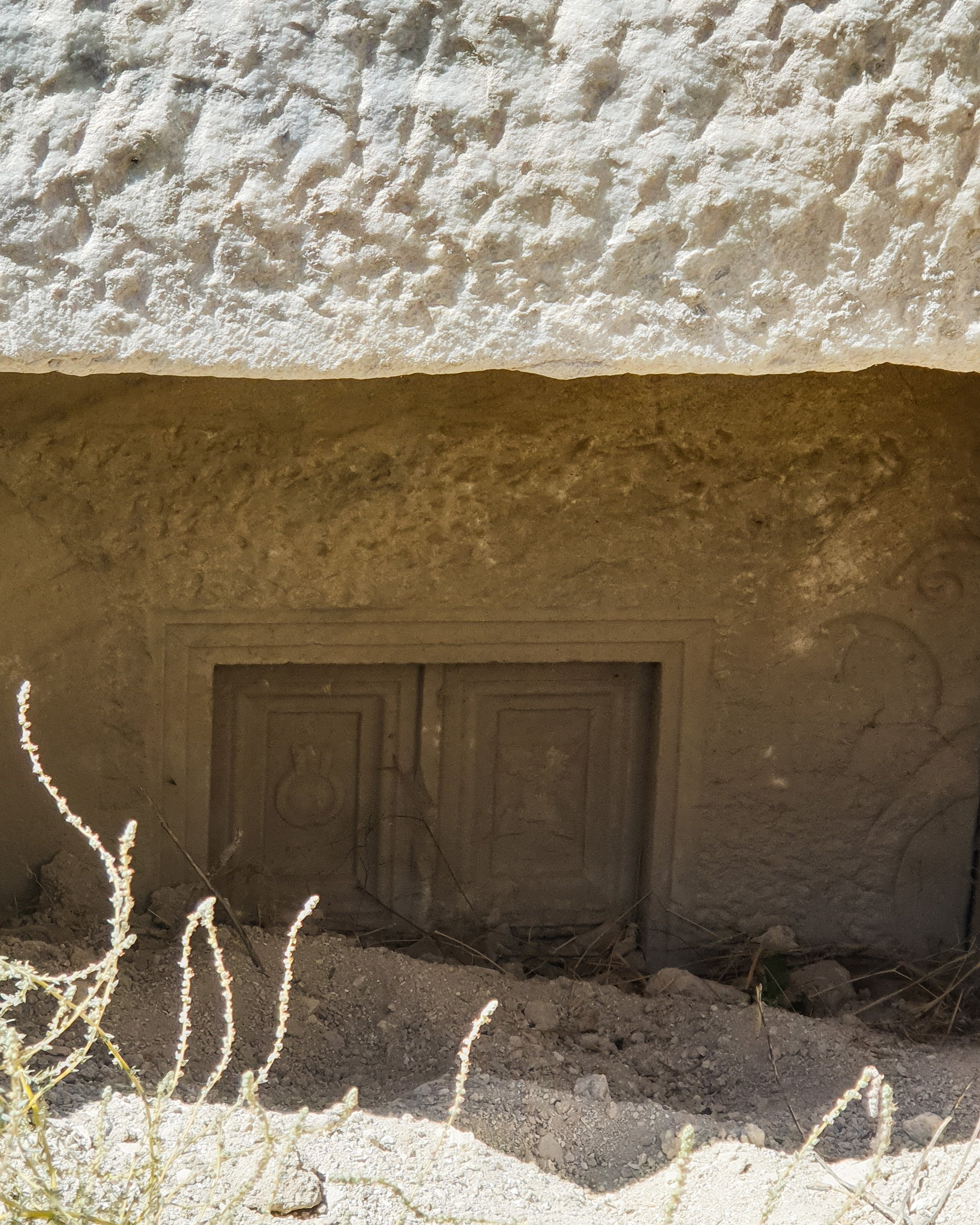
  • Agora: The agora of Pessinus was the city’s open-air public space that was the center of daily life, commerce affairs and public events. I marveled at the well-preserved architectural fragments, with stunning ornaments and text carved on them, scattered over the agora. If these ruins are that intact even after millenniums, I cannot imagine how amazing Pessinus looked when it was a fully occupied site.

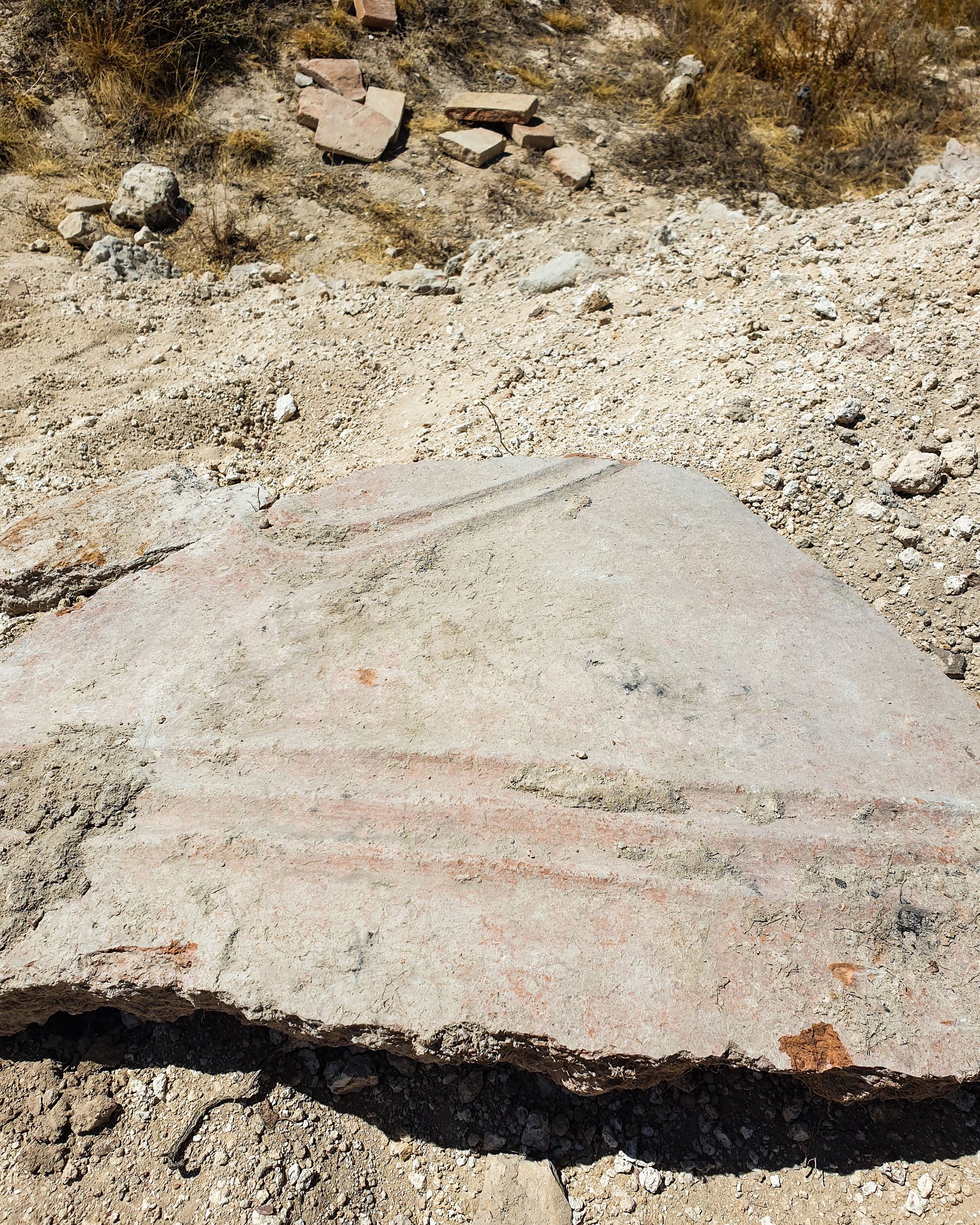
The lid of a sarcophagus on the mysterious field. (Photo by Argun Konuk)
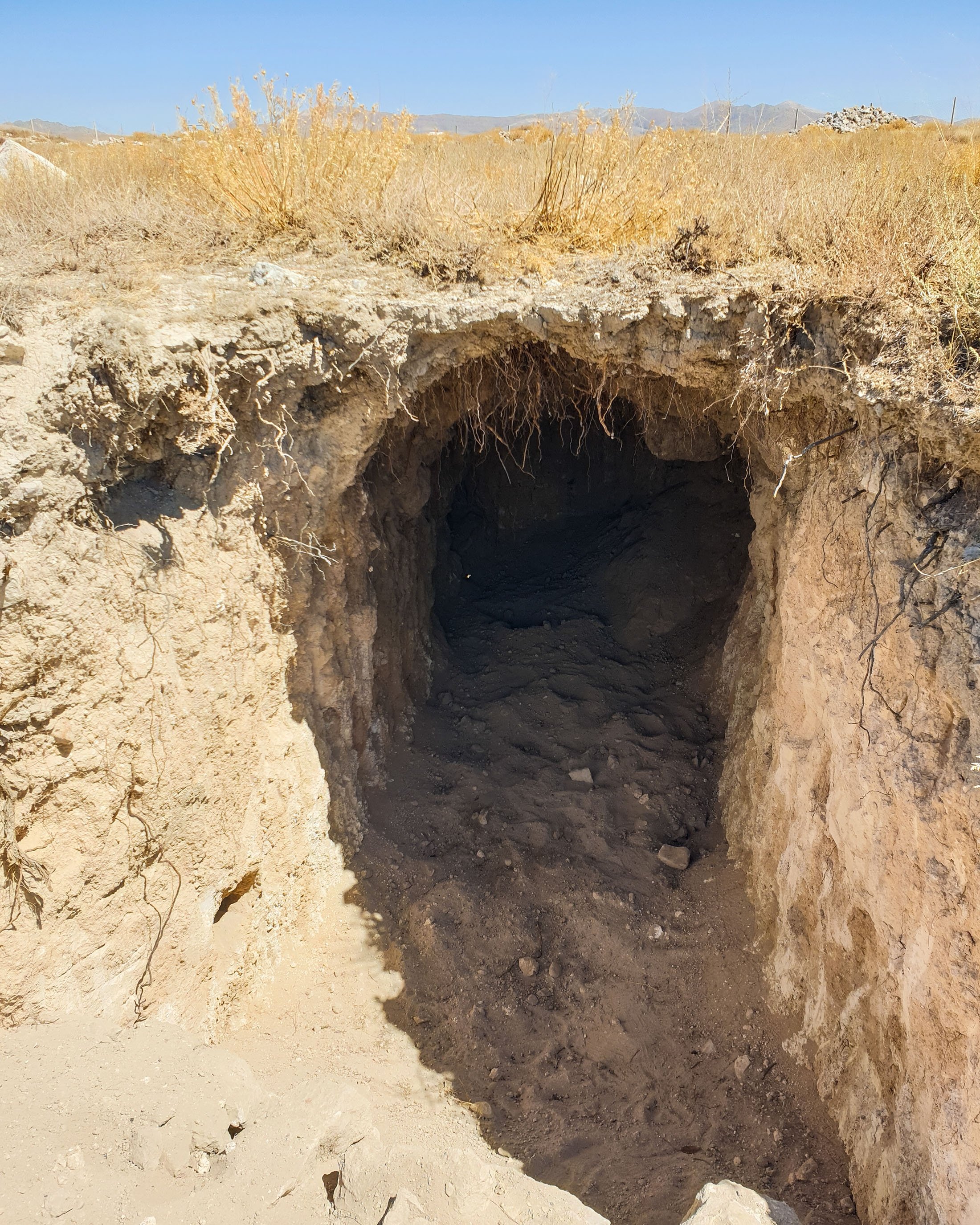
A grave dug by the treasure hunters on the mysterious field. (Photo by Argun Konuk)
A grave stele on the mysterious field. (Photo by Argun Konuk)
A burial chamber half buried under the soil on the mysterious field. (Photo by Argun Konuk)

The mysterious site

Feeling happy after exploring a very intriguing ancient city, I set off to return to Ankara. A field on a not-so-high hill that was surrounded by barbed wires caught my eye on the side of the road, literally just before the entrance to the village of Ballıhisar.
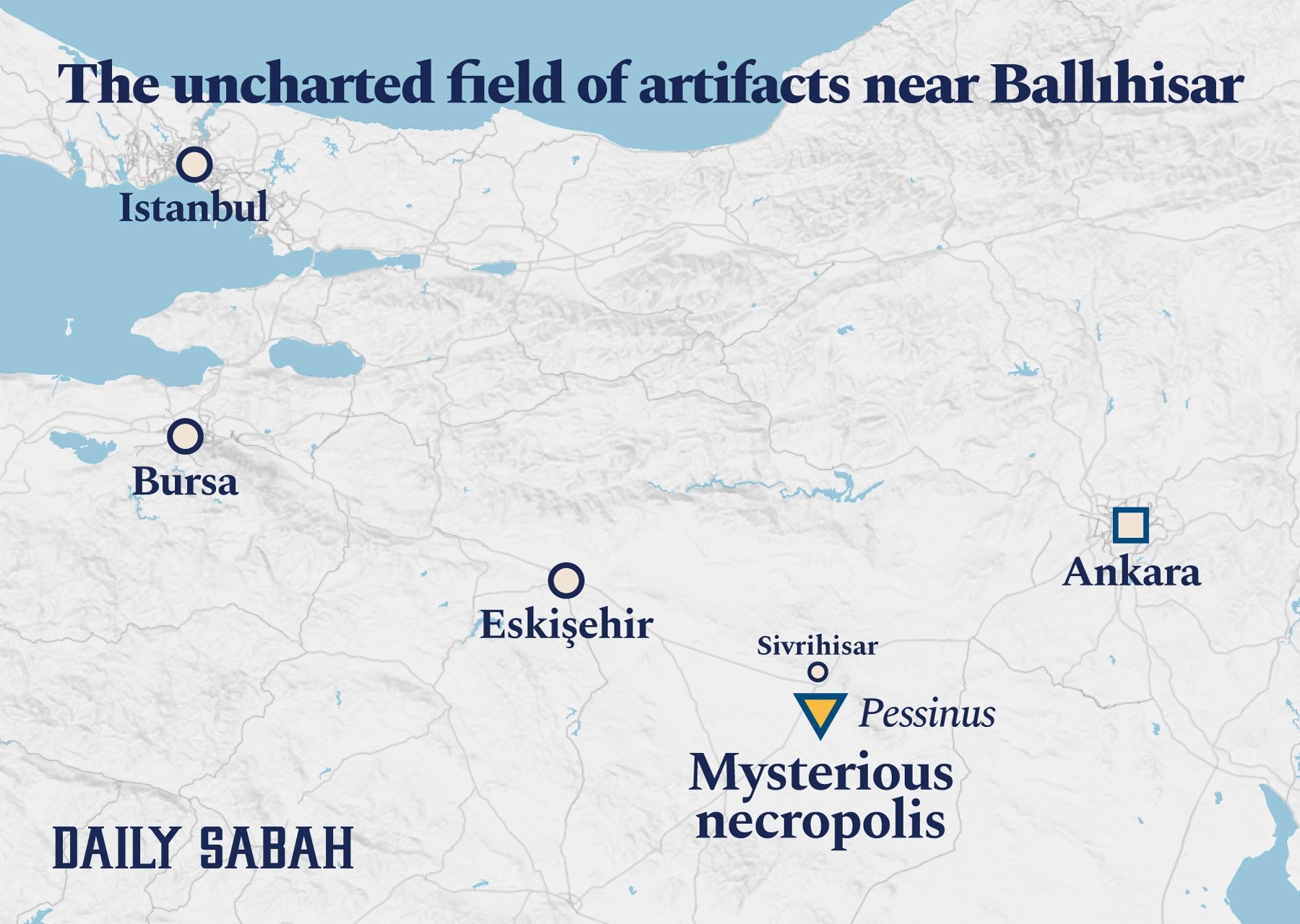
The mysterious necropolis' coordinates are 39.338851, 31.584014. (Infographic by Daily Sabah)

First, I thought, "It's probably nothing." Then I changed my mind and decided to take a look and could not believe my eyes. There was a plain field with many sarcophagi, grave steles and marble slabs with ancient inscriptions on them. Since there were no signboards indicating that the area was private property or an excavation site, I ventured in. My previous experience as a traveler in ancient sites made me think that this place must be a necropolis but a very poorly maintained one.

Not too long afterward, I realized the area must have been desecrated by treasure hunters like the ones Mehmet had spoken of. Even though there were still some unharmed artifacts, I saw many deep holes dug by the treasure hunters, pottery pieces and even bones of the owners of the ancient graves strewn around.

Since this mysterious necropolis is unmarked on online maps, I'll share the coordinates with you: 39.338851, 31.584014.

If you happen to pass near Pessinus, you should definitely see this ancient city. Its remote and far-from-the-crowd state will ensure you a safe and joyful visit. Turkey is full of history; the only duties we have are to protect the sites and enjoy the heritage we are surrounded by.

  • shortlink copied
  • Last Update: Feb 19, 2021 4:14 pm
    KEYWORDS
    unboring travels pessinus ancient cities of turkey eskişehir sivrihisar
    The Daily Sabah Newsletter
    Keep up to date with what’s happening in Turkey, it’s region and the world.
    You can unsubscribe at any time. By signing up you are agreeing to our Terms of Use and Privacy Policy. This site is protected by reCAPTCHA and the Google Privacy Policy and Terms of Service apply.
    No Image
    Major snowstorm blankets New York, Northeast US
    PHOTOGALLERY
    • POLITICS
    • Diplomacy
    • Legislation
    • War On Terror
    • EU Affairs
    • News Analysis
    • TÜRKİYE
    • Istanbul
    • Education
    • Investigations
    • Minorities
    • Diaspora
    • World
    • Mid-East
    • Europe
    • Americas
    • Asia Pacific
    • Africa
    • Syrian Crisis
    • İslamophobia
    • Business
    • Automotive
    • Economy
    • Energy
    • Finance
    • Tourism
    • Tech
    • Defense
    • Transportation
    • News Analysis
    • Lifestyle
    • Health
    • Environment
    • Travel
    • Food
    • Fashion
    • Science
    • Religion
    • History
    • Feature
    • Expat Corner
    • Arts
    • Cinema
    • Music
    • Events
    • Portrait
    • Performing Arts
    • Reviews
    • Sports
    • Football
    • Basketball
    • Motorsports
    • Tennis
    • Opinion
    • Columns
    • Op-Ed
    • Reader's Corner
    • Editorial
    • Photo gallery
    • DS TV
    • Jobs
    • privacy
    • about us
    • contact us
    • RSS
    © Turkuvaz Haberleşme ve Yayıncılık 2021