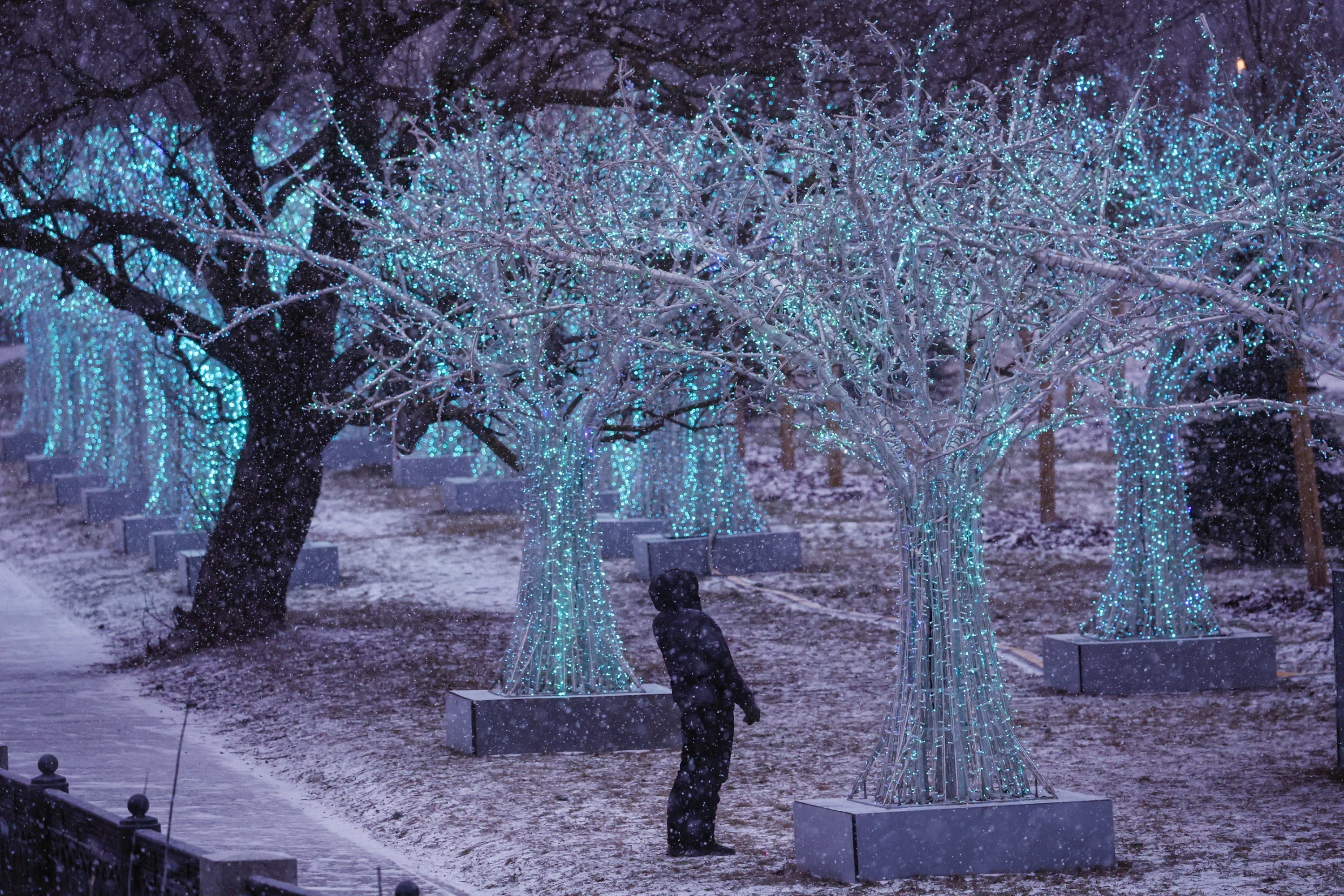
As 2026 approaches, global New Year's travel habits are changing. Glittering fireworks and over crowded city squares are no longer the ultimate celebration. Today's travelers seek meaning over noise, rituals over random cheers and moments of renewal over just midnight fireworks.
From ice bath ceremonies in Iceland to desert drumming under the starry skies of Morocco, global celebrations are moving away from crowded boulevards and toward nature, spirituality, wellness and quiet luxury. In fact, the new travel motto for the coming new year seems simple but powerful: “Don't just celebrate. Reset.”
For decades, iconic locations such as Times Square, the Champs-Elysees in Paris, and the fireworks on the banks of the Thames in London have been the dream destination for many people. But Generation Z and millennials are now actively avoiding these crowded spectacles. After a decade marked by anxiety, burnout, digital stress and inflation fatigue, they prefer experiences that feel personal, mindful and restorative.
This shift also reflects a deeper global mood: modern life already feels crowded. People long for space – physically, emotionally and even spiritually.
The most striking trend of 2026 is the rise of “cold rituals.” Travelers from Singapore, Dubai and Southern Europe are deliberately flying to snow and ice to start their new year with a cleansing shock.
Iceland, Finland and Norway are leading the way in this new travel movement. Guests rise early to jump into ice-cold water, participate in guided sauna meditations, go on Arctic hikes and watch the Northern Lights. Hotels now offer “freeze and reset” packages that combine breathing exercises, geothermal pools, herbal soups and even “silence dinners” where no one speaks until midnight.
It's not just about adventure. It's about symbolic cleansing in ice-cold water, a ritual “rebirth” to welcome the new year.
On the other end of the spectrum are the warm deserts. Countries such as the United Arab Emirates, Jordan and Morocco are redefining New Year's celebrations with fire drums, desert techno, camel parades, astronomical shows and stargazing without light pollution.
Instead of busy fireworks in the city, desert celebrations offer a spectacular natural spectacle: shooting stars, moon phases, campfires, sandstorms, cosmic silence.
Premium glamping sites now offer private chefs, telescope butlers, sustainability workshops and sunrise rituals.
This is luxury, but with heartbeat – and without waste.
In Kyoto, Japan, the new year begins with 108 bell strikes in Buddhist temples, each one symbolizing the release of a worldly desire. In South Korea, the celebration starts with sunrise hiking on snowy mountains. In Thailand, eco-friendly lantern ceremonies replace fireworks, reflecting sustainability and spirituality. Many of these celebrations are not commercial events but cultural calls for inner cleansing, gratitude and quiet reflection.
2026 marks the year travelers are choosing not to go somewhere loud – but somewhere wise.
The quiet-luxury movement continues to dominate global hospitality. During the New Year's holiday, destinations focusing on serenity rather than excess are growing dramatically.
Seychelles and the Maldives offer “no-music beaches” for midnight reflection.
Bodrum, Türkiye – a summer hot spot – is now positioning itself as a winter slow-luxury escape with boutique wine experiences, private chef dinners, spa rituals and storm-watching lounges.
The Canary Islands serve the sun in January with hiking, volcanic hot springs and barefoot beach countdowns.
Quiet is officially the new rich.
Another notable trend is that alcohol-free New Year's events are now cool, not conservative. Tokyo holds tea ceremonies at midnight, Tulum hosts cacao rituals under the moon and Bali offers sound-healing countdowns and breathwork parties.
These celebrations do not judge alcohol; they simply prove that meaningful joy doesn’t require it.
People want to remember the first sunrise of the year – clearly.
More travelers are refusing to leave their animals behind. The global pet-travel economy now influences hotel architecture, airline regulations and service concepts. New Year's packages include paw-friendly menus, dog yoga sessions, fireworks-free zones and even pet-concierge services.
In luxury hotels across Europe, North America and Southeast Asia, pets are no longer tolerated guests – they are celebrated ones.
Reykjavik stands out for its icy New Year traditions paired with the magic of the northern lights, while Kyoto welcomes the year with temple bells and centuries-old spiritual cleansing rituals.
In the Dubai desert, luxury glamping meets cosmic light shows under vast open skies, whereas Wadi Rum offers a more raw experience with stargazing, bonfires and rhythmic desert drums.
Finnish Lapland attracts travelers seeking sauna meditation followed by polar light displays, and Bali’s Ubud region appeals to those embracing cacao ceremonies and sober, mindful celebrations.
Bodrum has emerged as a winter quiet-luxury escape, trading summer crowds for calm elegance, while the Canary Islands promise sun-filled days and barefoot beach beginnings to the year.
In Seoul, locals and visitors hike at dawn to witness the first sunrise of the year, a tradition symbolizing renewal, and in Tulum, the New Year unfolds with moon rituals and eco-conscious parties that blend spirituality with sustainability.
2026 predicts a world where New Year's celebrations grow more sustainable, mindful and symbolic. Drone shows will replace fireworks, zero-waste parties will trend globally, and wellness will become the new form of entertainment.
Because the global traveler no longer wants just a celebration. They want meaning.