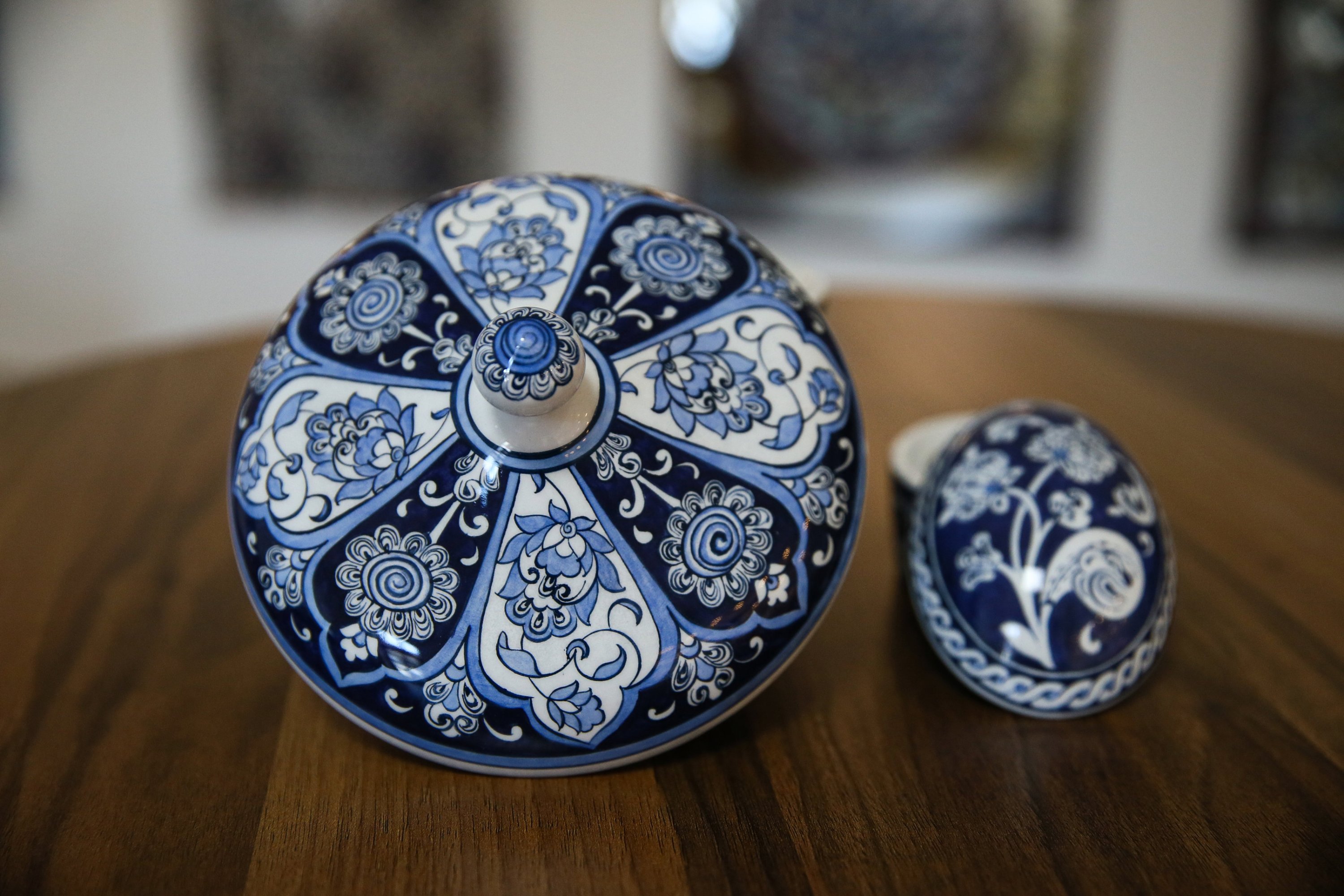
A company founded 23 years ago in the Iznik district of Bursa, Türkiye, has been promoting Iznik ceramics worldwide through research and development, design and restoration projects.
Established by three partners and employing 20 people, the firm has contributed Iznik tiles to the restoration of historically significant sites such as Al‑Masjid an-Nabawi (The Prophet’s Mosque), the Sultan Ahmed Mosque (the Blue Mosque), the Green Tomb in Bursa, the Eyüp Sultan Tomb, Erzurum’s Twin Minaret Madrassa and Sivas’ Gökmedrese (the Celestial Madrassa).
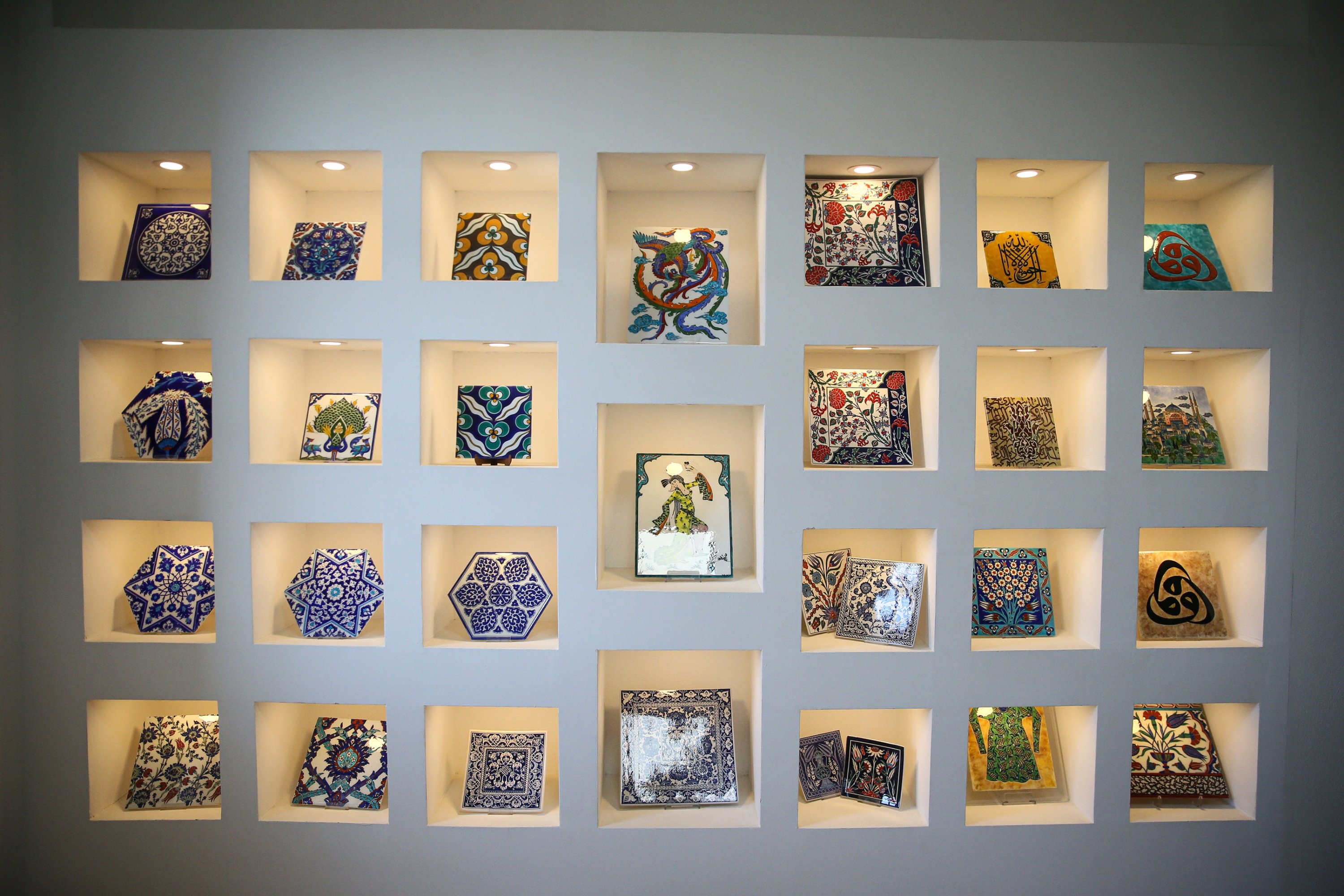
Beyond classical forms like tiles, vases and plates, the company has expanded the use of Iznik ceramics to molded “evani” bowls, decorative objects, jewelry boxes, coffee cups, coffee-making apparatus and spoons. The firm also produces replicas of Iznik ceramics displayed in world-renowned museums and collaborates with artists and brands on notable projects.
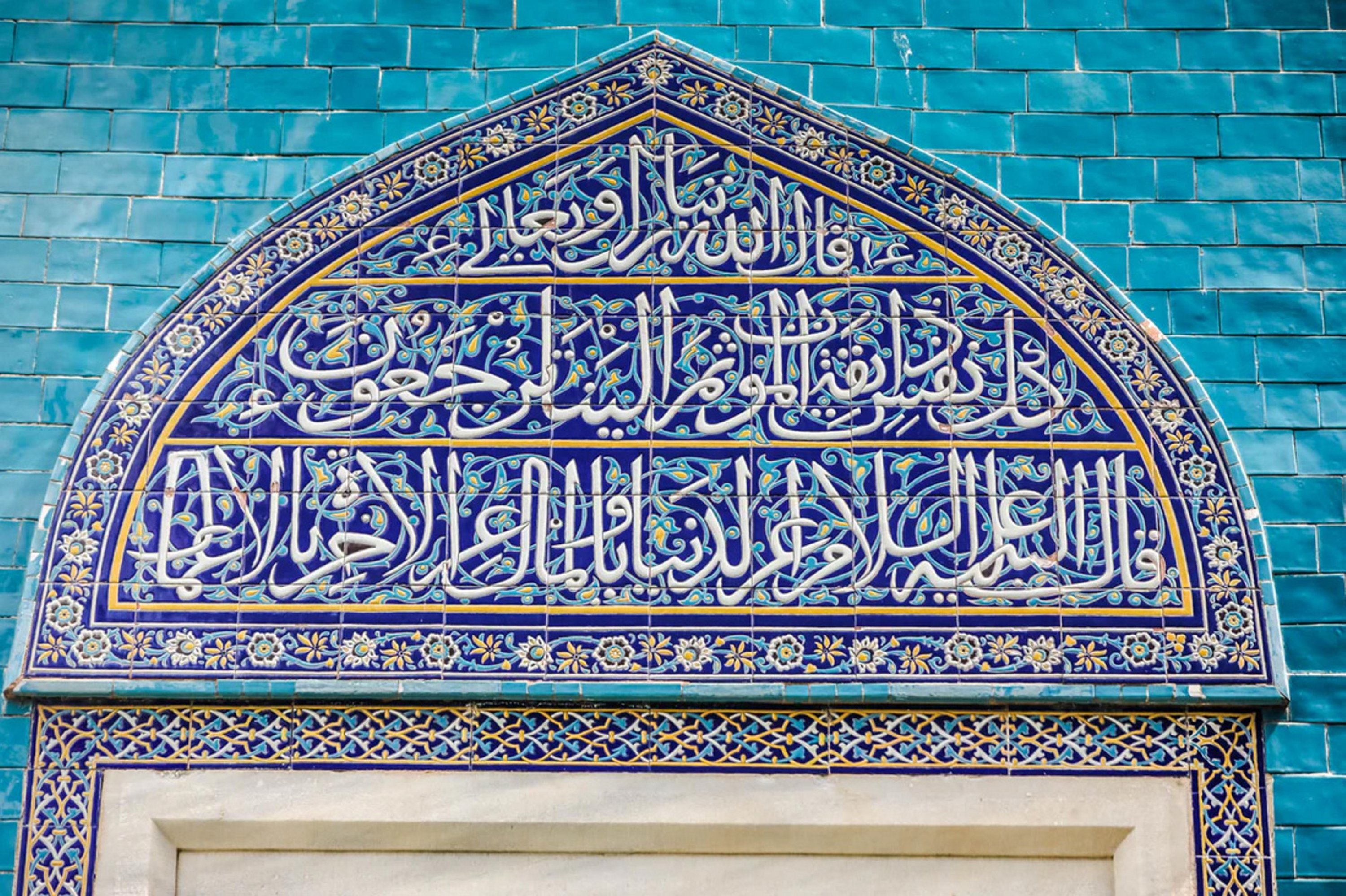
Adapting traditional Iznik ceramic formulas for contemporary use, the company exports lead-free, tableware-friendly ceramics to Denmark, the Netherlands, Italy, the United Kingdom and the United States.
Mahmut Çalışkan, 63, co-founder and technical director of "Iznik Mavi Çini," told Anadolu Agency (AA) that he works in the company’s R&D department, developing formulas for bodies, glazes, underglazes and paints.
A trained mining technician, Çalışkan said the company’s strong technical infrastructure has been crucial to its success. Over the years, through research and experimentation, he has been able to advance his work.
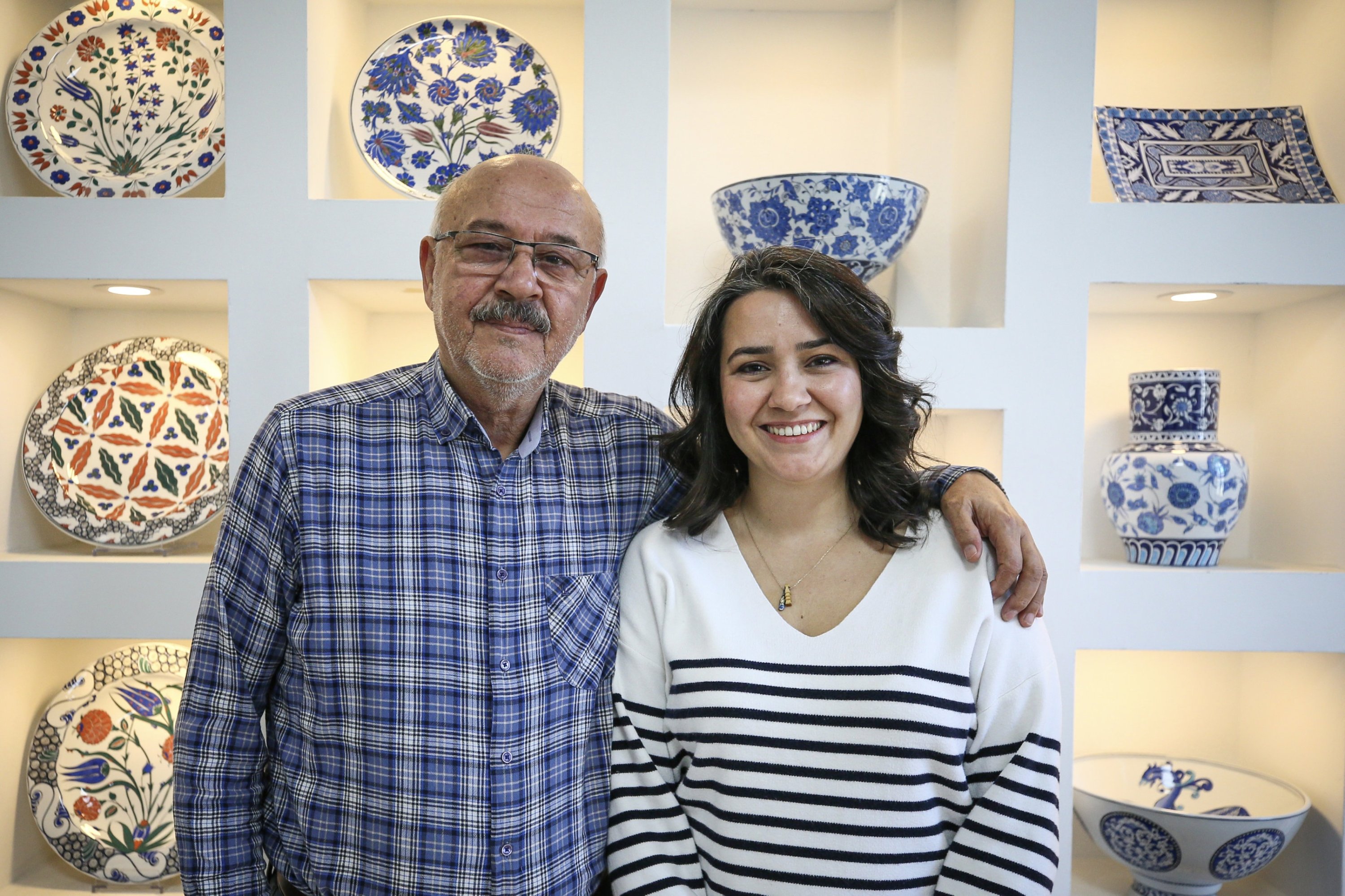
“This has allowed us to participate in significant restoration projects,” Çalışkan said. “What motivates us most is producing restoration ceramics that match historical pieces at risk of deterioration. For example, the tiles of Erzurum’s Twin Minaret Madrassa. We analyze the chemical composition and textures, then create a formula. The recipe we apply is compatible with classic 15th-century Iznik ceramics, but we also respect the material characteristics of earlier centuries, such as 12th-century red clay. A selection committee then compares our products with the originals and evaluates them, guiding our production.”
Çalışkan recounted that the company was invited in 2020 to restore Al‑Masjid an-Nabawi. The team first traveled to Medina for an on-site evaluation and then successfully completed production and restoration.
His daughter, Ceren Çalışkan Eken, 33, has worked as the company’s marketing specialist for five years. Çalışkan emphasized the importance of passing the art to future generations. “One of our biggest goals is to transfer this craft from generation to generation. Other partners’ children chose different careers, but my daughter and I are continuing the legacy,” he said.
Eken, who studied business administration and later earned a master’s in marketing and brand management, returned to Iznik after gaining experience in Istanbul. “I realized I could be happier dedicating my energy to Iznik Mavi Çini and staying in Iznik. The creation and development of formulas, restoration projects and being part of my father’s team were key factors,” she said.
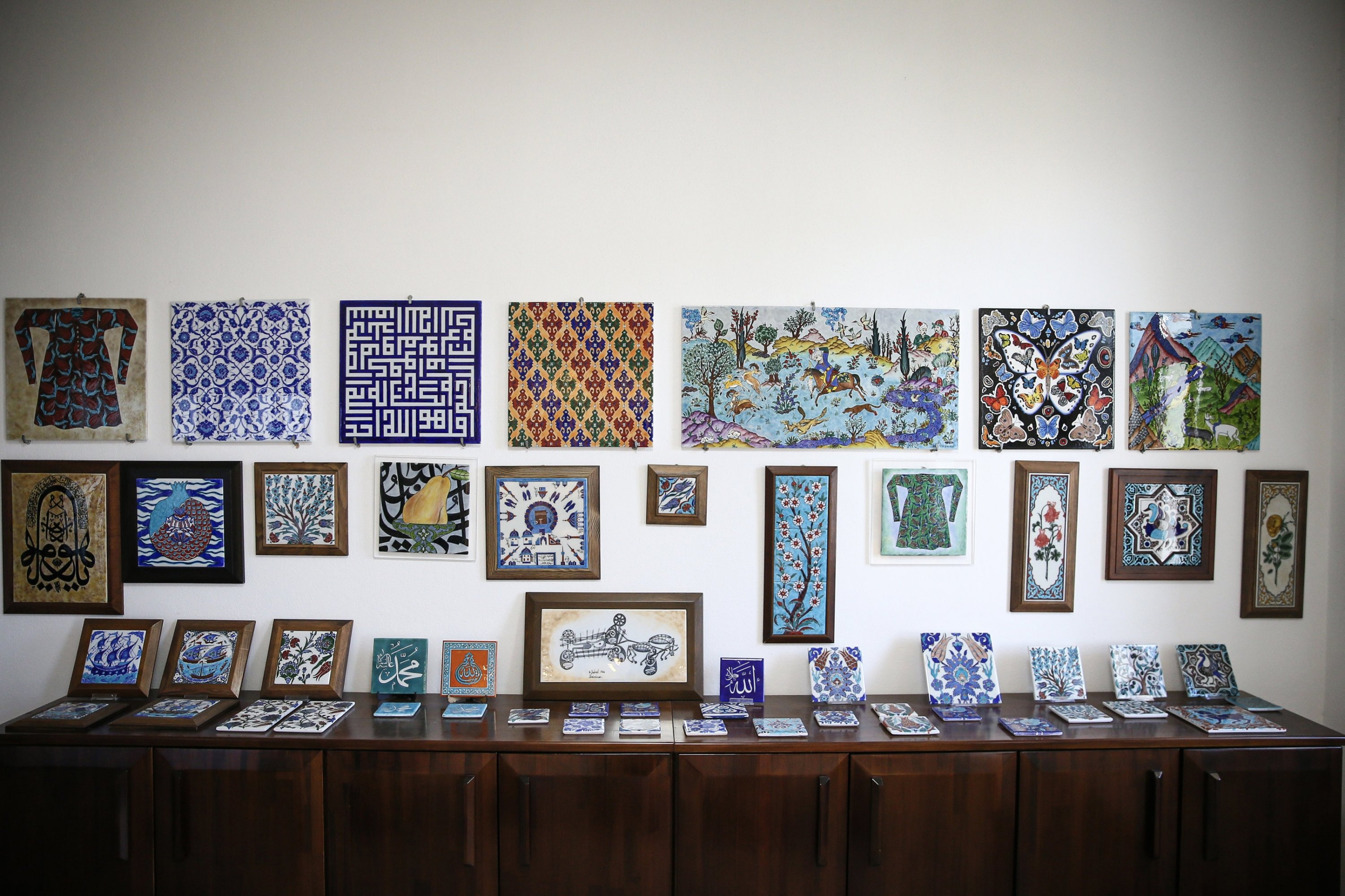
She stressed that Iznik ceramics are among Türkiye’s most important crafts on the international stage, noting that they are displayed in famous museums and sold at high prices in auctions.
“We are proud to be part of a team preserving this valuable tradition and to continue my father’s legacy as a co-founder,” she said. “We are leaving a permanent mark on the world.”
Eken added that the company produces both replicas of Ottoman-era ıznik ceramics and new forms adapted for the 21st century, exporting lead-free, tableware-friendly ceramics to Denmark, the Netherlands, Italy, the U.K. and the U.S.
“Our goal is not only to recreate historical tiles but also to integrate Iznik ceramics into daily life, using Turkish motifs in collaborations with quality brands. We aim to make İznik ceramics accessible in museum shops worldwide,” she said.