The United States announced on Sept. 30 that it had withdrawn its troops from Iraq, although most U.S. forces had already left the country. Washington and Baghdad had begun discussions on the complete withdrawal of American troops from Iraq in September 2024. Then U.S. President Joe Biden announced that he would end the U.S. military presence in Iraq by 2026. The withdrawal continued during the Trump Administration. One of the main air bases in Iraq, al-Asad Air Base, located in the central governorate of Anbar, was fully transferred to the Iraqi central government in January 2026, just weeks before the U.S.-Israel-Iran War started at the end of February.
During the newly elected Iraqi Prime Minister Ali al-Zaydi’s visit to the U.S., the two countries reaffirmed that all remaining American military forces would withdraw from the country by Sept. 30. As agreed, the final step in the process was taken in September 2026, bringing the withdrawal process to an end. Only a small number of U.S. troops, responsible for protecting U.S. diplomats serving in the country, remained.
This withdrawal is a significant development with important regional repercussions. First of all, this move marks the end of the U.S.-led military mission in Iraq. Therefore, this signifies the end of American hegemony in the region, which largely started with the U.S. invasion of Iraq in 2003. That invasion was a unilateral action led entirely by the United States, without the backing of either NATO or the United Nations. Many observers viewed the subsequent withdrawal as a defeat for the U.S.’ regional ambitions.
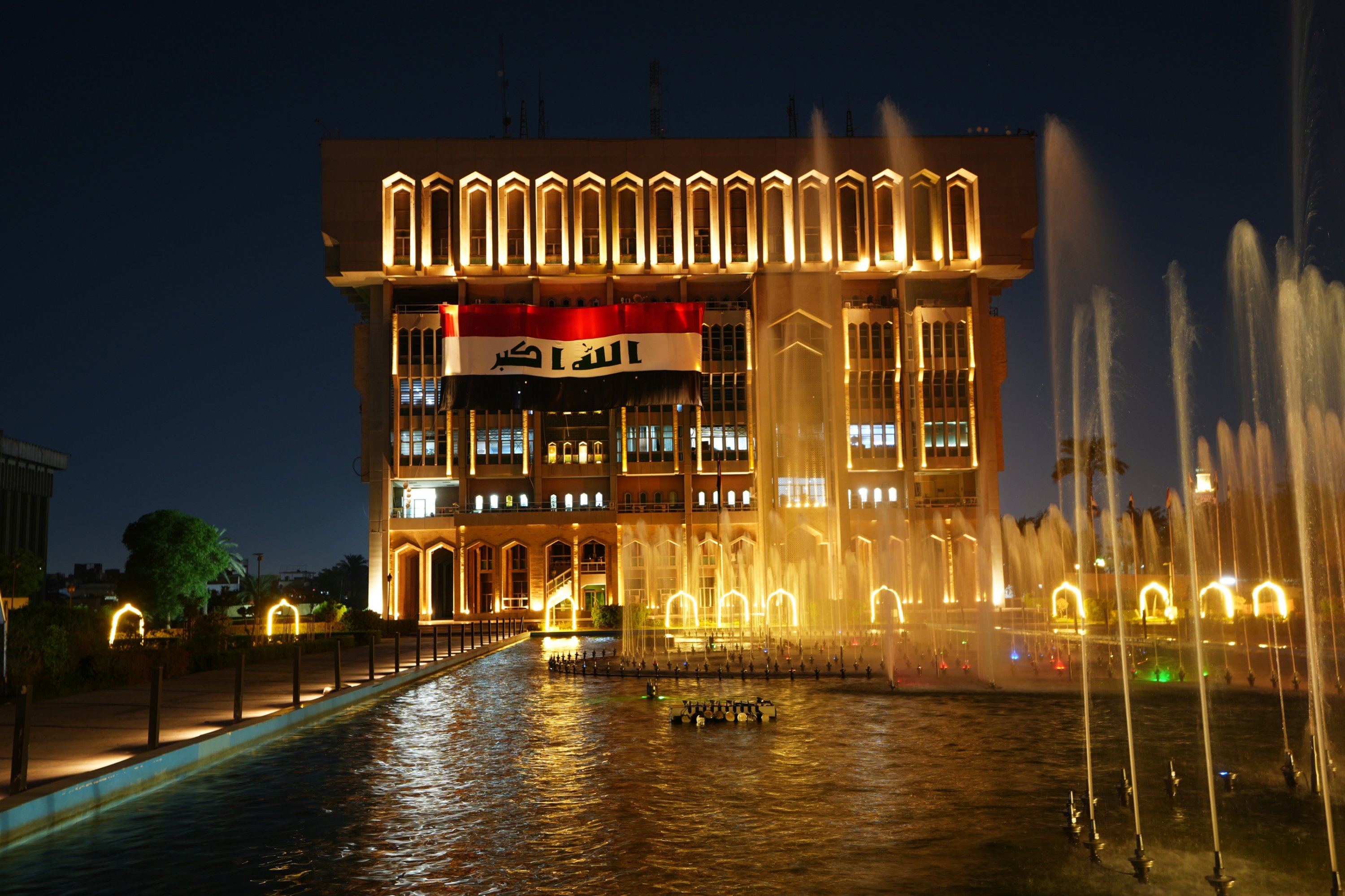
It is a turning point for Iraq as well. The Iraqi government announced that Sept. 30 will be celebrated as a national holiday, Iraq’s Sovereignty Day, marking the end of American military presence in the country. The government declared a four-day holiday from Sept. 30 till Oct. 3, the Iraqi National Day. The withdrawal of foreign military forces from the country was viewed as the full realization of national sovereignty.
The withdrawal was welcomed by Iran-backed armed and political groups, as they saw the departure of U.S. forces as an opportunity to expand Iranian influence in the country. However, given Iran’s weakening following U.S. and Israeli attacks, it appears increasingly unlikely that Iran will be able to use the Iraqi government as a proxy anymore. That is, the withdrawal will contribute to the full sovereignty of the Iraqi state.
Overall, the withdrawal will strengthen the Iraqi national identity. Most Iraqi political groups, including many Shiite communities, try to consolidate their national identity over sub-national identities such as sectarian or ethnic ones. The current Iraqi government also places great emphasis on prioritizing the national identity above all other identities. Naturally, this will enhance Iraq’s strategic autonomy and its standing in the international arena.
On the other hand, this withdrawal raised concerns among the Iraqi Kurds. The first concern is the fear of a resurgence of Daesh-linked entities. A power vacuum created by the U.S. withdrawal could be exploited by radical groups. A second concern is the possibility of attacks on the Kurds by Iran-backed armed groups. Many people argue that the departure of the U.S. forces will embolden the Iran-backed factions to attack the Peshmerga forces, the official Kurdish forces serving the Kurdistan Regional Government. Considering that the final contingent of U.S. troops was stationed in the northern part of the country, around the city of Irbil, this possibility must be taken into consideration, and the authorities must take the necessary measures.
The American withdrawal also has several important implications for Türkiye. Above all, this move was welcomed by Türkiye, which advocates a truly independent Iraq. Türkiye does not want Iraq to become dependent on either the U.S. or Iran. Second, Türkiye will be able to improve its cooperation with a more independent Iraq in its struggle against terrorism and the completion of regional projects such as the Development Road.
Ankara has recently signed an agreement with the Iraqi central government to clear the Sinjar region of armed non-state actors, namely PKK-affiliated armed groups such as the Sinjar Resistance Units (SRU, or its Turkish abbreviation YBŞ). Iraq occupies a significant place in Türkiye’s “terror-free region” project, since the PKK leadership cadres and some PKK-affiliated groups are still sheltered in northern Iraq. Türkiye has promised to gradually leave the Bashiqa military base run by the Turkish security forces to Iraqi administration, when Iraq succeeds in clearing the Sinjar region of terrorist groups.
The direction the Iraqi government will take will become clearer in the coming months and years. Given the recent U.S. withdrawal and the weakening of the Iranian regime, Baghdad may place greater emphasis on its relations with Türkiye. A more independent Iraq could also become integrated into regional platforms in the near future.