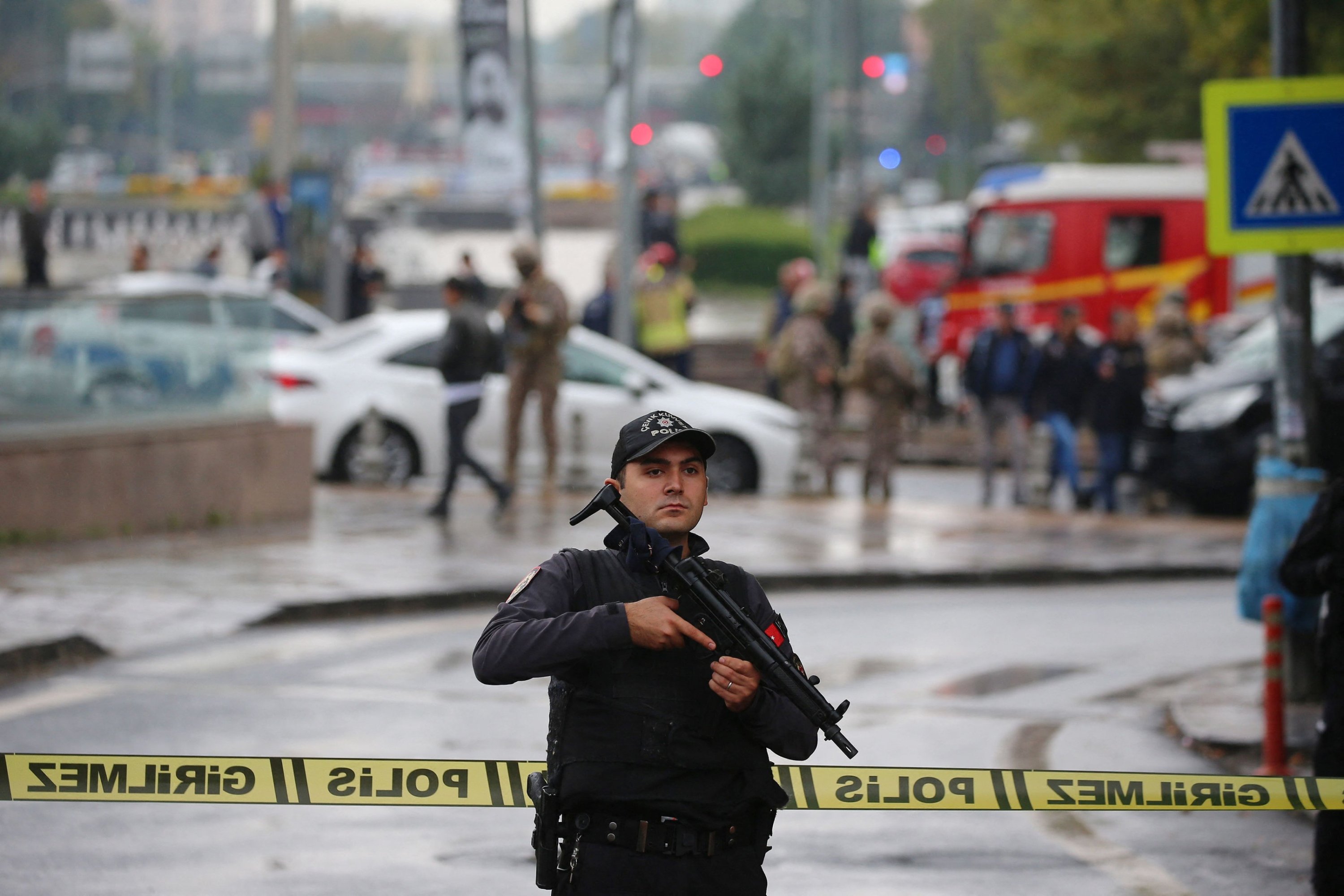
In light of the attempted terrorist attack on the General Directorate of Security in the Turkish capital of Ankara on Oct. 1 by the PKK terrorist organization, it is imperative to address the prevention of terrorist propaganda and strategic communication processes, in addition to security and intelligence matters. In the aftermath of a terrorist attack, not only do security institutions face a challenge, but society as a whole grapples with shock and uncertainty. While the standard operational procedures for security institutions and intelligence communities are quite clear, effectively deploying security and intelligence processes and implementing strategic communication to counteract immediate propaganda are intertwined. Responding swiftly to such incidents can impact not only immediate outcomes but also the long-term trajectory of national security and societal cohesion. Therefore, a crucial aspect that demands immediate attention after terrorist attacks is preventing terrorist propaganda. In this regard, the significance of strategic communication in preventing propaganda must be underscored.
In the chaotic moments following a terrorist attack, society’s attention is drawn to the incident. News sources strive to gather details, witnesses recount their experiences, and society attempts to make sense of the tragedy. In today’s world of instantaneous and often inaccurate information on social media, controlling the process is nearly impossible. Experts provide analyses with limited information at their disposal, ordinary users share emotional posts, and interest groups seeking to exploit the chaos establish an interaction network that can foster confusion and heightened emotions. At this juncture, terrorist propaganda can find fertile ground to take root and spread, aiming to exploit the chaos and emotions to achieve its objectives.
The urgency of preventing propaganda immediately after an attack is critical, primarily for thwarting radicalization. Exposure to extremist content right after an attack can radicalize individuals who are emotionally vulnerable or seeking answers. Preventing this phenomenon is vital for breaking the cycle of radicalization. Furthermore, preventing imitator attacks is crucial for managing the security and intelligence process after an attack. Terrorist propaganda often glorifies the attackers, portraying them as “heroes.” This portrayal can inspire individuals in the radicalization process to carry out similar attacks, necessitating urgent measures.
Indeed, shortly after the Sunday attack, the PKK terrorist organization employed a similar method to create a vibrant interaction space on social media, attempting to expand its influence. Preserving social cohesion is a crucial goal after an attack. Terrorist propaganda aims to sow division and discord within communities, deepening psychological concerns. Resisting this narrative immediately after an attack is vital for maintaining social harmony and unity. Ensuring public safety is one of the most critical processes in managing counter-propaganda efforts after an attack. Therefore, providing accurate information and maintaining open communication are crucial for public safety. Given the power of social media, swiftly countering the spread of propaganda through a rapid response can prevent its establishment.
Preventing terrorist propaganda begins with acknowledging that we are engaged in an ideological battle. To win, it is necessary to challenge extremist ideologies and construct counter-narratives that offer alternative hope, tolerance and visions of peace. These counter-narratives must be credible, emotionally resonant, and targeted at the most susceptible audiences to extremist influences. Moreover, this battle cannot be waged by any single entity. Governments, various state institutions, technology companies, media, non-governmental organizations (NGOs), and society must work together through an integrated strategy to succeed. In this regard, both platforms and technology companies have a significant responsibility. The language used by the media in conveying events, the sharing of images obtained during the attack, the selection of experts, and adhering to legal procedures in governance all play a critical role in preventing the creation of the environment the attack aims to establish and in effectively implementing strategic communication.
As seen in the Sunday attack, some media platforms sharing images available in the public domain with their viewers or followers constitute one of the gravest mistakes that should not be made. In addition to the media, technology companies are responsible for identifying extremist content and promptly removing it from their platforms. However, the ability of technology companies to respond rapidly is limited today. Even if legal regulations exist in Türkiye, there are still problems with their effective implementation. Success in this area is not guaranteed, especially considering the weak social awareness. Therefore, a review of education and NGOs in this area is necessary. While it may not be possible to precisely define where individual responsibility on social media begins and ends, it would be highly beneficial if the Turkish Ministry of National Education signed more projects related to social media use in the new world. Including new lessons in the curriculum and involving NGOs in the process are critical for effectively managing the public and societal aspects of the fight.
The fight against terrorism does not end with preventing terrorist propaganda; it extends to strategic communication after terrorist attacks. Effective communication in the aftermath of an attack is vital to managing the crisis, ensuring public safety and building community resilience.
Strategic communication after a terrorist attack should have clear objectives: providing accurate information, ensuring public safety, dispelling rumors, showing empathy and support for victims and their families, countering extremist rhetoric and encouraging community engagement is the top checklist. The key components of this strategy are the management of the process by the person with the highest authority to manage communication, the centralization of communication and the promotion of transparency.
The process management after the attack on Sunday is a good example in this respect. The fact that the Ministry of Interior managed the process, the Directorate of Communication publicized the messages, and the media facilitated the management of this process ensured that the environment that the attack could have caused was the opposite of the terrorist organization’s target.
However, as always, social media emerged as a double-edged sword in post-attack communication. While social media offers a powerful platform for the dissemination of information, it also has the effect of strengthening rumors and misinformation. Effective social media management involves monitoring, correcting misinformation and encouraging official accounts to provide accurate updates. There are, of course, many challenges to this endeavor. Striking a balance between freedom of expression and security is a responsibility for governments and technology companies to fulfill. This requires good legislation as well as the expansion of national and organizational technological capabilities, particularly artificial intelligence, to combat disinformation on social media.
At this point, the first responsibility should be on the state to regulate the procedures that officials should apply in using social media and platforms for communication tools through legal regulations, considering the context of each institution’s own field of activity. The sharing of information, images and sensitive information by officials during a crisis is not only against the law but also creates serious security weaknesses.
In the attack attempt on Sunday, it was observed that there were serious deficiencies at this point. It is extremely wrong to share on various platforms a security camera image recorded from inside the security directorate at the moment of the attack, including the image of the attacker’s corpse. At this point, the responsibility should lie with the institutions, not society. New arrangements must be made to ensure the training of official personnel.
Finally, preventing terrorist propaganda and managing strategic communication are not only security-related obligations but also moral obligations.