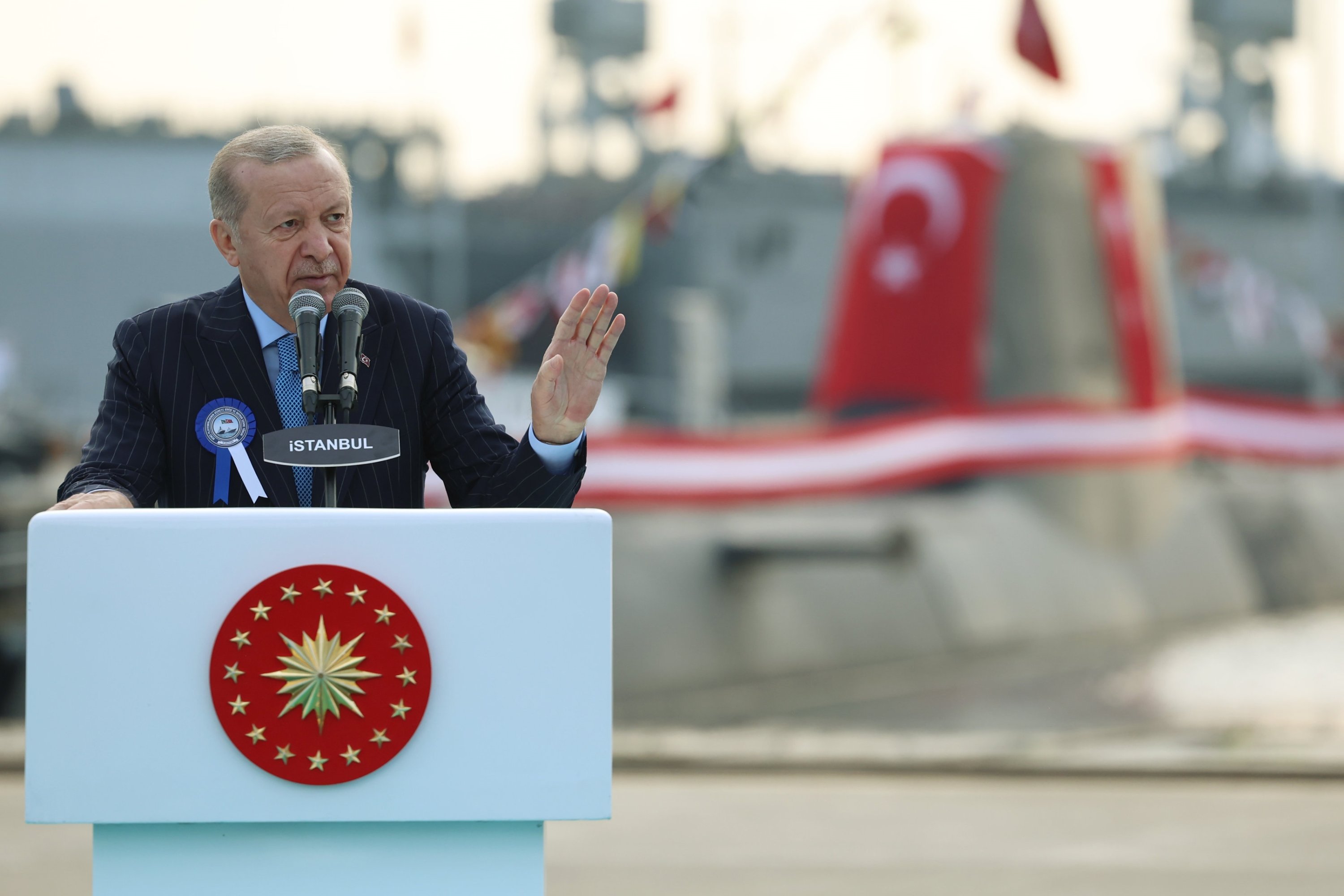
Considering regional and global dynamics and the overall momentum of 2025, Türkiye will face imminent security threats originating from multiple fronts, particularly in the Middle East, the Black Sea and the Eastern Mediterranean. The ongoing Israeli genocide in the Gaza Strip and regional expansionism further destabilize the Middle East. Several other regional crises, such as Yemen, Syria and Lebanon, remained unresolved. The protracted Ukrainian-Russian war in the Black Sea threatens the overall security of the Black Sea region. The most recent military buildup by Israel and Greece on the island of Cyprus has increased tensions in the Eastern Mediterranean.
Furthermore, Türkiye will face some secondary threats emanating from other regions, such as the Horn of Africa. The fragile peace in Ethiopia and the ongoing civil war and humanitarian crisis in Sudan are among the major reasons for regional instability in the Horn of Africa. Israel’s recognition of Somaliland has severely destabilized the already fragile balance in the Horn of Africa. All these developments negatively affect Türkiye’s diplomatic, military and economic standing.
However, the Middle East will continue to occupy the most critical position in Turkish foreign policy. Destabilizing developments that dominated the region in 2025 will continue to play an important role in shaping Türkiye’s foreign policy. The regional balance of power in the Middle East has changed dramatically. In this short piece, I will briefly examine the main regional crises and their relevance for Türkiye.
Syria will remain one of the main regional crises in the Middle East and the most important security threat to Türkiye. The primary challenges of the crisis include achieving diplomatic recognition, advancing the state-building process and ensuring national security. With the support of Türkiye, the new Syrian administration has been able to normalize its status within the international system. However, it continues to struggle with national security, territorial integrity, economic recovery and state reconstruction.
Israel has been trying to destabilize Syria since the first days of the collapse of the Baath regime, while Türkiye and other Gulf countries have been trying to provide support to the new regime in the reconstruction of the state. Israel attempts to disintegrate the state and therefore backs all secessionist groups, including the Druze in the south and the YPG in the northeast, against the central government.
For Türkiye, the main preconditions of the normalization in Syria are the border security, the struggle against terrorism and state building. Türkiye considers national integrity as a strategic framework that will provide internal legitimacy and political unity. Therefore, Türkiye has been following a deterrence policy that will encourage all violent non-state actors in the country to lay down arms and integrate with the central government. Considering the disruptive policies of external factors such as Israel’s intervention, it will be difficult to achieve the desired results, at least in the short term. The intervention of the external actors prevents the national integration of all political and military actors. Within this context, Türkiye will try to consolidate its deterrence in Syria to restrain the influence of external actors.
Israel’s regional expansionism strategy and its military attacks against the regional countries contributed to regional chaos, instability and mistrust among the regional actors. Israel has attacked seven Middle Eastern countries, namely Palestine, Lebanon, Syria, Yemen, Iran, Iraq and Qatar. There is no limit to its aggression; no regional power, whether friend or foe, is immune to its attacks. Its most recent military attack was against the Qatari capital, Doha, which hosts the largest American military base in the region. That is, even a state such as Qatar, a friendly country with the West, was targeted by Israel.
Meanwhile, Israel continues to expand its occupation in Palestine. It has destroyed the Gaza Strip in front of the eyes of the international community, and it continues to suppress the population living in the West Bank. Just recently, it declared 19 new so-called settlements in the occupied West Bank. 14 Western countries have issued a condemnation letter and declared their support for the right of self-determination for Palestinians. However, no concrete step was taken against Israel.
Regional actors should not forget that any alliance with Israel will cause further pressure on regional stability, peace and prosperity as well as on the rights of the Palestinian people. Israeli policies brought nothing but aggression, colonization and genocide. Therefore, the future costs of cooperation with Israel will be high for any collaborator. Regional states and non-state actors will be forced to take harder positions, since they will be negatively influenced by the unilateral and aggressive policies of Israel.
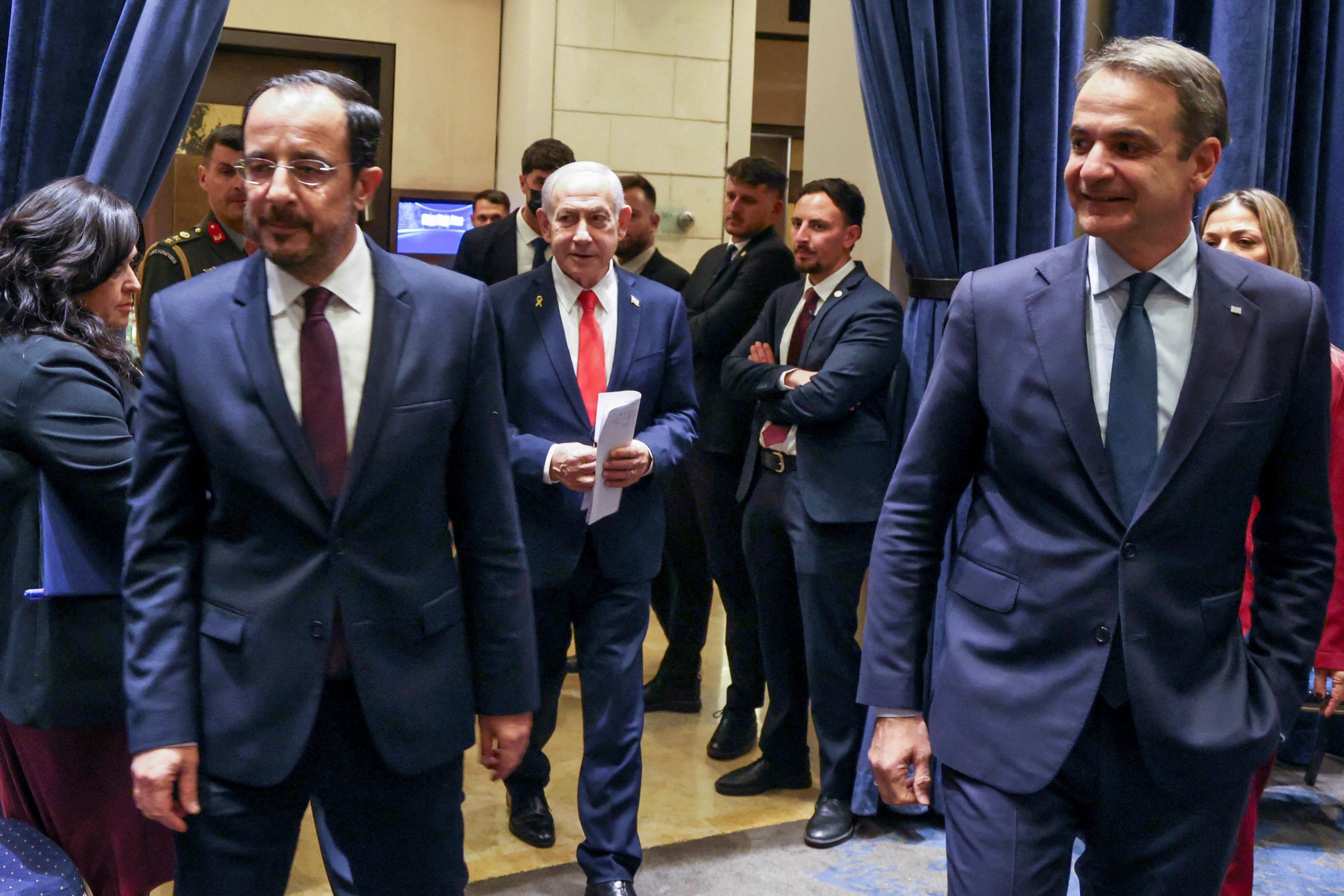
Increased tension in the East Med
Israel and the United Arab Emirates have been trying to fortify an alliance with Greece and the Greek Cypriot administration in the Eastern Mediterranean. Recently, leaders of these two states paid official and symbolic visits to Cyprus. While Israeli Prime Minister Netanyahu has hosted a trilateral meeting to improve defense cooperation between the three actors, the president of the United Arab Emirates (UAE), Sheikh Mohammed bin Zayed Al Nahyan, posed alongside a figure accused of massacring the Turks during his visit to the island.
In other words, Greece decided to establish an anti-Türkiye alliance with Israel, even though Ankara is its NATO ally. Indirectly, this alliance signals the “brain death” of NATO, as previously pointed out by French President Emmanuel Macron. It is clear to everyone that the primary reason for the formation of this trilateral cooperation in the Eastern Mediterranean is Türkiye's growing regional influence.
The 12-Day War, the Iran-Israel War between June 13 and June 24, 2025, was a step in Israel’s expansionist and aggressive policies. Israel started the war when it bombed military and nuclear facilities in Iran, and assassinated many prominent military leaders, politicians and nuclear scientists. It largely damaged and destroyed the Iranian air defense. In response, Iran retaliated by hitting designated targets, including governmental, military and energy sites. The United States militarily supported Israel by bombing three Iranian nuclear sites (Natanz, Isfahan and Fordow) and intercepting the Iranian attacks against Israel.
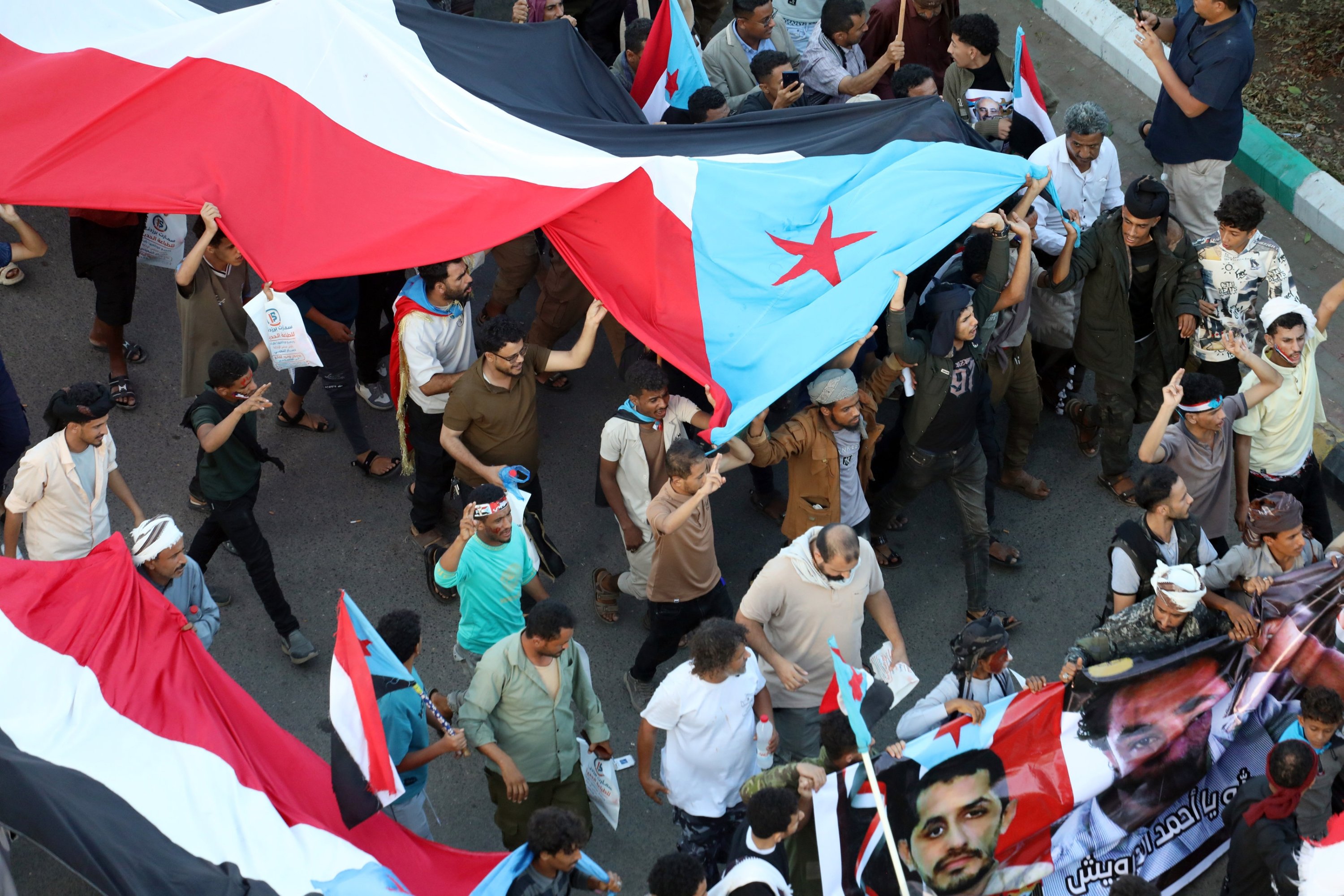
In the wake of the war, Iran's regional influence was severely constrained. The Iran-led Shiite crescent of the "Axis of Resistance" has largely collapsed. Iran has lost some of its most critical partners, such as the Baath regime in Syria and Hezbollah in Lebanon. The only remaining Iranian regional ally and proxy is the Houthis in Yemen. Israel and the UAE have been supporting the Southern Transition Council against the Houthis.
Israel may attempt to change the regime in Iran, which would cause significant instability in the region. A chaotic and unstable Iran would harm Türkiye as well as many other actors. Therefore, Türkiye, having long opposed sectarian regional policies, does not want chaos in Iran. In other words, the regional perspectives of Türkiye and Israel also diverge on Iran.
Israel and its partner UAE have been supporting the Rapid Support Forces (RSF) in Sudan against the central government, which is supported by Türkiye, Egypt and Saudi Arabia. The Emirati and Israeli proxy violent actors caused a huge humanitarian crisis in the country. Thousands of innocent civilians were killed by the RSF forces in the Darfur region. In other words, the civil war in Sudan has a great influence on the regional balance of power.
When the year ended, Israel took yet another destabilizing step by recognizing the Somaliland region. Israel’s recognition of Somaliland, which is against the established norms and principles of international law, is a provocative and unacceptable move. This recognition will only undermine stability in the Horn of Africa. With this recognition, Israel also diverts the international community’s attention from Gaza to elsewhere.
Furthermore, with this move, Israel aims to undermine Türkiye’s African policy and especially weaken the status of Türkiye in Somalia. Israel has been trying to improve its relations with all anti-Türkiye countries and non-state actors. The diplomatic recognition of Somaliland is yet another indication of this policy.
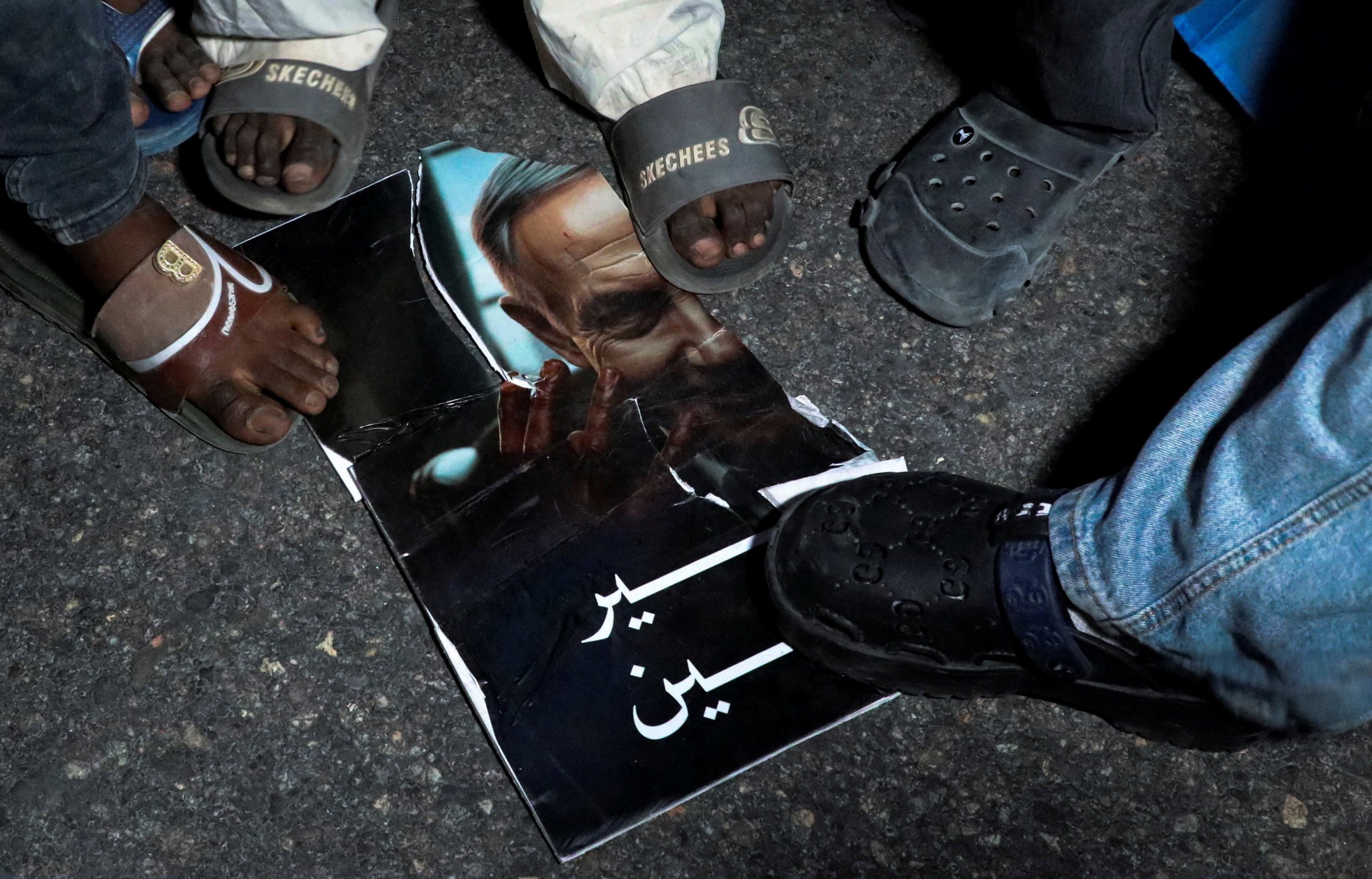
As Iran's Shia Crescent or the Axis of Resistance has been severely weakened, there remain two dominant conflicting perspectives in the Middle East. The first one is the Israeli perspective, which is based on aggressive and expansionist policies. The second one is the Turkish perspective that maintains a strong balance among power, moderation and diplomacy. While Israel tries to promote chaos and disintegration in the Middle East, Türkiye prefers diplomatic and peaceful means over the use of power and aggression. However, Ankara has deterrence power and the capacity to use hard power if necessary.
The Israel-led regional strategy is designed to undermine the interests of all regional actors, including Türkiye, Saudi Arabia and Egypt. Therefore, regional countries must cooperate against Tel Aviv’s destructive and expansionist policies. Israel has been cooperating with three states, namely the UAE, India and Greece, in designing its regional projections and in constructing an alliance against all other regional actors, Türkiye in particular. The Turkish-Israeli rivalry is not limited to the Palestinian and Syrian crises. The rivalry has extended to the Horn of Africa and the Eastern Mediterranean.
Israel and its partners follow a containment policy against Türkiye. This containment policy, which extends from the Caucasus to the Red Sea, is on its way, especially in three different sea regions: the Gulf, the Red Sea and the Eastern Mediterranean. Egypt and Saudi Arabia are also negatively influenced by this containment policy. Therefore, Türkiye must form a counter-coalition against this bloc, which attempts to neutralize the influence of all relevant regional powers.
Now the question is how other regional actors will position themselves against this intensified rivalry. Whether they side with an illegitimate formation led by Israel or a large regional coalition that favors regional stability and opposes any change to the map in the region. Most regional states now feel closer to Türkiye, mainly because of Israel’s unexpected moves against regional states. Therefore, it is expected that Türkiye will establish a multilateral, balanced and inclusive regional coalition against a destabilizing, unilateralist and interventionist Israel-led coalition. Many states seem ready to side with Türkiye against the destabilizing influence of Israel.
Within this context, the position of the U.S. is vital in determining the future of the intensifying regional rivalry in the Middle East. The U.S. politics is accordingly divided into two, one strictly pro-Israeli bloc and an "America First" bloc. At this point, considering the explanations made by President Donald Trump, the U.S. government attaches great importance to Türkiye’s constructive and effective role in the management and resolution of the regional crises.