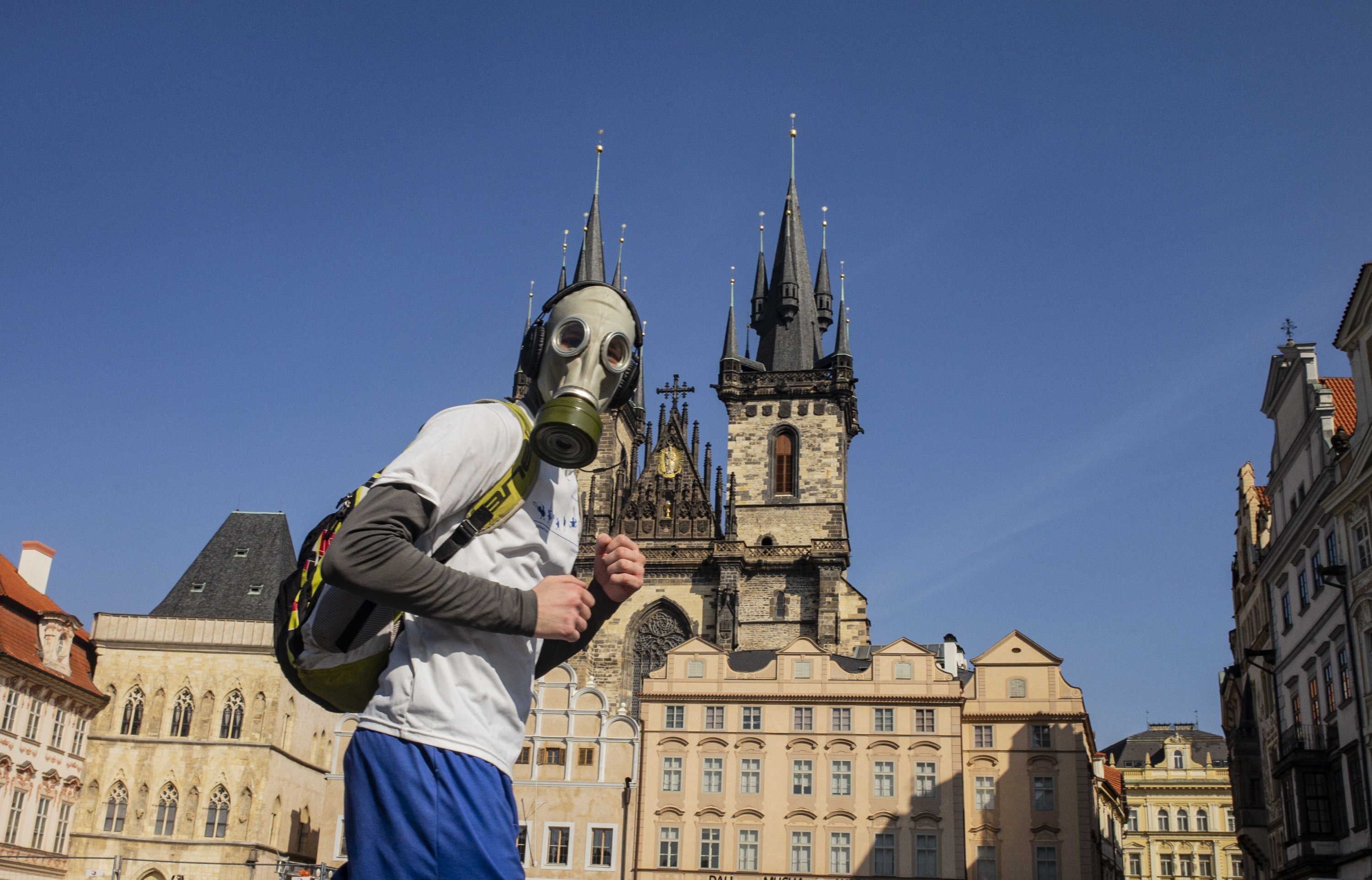
There are many debates among researchers and scientists regarding a potential “second wave” of COVID-19 in the fall. There are discussions about if and when it can emerge and what the implication of this second wave will be to the world. The destruction and damage the first round of coronavirus already caused has generated major concerns among the international community about more of those grim scenarios. While taking precautions against a potential second wave, however, the countries that went through the first wave and flattened their curves over the last few months need to help the nations that are going through their first spike in numbers.
The COVID-19 outbreak emerged in China and spread through Asia in December 2019 and January 2020. In February 2020, we started to see the epicenter of the outbreak move to Europe. Countries such as Italy, Spain and France became hot spots of the epidemic that month. In mid-March, the United States, and particularly New York City, became the new epicenter for the pandemic. Since then, the U.S. has still not recovered from the crisis. Although the state of New York today is doing relatively fine, others, including Texas, Arizona, Florida and California continue to experience high numbers. In the meantime, global flare-ups are emerging in Latin America and Southeast Asia. Countries such as Brazil, India, Pakistan, Mexico, Peru and Chile are seeing record high numbers of infections. Russia has also been hit hard in the last few weeks. On June 19, the world recorded its highest number of new cases since the outbreak emerged in December. More than 180,000 people were infected with the virus on that day. These numbers show that in global terms, the COVID-19 outbreak has not ended yet. Taking into account the amount of time the European and Asian countries spent in order to flatten their curves, some researchers argue that if these nations adopt strict measures now, they will flatten their curves only by the end of the summer.
What should this grim picture tell us about the fight against the COVID-19 outbreak? First of all, it should remind the international community that this is a global problem that necessitates worldwide cooperation. It is true that some countries paid a high price to flatten their curves and have begun their normalization processes. Now they need to take one more step and support the countries that are going through the challenge of rising numbers. In fact, these two processes are not mutually exclusive. Since the beginning of the outbreak, the Turkish government has tried to help other countries around the world while still dealing with its own domestic cases. Nowadays, Turkey is going through a normalization process but is still trying to help countries in need.
This should constitute a model for other nations that have flattened their curves. Without significant support, the countries that are experiencing high numbers of infections will have a difficult time managing the crisis. Their inability to contain the crisis could pave the way for further infections and the potential spread of the disease to other countries. Secondly, the rise in cases demonstrates that the international community needs more robust cooperation in finding medications and a vaccine for the disease. It is widely reported that several major labs around the world are competing to find a solution for the outbreak. An agreement among these labs to make the vaccine available for all countries at the same time without any cost, however, would strengthen this cooperation and coordination. Several world leaders, including President Recep Tayyip Erdoğan, asserted that the vaccine should be the property of humanity and needs to be shared with everyone at the same time.
These steps and actions are necessary in order to stop, or at least contain a second wave, if it emerges, and help other countries alleviate the damage and harm that the coronavirus can generate.