Daily Sabah logo

Politics
Diplomacy Legislation War On Terror EU Affairs Elections News Analysis
TÜRKİYE
Istanbul Education Investigations Minorities Expat Corner Diaspora
World
Mid-East Europe Americas Asia Pacific Africa Syrian Crisis Islamophobia
Business
Automotive Economy Energy Finance Tourism Tech Defense Transportation News Analysis
Lifestyle
Health Environment Travel Food Fashion Science Religion History Feature Expat Corner
Arts
Cinema Music Events Portrait Reviews Performing Arts
Sports
Football Basketball Motorsports Tennis
Opinion
Columns Op-Ed Reader's Corner Editorial
PHOTO GALLERY
JOBS ABOUT US RSS PRIVACY CONTACT US
© Turkuvaz Haberleşme ve Yayıncılık 2025

Daily Sabah - Latest & Breaking News from Turkey | Istanbul

  • Politics
    • Diplomacy
    • Legislation
    • War On Terror
    • EU Affairs
    • Elections
    • News Analysis
  • TÜRKİYE
    • Istanbul
    • Education
    • Investigations
    • Minorities
    • Expat Corner
    • Diaspora
  • World
    • Mid-East
    • Europe
    • Americas
    • Asia Pacific
    • Africa
    • Syrian Crisis
    • Islamophobia
  • Business
    • Automotive
    • Economy
    • Energy
    • Finance
    • Tourism
    • Tech
    • Defense
    • Transportation
    • News Analysis
  • Lifestyle
    • Health
    • Environment
    • Travel
    • Food
    • Fashion
    • Science
    • Religion
    • History
    • Feature
    • Expat Corner
  • Arts
    • Cinema
    • Music
    • Events
    • Portrait
    • Reviews
    • Performing Arts
  • Sports
    • Football
    • Basketball
    • Motorsports
    • Tennis
  • Gallery
  • Opinion
    • Columns
    • Op-Ed
    • Reader's Corner
    • Editorial
  • TV
  • Opinion
  • Columns
  • Op-Ed
  • Reader's Corner
  • Editorial

Donald Rumsfeld's legacy on US foreign policy

by Kılıç Buğra Kanat

Jul 05, 2021 - 12:05 am GMT+3
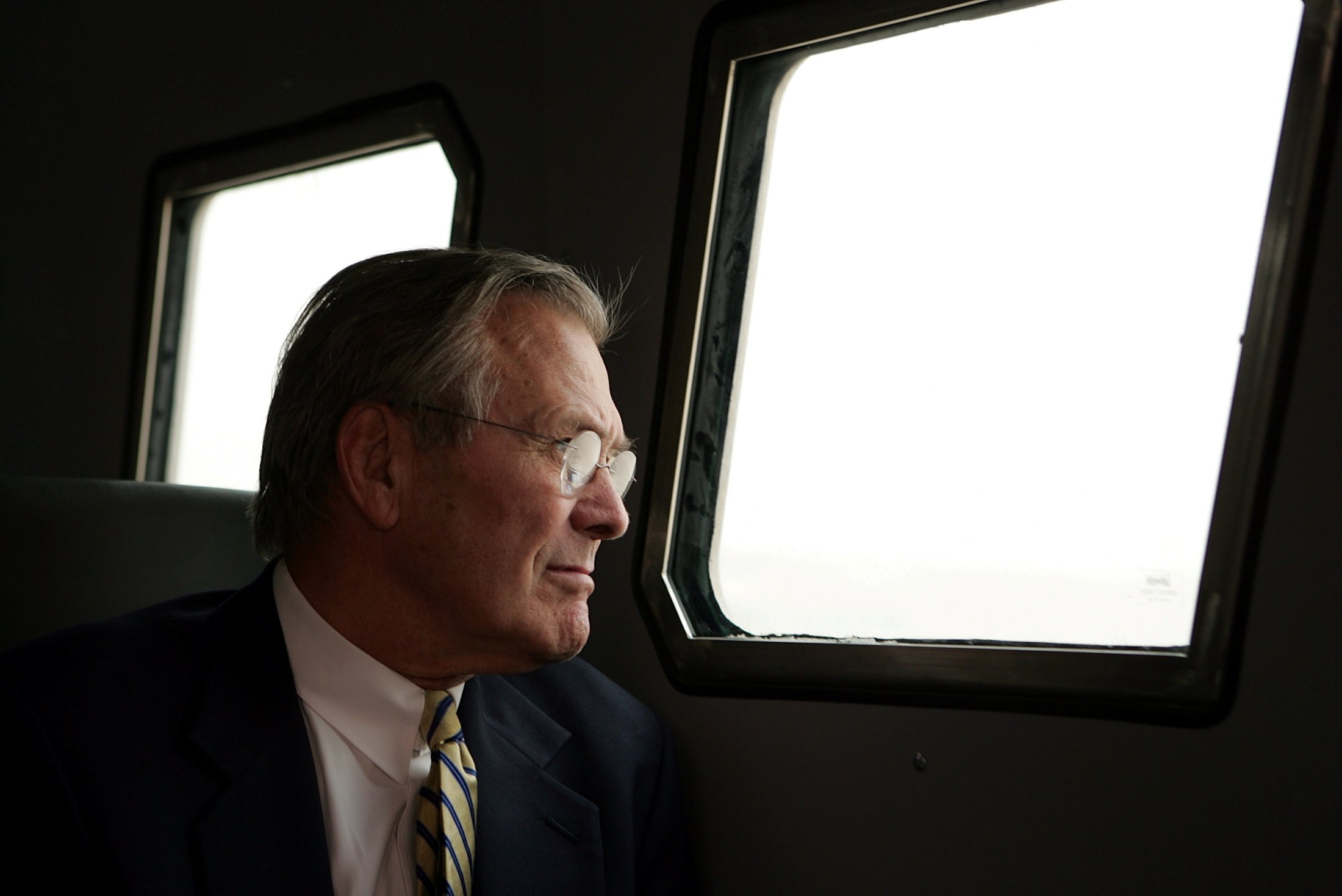
U.S. Secretary of Defense Donald Rumsfeld looks through a window of an armored vehicle while touring Abu Ghraib prison outside Baghdad, Iraq, May 13, 2004. (Reuters Photo)
by Kılıç Buğra Kanat Jul 05, 2021 12:05 am

Donald Rumsfeld died last week in New Mexico at the age of 88. He was one of the most controversial characters of the last several decades when it comes to U.S. foreign and national security policymaking.

Although he had a long public career, after his death what many people remembered him for were his decisions and actions before and during the Iraq War.

In preparation for the war, Rumsfeld was not only part of a major interagency rivalry with several institutions of the U.S., but he also became one of the most important actors in the campaign for the invasion of Iraq.

He played a role in making many American people believe not only that Iraq had weapons of mass destruction but that it also assisted al-Qaida.

When the Iraqi government denied these claims he famously said “and Lincoln was short.” He had also predicted that the war would be less than six months, which turned out to be terribly wrong.

In the meantime, in the aftermath of the war in Afghanistan Rumsfeld also took a step that would lead to the torture and inhumane treatment of the detainees.

Under his watch there were numerous cases of torture and ill treatment, including in Guantanamo and Abu Ghraib prison.

America in quagmire

Following the Vietnam War, the Iraq War was the second most critical quagmire that the U.S. got itself into.

A decade after the Gulf War, which was believed to have ended the Vietnam syndrome for the U.S., the U.S. found itself experiencing another syndrome. This syndrome has presented a serious challenge for policymakers ever since.

The specter of the Iraqi war continues to haunt U.S. foreign policymakers to this day.
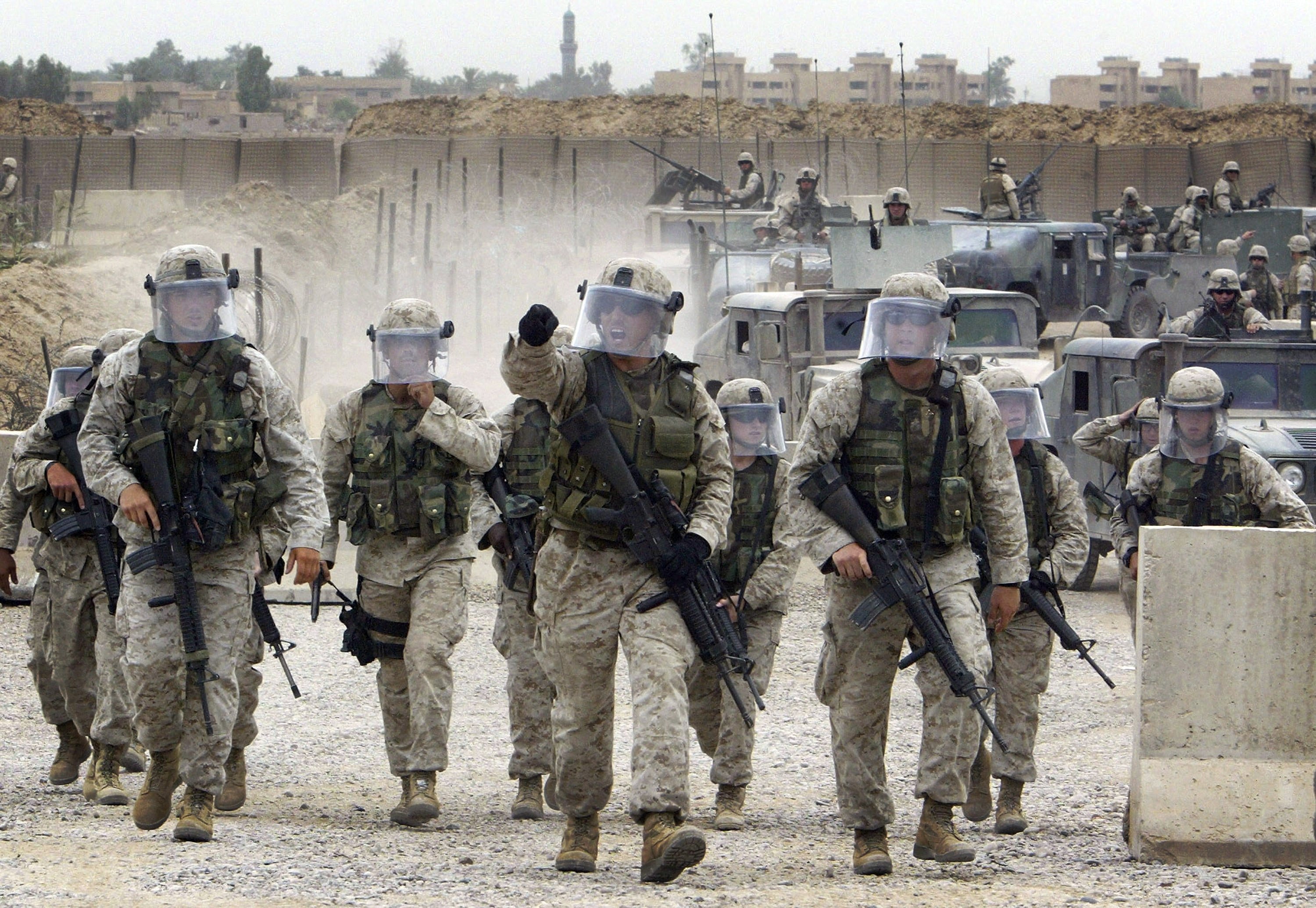
U.S. soldiers rush to escort a convoy of prisoners released from the Abu Ghraib facility in Baghdad, Iraq, May 28, 2004. (AP Photo)

The war of course not only caused the emergence of a new syndrome in U.S. foreign policy – it cost the lives of hundreds of thousands of Iraqis who died during the conflict in the country.

Following the mistaken decisions that he made while running the war, Iraq fell into a state of chaos and civil war. In the meantime, thousands of American servicepeople also lost their lives.

Although during his interview with American film director Errol Morris in the documentary film "The Unknown Known" he described himself as measured and nuanced when it came to Iraq, he was neither of these things.

The way that he approached the emerging crisis and chaos was emblematic of his lack of both qualities.

When he was asked about the looting and increasing public unrest in the country, the response of Rumsfeld was along the lines of “stuff happens.” For the disorder and anarchy in the country, he said “freedom is untidy.”

Hell for all

Unfortunately, that “stuff” continued to make the state of Iraq a living hell for millions of Iraqis for many years to come.

The humanitarian cost of the war became difficult to calculate.

For some, Rumsfeld was a similar character to Robert McNamara, one of the architects of the Vietnam War.
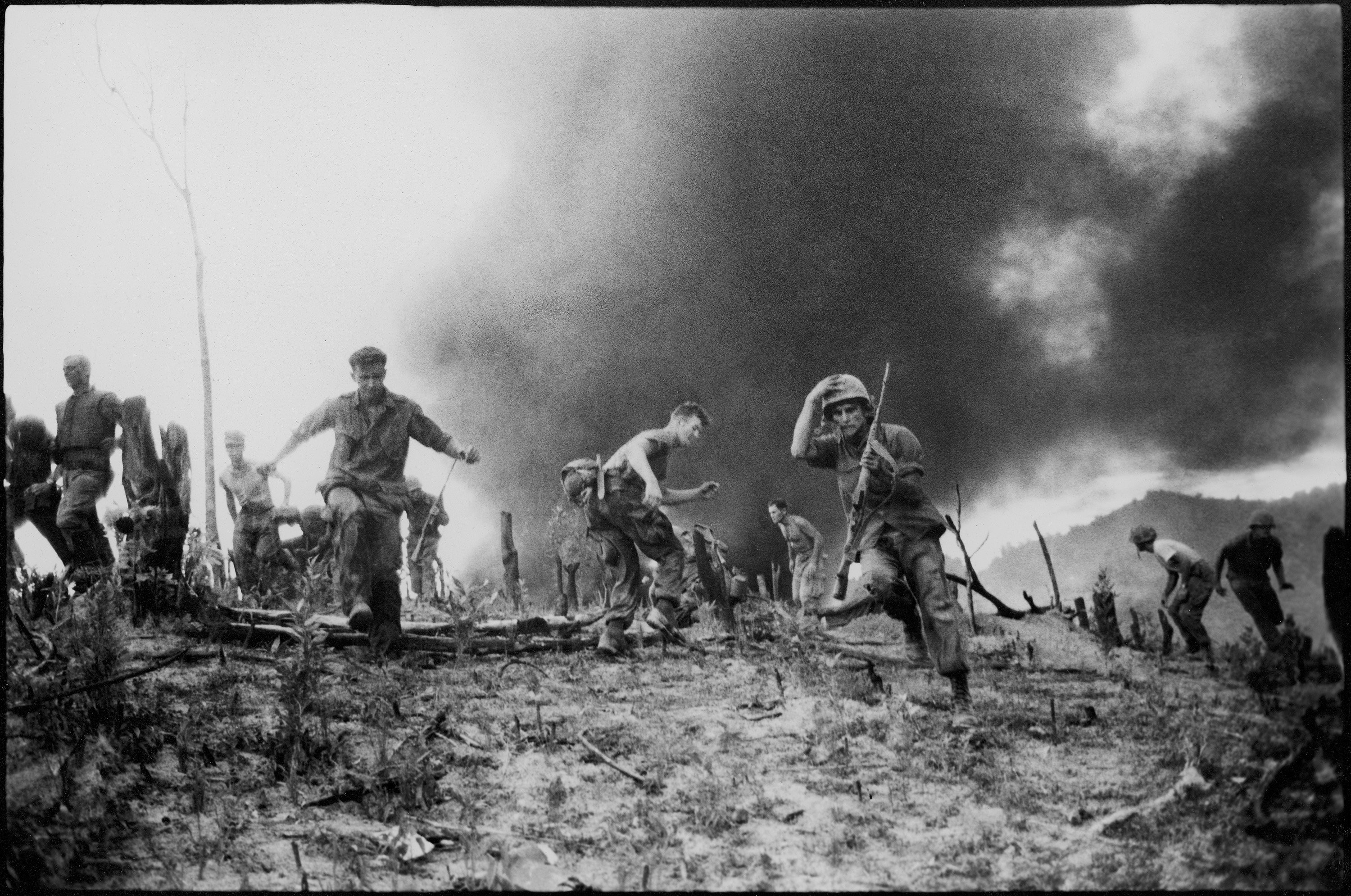
U.S. Marines scatter as a CH-46 helicopter burns, background, after it was shot down near the demilitarized zone (DMZ) between North and South Vietnam, July 15, 1966. (AP Photo)

However, Rumsfeld barely accepted any mistakes regarding his actions as secretary of defense. He remained defiant about the criticisms in regards to his tenure.

In the Morris interview mentioned above, he never wavered from his defensive position about his statements and memos during his time as the secretary of defense.

He famously stated that “free people are free to make mistakes” when explaining the disorder in Iraq. So apparently as a free person during his tenure he was free to make terrible mistakes that would change the lives of the millions of Iraqis by turning their country into an arena of civil war and terrorism.

His mistakes also led to a serious transformation in U.S. foreign policy and the public perception of the U.S. government and foreign policy.

As the U.S. is planning to remove all of its troops in Afghanistan, his decisions and actions will continue to haunt U.S. foreign and national security policy and the lives of the millions.


About the author
Kılıç Buğra Kanat is Research Director at SETA Foundation at Washington, D.C. He is an associate professor of Political Science at Penn State University, Erie.
  • shortlink copied
  • KEYWORDS
    us foreign policy donald rumsfeld iraqi war afghanistan al-qaida
    The Daily Sabah Newsletter
    Keep up to date with what’s happening in Turkey, it’s region and the world.
    You can unsubscribe at any time. By signing up you are agreeing to our Terms of Use and Privacy Policy. This site is protected by reCAPTCHA and the Google Privacy Policy and Terms of Service apply.
    In photos: Heavy rain causes flooding in Izmir
    PHOTOGALLERY
    • POLITICS
    • Diplomacy
    • Legislation
    • War On Terror
    • EU Affairs
    • News Analysis
    • TÜRKİYE
    • Istanbul
    • Education
    • Investigations
    • Minorities
    • Diaspora
    • World
    • Mid-East
    • Europe
    • Americas
    • Asia Pacific
    • Africa
    • Syrian Crisis
    • İslamophobia
    • Business
    • Automotive
    • Economy
    • Energy
    • Finance
    • Tourism
    • Tech
    • Defense
    • Transportation
    • News Analysis
    • Lifestyle
    • Health
    • Environment
    • Travel
    • Food
    • Fashion
    • Science
    • Religion
    • History
    • Feature
    • Expat Corner
    • Arts
    • Cinema
    • Music
    • Events
    • Portrait
    • Performing Arts
    • Reviews
    • Sports
    • Football
    • Basketball
    • Motorsports
    • Tennis
    • Opinion
    • Columns
    • Op-Ed
    • Reader's Corner
    • Editorial
    • Photo gallery
    • DS TV
    • Jobs
    • privacy
    • about us
    • contact us
    • RSS
    © Turkuvaz Haberleşme ve Yayıncılık 2021