The ongoing geopolitical crises, from the Ukraine-Russia conflict to the U.S.-Iran war, have shown once again that energy security is not a concept that can be reduced to its availability or oil supply. Today, when we speak of resilience in terms of energy, we must proactively include other factors that include liquified natural gas (LNG) infrastructure, cybersecurity, digital systems, electricity grids and, of course, strategic minerals and battery supply chains. Moreover, connectivity and diversification of routes are at the heart of energy security and resilience.
The importance of connectivity and the availability of alternative routes for energy resilience has been clearly demonstrated to the international community by the deadlock in the Hormuz Strait, where more than 2,000 vessels have been unable to deliver shipments.
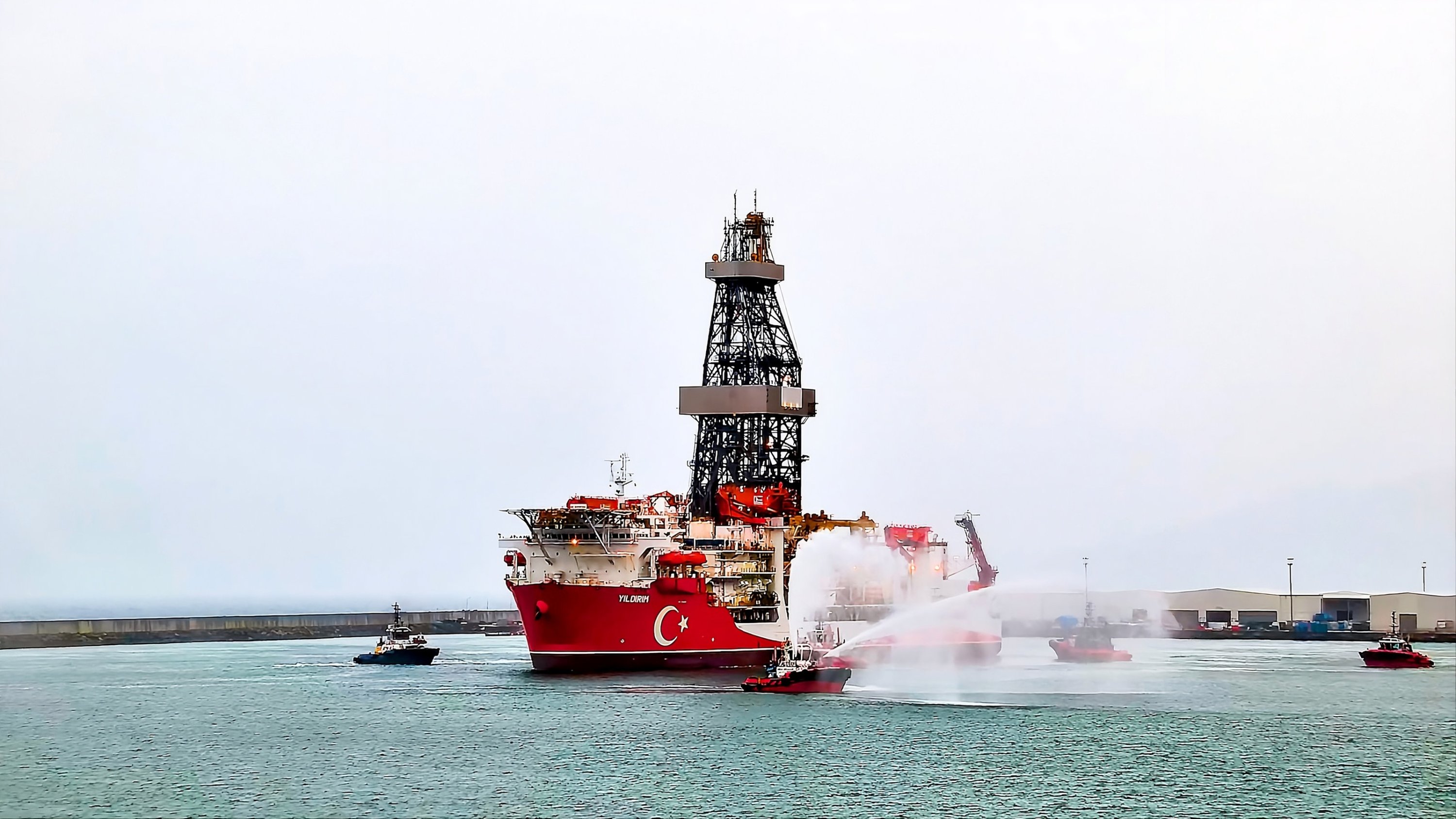
As an energy-dependent country, Türkiye has already diversified its energy sources through investments in renewables, nuclear power plants, offshore exploration and the diversification of its energy imports by source country.
Moreover, Türkiye has already been a hub in terms of connectivity, be it in trade and transportation or as a corridor for energy supply. Now, Türkiye can play a critical role in alleviating the pressure on global energy markets amid the crisis in Hormuz. First of all, a pipeline that will allow Turkmen natural gas, which has been discussed for years, to travel from the Caspian Sea to Türkiye and from Türkiye to Europe. Ankara believes this pipeline will not only create an alternative source for Türkiye, but it will also significantly contribute to Europe's energy supply security.
A second necessary contribution would be made by the extension of the Iraq-Türkiye Crude Oil Pipeline to Basra. The Hormuz crisis has clearly shown the importance of this extension, again not only for the two neighbors but also for global markets. If this pipeline had already been realized, approximately 1.5 million barrels of Iraqi oil per day, which currently cannot pass through the Strait of Hormuz, could have been offered to global markets via Türkiye as an alternative energy corridor.
In addition to the above, the construction of a natural gas pipeline extending from Qatar to Türkiye is of utmost importance for energy resilience in terms of supply and price stability.
As a country that has heavily invested in infrastructure at many levels, from transportation, defense and energy infrastructure, to electricity and maritime connectivity, Türkiye’s proposals are not limited only to oil and natural gas. Given its geographic proximity, its geopolitical position and growing regional and international influence in mediation, Türkiye’s political stability also makes it an attractive and reliable hub.
Here, it is important to mention President Recep Tayyip Erdoğan’s political vision and that the steps taken nearly a decade ago have elevated Türkiye to where it is today, from diplomatic mediation to a hub of connectivity.
With the National Energy and Mining Policy announced by the then-Minister of Energy and Natural Resources Berat Albayrak, a major paradigm shift was introduced in natural gas and oil exploration and production. Within the framework built upon Erdoğan's vision and the steps that followed it over the past 10 years, onshore and offshore gas and oil exploration activities have been carried out. More significantly, these were supported by indigenous know-how and equipment. In addition to oil and gas, for example, the country is also striving to implement electricity transmission lines that cross continents. For instance, the Azerbaijan-Georgia-Türkiye-Bulgaria Green Electricity Transmission and Trade Agreement, signed in Baku last year, will enable renewable energy produced in Azerbaijan to reach Europe. A similar project is underway to build an integrated electricity transmission line with regional countries, extending from Saudi Arabia to Türkiye.
At this point, the 2nd Istanbul Natural Resources Summit (INRES 2026), which will be held in Istanbul on May 22, will also become a platform where decision-makers will share ideas about the future of energy resilience. The summit, hosted by Minister of Energy and Natural Resources Alparslan Bayraktar, is expected to be attended by President Erdoğan.
Lastly, it must be mentioned that Türkiye’s efforts in energy resilience are not only benefiting its own economy and citizens or the countries that sign the deals with Türkiye; they are also projects that contribute to cross-continental energy supply, energy security and resilience. As the world becomes increasingly dependent on reliable supply chains, routes and connectivity, Türkiye’s proposals constitute critical steps toward minimizing disruptions to energy supply, whether during conflicts, natural disasters or pandemics.