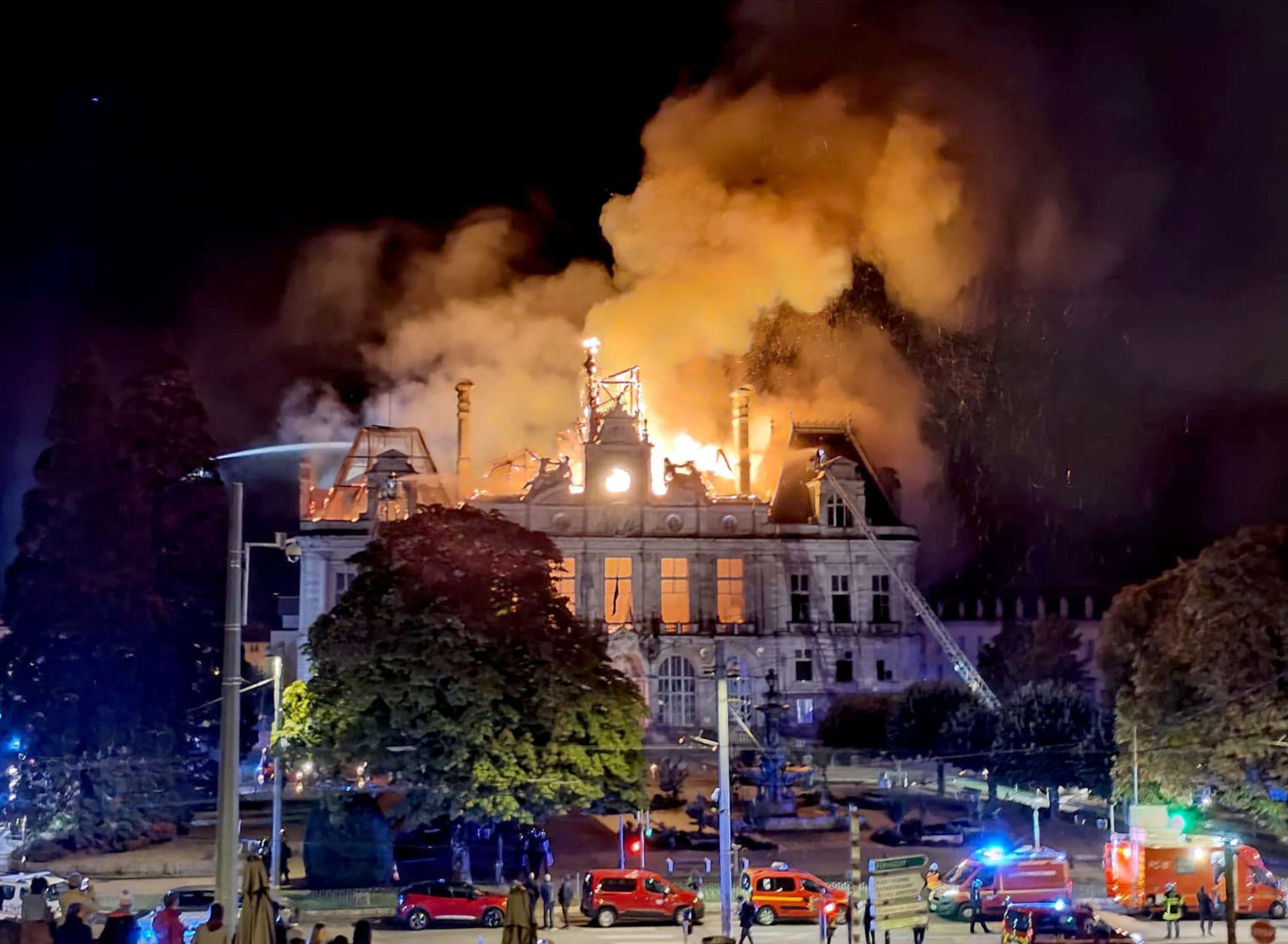
The modern world system was established by European countries. Beginning in the 15th century, developments in Europe have largely shaped the world. European countries set the political, economic, social, academic and scientific standards. Even the bipolar world system, led by the two superpowers, the United States and the Soviet Union, was a political system shaped by the West. However, over the past several decades, European countries have largely lost their central position and role in shaping international politics, as well as their dominance in terms of overall productivity and fertility rates. Many academics and intellectuals have discussed the future of European countries, and most do not foresee a bright future for the continent. The era of a Eurocentric worldview has come to an end. Europe no longer serves as the global standard-setter.
In this article, I will analyze some of the fundamental reasons behind the Eurocentric worldview and Europe’s global hegemony. Without understanding the root causes outlined below, it is impossible to anticipate the continent’s future. The following factors are key developments that have recently undermined the competitive advantage of European countries.
The first and most significant development that has left European countries vulnerable is the potential withdrawal of the security umbrella that the U.S. has provided since the end of the Second World War. Throughout the Cold War, the U.S. provided a nuclear deterrent umbrella over the European continent. In the post-Cold War era, the U.S. continued to pay close attention to threats directed at Europe.
However, the U.S. has recently been asking Europe to stand on its own two feet. U.S. officials have repeatedly stated that the U.S. will not step in to defend Europe against potential threats. Consequently, the U.S. has begun to withdraw its troops from Europe. A U.S. military withdrawal or shift in strategic orientation exposes Europe’s deficiencies, ranging from ammunition shortages and command-and-control gaps to a lack of independent nuclear deterrence, thereby highlighting its strategic vulnerabilities.
Two recent developments have brought Europe’s security concerns to a peak. The first one is the invasion of Ukraine by the Russian Federation. The war that broke out in Ukraine has brought the Russian threat right to Europe’s doorstep. The second is Donald Trump's return to the presidency, since he ended the U.S.'s security commitments to Europe.
With these developments and shifts in the global balance of power, Europe has taken action and begun efforts toward achieving self-sufficiency in its defense industry. Various measures were taken across a range of areas, and defense spending increased significantly. European countries want their own weapons to be manufactured by their own companies. As of today, more than 20 multilateral defense funds have been established in Europe.
The largest fund, Readiness 2023 (formerly the ReArm Europe Plan), was established by the European Union. It is a strategic defense initiative proposed by the European Commission in 2025. The main aim of the initiative is to enhance the EU’s military capabilities, to mobilize $800 billion to strengthen Europe’s defense infrastructure, and thus to prepare the continent against geopolitical threats and uncertainties. All these measures also mean that European countries will abandon some of their economic development and prosperity projects. This situation has a negative impact on the European economy.
European countries have lost one of their traditional, largest and most advantageous commercial markets. For decades, commercial ties with China have played a significant role in the development of the European economy and industry. China is the EU’s second-largest trading partner, following the U.S. Conversely, the EU is China’s second-largest trading partner, after the Association of Southeast Asian Nations (ASEAN). However, declining exports and a deteriorating foreign trade balance have become increasingly serious problems for Europe’s competitiveness.
Recent economic relations between Europe and China are largely shaped by economic competition and a massive trade deficit that continues to grow to Europe’s disadvantage. The trade deficit between the parties, which stood at approximately $150 billion in 2015, has more than doubled over the course of a decade. According to data from the European Commission, the EU’s trade deficit with China rose from $304.5 billion in 2024 to $359.8 billion in 2025.
Based on 2025 data, manufactured goods account for 97.3% of the EU’s imports from China, while the EU’s exports to China show a downward trend. Moreover, the fact that a large portion of imports from China consists of low-cost manufactured goods has come to pose a threat to Europe's industrial base.
Within the EU, there is growing concern that the excess production capacity created by China and the unfair trade practices resulting from it are leading to the deindustrialization of Europe. The EU is seeking to recalibrate its economic and trade relations with China, driven by concerns over a growing trade deficit, economic dependency, security and deindustrialization, by shifting toward a new framework that incorporates economic and trade defense instruments. In a sense, the EU is on the verge of starting a trade war with China.
Two significant recent developments, namely the Ukrainian War and the Iranian War, have led to an energy crisis in Europe, which is one of the regions with the highest energy dependency in the world.
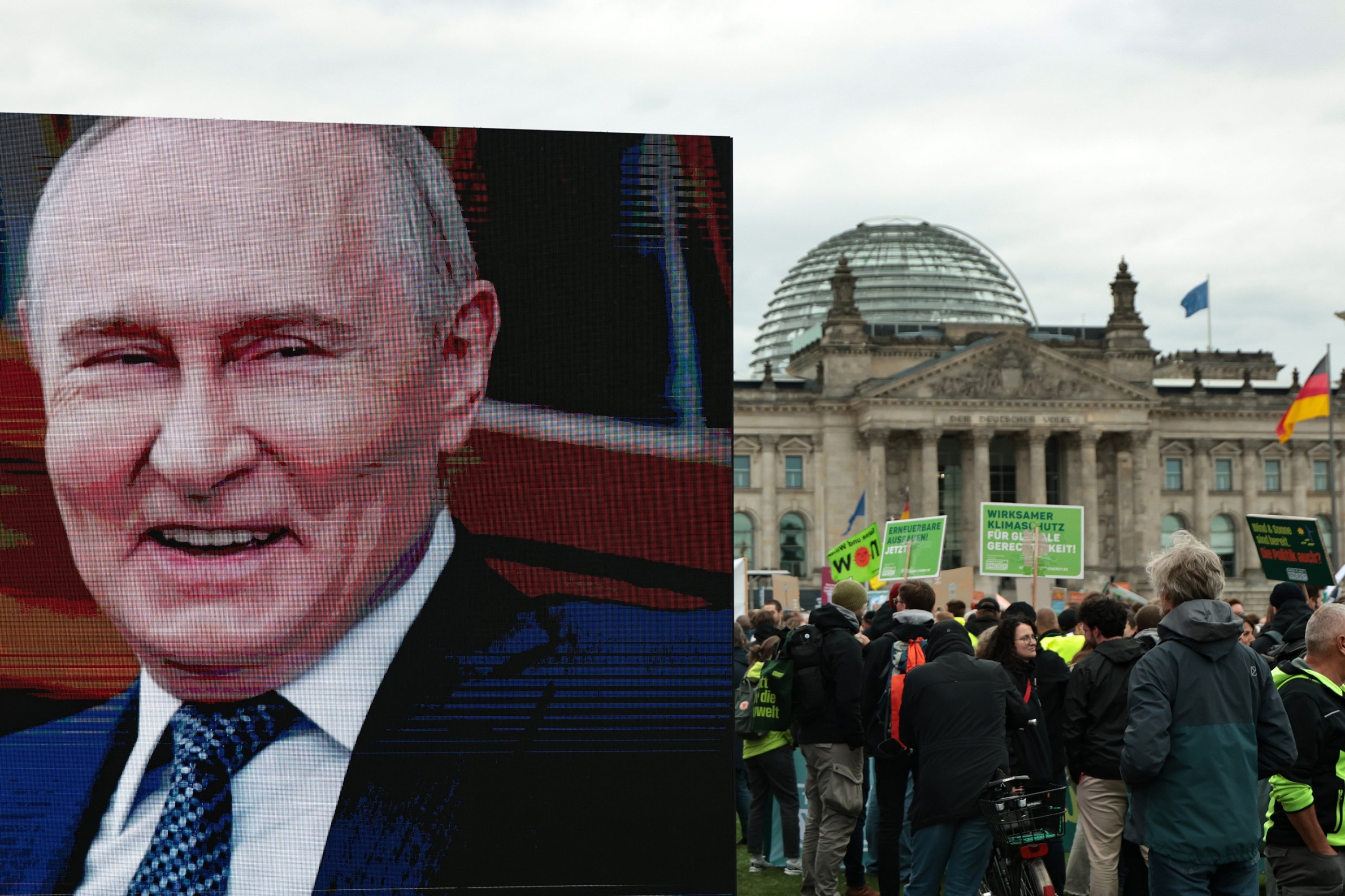
Until recently, Russia was Europe’s largest traditional energy supplier. However, following the war in Ukraine, Russian natural gas flows to Europe declined dramatically, reducing the supply of relatively cheap energy and imposing substantial economic costs on European countries. The United States and other Western countries imposing sanctions on Russia played a role in that. Under previously signed contracts, Russia was expected to supply gas worth 475 billion euros. However, due to the sanctions and related disruptions, gas imports from Russia amounted to only 197 billion euros in this period.
The other significant development that led to an increase in energy prices is the U.S. and Israeli attacks against Iran. In response to intense military attacks, Iran expanded the conflict to a wider region by striking U.S. military bases and other targets and by closing the Strait of Hormuz to oil shipments. In the aftermath of the failed peace talks, European countries have been among the most severely affected by disruptions to global oil and natural gas trade.
When problems arise in energy supply chains around the world, especially in Russian and Gulf energy supplies, the U.S. has emerged as the primary alternative for meeting Europe’s energy needs. According to the agreement made between the U.S. and the EU, it was decided to increase the EU’s energy imports from the U.S. by 2.5 times. While the EU currently imports approximately $90-$100 billion of energy products of U.S. origin annually, this amount is planned to be increased on an annual basis for the next three years. In other words, the U.S. is currently exporting energy to Europe at high prices.
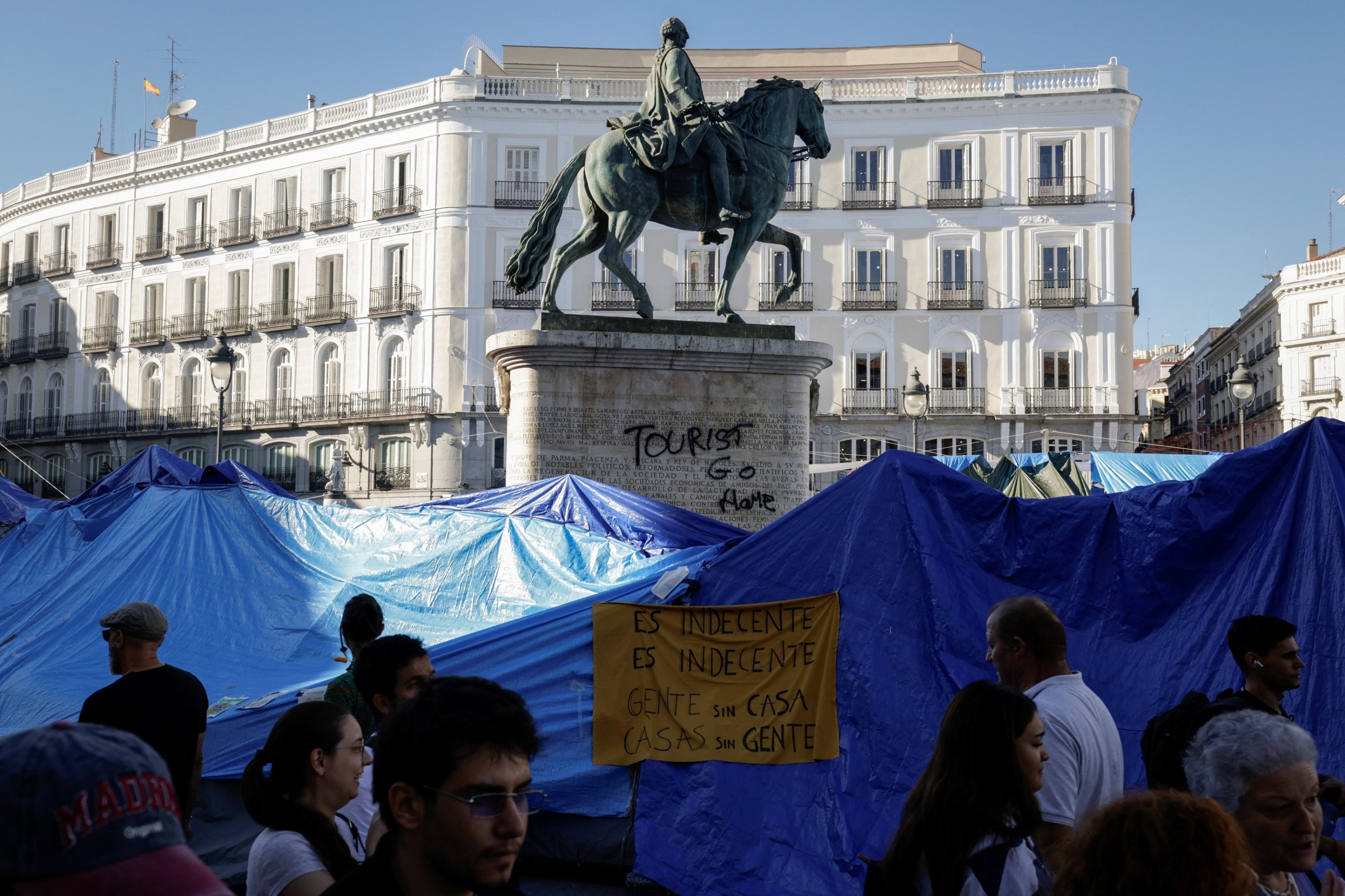
Price increases in the energy sector have led to rising inflation and the emergence of economic problems in European countries. The latest wave of protests that have recently emerged across Europe are, for the most part, a reaction to rising fuel prices, the high cost of living, and poor public services.
European countries have traditionally been seen as global leaders in human rights and the rule of law. However, this image of Europe as a founding force for these values has been seriously challenged.
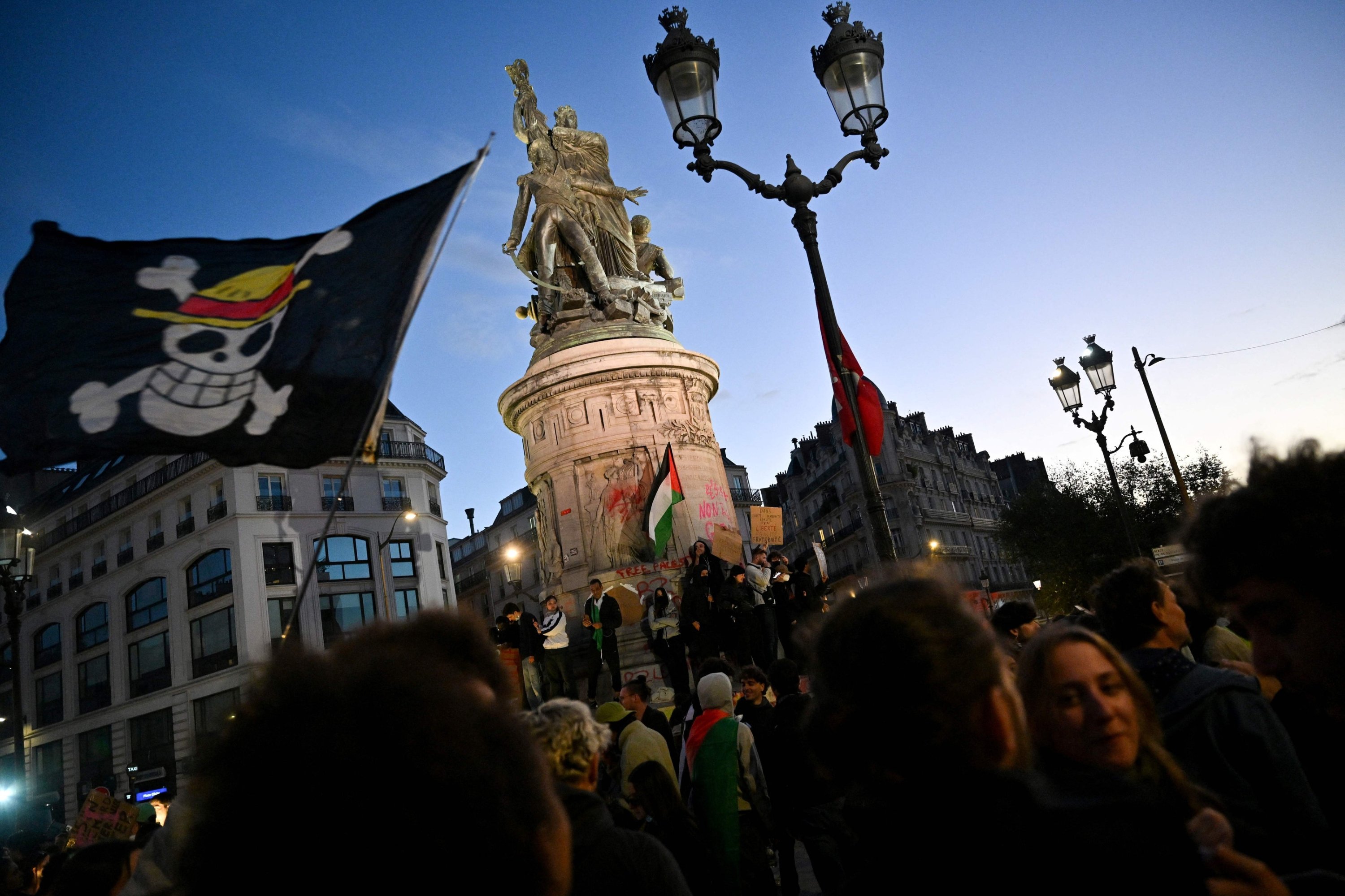
One of the most significant reasons for their loss of legitimacy is the support provided by European governments and the EU institutions for the genocide committed by Israel in Gaza. For the past three years, millions of Europeans have been taking to the streets to protest their governments’ support for genocide. Their failure to show the same level of concern for human rights and international law regarding the Global South, and particularly in Palestine, as they do for Ukraine is being strongly criticized.
Millions of Europeans find it unacceptable that their governments, which avoid their responsibility to provide basic public services to their own people, are instead pouring billions of euros into supporting genocide and mass killings in Palestine. Moreover, the legitimacy of European governments that subject their own citizens, who protest Israel’s massacres, to all manner of oppression and violence is being called into question.
Europe has lost a significant portion of its soft power, one of the continent’s core strengths. At one time, European nations stood as the premier examples of liberal democracies with robust mechanisms for representation. Today, however, many European governments lack both strong representation and political legitimacy. In key countries such as France and Germany, the public support and net approval ratings for leaders have fallen to historic lows. This weak domestic public support hinders the taking of bold steps in foreign policy and economic reform. Protests in various European countries over the past few years, in which millions of people have participated, serve as one of the most significant indicators of the lack of legitimacy.
The absence of effective leaders capable of bringing the European countries together also poses a major handicap for European politics. There are no effective leaders in either European states or European institutions. National leaders who lack a vision for the future are casting a shadow over the future of both their own countries and the European continent. Similarly, the EU officials stand out as the most ineffective leaders in the history of the EU. There is no leader capable of bringing European peoples together and overcoming the differences across the continent.
Transformative leaders who shaped history such as Helmut Kohl, Margaret Thatcher, or Jacques Delors have been replaced by technocratic, transitional or populist figures who prioritize inter-institutional consensus and day-to-day crisis management. On the other hand, the traditional Franco-German leadership, which was the driving force behind the EU and continental unity, is unable to articulate a shared vision. Similarly, the lack of political leadership plays a major role in Europe’s primary shortcoming in the realms of defense and foreign policy. Due to the lack of effective political leadership, Europe has failed to develop a coherent and unified strategic approach against the Russian threat or the volatility of U.S. security commitments.
Differences and conflicts within Europe are steadily increasing.
The European continent is divided along several lines, including the poor East versus the wealthy West, the relatively problem-free North versus the more troubled South, the mainstream right versus the radical right, and an increasingly wealthy minority versus an increasingly impoverished majority.
On the other hand, the EU and European countries are divided in their relations with other international actors. European perspective on Russia is largely different. While Eastern European countries such as Poland and the Baltic states see Russia as a direct and existential threat, Western European countries such as France and Italy adopt a more cautious and moderate approach toward Russia. Some far-right political actors across Europe view Russia as a friendly state, while centrist and mainstream political actors regard it as a threat. Ultimately, European countries are unable to develop a unified response to Russia’s acts of sabotage against critical infrastructure, cyberattacks and violations of European airspace.
Similarly, European countries do not have a united perspective on the U.S. While some European states are pro-American and prefer to maintain transatlantic alliance relations, others are anti-American and prefer increasing their respective strategic autonomy. Some European states are reluctant to establish their own independent defense architecture, while others want to develop their own defense capacities.
Within the European continent, there are also differences in political perspective regarding the ongoing Israeli genocide and war crimes in Palestine. On the one hand, countries such as Ireland, Spain, Belgium and Sweden are at the forefront advocating for recognition of the State of Palestine, the suspension of the EU-Israel Association Agreement, and the imposition of sanctions against far-right Israeli ministers. On the other hand, countries such as Germany, the Czech Republic, Austria, Hungary and Slovakia continue to support Israel. European states such as Germany and Italy have opposed proposals, notably those from Spain, to suspend the Association Agreement.
Despite intensifying internal and external pressures on European governments due to different factors, European officials have been reluctant to address the fundamental issues. Their governments are determined to maintain a low profile, while looking for scapegoats. They do not want to deal with critical regional and global issues. They neither abandon their arrogant perspectives toward the non-Western nations nor give up their double standards toward different international crises. If European governments fail to realize that this situation is unsustainable for their continent, it may well be too late to recover.