The U.S. European Command (EUCOM) is one of the 11 units the United States possesses all over the world. Thanks to its efforts to dismember Iraq and Syria, we in Turkey know the U.S. Central Command (CENTCOM) is responsible for the wars in the Middle East, Africa and Central Asia and parts of South Asia.
It created several so-called autonomous cantons in northern Syria and right now is busy adding a new military base to protect those entities within a stone’s throw from Turkey on its southern border.
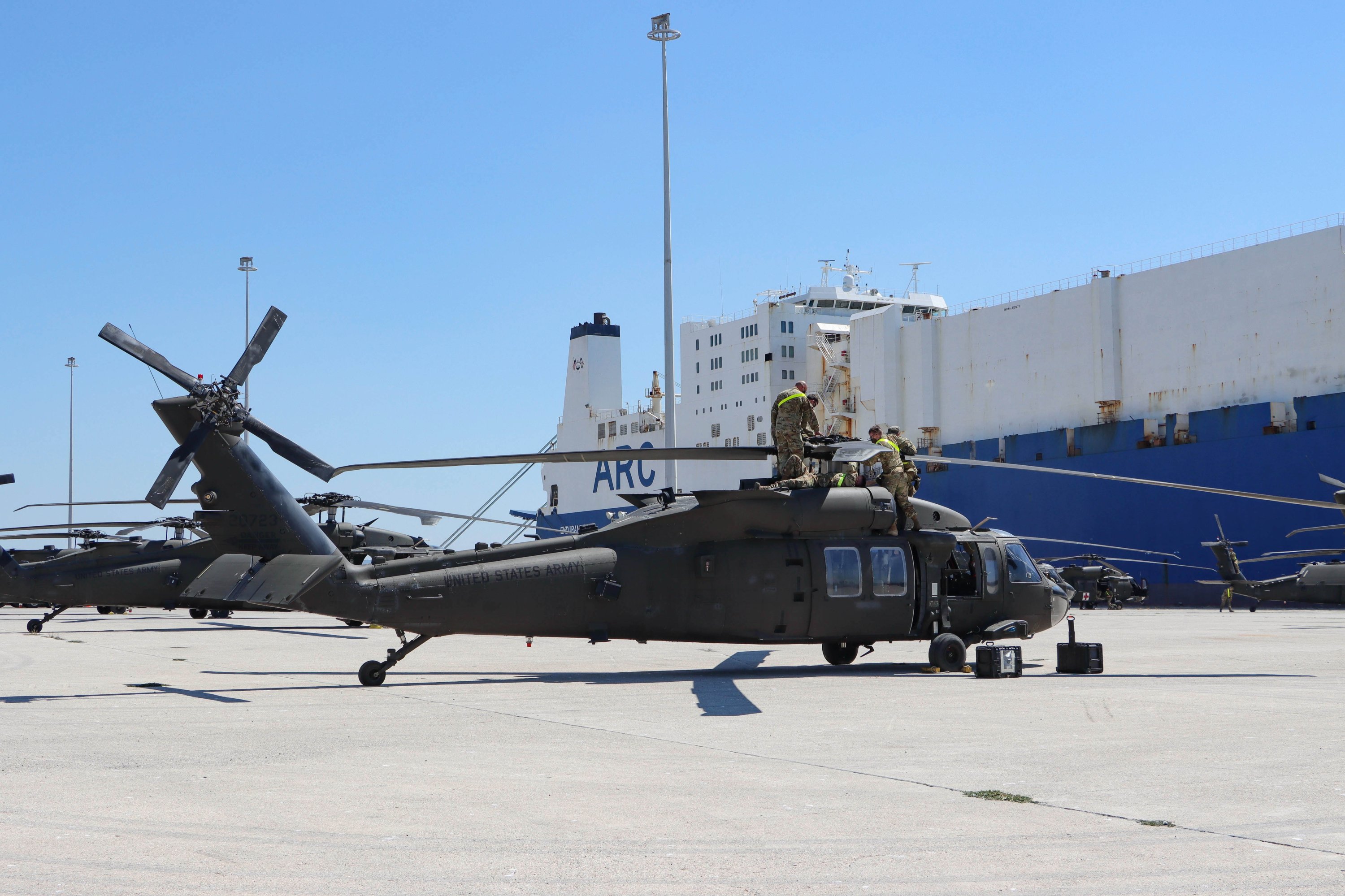
Headquartered in Stuttgart, Germany, EUCOM is “responsible” for 51 countries and territories in Europe, Russia, Greenland and Israel. EUCOM is now trying to build a huge military presence within eyeshot on the other end of Turkish borders.
I will try to summarize for its commander, the four-star U.S. Air Force Gen. Tod D. Wolters, who also serves as NATO's Supreme Allied Commander Europe (SACEUR), and how the site of his new base fell into Greek hands.
Wolters’ military facility is in Alexandroupoli (Dedeağaç), where the Turkish-Muslim population was once four times higher than all the Christians and Jews residing there.
I don’t mean “once upon a time.” We are talking about the results of the 1920 plebiscite done by former Greek Prime Minister Eleftherios Kyriakou Venizelos (the great-granddad of the sitting Greek Prime Minister Kyriakou Mitsotakis, who is named after him).
When the Ottoman Empire lost those countries to the Allied Powers at the end of World War I, signing the 1919 Treaty of Neuilly, the victors decided to ask the local people which country they’d like to be attached to; Venizelos hadn’t waited idly but tried to secure favorable results with a major ethnic cleansing and population moving operation.
Yet the people voted for the French mandate. The Ottoman government in Istanbul preferred French rule rather than seeing Greece gobble up another piece of the dying empire. However, the local people created resistance groups and kept autonomous administrative pockets recognized by the French military commander and provisional governor.
Due to the internal discord among the European powers, the French didn’t want to turn Western Thrace over to Greece, while the British wanted to see Greeks rather than the French and the Italians. The future of the area could not be decided in a timely manner, and the Turks, expelling the Greek armies placed in Izmir by the British, slowly moved toward Western Thrace.
However, the national forces, weary of wars since the early days of World War I, seemed content with securing two former capitals of the empire, Istanbul and Edirne, and didn’t go any further. Yet, the local resistance survived: The Muslim people of the area did not disarm their underground forces.
Only Italy, rejecting the agreement that would turn the Aegean Islands over to Greece and leave Western Thrace to Venizelos (who grabbed the power back after the embarrassing defeat in Anatolia firing King Constantine a second time) tried to side with the new Turkish republic, but it was not enough.
The Muslim resistance in the area was not powerful enough; the leaders of the young Turkish state miscalculated the British intentions that it could restart the war if a peace agreement were not signed in Lausanne. Venizelos easily crushed the Muslim resistance, but the community still survived.
If Wolters is not busy enough with the welcoming committees’ banquets in Alexandroupoli celebrating new U.S. weapons agreements with Greece and would like to listen to those demonstrators protesting, he’d hear that people are not only protesting the weapons EUCOM is amassing in Thrace, but they also are opposing Greek dominance in the area. Those are the great children of the resistance against the Greek occupation of their lands.
Encyclopedias mention only Greek "Megali Idea" to claim and recreate the Byzantine Empire in Istanbul and the Black Sea and the Aegean Sea regions of Anatolia. But Wolters should also learn about the irredenta that still exists in the hearts and minds of the Muslim people of Western Thrace. The general’s base surrounding Turkey from the Western borders may not have the consent of real landowners.