

Daily Sabah logo

Politics
Diplomacy Legislation War On Terror EU Affairs Elections News Analysis
TÜRKİYE
Istanbul Education Investigations Minorities Expat Corner Diaspora
World
Mid-East Europe Americas Asia Pacific Africa Syrian Crisis Islamophobia
Business
Automotive Economy Energy Finance Tourism Tech Defense Transportation News Analysis
Lifestyle
Health Environment Travel Food Fashion Science Religion History Feature Expat Corner
Arts
Cinema Music Events Portrait Reviews Performing Arts
Sports
Football Basketball Motorsports Tennis
Opinion
Columns Op-Ed Reader's Corner Editorial
PHOTO GALLERY
JOBS ABOUT US RSS PRIVACY CONTACT US
© Turkuvaz Haberleşme ve Yayıncılık 2025

Daily Sabah - Latest & Breaking News from Turkey | Istanbul

  • Politics
    • Diplomacy
    • Legislation
    • War On Terror
    • EU Affairs
    • Elections
    • News Analysis
  • TÜRKİYE
    • Istanbul
    • Education
    • Investigations
    • Minorities
    • Expat Corner
    • Diaspora
  • World
    • Mid-East
    • Europe
    • Americas
    • Asia Pacific
    • Africa
    • Syrian Crisis
    • Islamophobia
  • Business
    • Automotive
    • Economy
    • Energy
    • Finance
    • Tourism
    • Tech
    • Defense
    • Transportation
    • News Analysis
  • Lifestyle
    • Health
    • Environment
    • Travel
    • Food
    • Fashion
    • Science
    • Religion
    • History
    • Feature
    • Expat Corner
  • Arts
    • Cinema
    • Music
    • Events
    • Portrait
    • Reviews
    • Performing Arts
  • Sports
    • Football
    • Basketball
    • Motorsports
    • Tennis
  • Gallery
  • Opinion
    • Columns
    • Op-Ed
    • Reader's Corner
    • Editorial
  • TV
  • Opinion
  • Columns
  • Op-Ed
  • Reader's Corner
  • Editorial

Who benefits from controlled proxy conflict?

by Burhanettin Duran

Jan 07, 2024 - 1:26 pm GMT+3
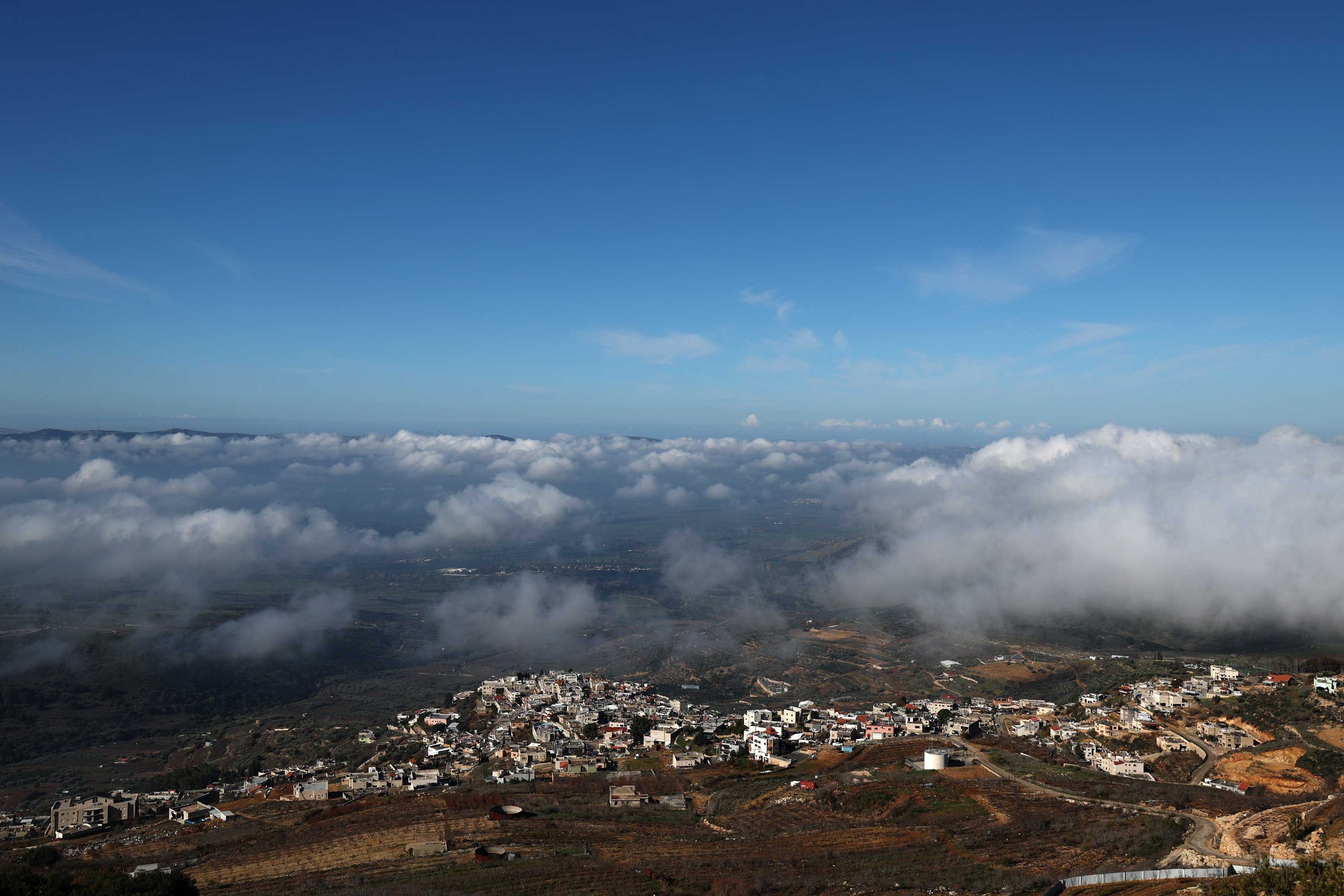
A general view shows the Upper Galilee and the south of Lebanon in the background, as seen from northern Israel, Jan. 6, 2024. (EPA Photo)
by Burhanettin Duran Jan 07, 2024 1:26 pm

The controlled proxy conflict state could benefit both Iran and Israel, elevating global and regional assessments of regional powers to a new level

The Middle East rang in the new year with assassinations and terror attacks. Saleh al-Arouri, the deputy leader of Hamas' political bureau, was assassinated in Beirut last Tuesday. The following day, two bombings in Kirman, Iran (for which Daesh has claimed responsibility) killed 103 people. As those attacks shifted everyone’s attention to Israel, Iran and Hezbollah pledged to exact “revenge and a heavy price.”

Houthi attacks on commercial vessels in the Red Sea and Operation Prosperity Guardian, which the United States launched in retaliation, the killing of Islamic Revolutionary Guards Corps (IRGC) commander Sayyed Reza Mousavi in Syria and the killing of Abu Taqwa al-Saedi, a leader of the Hashd al-Shaabi-affiliated militia called the Nujaba movement, in Iraq by the U.S. were among the remaining signs of regional escalation.

Let us also recall that Türkiye’s National Intelligence Organization (MIT) recently arrested 34 Israeli spies.

Meanwhile, U.S. Secretary of State Antony Blinken is visiting the Middle East for the fourth time in an attempt to de-escalate tensions. Having arrived in Istanbul last Friday, Blinken is scheduled to visit Jordan, Qatar, the United Arab Emirates (UAE), Saudi Arabia, Egypt, Israel, the West Bank and Greece.

Ahead of the U.S. presidential election in November, U.S. President Joe Biden's administration must work hard to try and prevent the Israeli-Palestinian conflict from setting ablaze the entire region.

Destabilization not shocking

Sadly enough, all those clashes and tensions are hardly surprising for the Middle East. Everyone expected the unconditional support that the U.S. and other Western nations offered to Israel’s massacres in Gaza in the wake of the Oct. 7 attack would destabilize the region. It was no secret that Israel’s pledge to “eliminate Hamas” and “fight on seven fronts” would entail open and covert operations. Indeed, there was talk of Benjamin Netanyahu’s government hoping that the conflict would spill over to Lebanon and the U.S. would have to confront Iran directly.

Will the increasing number of terror attacks and intelligence operations in the region escalate the ongoing proxy conflict to an open confrontation? The U.S. obviously does not want that. Iran, too, would not want the fighting to “spin out of control” and lead to a war with the U.S. and Israel – despite remaining committed to proxy wars in Lebanon, Syria, Iraq and Yemen. Despite deterrent blows, the Axis of Resistance that Iran built over 44 years remains powerful enough to keep the indirect proxy conflict going. Assassinations and terror attacks encourage the Iranian militias to keep the “Qassem Soleimani spirit” alive. There is no reason to expect such developments to deter Iran or its proxies.

Hard times

The fighting spinning out of control represents a serious risk. Indeed, Türkiye’s Foreign Minister Hakan Fidan has been saying that the West condoning Israel’s aggression results in major ruptures in the international system and heightens the risk of a regional conflict: “I believe that the Israelis are having a hard time stopping themselves from waging war with Lebanon. I insist that this is a dead end. This war will not end if such a thing were to occur. Quite the contrary, there is a need to focus on peace and the two-state solution if people want the issue to be resolved.”

This state of “controlled proxy conflict” might play into the hands of Iran and Israel alike. Yet, the current situation would take the global and regional assessments of Türkiye, Saudi Arabia, Egypt and other regional powers to a new level. Specifically, the Gaza crisis, on top of the Ukraine war, could encourage countries in the region to revise their security policies – just like Chinese and Russian efforts to get involved in regional affairs or the bilateral and regional security cooperation agreements between Türkiye and the Gulf states.

The United States might be compelled to revise its Middle East policy depending on the outcome of this year’s presidential election.

About the author
Burhanettin Duran is the Head of Communications for the Republic of Türkiye.
  • shortlink copied
  • KEYWORDS
    the middle east israel-palestine conflict iran turkish foreign policy us foreign policy intelligent services
    The Daily Sabah Newsletter
    Keep up to date with what’s happening in Turkey, it’s region and the world.
    You can unsubscribe at any time. By signing up you are agreeing to our Terms of Use and Privacy Policy. This site is protected by reCAPTCHA and the Google Privacy Policy and Terms of Service apply.
    No Image
    Seagulls grace the skies over Ankara's Mogan Lake
    PHOTOGALLERY
    • POLITICS
    • Diplomacy
    • Legislation
    • War On Terror
    • EU Affairs
    • News Analysis
    • TÜRKİYE
    • Istanbul
    • Education
    • Investigations
    • Minorities
    • Diaspora
    • World
    • Mid-East
    • Europe
    • Americas
    • Asia Pacific
    • Africa
    • Syrian Crisis
    • İslamophobia
    • Business
    • Automotive
    • Economy
    • Energy
    • Finance
    • Tourism
    • Tech
    • Defense
    • Transportation
    • News Analysis
    • Lifestyle
    • Health
    • Environment
    • Travel
    • Food
    • Fashion
    • Science
    • Religion
    • History
    • Feature
    • Expat Corner
    • Arts
    • Cinema
    • Music
    • Events
    • Portrait
    • Performing Arts
    • Reviews
    • Sports
    • Football
    • Basketball
    • Motorsports
    • Tennis
    • Opinion
    • Columns
    • Op-Ed
    • Reader's Corner
    • Editorial
    • Photo gallery
    • DS TV
    • Jobs
    • privacy
    • about us
    • contact us
    • RSS
    © Turkuvaz Haberleşme ve Yayıncılık 2021