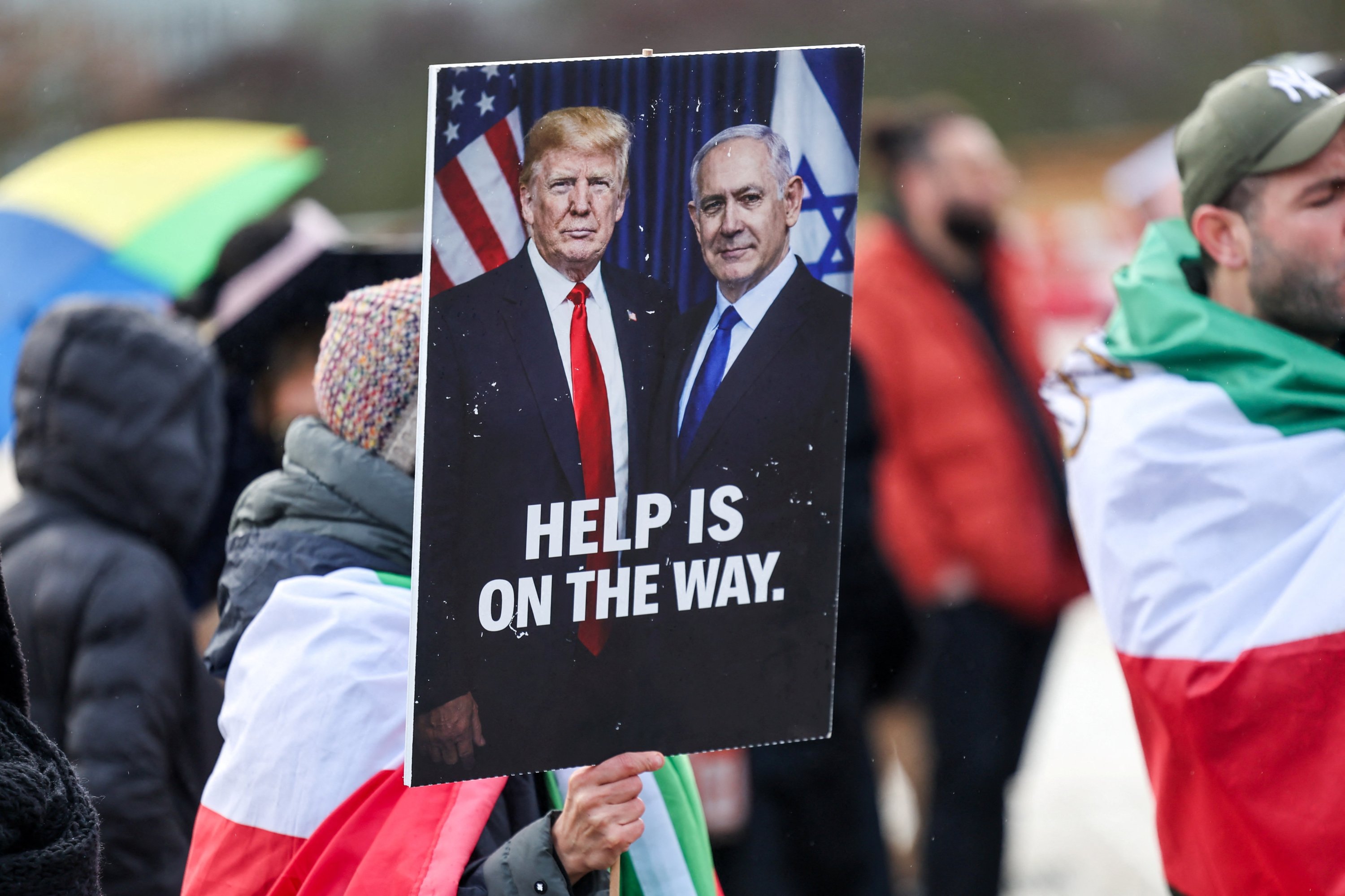
Tension between the United States and Iran is being closely watched by the world, with speculation mounting about whether the conflict will escalate into war. There has been a tidal wave for a long time. The U.S. and Iranian representatives are making contradictory statements. They sometimes use conciliatory language and sometimes confrontational language. Observers place bets every day on whether the two states will go to war.
The two countries have sat on the negotiation table in Muscat, Oman and continued in Genoa, Switzerland. It seems that it will not be an easy decision to make for both sides. When we look at the Iranian side, we see that they use a conciliatory language, their officials insistently explaining that they will not start the war. However, Iran faces very serious risks and threats in two areas.
On the one hand, perhaps the Iranian regime is going through its most difficult days since the revolution in 1979 in its domestic politics. The latest wave of protests and growing economic problems are causing difficult times for the Iranian regime. On the other hand, given the losses of the last year, such as the attacks against Iran during the 12-Day War, the collapse of the Assad regime in Syria, which was Iran’s closest ally in the region, and the blows suffered by Hezbollah in Lebanon, Iran is forced to adopt a defensive stance against the U.S. and Israel.
At the beginning of the tension, the U.S. had only one demand: ending Iran’s nuclear program. However, as the negotiations dragged on, the U.S. raised the stakes. The U.S. now has three main demands from Iran: ending its nuclear program, restrictions on its long-range ballistic missiles, and an end to its support for regional proxy groups.
Given the explanations of Iranian officials, it seems that Iran is ready to make concessions on its nuclear program. In return, Iran wants the U.S. to lift economic sanctions and to allow Iran to enrich uranium. However, Iran will not accept the other two demands for two main reasons.
First of all, Iran needs an effective external threat to consolidate the regime and also ensure national unity. Until very recently, the enmity toward both the U.S. and Israel, great and little Satan respectively, had been providing necessary reasoning for the regime. Political instability in Iran forces the regime to use foreign policy issues for domestic consumption. In other words, Iran will instrumentalize its tension with the U.S. and Israel to provide support for the regime.
Second, Iran wants to maintain its deterrent powers against external threats. If Iran meets the three main American demands, it will lose its deterrent power. If it gives up its support for its regional proxies, it will lose its outreach. Similarly, if it ends its long-range ballistic missile program, Iran will lose its deterrent power. Any global or regional state may directly target Iran under certain circumstances.
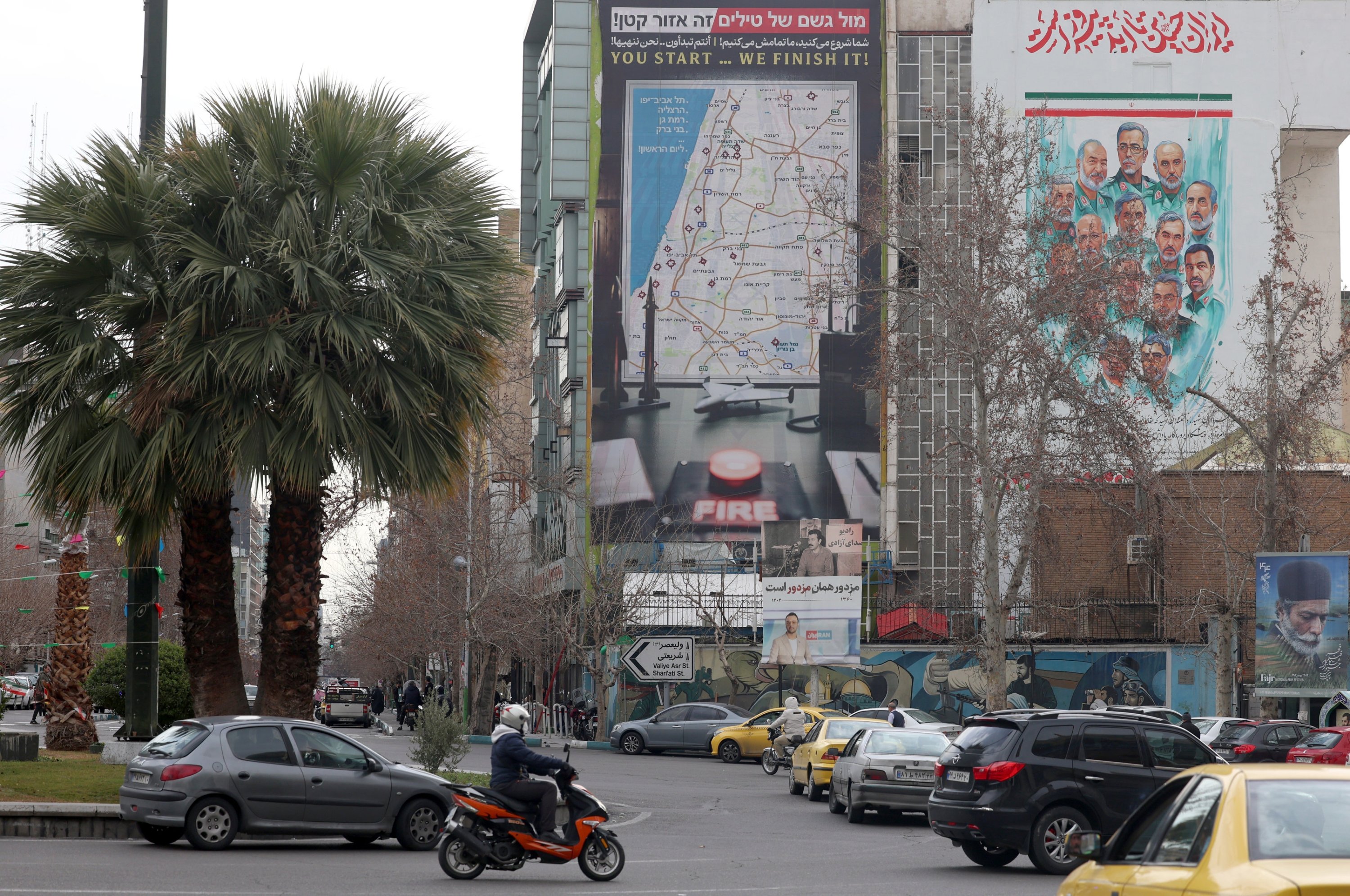
Similar to Iran, the U.S. and Israel also have their own problems to solve. Israel will hold parliamentary elections on Oct. 27, 2026. Netanyahu wants to win “another victory” in the region to guarantee his reelection. He destroyed Gaza and directly attacked seven regional countries, including Qatar, one of the closest allies to the West. Now, he needs another political adventure to get reelected. Therefore, the Israeli government will put extra pressure on the U.S. to resort to war.
In the U.S., President Donald Trump has been severely criticized for bypassing the Constitution and for his unilateral foreign policy activities. The U.S. institutions have begun to discuss and redefine their legal rights and responsibilities. Many politicians, including some Republicans, started to directly criticize the Trump administration for violating the Constitution. On the other hand, the U.S. midterm elections are scheduled to be held on Nov. 3, 2026. Therefore, Trump, whose approval rating hit a new low, also needs a victory and success before the elections.
President Trump, who deployed the largest military force to target Iran, will not return home without getting what he wants. The U.S. has sent a significant number of fighter jets and support aircraft to the region, gathering the greatest amount of air power in the area since the U.S. invasion of Iraq in 2003.
It seems that although the regional realities and balance of power discourage all three states from going to war, all three states will instrumentalize tension with other countries to get what they want in domestic politics. That is, they will utilize the crisis for domestic consumption. Although this calculation involves risks, it will determine whether they go to war. We will wait and see.