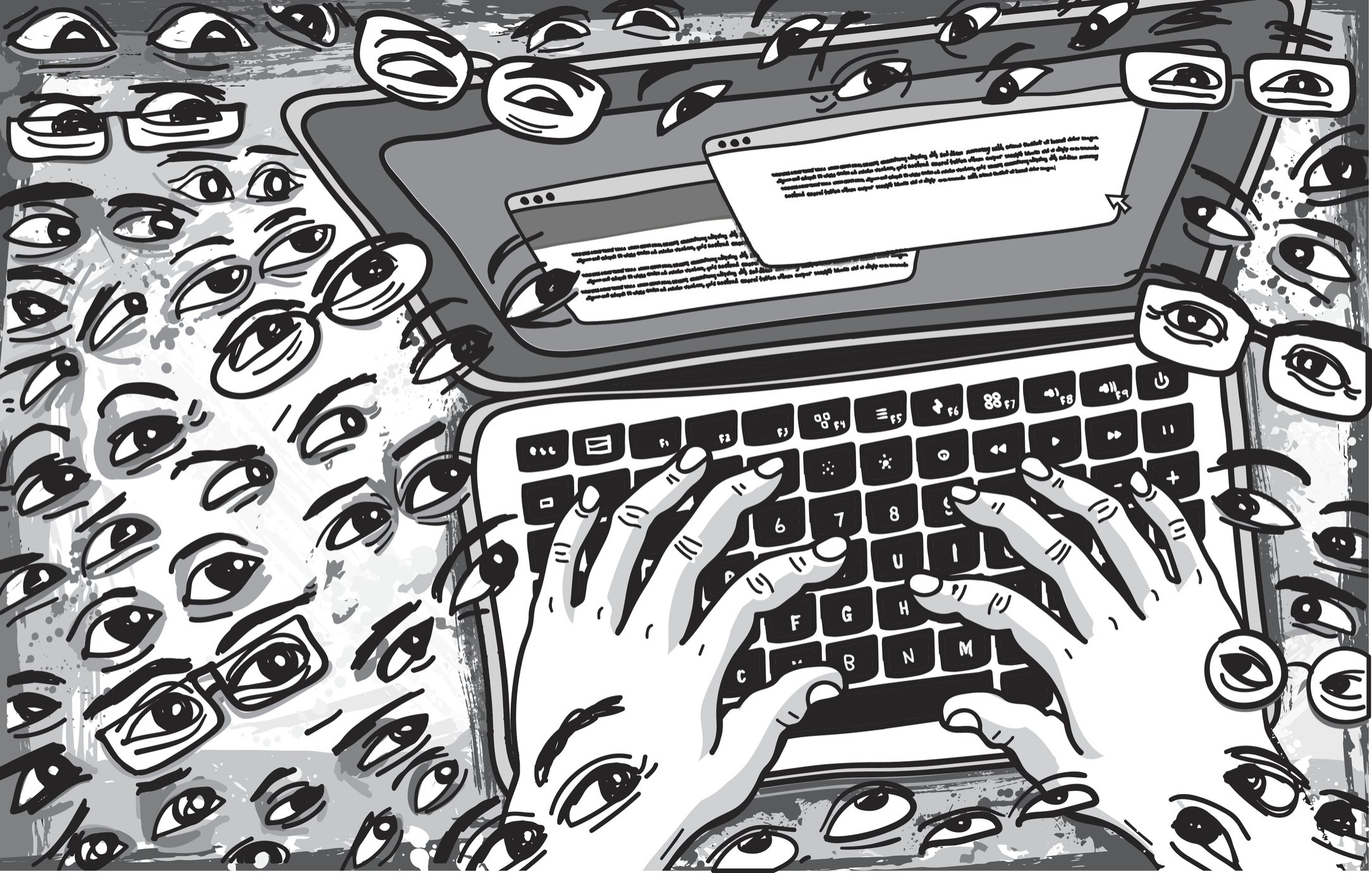
Every community has two kinds of people: those who show up, and those who sit comfortably on the sidelines, narrating what the former group “should have done better.” After years of observing institutions, companies, civic groups and alumni associations, I’ve come to a simple conclusion: Communities that reward meaningful participation move forward. Communities that reward meaningless commentary fall behind.
So why do so many prefer criticizing over contributing? Part of the answer is psychological. Complaining feels good. It asks nothing of you – no risk, no accountability, no time, no responsibility. In an age of exhaustion, cynicism is the cheapest form of self-expression. All someone needs to do is shrug and say, “This will never work,” and suddenly they sound like the smartest person in the room without lifting a finger.
Research backs this up. A 2010 study by Russell Johnson and colleagues in the journal Human Performance on workplace arrogance found that people who project superiority and constantly criticize others often do so to compensate for poor performance, low confidence or a lack of competence. In other words, arrogance becomes a mask, not a credential.
But beneath that cynicism lies another force: fear of responsibility. The moment you enter the arena, whether it’s an election, a corporate project, a school board or an alumni association, your ideas collide with reality. You have to negotiate, compromise, face constraints and accept criticism. You risk failure. From the sidelines, however, you risk nothing. You can enjoy the illusion of infinite wisdom at zero cost.
There is also the modern trend of performative dissatisfaction. Negativity has become a form of social currency. It signals sophistication: “I see the flaws better than everyone else.” It grants a quick hit of moral superiority without requiring any solutions. But nothing meaningful has ever been built by people who only describe what is wrong.
Years ago, I attended an editorial meeting at a major Paris newspaper. Twenty editors crowded around a long wooden table, sharpening ideas, challenging assumptions and interrogating facts. It was messy and entirely human. But it was also real work. It reminded me that institutions survive through collaboration, not commentary.
The same dynamic applies everywhere. Cities decline when citizens outsource civic responsibility to “someone else.” Companies stagnate when employees hide behind bureaucracy. Civil society weakens when people trade participation for passive criticism. Progress, simply put, depends on participation.
This is not an argument against criticism. Constructive criticism is vital, but it comes from people who also build, contribute and take responsibility. The most corrosive criticism comes from those who never show up yet always claim to know better.
Communities that celebrate the can-do spirit and gently sideline the armchair quarterback mentality renew themselves. They attract talent, solve problems and generate optimism. Communities that tolerate endless commentary without contribution eventually exhaust the doers. And once the doers burn out, the critics discover there is nothing left to critique – only ruins to inherit.
So the real question is not why some people prefer the sidelines. Human nature makes that predictable. The real question is whether we reward that behavior, or whether we say, firmly but politely:
If you want change, come help build it. If not, at least don’t block the path for those who do. Because in the end, progress is never made by the loudest voices. It is made by the people who show up. Here’s to the ones who show up, get their hands dirty and get things done.