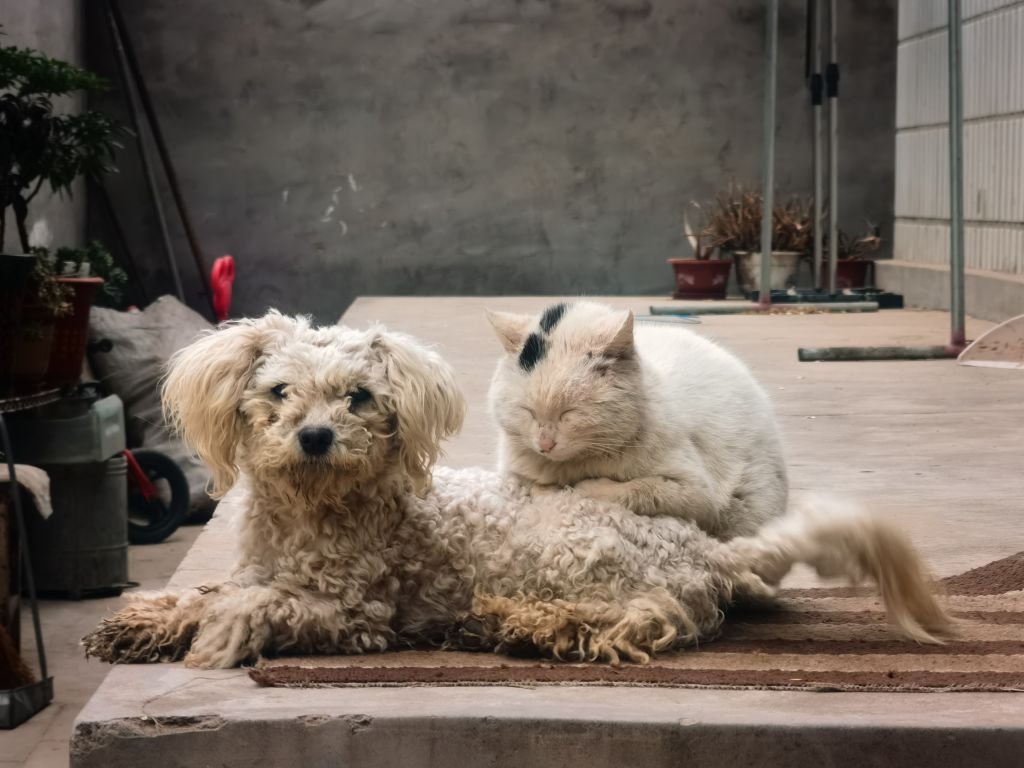
The street cat, hungry and craving a bite of fish, swiped its paw across the little boy’s hand with the indifferent precision only a cat can muster. A thin line appeared – no blood, just a warning – and for a brief second, the world froze. Then came the explosion: tears, outrage and an operatic howl that shattered the otherwise sleepy calm of the seafood restaurant. “Now I know why we have a dog!”
It wasn’t the pain that stung him, nor even the small shock of being scratched. It was the sudden clarity of purpose. In his 6-year-old mind, everything snapped into alignment: the hierarchy of animals, the moral architecture of the universe, the logic of our household. The cat was in chaos. The dog was justice. A cosmic balance restored.
Let me add that he has never truly loved the dog. Not the way children love soft toys or bedtime heroes anyway. The dog existed in our life like a furry piece of furniture with strong opinions, dislikes and occasional grumblings. More importantly, the dog was there before the boy was. In some way, the dog had seniority.
Once the frenzy was over, I couldn’t help but think about the early days: the dog standing guard by the crib, stiff and uncertain, watching the newborn sleep with the confused vigilance of an employee promoted without consultation. Some nights I would catch her looking at me with exhausted eyes, as if whispering: “I didn’t sign up for this, boss.”
But duty was duty. And over time, something softened in her. Maybe it was the way the baby-turned-toddler waddled through rooms, dropping accidental offerings of food. Perhaps it was the boy’s curious looks every time the dog barked at the doorbell, as if they shared a private understanding of external threats. Somehow, without either of them noticing, they became companions in a loose, accidental, conspiratorial way.
The dog, a 7-year-old Miniature Schnauzer with the personality of a retired police sergeant, loves to bark at anything that moves: neighbors, delivery men, bicycles, shadows and once, memorably, a plastic bag caught in the wind. She also insists on howling during the call to prayer whenever we're on a walk. She sees threats everywhere, or at least opportunities to be dramatic. Yet around the boy, she learned gentleness. She’d tolerate being hugged like an oversized stuffed animal, adorned with superhero capes, or recruited into games without rules. She is, in his own way, reliable.
The cat, on the other hand, owed allegiance to no one. A true street philosopher. His constitution was simple: eat, sleep, judge, repeat. He approached humans only when warmth or tuna was involved. So the scratch was not malicious. It was policy. A procedural decision. The cost of doing business.
But for the boy, it was a catastrophe. One moment, he was happily eating grilled fish; the next, he was the victim of feline violence. His tears fell in heavy, sincere drops. “Why would he do that?” he sobbed, staring at the faint mark.
We tried to explain boundaries, hunger, clumsiness, the entire psychology of street cats compressed into a gentle parental briefing. He was not convinced. He wanted order. Predictability. Loyalty. He wanted the dog, even though the dog was hundreds of kilometers away at home. And that is what struck me.
His small cry was not just about the scratch. It was about the comfort of knowing someone in this world is reliably on your side. Someone who does not swipe at you when you offer them fish.
By the time dessert arrived, he had calmed down. The cat had moved on to the following table, searching for a more compliant donor. Harmony returned. But his sentence stayed with me. “Now I know why we have a dog!” A simple truth, spoken with the sincerity and heartbreak only a child can muster. And oddly enough, he was right.