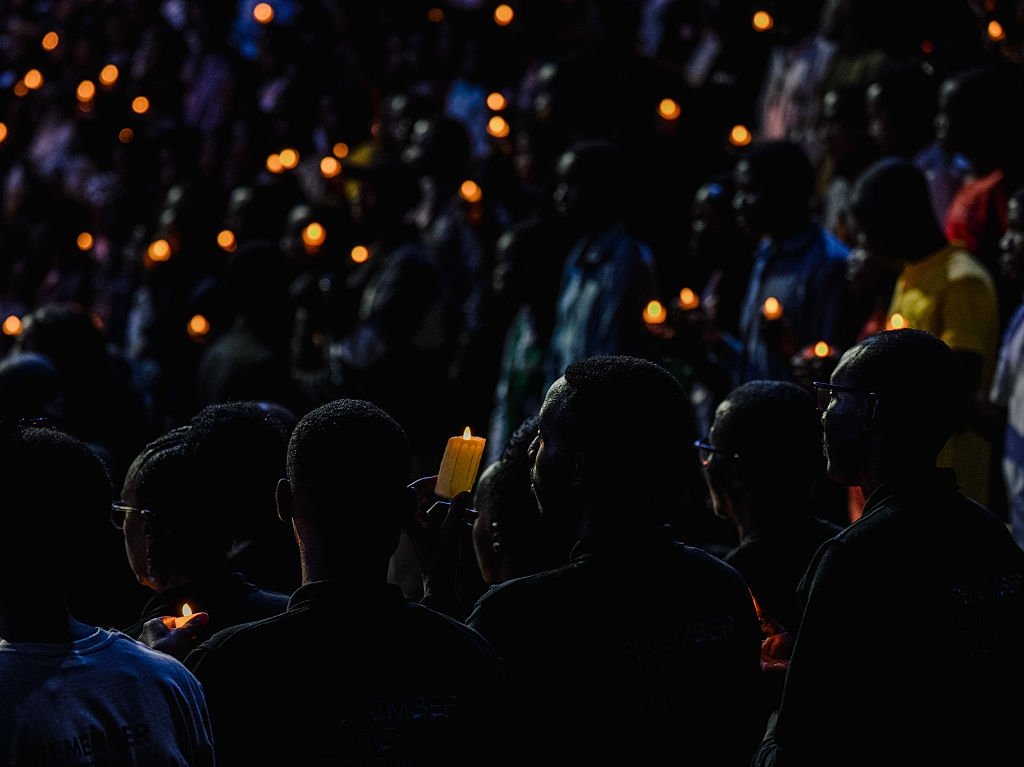
On April 7, 2026, Rwanda and humanity will commemorate the genocide against the Tutsi for the 32nd time. The date April 7 was designated the International Day of Reflection on the 1994 Genocide against the Tutsi by the United Nations General Assembly in 2003. The date marks the beginning of the genocide when the extremist Hutu government in Rwanda, using its armed forces and militia, killed more than 1 million Tutsis and moderate Hutus in the period of 100 days. The genocide was stopped when the liberation movement, the Rwanda Patriotic Front (RPF), led by Maj. Gen. Paul Kagame, now president of Rwanda, fought and defeated the genocidal regime on July 4, 1994.
Rwandans and humanity will never forget April 7. It was the D-Day of the apocalypse that the extremists had earlier warned about. The warning had come during the Arusha peace talks between the RPF and the Rwanda Government (July 1992-August 1993). On Jan. 9, 1993, Col. Theoneste Bagosora, the infamous architect of the genocide, stormed out of the peace talks, vehemently rejecting concessions to the RPF. He declared that he was heading back to Rwanda “to prepare the apocalypse.” As we would soon witness, not only did Bagosora prepare the apocalypse, he also executed it, ordering the killing of countless innocent people.
But the 1994 genocide against the Tutsi was the climax of the killings, not the beginning. Killing Tutsis had been a strategy for the Hutu extremists who were handed power on a silver platter by the Belgians at the independence of Rwanda in 1962. Like most colonial powers around the independence period, the Belgians abhorred leaving power in the hands of nationalists. They branded them communists to justify their exclusion and extermination. In the Democratic Republic of the Congo, they killed Patrice Lumumba, the Prime Minister, and in Rwanda, they eliminated the nationalist King Rudahigwa. They went on to install a puppet President, Gregoire Kaibanda, a Hutu groomed in the Catholic Church who was glad to perpetuate their hold over Rwanda.
In the anarchy that followed, thousands of Tutsis were killed, and tens of thousands fled to neighboring countries. The Tutsis who remained in Rwanda continued to be targets of arbitrary killing, alienation and all sorts of abuse. By 1994, the extremists had perfected their genocide plan. In January 1994, General Romeo Dallaire, the Canadian U.N. Force commander in Rwanda, received intelligence on the extremist killers’ capabilities. An informer confided to him that he was in charge of training militias to kill Tutsis, and his teams were ready with necessary arms and ammunition. He further revealed that these teams, which were deployed to many parts of the country, could kill at least 1000 people in 20 minutes. The U.N. inaction, when Gen. Dallaire transmitted this information to New York, remains testament to the organization’s ineffectiveness in the face of such humanitarian crises.
Some 32 years later, Rwanda has moved on to become one of the most promising countries on the continent of Africa. Over the past two decades, the country has recorded sustained economic growth averaging around 7-8% annually, significantly reduced poverty levels and invested heavily in human capital and institutional reform. Under the leadership of H.E Paul Kagame, the Rwanda Patriotic Front has unified the earlier fractured country, institutionalized unity and reconciliation and built accountable governance systems. Today, Rwanda ranks among the safest countries in Africa and is globally recognized for its governance reforms and gender equality, with women holding over 60% of parliamentary seats, which is the highest representation in the world.
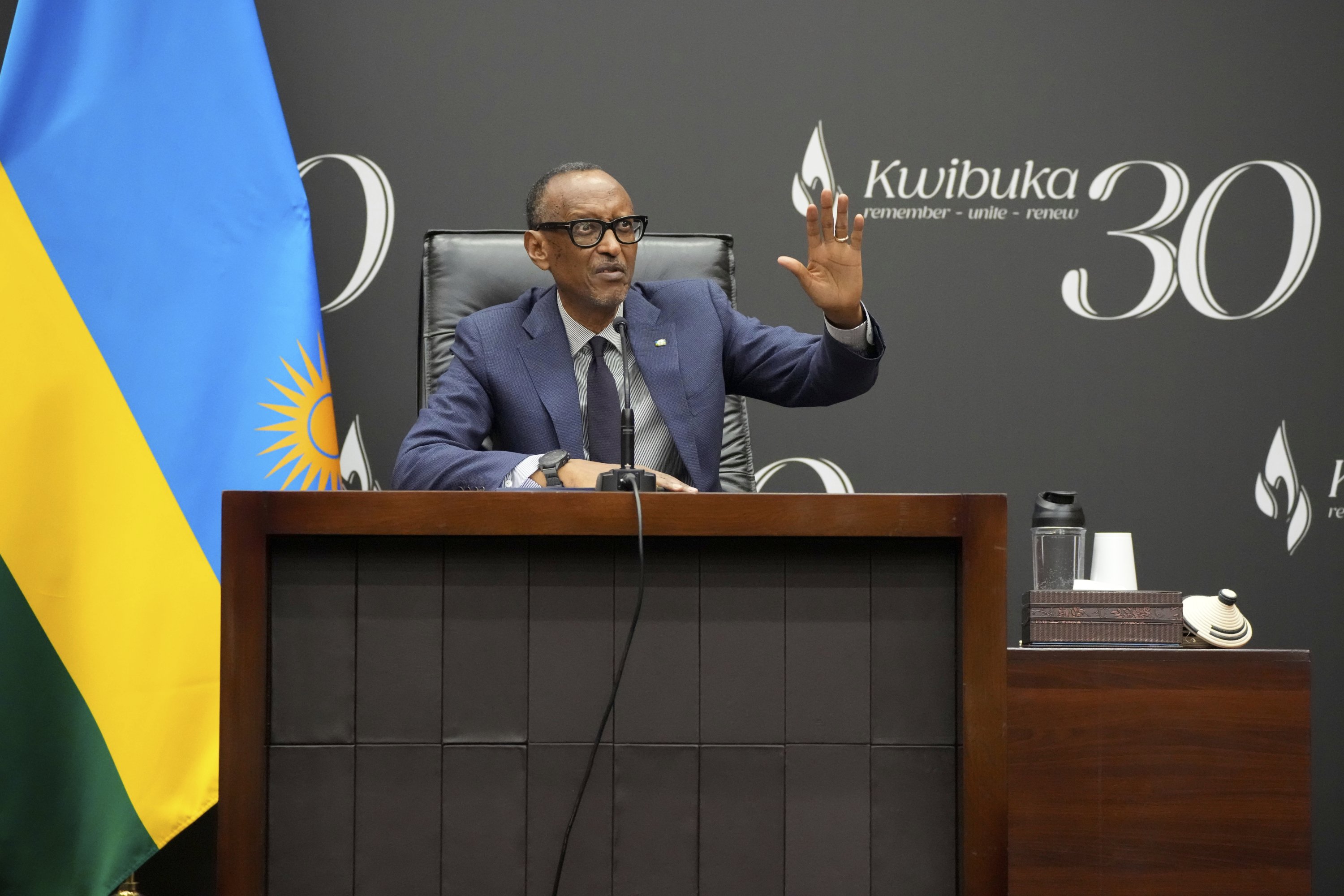
But the legacy of genocide still reverberates in the Great Lakes region. The genocide perpetrators who fled to the Eastern Democratic Republic of Congo (EDRC) in 1994 have since settled and integrated into the local population and, in particular, into the government military and security institutions. This has exposed the Congolese population to the contagious effects of the hate and genocide ideology. The presence of the genocide perpetrators in EDRC is the single most important factor responsible for the insecurity prevailing in the region. Their aspirations to return to power in Rwanda to continue the genocide against the Tutsi have led the country to institute defensive measures along the border to ensure that they are barred from causing insecurity to spill over the common border.
The prevailing conflict situation in EDRC is unfortunate, given that the Great Lakes region is probably the most resource-endowed on the continent of Africa. Geographically, it spreads across Eastern and Central Africa, connecting the Atlantic and Indian Oceans. It boasts of vast resources, arable land, fresh water bodies, minerals, wildlife and timber. The core countries of this region, Rwanda, Burundi, DR Congo, Uganda, Tanzania and Kenya could easily be the drivers of Africa’s social economic transformation.
The African Union, along with regional bodies like the East African Community (EAC) and Southern African Development Community (SADC), are all in unison in support of a peaceful political solution. The intervention of the United States and Qatar has given the quest for peace more urgency.
Rwanda continues to advocate for the root causes approach in resolving the conflict. But the fundamental requirement to facilitate this approach is political will, which unfortunately seems to be in short supply on the DR Congo side. Emboldened by some Western powers whose only interest is the resources of the country, the DR Congo continues to pursue the military option. Without genuine political will, sustainable peace in the Great Lakes region will remain fragile and uncertain. Yet Rwanda’s own history reminds us that even the most devastating conflict can be overcome through determination, accountability, and inclusive nation-building.
As we commemorate the victims of the 1994 Genocide against the Tutsi, Rwanda reaffirms its enduring commitment to peace, reconciliation and regional stability. The lessons of our history compel us not only to remember but to actively work toward preventing such tragedies anywhere in the world. This is why Rwanda’s Defense Forces have been proactive in supporting peace in countries such as South Sudan, Central Africa and Mozambique, among others.
Rwanda remains committed to dialogue, partnership and shared responsibility in building a future defined not by division but by dignity and development.