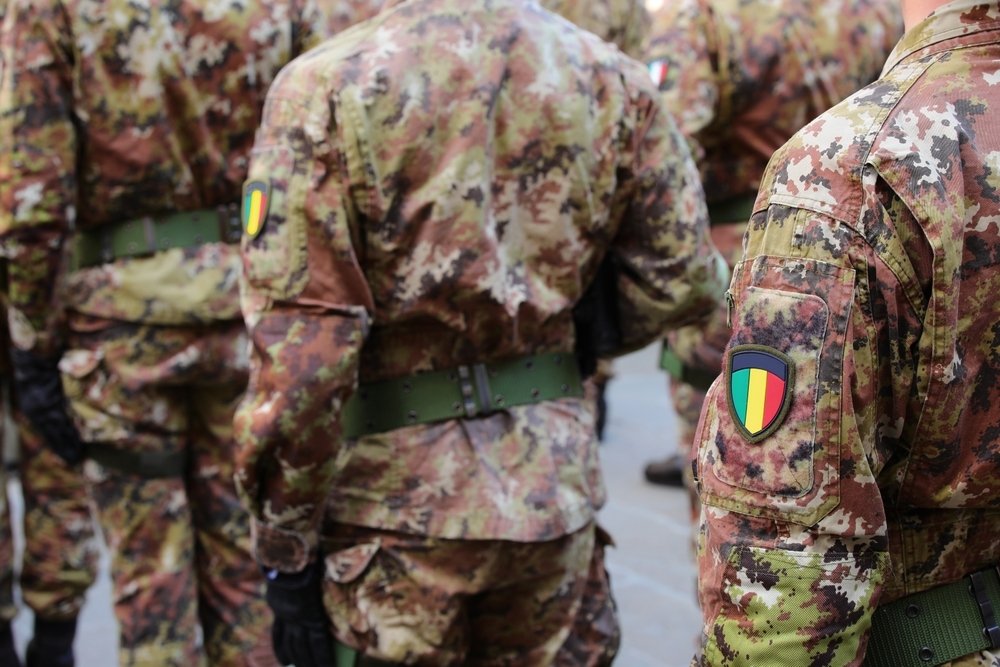
Following Malian President Assimi Goita’s seizure of power in 2021, Mali embarked on a strategic transformation by expelling French and U.N. forces from the country. Although this shift was widely considered risky given the region’s fragile security architecture, the Malian government has sought to reshape the regional security paradigm through new partnerships. In this context, Mali has continued its fight against terrorist organizations by engaging in security-based cooperation with countries such as Russia, China and Türkiye.
According to the Global Terrorism Index, the Sahel region has emerged as the area experiencing the highest concentration of terrorist attacks and terrorism-related deaths worldwide. In this regard, two terrorist organizations stand out: Jama’at Nusrat al-Islam wal-Muslimin (JNIM), affiliated with al-Qaida, and the Daesh branch in the Sahel. In addition, the separatist group known as the Azawad Liberation Front (FLA), formed by members of the Tuareg ethnic group, is also active in the region.
The JNIM emerged in March 2017 when four terrorist groups operating in Mali, Ansar al-Din, al-Murabitun, the Macina Liberation Front (MLF) and al-Qaida in the Islamic Maghreb (AQIM), announced their merger. Since 2017, the organization has carried out attacks primarily in Mali and Burkina Faso. The group generally targets military bases and vehicles, while simultaneously conducting propaganda activities among local populations under the guise of religious preaching, aiming to present itself as a socially legitimate actor. In this sense, the JNIM is not only in conflict with the Malian government but is also competing with another terrorist organization, Daesh. In 2025, the JNIM’s attacks have increasingly taken on a more strategic character.
On July 1, 2025, the JNIM carried out a highly attention-grabbing attack that drew widespread concern. The organization launched simultaneous attacks on seven towns in the Kayes region in western Mali, near the borders with Senegal and Mauritania. The location of this attack deepened regional states’ and global actors’ security concerns regarding the area. Until now, the JNIM’s presence and operations within Mali had largely been concentrated in western and northern regions such as Kidal, Timbuktu, Segou and Gao. The fact that the July 1 attacks occurred so close to Senegal and Mauritania led many observers to question whether the organization is seeking to expand into West Africa.
The Liptako-Gourma region, commonly referred to as the “tri-border area” between Mali, Niger and Burkina Faso, has already emerged as the world’s most terrorism-affected zone. Following the JNIM’s July 1 attacks, it is conceivable that a similar security narrative could develop around the Mali-Mauritania-Senegal border area. Moreover, one of the most significant risks associated with the organization’s westward expansion is the possibility of gaining access to the sea. Maritime access would significantly enhance the organization’s commercial and logistical capabilities. Although Senegalese and Malian forces have increased joint military patrols along their shared borders in response to these attacks, no concrete counterterrorism cooperation framework has yet been established. In the aftermath of the attacks, the JNIM imposed blockades on several villages and towns in the Kayes region, expanding these embargoes further in September.
As of Sept. 3, 2025, the JNIM extended the blockade to the capital city of Bamako, triggering severe crises across the country. The organization intercepted fuel tankers arriving from the Ivory Coast in the south and Senegal in the west, setting some ablaze while seizing others for its own use. It is estimated that approximately 200 fuel tankers were destroyed during this blockade. The immediate impact was felt in the transportation sector, with ripple effects spreading across other sectors. Given fuel’s critical role in electricity generation, daily life in Bamako was brought nearly to a standstill. In response, the Malian government decided in late October to close schools until Nov. 9. Meanwhile, mining sites in western Mali, one of the country’s most important sources of revenue, largely rely on fuel-powered generators, meaning the embargo also threatens Mali’s economic lifeline. In response, on Oct. 7, the Malian government managed to escort 300 fuel tankers to Bamako under military protection.
Beyond its economic impact, the blockade has also produced significant political consequences. Following the encirclement of the capital, many countries issued travel warnings for their citizens in Mali, including the U.S., the U.K. and several European states. This situation prompted speculation in some circles that the JNIM might attempt to seize Bamako, drawing parallels with the Taliban’s takeover of Kabul in Afghanistan. However, at present, the JNIM is not believed to possess either the intent or the capacity to govern the country. Even if the organization were to capture Bamako, it lacks the trained human resources necessary to administer a state. Furthermore, countries maintaining strong bilateral relations with Mali would likely support the government in such a scenario, making the JNIM’s task considerably more difficult.
Another key operational focus of the JNIM is kidnapping. The organization typically abducts foreign nationals and demands ransom payments from their home countries in exchange for their release. Most recently, in October, two citizens of the United Arab Emirates (UAE) were kidnapped by the JNIM. Following the abduction, negotiations reportedly took place between the UAE, the JNIM and the Malian government. It was alleged that negotiations were prolonged because Mali rejected the JNIM’s attempt to negotiate directly with the UAE without government involvement. Ultimately, an agreement was reached for a ransom of $50 million, which the UAE accepted to secure the release of its citizens.
While the JNIM has concentrated its attacks and manpower in Mali, the Daesh branch in the Sahel has increasingly challenged the JNIM’s presence in Burkina Faso. In October and November, Daesh's Sahel branch carried out a series of attacks against the JNIM. Although the two organizations have previously maintained informal arrangements over territorial control, mutual attacks have intensified over the past year. Initially driven by border disputes or local dominance, these clashes have increasingly evolved into existential threats to one another. Daesh-affiliated groups, including Daesh's branches in the Sahel and West Africa, and the JAS, are generally active in Niger’s Tillaberi region, Mali’s Menaka region and the Lake Chad Basin. Recently, however, they have also engaged in clashes with the JNIM in northern Burkina Faso, along the Niger border and in southeastern Mali.
The rivalry between these organizations also shapes how states conduct counterterrorism operations. Since the weakening of one group often results in the strengthening of the other, maintaining a balance and developing a comprehensive strategy against both organizations is critically important. Northern Burkina Faso has emerged as a new battleground between the JNIM and Daesh's Sahel branch. Given its proximity to Mali, this development raises the possibility of Daesh's Sahel branch expanding further into Malian territory. Should Daesh's Sahel branch gain the upper hand against the JNIM, it could push the JNIM westward and northward.
The blockade in Mali, the westward orientation of terrorist groups, and the rivalry between the JNIM and Daesh's Sahel branch are rendering the region’s security dynamics increasingly complex and fragile. Security challenges in the Sahel not only affect the region itself but also have implications for neighboring regions and global issues. One reason for this is the Sahel’s strategic position linking the Mediterranean and the Atlantic Ocean.
From a Mediterranean perspective, migration security stands out as a critical concern. Instability in the Sahel has already forced many people to migrate. Given that terrorism is among the most destabilizing factors in the region, its potential spread to West Africa raises the likelihood of new migration waves. Sahelian migrants typically attempt to reach Europe via Algeria, Libya or Morocco, making this issue highly relevant for European security and foreign policy.
At the same time, the spread of terrorism into West Africa poses a threat to the Atlantic as well. The Sahel’s rich underground resources are exported worldwide through West African ports. Terrorist access to these ports could disrupt global energy markets and the export of rare earth elements. The fact that terrorism affects not only the Sahel but also global dynamics necessitates that regional states seek assistance from global actors in combating security threats.
France had long been a prominent actor in Mali, conducting counterterrorism operations under Operation Barkhane, while the United Nations maintained a presence through MINUSMA. However, following Assimi Goita’s rise to power, these operations were terminated, and foreign forces withdrew from the country. Similar developments occurred in Niger and Burkina Faso, marking a broader strategic transformation across the Sahel.
Another key dimension of this transformation has been Mali’s growing security cooperation with Russia. Wagner and African Corps forces have conducted joint operations with the Malian army against terrorist elements. Nevertheless, this support has proven insufficient, as terrorist and separatist groups have continued to expand their activities.
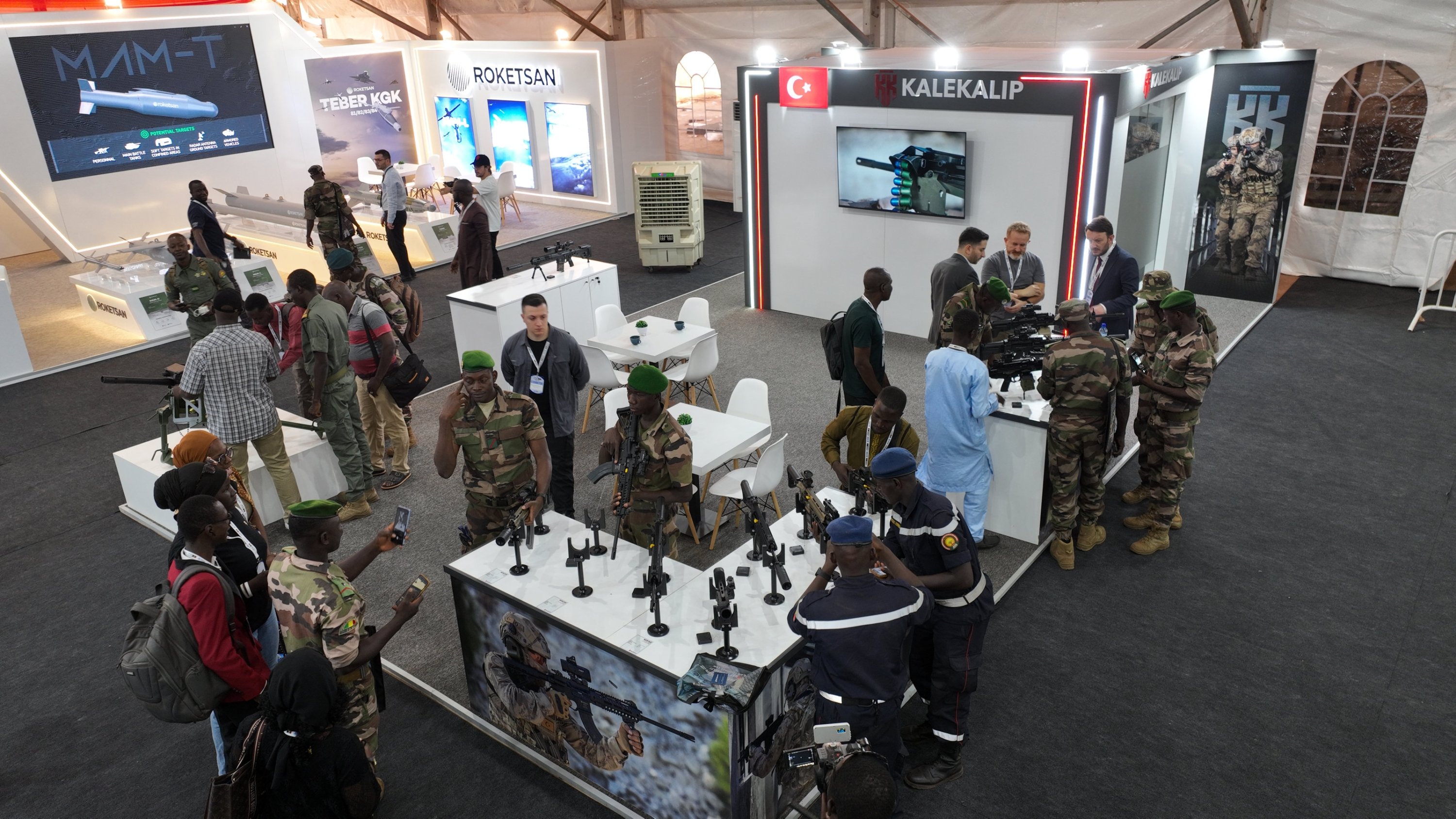
Turning to Türkiye, its military support has attracted particular attention. In Mali’s case, two Bayraktar TB2 drones were procured in 2022, followed by three more in 2023. Additionally, footage released in November 2024 by the Turkish security firm Canik Academy showed that training was being provided to Malian special forces.
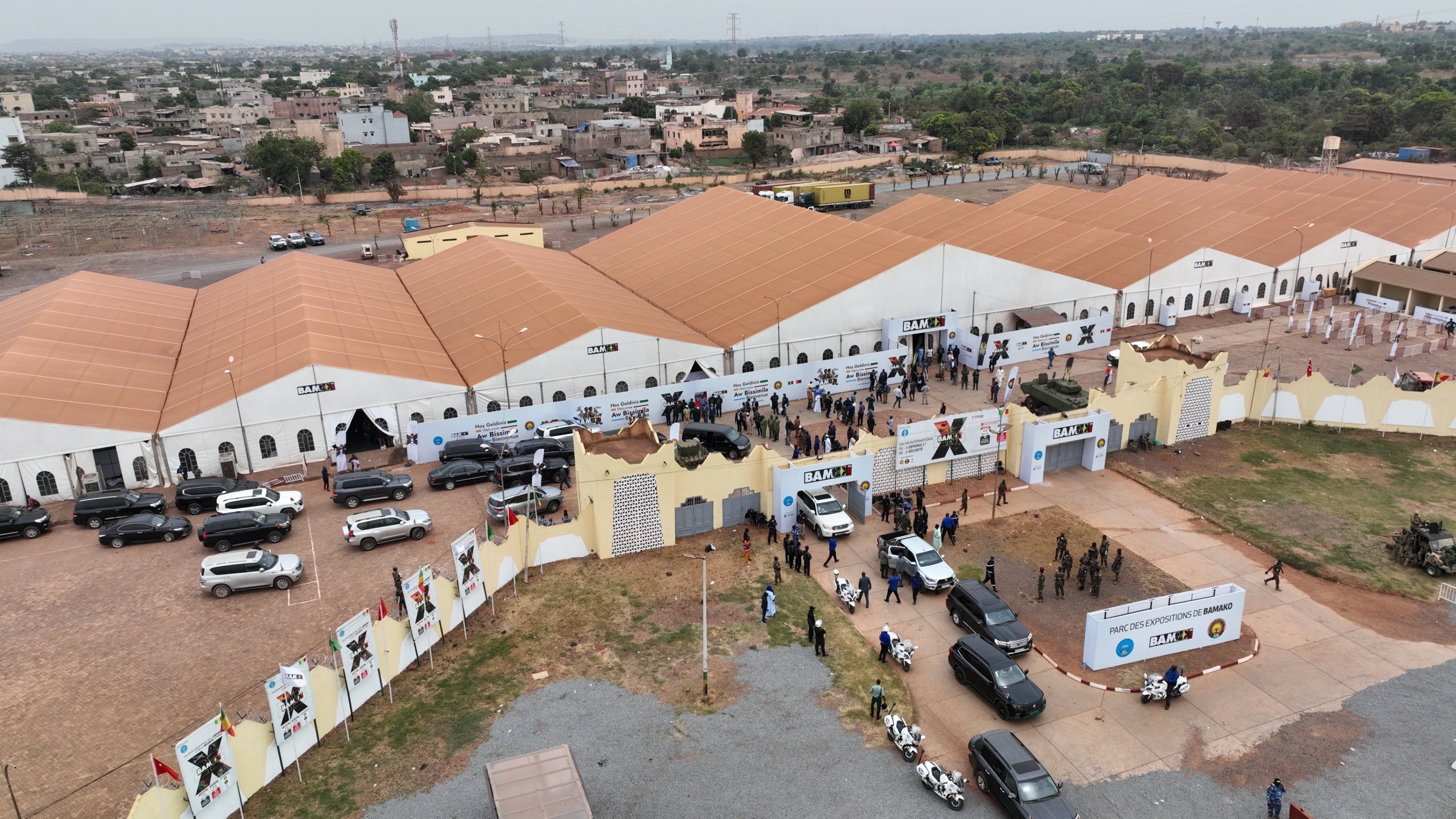
Moreover, at a time when Bamako was under blockade by the JNIM and Western states, including the U.S. and the U.K., which were urging their citizens to leave Mali, Türkiye hosted a defense industry fair in the capital. The BAMEX25 fair, held on Nov. 11-24, attracted significant interest from numerous countries across Africa and beyond.
An examination of Türkiye’s security cooperation initiatives reveals that it provides substantial support for counterterrorism and regional stability. The Malian army’s use of Turkish-made UAVs in striking terrorist targets has yielded notable progress, serving as a model for other countries facing similar challenges. This highlights both the advanced capabilities of Türkiye’s defense industry and its global contribution to counterterrorism efforts.
The potential expansion of terrorist organizations may prompt new regional military alliances or deeper engagement with global actors. The threat to Senegal and Mauritania via Mali’s Kayes region and potentially to Morocco, should terrorists gain maritime access, could drive enhanced cooperation with these countries.
As an external actor, Türkiye stands out due to its counterterrorism experience, defense industry capacity, and strong diplomatic and cultural ties with regional states. With existing security cooperation agreements across the region, Türkiye could further expand its engagement to contribute to regional stability and the fight against global terrorism.
Given the threat posed by terrorism to Senegal and Mauritania via Mali’s Kayes region, the establishment of a trilateral counterterrorism alliance among Mali, Senegal and Mauritania supported by Türkiye through military training and equipment could emerge as a viable solution. Considering the colonial legacies and past failures of Western states, as well as the limitations of Russia’s current support, a Türkiye-led initiative to form a new counterterrorism alliance could represent a significant and constructive step forward.