The war in Ukraine has forced the world to confront an unsettling reality: The peace that once seemed permanent is now fragile. NATO Secretary-General Mark Rutte, in a speech at the Concert Noble in Brussels on Dec. 12, 2024, stressed the need for a “wartime mindset” to face the security challenges of today. But this mindset is not merely about increasing defense budgets or deploying more troops. It is about adapting strategies, strengthening alliances and recognizing the shifting geopolitical landscape. The key question is whether Europe’s security architecture can evolve fast enough and whether it is truly willing to embrace partnerships with key allies such as Türkiye, a country whose strategic contributions are often underestimated.
NATO has been the backbone of European security, anchored in its famous Article 5, the principle of collective defense, for decades. Yet, despite this guarantee, cracks have emerged within the alliance. Unequal defense spending among member states, varying levels of commitment and shifting political interests have raised concerns about whether NATO is adequately prepared for the evolving threats of modern warfare.
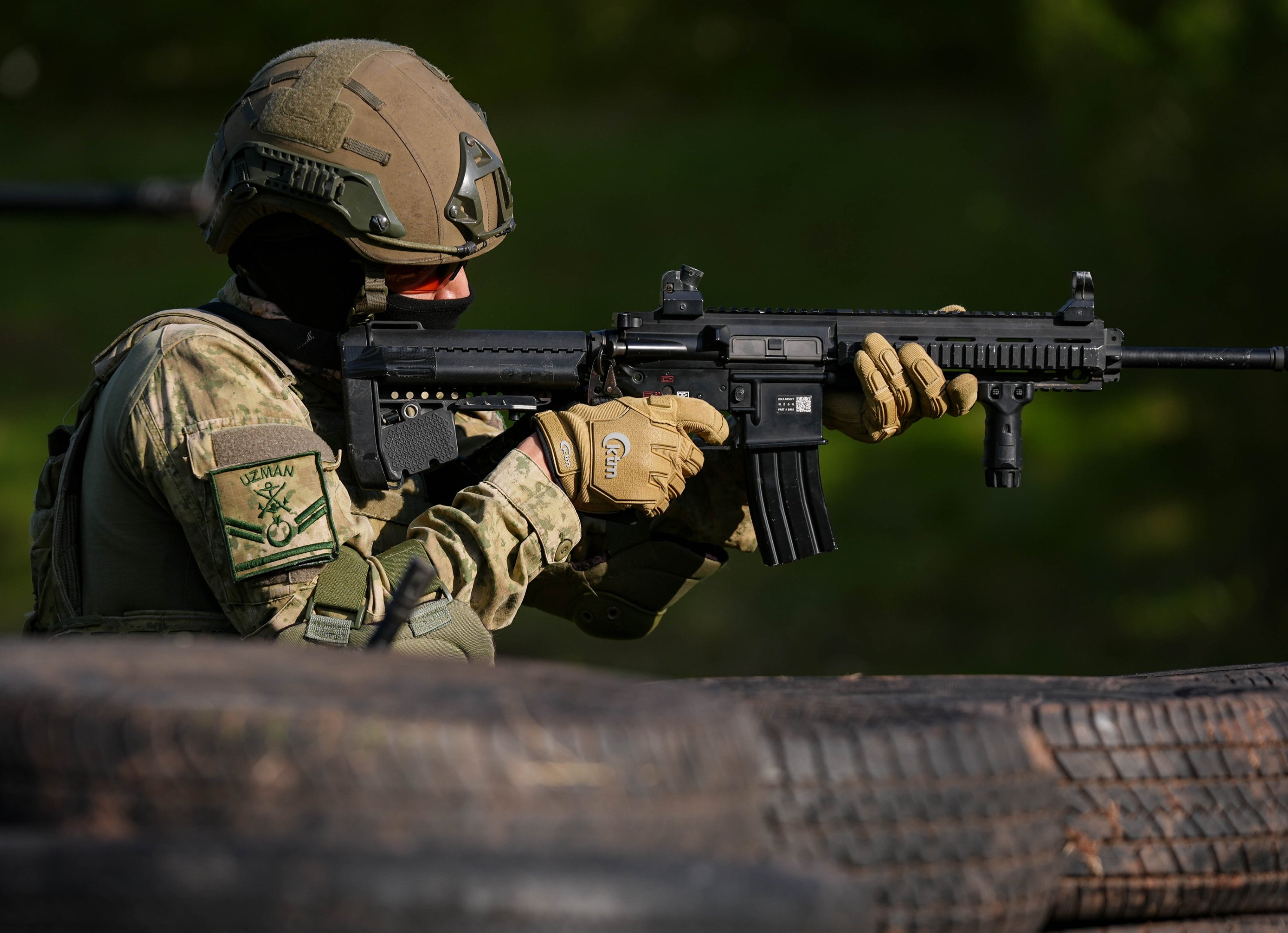
At the same time, the European Union has sought to carve out its own security identity, developing mechanisms like the European Defence Fund and the Permanent Structured Cooperation (PESCO). Some European leaders have even flirted with the idea of a “European Army,” but so far, these discussions have been more aspirational than operational. What often gets overlooked in these debates is the role of non-EU partners, especially Türkiye. Besides several other international missions in the world, Turkish forces have already contributed to European security, participating in peacekeeping missions under NATO and EU banners in their uniforms.
Rutte recently once again reinforced the necessity of greater defense investments to deter potential Russian aggression in February 2025. He underscored the need for more ammunition, more tanks, more F-35 fighter jets and stronger military production capacities. His message was clear: Deterrence is only effective when backed by real capabilities.
His remarks are not mere rhetoric. The security landscape has shifted, and conventional military doctrines are no longer sufficient. Hybrid warfare, a mix of cyberattacks, economic coercion and disinformation, has blurred the lines between war and peace. Military readiness today is about far more than just tanks and missiles; it is about intelligence, cyber capabilities and rapid response strategies. NATO must move from reactive to proactive.
Sitting at the intersection of Europe, neighboring the Middle East and the Black Sea, Türkiye occupies a critical geopolitical position. As a NATO member since 1952, it has repeatedly demonstrated its commitment to regional and global security, from counterterrorism efforts to advanced defense technologies. The domestic development of Baykar’s Bayraktar TB2 drones and TAI’s Anka UAVs has transformed modern warfare, proving Türkiye’s ability to shape the future of military strategy.
Yet, despite its indispensable role, Türkiye’s contributions are frequently ignored due to political disagreements within the alliance. This shortsighted approach weakens NATO’s collective strength. Türkiye is not merely a regional player; it is a key pillar of European security. Its ability to act as a bridge must be fully recognized.
Hybrid threats have become a defining feature of modern conflicts, blending cyber warfare, economic pressure and psychological operations. Both NATO and the EU have taken steps to counter these challenges, but progress has been slow and fragmented. The EU’s Cybersecurity Strategy is a step in the right direction, yet it lacks coordination and real enforcement mechanisms, as a known problem in the European bureaucracy. Türkiye, with its strong cybersecurity expertise and intelligence infrastructure, can provide invaluable support in addressing these challenges. However, its potential contributions remain underutilized as long as political obstacles prevent full integration into broader security frameworks.
Security cannot be built on fragmented alliances and outdated frameworks. NATO’s strength lies in its unity, yet unity requires equal burden-sharing and genuine recognition of each member’s role. The same applies to the EU’s security initiatives, which must go beyond internal political debates and embrace a wider, more inclusive strategic approach. Türkiye, with its expertise, military capabilities and geopolitical leverage, is uniquely positioned to bridge gaps in the existing security architecture.
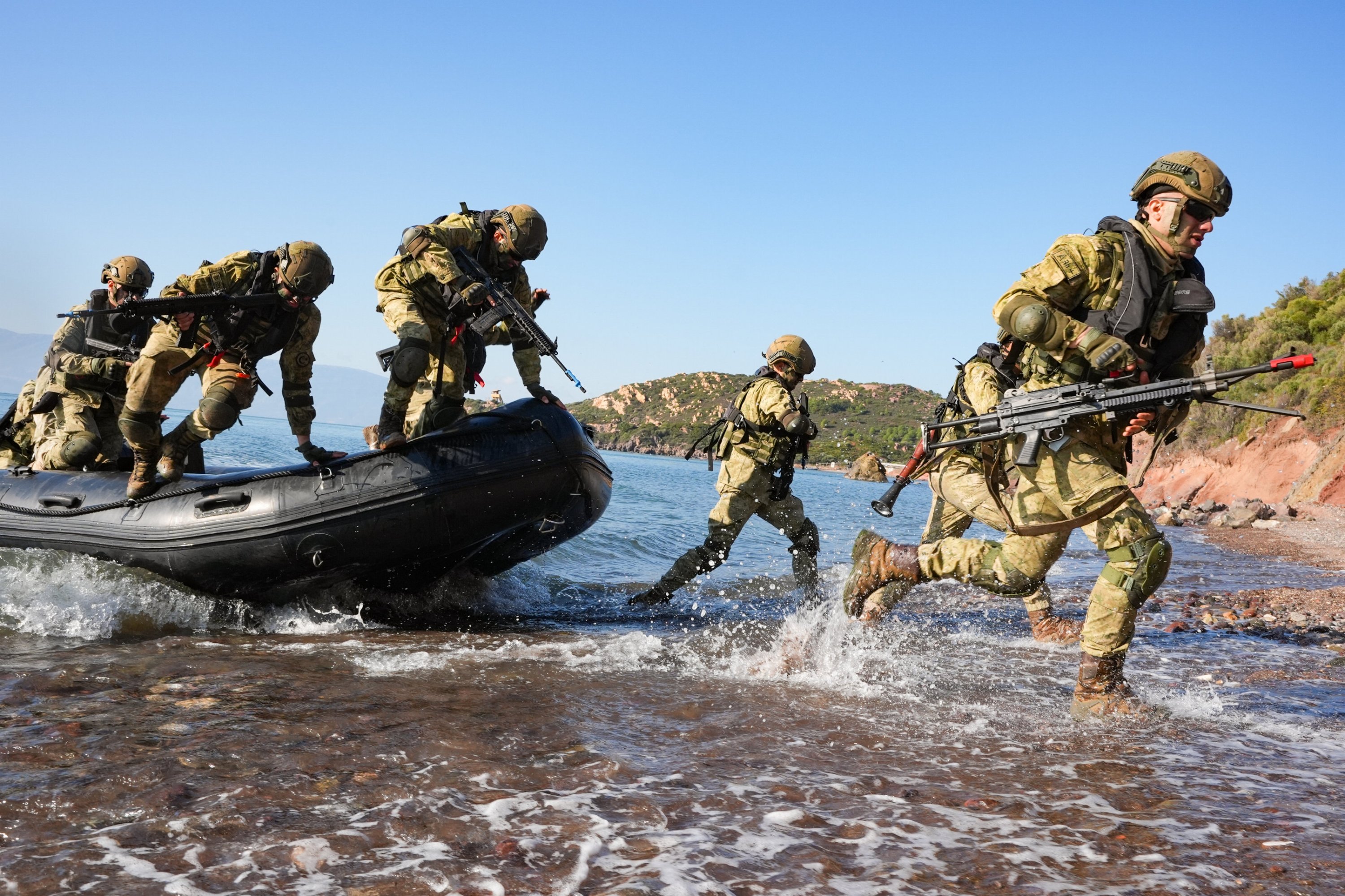
A “wartime mindset” should not mean blind militarization or outdated Cold War mentalities. Instead, it should signify a shift in strategic thinking that embraces reform, technological advancement and flexible partnerships. Simply raising defense budgets is not enough; what matters is how security efforts are structured, how threats are assessed and how alliances are strengthened.
Türkiye is uniquely positioned to play a defining role in this new vision. With its strong defense sector, regional influence and proven military capabilities, it can shape tomorrow's security strategies. Rebuilding trust and strengthening NATO’s cohesion requires a focus on shared objectives rather than political distractions. Excluding Türkiye from key decision-making platforms only weakens global security efforts and damages the credibility of institutions that claim to promote fairness and inclusion.
It is possible to say that the future of European security depends on a balanced and inclusive approach that integrates NATO’s collective defense mechanisms, the Council of Europe’s legal expertise and Türkiye’s strategic contributions. The days of security being a zero-sum game are over. Today, it is about collaborative defense and mutual accountability.
The geopolitical landscape will not wait. Only by adapting to these new realities through fairness, inclusivity and strategic foresight can they build a resilient security architecture capable of withstanding the challenges ahead.