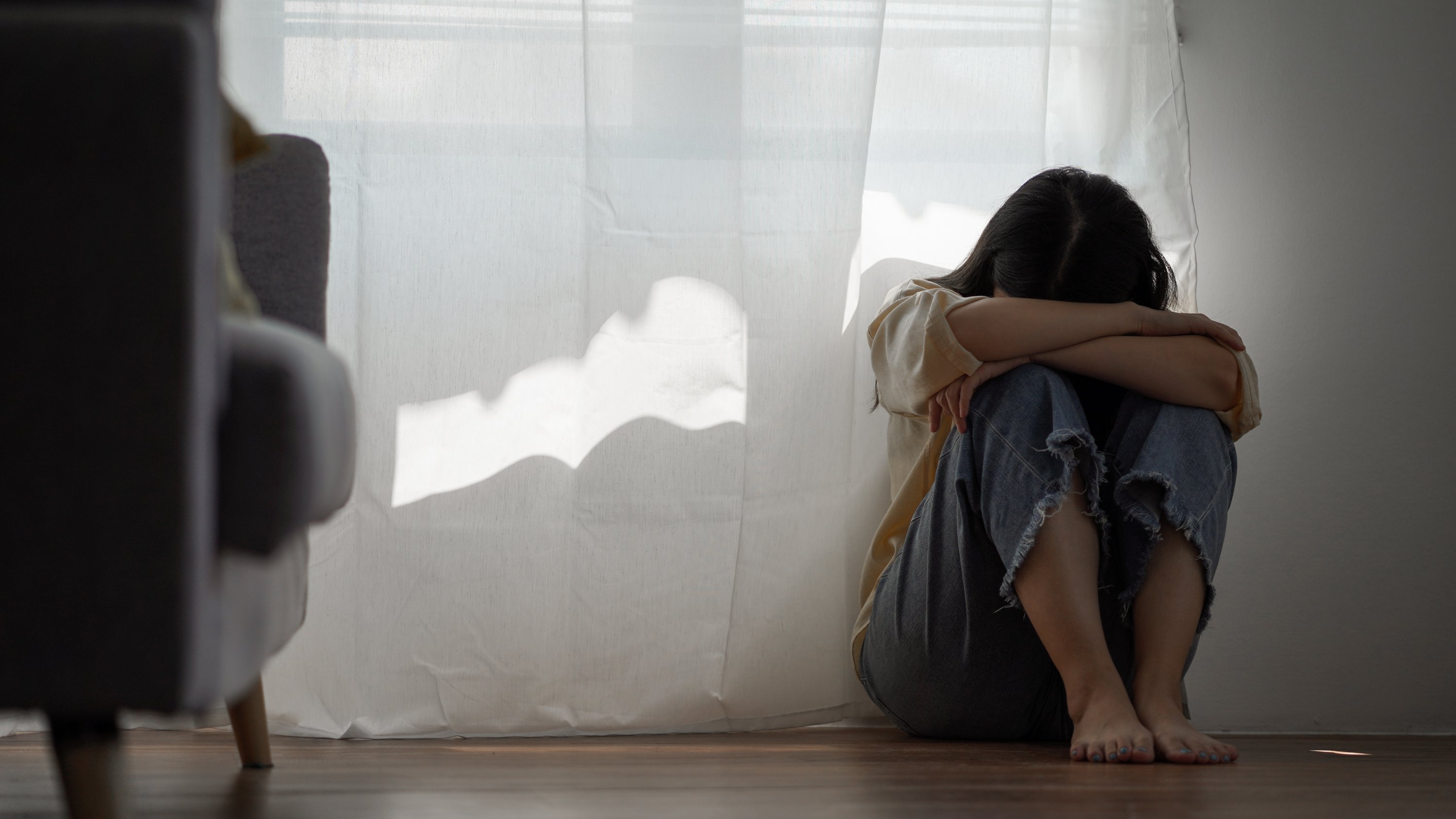
Trauma is an event/condition that threatens a person's physical and mental integrity. Just as we, as individuals, have difficulty coping with severe emotions, it may take time and be difficult for society, which is like a living organism, to digest social pain.
Collective consciousness expresses the common feelings and accepted aspects of society. It enables the members of the society to unite around a single spirit and emotion, thus playing an important role in the continuation of society.
With this awareness, common, shared responses to environmental, economic or political social conflicts such as war, migration and natural disasters arise. When a group cannot adequately resolve the emotions of these socially experienced conflicts, the emotional reactions to this trauma are passed on to future generations.
Professor Dr. Vamık Volkan uses the concept of chosen trauma to express an event that causes a large group to feel helpless and victimized by another group. Events that cause selected trauma unconsciously permeate the individual's feelings of hurt and shame at the intellectual and emotional levels and become the determining element of that ethnic identity by being transmitted from generation to generation.
For example, the 1915 events and what happened at that time are handed down from generation to generation as a chosen trauma. Similarly, the horrors of the Holocaust Jews suffered before and during World War II linger, and the genocide committed by the Serbs against the Bosnians is part of the identity of the people of Bosnia-Herzegovina. These selected traumas are effective in the formation of collective consciousness.
We see an example of this in the Srebrenica and Khojaly genocides. The massacres were carried out against the national and religious identities of the people. During the disintegration of Yugoslavia, while the Serbs massacred the Muslim Bosnians, they were taking revenge on the Ottoman state in their own way. In Bosnia, the words “Svi Turci u Tursku (All Turks to Türkiye),” “We will send all Turks to Türkiye, we do not want Turks” were written on the walls.
Similarly, in Khojaly, Armenians thought that they were avenging the events of 1915 while they were slaughtering innocent people. In Khojaly and Srebrenica, people were massacred using similar methods.
The driving force behind both situations is societies' inability to mourn past losses, leading to the development of a common consciousness and transferring it to the next generations.
Social traumas such as ethnic or religious-based persecution and violence can affect not only those who are exposed to trauma but also all segments of the society who directly or indirectly witness these events. Therefore, in such situations, the general public experiences emotions such as horror, helplessness, insecurity, pain, loss, anger, isolation or alienation.
If individuals or societies embrace these feelings and can mourn the loss, their painful experiences turn into life lessons that strengthen them. However, if they can not process the emotions, they pass them on to future generations, often unconsciously and sometimes consciously. They turn into a chosen trauma that continues for centuries and leads to a reactionary cycle.
People in a society that lacks a healthy mourning process experience problems in intrapersonal and interpersonal relationships. Collectively, they struggle to build close relationships, and then, gradually all human interaction in the very same society becomes toxic.
Not being able to talk about the painful traumatic issue at all, being triggered immediately, rejecting the issue even after years, pretending it does not exist or closing the topic immediately, being robotic when talking about the painful event, pretending to be unaffected and not showing emotion indicates that one is trying to escape the feeling of loss.
Losses must be mourned properly. When we say loss, many may think of death, but it can also be a family heirloom, a dream, a goal, a friend, a reputation, a job and even the loss of homeland or the loss of one's old self from an old life. If one can express and deal with the feelings as they come, this is a healthy process. A range of emotions, including anger, resentment, regret and shame, are healthy to feel and express. The brain eventually sets aside the emotion after a while.
Sometimes one says they have no feelings at all. This means that the intensity of emotion is so strong that the brain has suppressed it. In this case, going to the places where the painful event took place from time to time, spending time there and visiting graveyards can help one be in touch with deeply buried emotions. After that, experiencing the feelings, naming them and putting them into words makes it easier to mourn. Again, instead of dissipating incoming emotions and bodily sensations, staying with them and feeling them, makes it easier to mourn, even if it is painful. That is the only way to heal completely.
Throughout history, societies, after traumas such as wars or genocides, create monuments or representative mass graves to represent the people/objects they have lost, draining their accumulated negative emotions such as anger, grief and sadness, and experiencing the mourning they have postponed.
So, we can say that people and societies should face the feelings of traumas and losses due to migration, genocides and war and symbolize the feelings felt for the loss that cannot be mourned. Embracing these emotions is the path to healing.