Energy and climate diplomacy – one rooted in the pursuit of geopolitical influence, the other in a shared global responsibility – have historically been treated as separate domains; yet today, they are becoming increasingly intertwined. Their convergence is not just a theoretical shift but a practical necessity, driven by the accelerating urgency of climate change and the equally pressing need for energy security. For a country like Türkiye, situated at the intersection of continents, supply routes and political spheres, this convergence presents strategic opportunities rather than challenges.
Traditional energy diplomacy has long centered on access to fossil fuels, supply security and transit infrastructure. Positioned at the geographic and geopolitical crossroads of Europe, Asia and the Middle East, Türkiye has transformed its role into that of a central energy corridor. Strategic projects such as the Baku-Tbilisi-Ceyhan (BTC) oil pipeline, the Trans-Anatolian Natural Gas Pipeline (TANAP), and its connection to the Trans Adriatic Pipeline (TAP) underscore Türkiye’s function as a vital bridge between the Caspian Basin and European energy markets.
Türkiye’s energy strategy is characterized by diversification, not only in suppliers but also through broadening geopolitical partnerships. While sustaining strong energy ties with Russia, particularly via projects such as TurkStream, Türkiye deepens relations with the Turkic republics of Central Asia and Azerbaijan as well. This multidimensional diplomacy enables Türkiye to maintain a flexible, resilient posture amid global energy volatility, while positioning itself as a stabilizing actor in regional energy governance.
At the same time, Türkiye is redefining its role in global climate diplomacy. While historically cautious about committing to binding emission targets, recent years have marked a shift in both tone and ambition. In 2021, Türkiye ratified the Paris Agreement and announced a net-zero emissions target for 2053. The adoption of the Green Deal Action Plan and the recent enactment of the Climate Law by the Turkish Parliament underscore its intent to align not only environmentally but also economically with European climate norms – particularly as forthcoming EU carbon regulations are poised to impact Turkish exports.
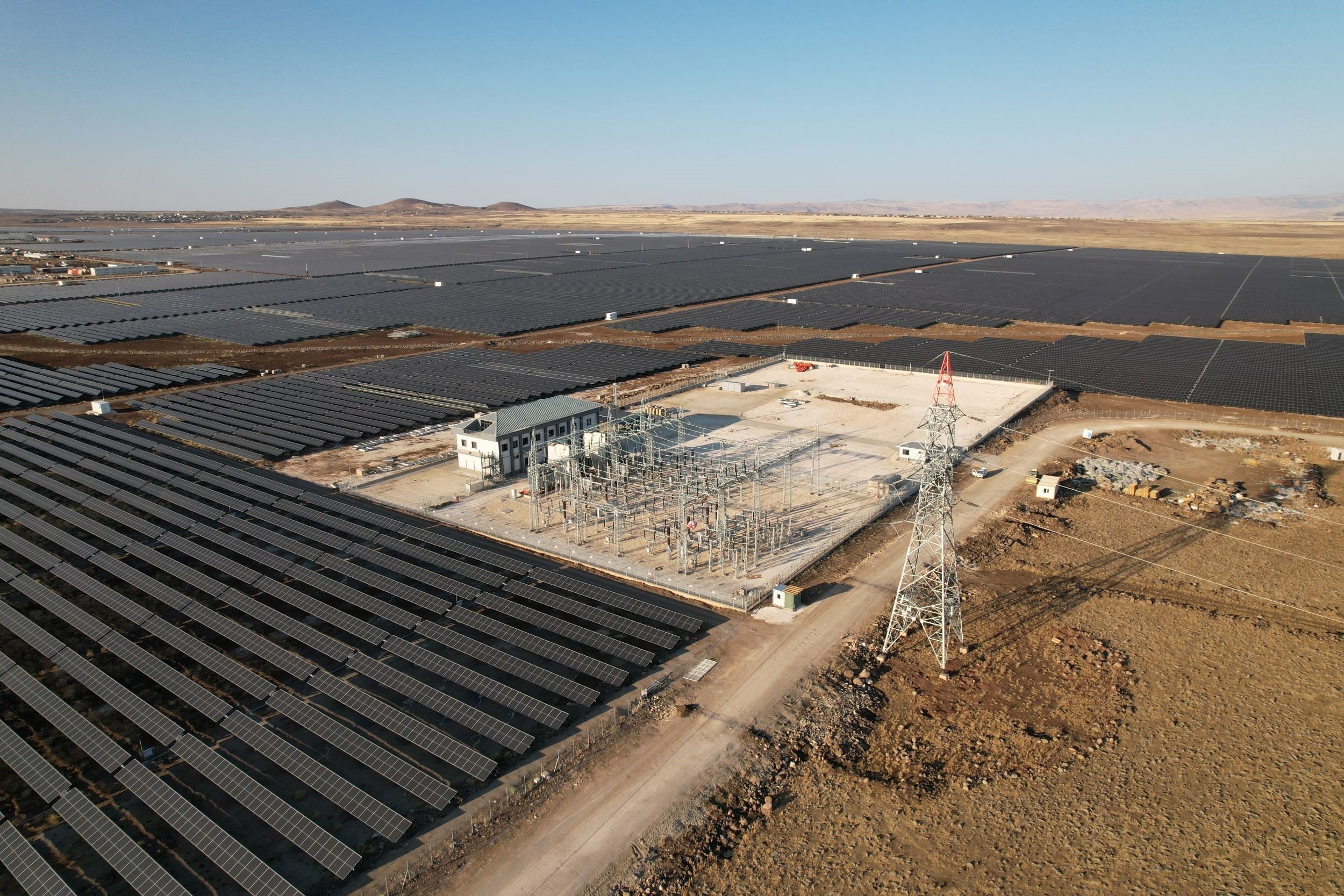
What sets Türkiye apart from other countries in its region is its ability to manage energy and climate diplomacy as a strategic transition from the "old" to the "new." While rapidly expanding its renewable energy capacity, particularly in solar and wind, Türkiye continues to project its traditional energy diplomacy effectively on the ground. On one hand, it ranks among Europe’s leaders in new solar energy installations and its domestic manufacturing capabilities, such as wind turbine production, are reinforcing its green industrial base. On the other hand, it is consolidating its role as a key hub for regional energy transmission.
Another clear example of the convergence of Türkiye’s energy and climate diplomacy, moreover, could be observed in its dual-track strategy. On one hand, Türkiye seeks alignment with the European Green Deal to safeguard trade competitiveness and attract green finance. On the other hand, it leads regional cooperation platforms such as the Organization of Turkic States and the Caspian Energy Forum to secure strategic access to fossil fuels and critical raw materials. This dual engagement exactly positions Türkiye as a diplomatic bridge between decarbonization and energy sovereignty. In doing so, Türkiye does not merely respond to global trends; it definitely aims to shape them.
In addition to its regional and bilateral efforts, Türkiye actively engages in multilateral climate forums such as COP summits and strengthens its leadership in energy diplomacy platforms like the Eastern Mediterranean Gas Forum and the Black Sea Economic Cooperation (BSEC). This multi-level engagement reflects a broader understanding that influence depends not only on energy resources but also on adaptability, coordination and innovation.
Ultimately, Türkiye’s strategic position and value have been redefined in a world where climate vulnerability and energy interdependence increasingly shape international relations. Türkiye is emerging as a proactive actor in global energy and climate diplomacy, while simultaneously advancing structural reforms at home in pursuit of its 2053 goals.