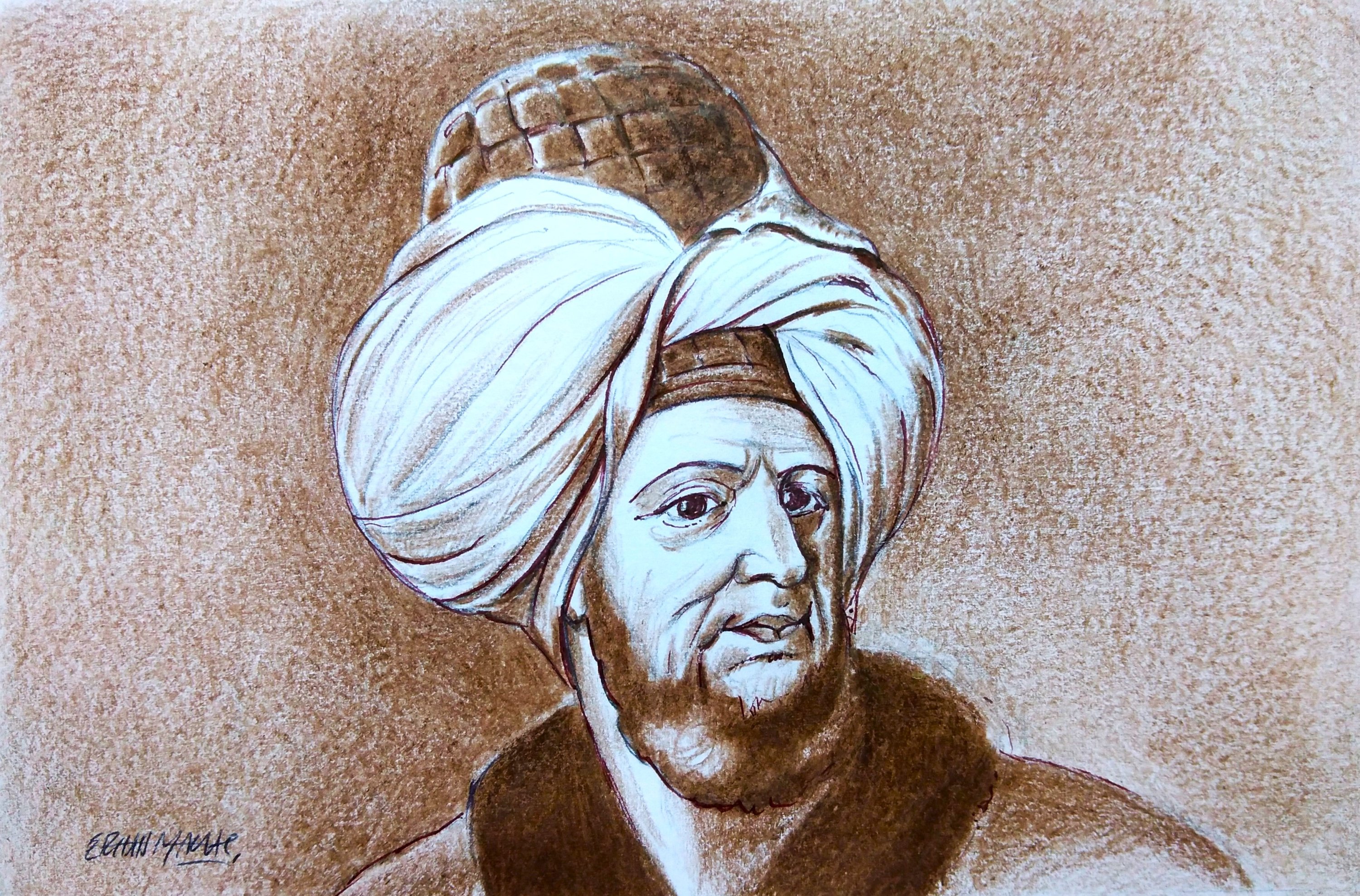
The 18th century is famous for renegade generals. Prince Eugene of Savoy, who was raised as a Frenchman, served in the Habsburg army and became president of the Imperial War Council. Peter Lacy, an Irish-born soldier, became one of the most successful and longest-serving generals of Imperial Russia. Maurice of Saxony, the illegitimate son of the Polish king, was appointed marshal of France. Controversial as such changes of allegiance were, they could to some degree be accepted, since these individuals could present themselves as victims of political circumstance and thus be spared accusations of treachery, as they were still serving Christendom.
None of these changes of allegiance was more controversial than that of Claude Alexandre, Comte de Bonneval, also known as Count of Bonneval. He not only switched sides twice, but also converted to Islam – an unacceptable scandal by the standards of the time – and became an Ottoman pasha. The colorful and astonishing story of this illustrious figure deserves closer attention.
The Count of Bonneval was born in the Limousin region of France in 1675, into an ancient noble family with ties to the ruling House of Bourbon. As a young French nobleman of the period, he was expected to enter military service and prove his courage in a manner worthy of his noble heritage. However, he also embodied several typical traits of the French aristocracy: He was skilled and courageous, yet excessively proud and arrogant. These characteristics manifested themselves early in his life; as a child, he was insolent and insubordinate toward his tutors.
Nevertheless, owing to his family connections, he entered naval service and was commissioned as an ensign. Yet his temperament soon proved ruinous. He challenged a superior officer to a duel, in which he nearly killed him. Unable to continue his naval career, he transferred to the army and served in the War of the Spanish Succession. In his 20s, he gained a reputation for both skill and bravery. Yet his pride and insubordination to officers once again cost him his position and nearly his life as he was sentenced to death for treason.
Deeply offended by his disgrace, he defected to France’s archrival, the Habsburg Empire, where he befriended another French renegade, Prince Eugene of Savoy. In Habsburg service, he once again proved his skill and valor. He participated in the Battle of Petrovaradin (1716) against his future masters, the Ottomans, where he was severely wounded when a spear pierced his abdomen. His achievements in Habsburg service earned him a seat on the Imperial War Council.
However, his tempestuous temperament once more proved his undoing. He quarreled with the council’s president, Prince Eugene, and was summoned to Vienna for trial, where he was sentenced to imprisonment and dishonorably discharged. Moreover, Eugene allegedly persuaded the monarchs of Europe not to employ him further and, according to rumor, even sought his assassination.
A marked man with nowhere left to go, and fueled by a desire for revenge against Prince Eugene, he had only one recourse to save his life and pursue his vengeance. He did the unthinkable and fled to Ottoman Bosnia. Ever haughty and proud, he believed that the Ottomans would embrace him and place him at the head of their army against their enemy, the Habsburgs.
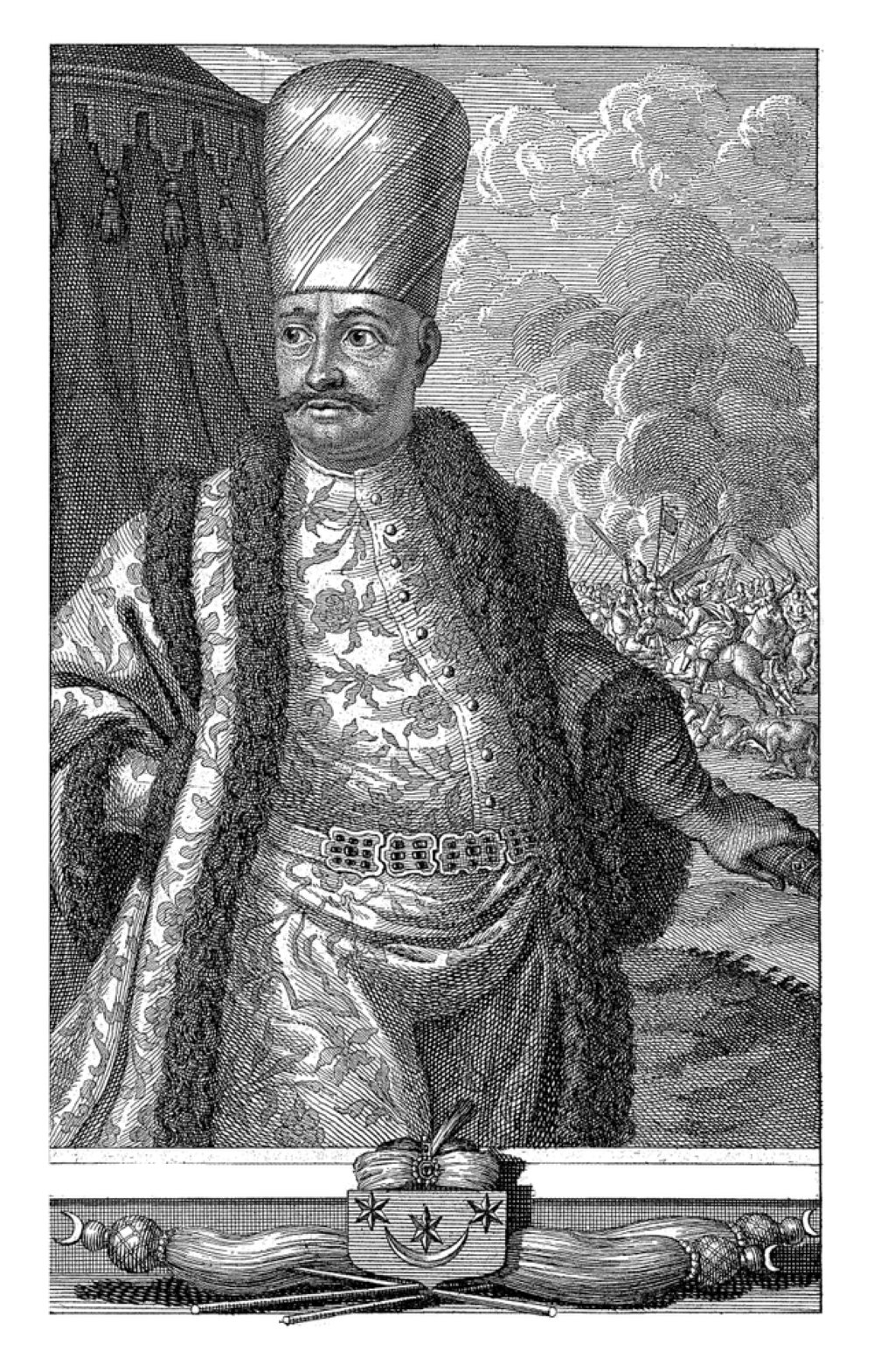
However, the Sublime Porte was unwilling to break its peace with the Habsburgs. Worse still, the Treaty of Passarowitz stipulated that all fugitives were to be returned to their respective sovereigns. It soon became clear that he could not remain in Ottoman territory for long, as the Porte would eventually hand him over to avoid an international crisis. There was only one possible way for Bonneval to avert certain doom: conversion to Islam and thereby becoming an Ottoman subject. When he first entered military service, who could have imagined that this promising young nobleman would one day “turn Turk”?
If he wished to save his life, Bonneval had no choice but to embrace Islam and humble his pride. In 1730, he converted to Islam, took the name Ahmed, and expected to proceed to Istanbul. However, political turmoil – most notably the Patrona Halil Revolt and the subsequent unrest – delayed his arrival.
Only in 1731, during the grand vizierate of Topal Osman Pasha, was he permitted to come to Istanbul, where he was charged with reforming the corps of bombardiers. From then on, he became known as Humbaracı Ahmed Pasha.
He was indeed responsible for several reforms that proved useful to the Ottomans in their wars against the Habsburgs and Russians. However, his military reforms should not be overestimated. At times, his habitual quarreling with superiors resurfaced, and he was sent into exile, although he was recalled shortly thereafter.
Thanks to the work of Uğur Demir, we now know that he was also involved in substantial diplomatic activity in Istanbul. He attempted to broker an alliance between the Ottomans and France, though he failed to realize it due to the intransigence of the pious Cardinal Fleury. Nevertheless, he succeeded in negotiating a defensive alliance between the Ottomans and Sweden, as well as a commercial treaty with the Kingdom of Sicily. Despite questions about his original loyalties, foreign observers deemed him loyal to the Ottomans.
In Istanbul, he befriended Ottoman intellectuals such as Ibrahim Müteferrika and Said Efendi, the former Ottoman envoy to Paris. He also established ties with the local Mevlevi Order and met one of the most famous libertines of the age, Casanova. Yet his true convictions remained Christian: in his memoirs and correspondence, he explained that his conversion was merely a cover to facilitate his revenge.
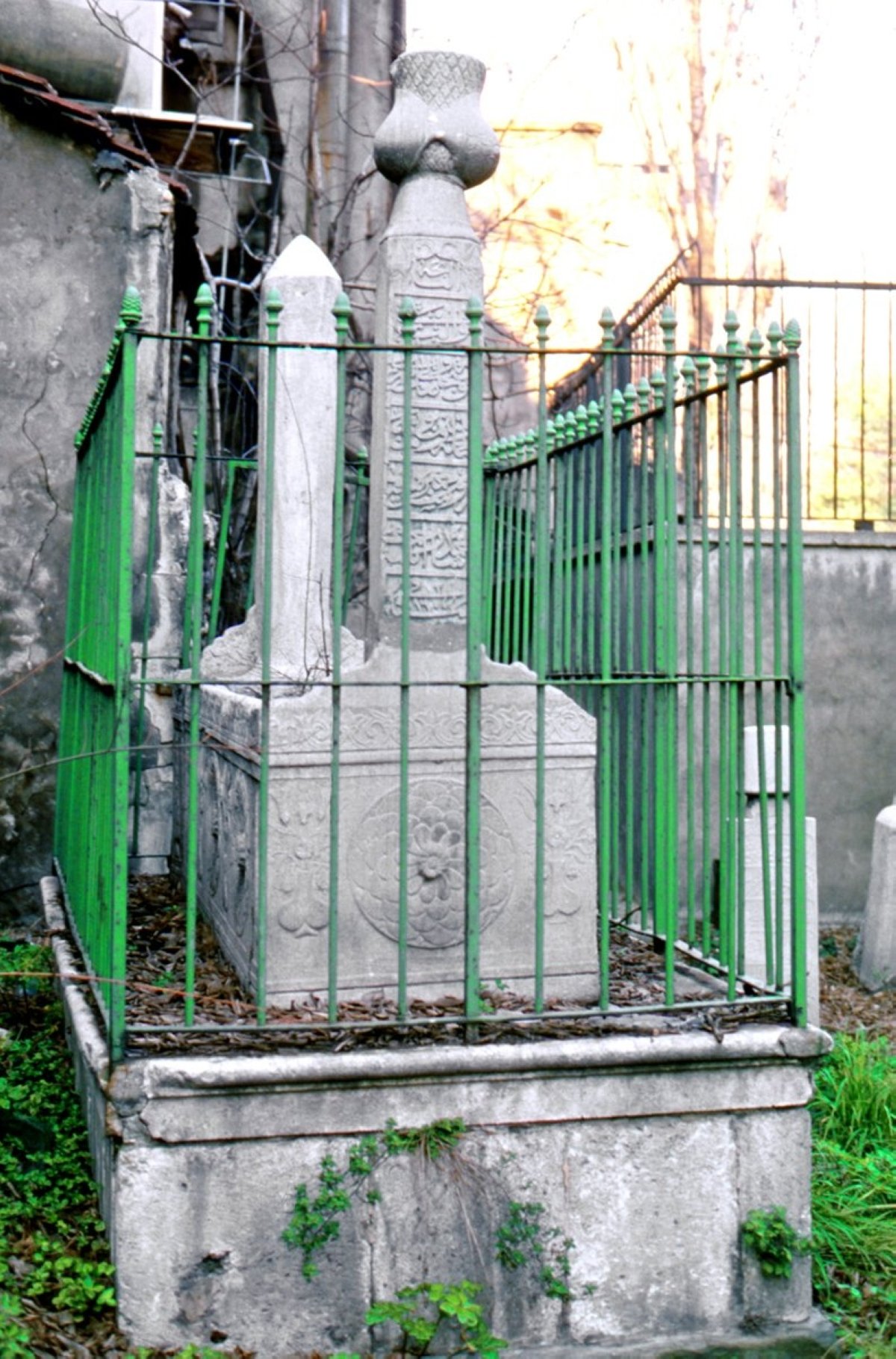
In his later years, he wished to return to his homeland, where he was still wanted. King Louis XV commissioned him for an undercover mission in exchange for a pardon, which involved securing an Ottoman-Prussian alliance. Had he succeeded, he would have been pardoned and allowed to return. Bonneval accepted, hoping for a final redemption. However, he died in 1747 before completing the mission and was buried in the cemetery of the Mevlevî Order in Galata, Istanbul, far from France, yet forever tied to the empire he once served.
Thus ended the story of Bonneval Ahmed Pasha: once a promising but typical French nobleman, he became an Ottoman pasha. It is safe to say that he lived more than one life. This illustrious figure’s story remains largely unknown to the public.
His life reminds us that history is sometimes shaped not by the predictable, but by the restless spirits who refuse to remain who they were told to be.