The world is aging at an unprecedented pace. Welfare systems are under strain. Long-term care models are struggling to reconcile rising demand with fiscal sustainability. Social fragmentation and declining public trust complicate policy debates that are increasingly dominated by the technical vocabulary of financing mechanisms, actuarial projections and demographic ratios.
Despite these global anxieties, a 130-year-old institution from Türkiye reframes the conversation entirely. It suggests that compassion can be institutionalized and sustained.
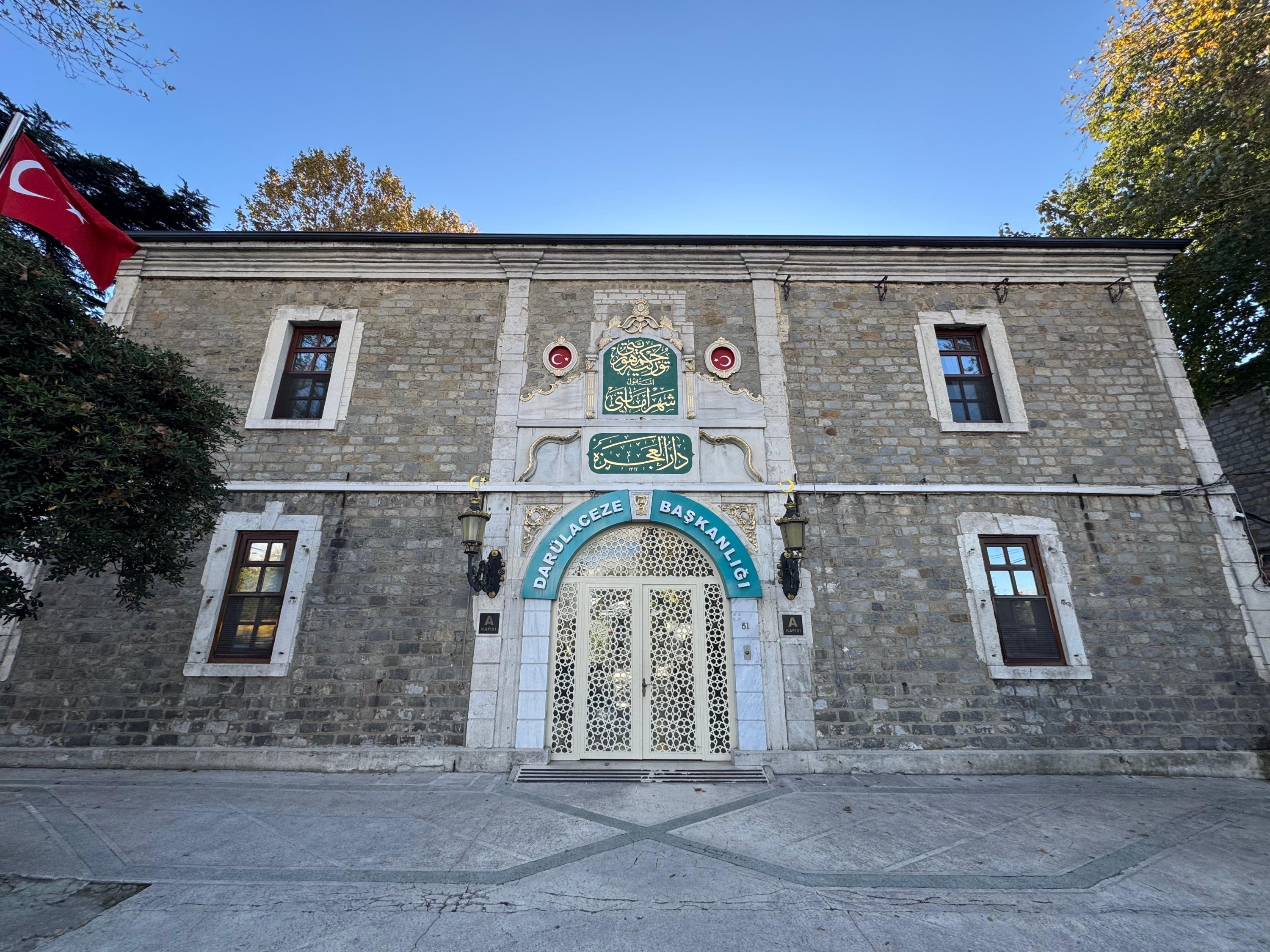
Founded in 1895 during the reign of Sultan Abdulhamid II’s own private funding, Darülaceze emerged as a humanitarian response to widespread poverty, displacement and social vulnerability in the late Ottoman period. But what distinguished its founding was not only its mission of caring for the elderly, the disabled, orphaned children and those without support, but the spirit in which it was established.
Muslim, Christian and Jewish communities jointly benefited from the institution. Exceeding being only a symbolic gesture, pluralism was embedded in the institution’s foundation.
Darülaceze President Esra Ceceli Islam explains this, saying that, “Since its establishment, Darülaceze has adopted the fundamental principle of serving humanity without discrimination based on religion, language, race or sect.”
Her words reflect a century-long operational principle.
Perhaps most remarkable is Darülaceze’s governance and financial model. For 130 years, it has sustained uninterrupted operations without becoming a direct fiscal burden on the state budget.
Built upon a deeply rooted culture of philanthropy, the model transcends conventional charity.
“Our donors not only secure their own future through their contributions, but also directly improve the lives of individuals in need of care," Islam states.
This solidarity-based structure has enabled the institution to withstand wars, economic crises and sweeping societal transformations. Today, operating under the supervision of Türkiye’s Ministry of Family and Social Services, Darülaceze embodies a rare synthesis: institutional autonomy combined with public accountability.
In an era when many social care systems oscillate between privatization and bureaucratic rigidity, this balance is noteworthy.
Darülaceze’s recent presentation at the 64th session of the United Nations Commission for Social Development in New York positioned it not merely as a national institution, but as a globally relevant model.
The context is clear. Within the next five decades, the global population aged 65 and over is projected to exceed 2 billion. Existing care systems across continents are struggling to reconcile expanding longevity with financial viability.
Against this backdrop, Darülaceze’s experience becomes more than a historical curiosity, becoming structural evidence.
The institution continues to evolve. A specialized Alzheimer’s and dementia care unit has begun operations, and a palliative care center is set to open. Academic collaboration with the University of Health Sciences in Türkiye and professional training through the Darülaceze Academy integrate caregiving practice with research and education.
Islam’s message at the U.N. reflects this confidence: “In a world where the population is rapidly aging, we are ready to share our experience and cooperate with all countries to develop sustainable elderly care models.”
Many governments today confront long-term care systems strained by financial pressure, fragmentation and declining trust. Policy debates often reduce solutions to budgetary adjustments. Yet Darülaceze invites a more fundamental question: Is social policy merely a fiscal exercise, or is it also a moral architecture?
The true significance of Darülaceze lies not in its longevity alone, but in what that longevity demonstrates. A solidarity-based financing model, reinforced by public oversight and strengthened through academic integration, can endure. Sustainability and compassion need not exist in tension.
As demographic pressures intensify worldwide, Darülaceze offers a structurally tested framework, suggesting that dignity-centered care can be both humane and resilient.
Ultimately, Darülaceze challenges a prevailing assumption in contemporary governance that efficiency must come at the expense of empathy. Its 130-year trajectory suggests otherwise.
By anchoring care in community solidarity, reinforcing it through accountable public oversight, and continuously modernizing through academic collaboration, the institution demonstrates that moral clarity and structural durability can coexist.
As societies across the globe confront the dual pressures of aging populations and fiscal constraint, the question is no longer whether sustainable care models are necessary, but whether they can be rooted in dignity rather than mere cost management. Darülaceze offers a compelling answer: When compassion is designed into the architecture of institutions, it does not weaken systems; it strengthens them.