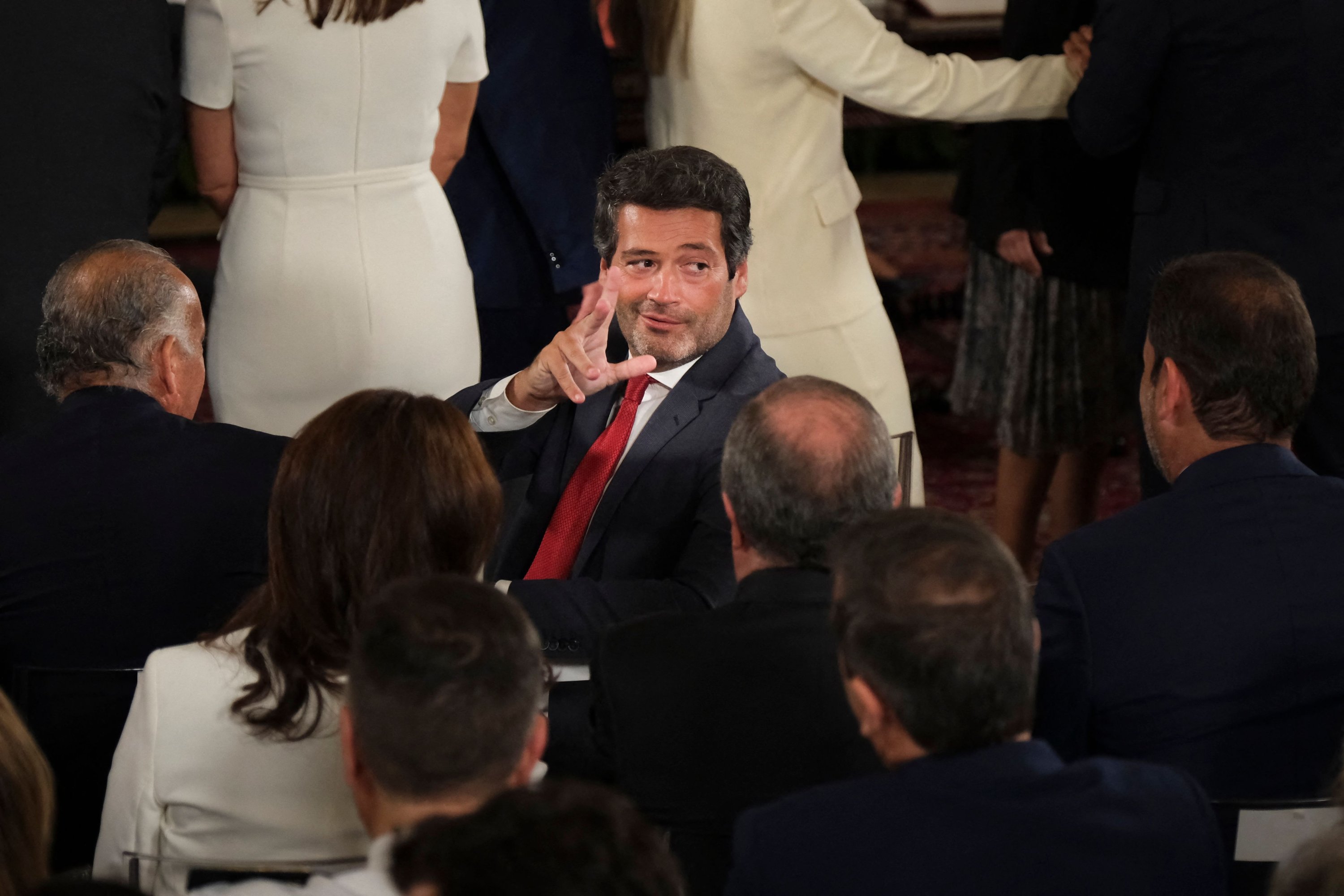
In recent years, Europe has witnessed an alarming surge in far-right ideologies, particularly within the Iberian Peninsula. Portugal’s Chega party and Spain’s Vox have emerged as two of the most aggressive proponents of nationalist, anti-immigrant and anti-Islam rhetoric. However, beyond their polarizing discourses lies a more complex and dangerous trend: transnational alliances, connections to extremist groups and financial backing from overseas actors.
Interestingly, a growing current within these far-right movements calls for the creation of an Iberian Union, a regional alliance separate from the European Union, focused on security, cultural nationalism and trade sovereignty. Unlike the EU’s liberal integrationist model, this vision imagines a conservative, ethnonationalist bloc that has the potential to cause a return of fascism. While still fringe, such ideas gain traction among disillusioned voters seeking alternatives to Brussels, raising red flags about a potential illiberal axis in Southern Europe.
To begin with, founded in 2019, Chega has quickly evolved into a prominent far-right political force in Portugal. The party’s leader, André Ventura, has made headlines with his inflammatory rhetoric targeting Roma communities, immigrants and Muslims. Notably, his suggestion to establish camps for Roma people and his repeated anti-Islam statements have raised alarms about the party’s potential to undermine social cohesion.
Chega’s influence has extended beyond words. In 2024, Portuguese authorities dismantled a paramilitary group ideologically aligned with Chega. This group had participated in anti-immigrant demonstrations, acted as unofficial security at Chega rallies, and issued death threats against opposition figures. Masked individuals disrupted an immigrant cultural event in Lisbon, leaving behind threatening messages bearing Chega’s slogans. Although Ventura distanced the party from these actions, his refusal to issue a strong condemnation deepened concerns over tacit approval. In parallel, hate crimes in Portugal have risen in tandem with Chega’s political campaigns.
Equally important, the media’s role in shaping public perception of Chega has been controversial. While some mainstream outlets frame the party’s rhetoric as protected free speech, independent journalists highlight the normalization of hate speech and the resulting increase in social tensions. For example, Ventura’s statement “Being Portuguese is a privilege” gained traction online, yet also led to the online harassment of critical academics and journalists.
Additionally, Chega-aligned digital troll armies have aggressively targeted investigative reporters. These attacks have had a chilling effect on the free press, diminishing journalistic oversight of political extremism.
On the legal front, the Portuguese Constitutional Court and Parliamentary Ethics Committee have issued warnings and condemnations against Ventura for anti-democratic conduct and offensive remarks.
Nevertheless, Chega won 18% of the vote in the 2024 local elections and gained seats in key municipalities. Consequently, the normalization of far-right views in mainstream politics appears to be accelerating.
Notably, Chega has introduced legislation aiming to restrict mosque construction and deny citizenship to children of immigrants. While not yet enacted, these proposals illustrate the party’s broader institutional agenda rooted in xenophobia.
Another worrying development is Chega’s connection to overseas donors. One of the party’s financiers and a key figure behind the scenes is Joao Maria Bravo. He is the owner of Sodarca Defense and is also active in the field of weapons and defense technology through companies like Helibravo. He is involved not only in arms but also supplies equipment for hunting, military and security sectors, holding major contracts with the state. Another concerning development is Chega’s ties to overseas donors, with Cesar do Paço emerging as the most prominent figure associated with the party’s international funding. Paço has played a key role as an intermediary, facilitating connections between Chega leader Andre Ventura and conservative circles in the U.S. Currently, allegations involving bribery, money laundering and financial misconduct linked to Paço are under active investigation, with Portuguese authorities closely scrutinizing related financial transactions.
Their relationship with the party highlights how Chega’s agenda is shaped not only by domestic forces but by a global right-wing ecosystem.
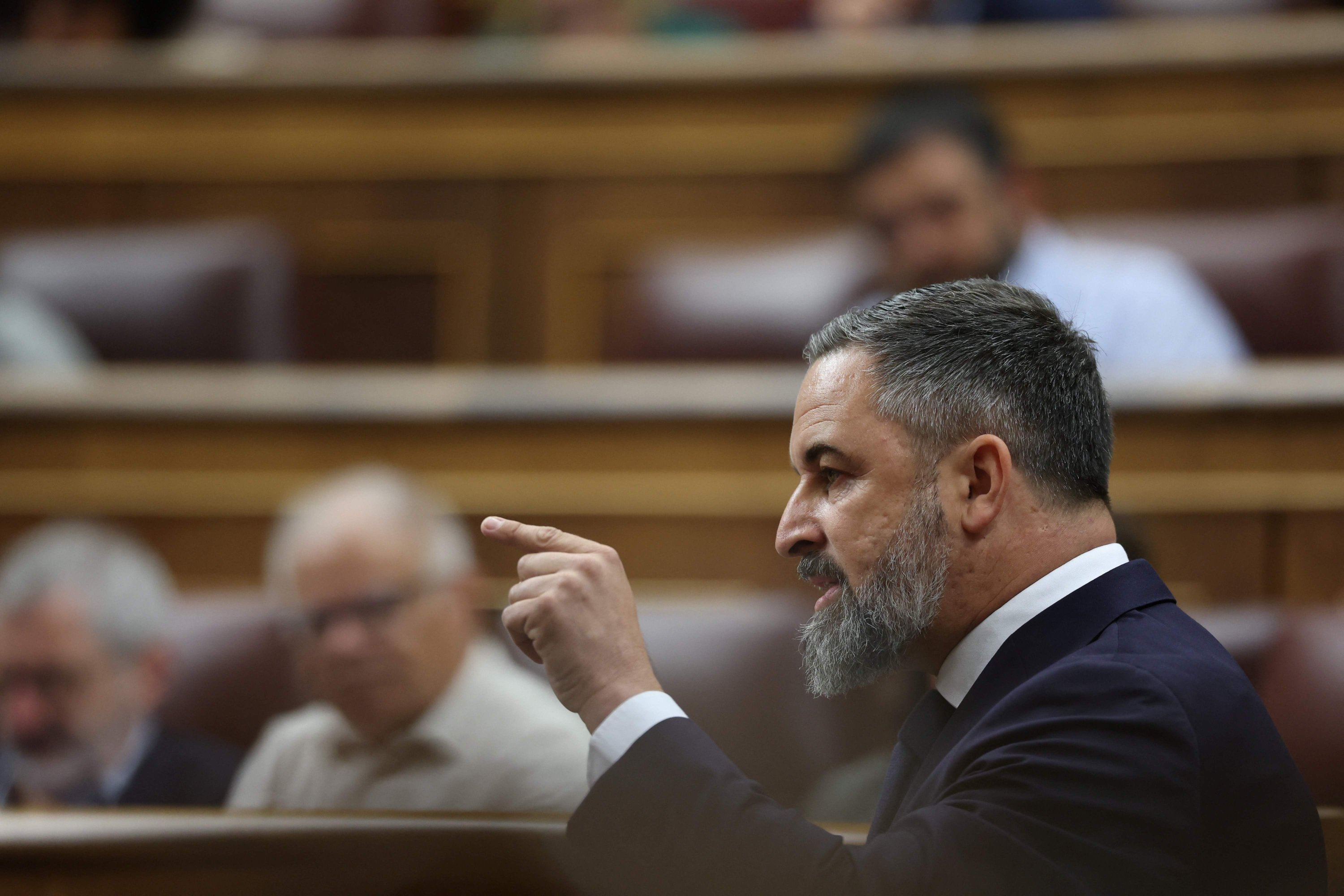
Simultaneously, Chega and Spain's far-right party Vox have cultivated close ties, often appearing together in public events. Their shared opposition to immigration, Islam and progressive values reflects a transnational far-right alliance. However, this relationship also reveals troubling inconsistencies.
Vox has openly supported the Mujahedin-e Khalq (MEK), a former Iranian terrorist group that was removed from the EU terror list in 2019 following intense lobbying in which Vox played a role. Although MEK opposes Iran’s current regime, it has a history of violent attacks on civilians.
This paradox – Vox’s anti-Islam rhetoric coupled with support for a radical Muslim group – underscores the opportunism of far-right strategies. Chega, similarly, prioritizes influence over ideological coherence, aligning with U.S. ultraconservatives and adopting Trump-style populism.
Furthermore, both Vox and Chega are sustained by financial contributions from abroad. Vox receives backing from elements of the Iranian diaspora, while Chega is funded by wealthy Portuguese-Americans. These connections not only blur the lines of national sovereignty but also suggest a larger coordinated strategy to reshape European politics through far-right ideology.
Alarmingly, these movements are increasingly intertwined with violent networks. Vox’s association with MEK and Chega’s links to paramilitary actors point to a convergence of political extremism and physical intimidation. As such, their growth must be analyzed not only in electoral terms but through the lens of domestic security and counter-extremism.
Critically, both parties demonstrate a worrying tolerance for violence. Vox protests have devolved into street fights, while Chega rallies have included armed participants. By neither fully endorsing nor explicitly denouncing such acts, both parties maintain plausible deniability while benefiting from the fear and disruption created by their extremist supporters. This strategic ambiguity enables far-right actors to attract radical followers without facing legal repercussions, deepening their appeal among disillusioned or angry voters.
The MEK case exemplifies the contradictions and dangers of far-right lobbying. Vox’s successful efforts to rehabilitate a group with a violent past, while continuing to propagate Islamophobia, illustrate how geopolitical objectives often override ethical considerations.
If current trends continue, the collaboration between Vox and Chega may evolve into a coordinated movement capable of destabilizing democratic norms across Southern Europe. Therefore, European institutions must develop mechanisms to address not only internal threats but also the international financing and strategic alliances that empower these movements.
The rise of Chega and Vox signifies more than just a political shift – it represents a transnational, well-funded, and increasingly violent challenge to democratic values in Europe. Their shared ideology, foreign sponsorship, and ties to radical networks present a comprehensive threat that must not be ignored.
To safeguard democratic institutions, it is imperative to expose and confront these actors with transparency, legal scrutiny, and civic resistance. Only through coordinated European action can the dangerous tide of far-right extremism in the Iberian Peninsula be stemmed.