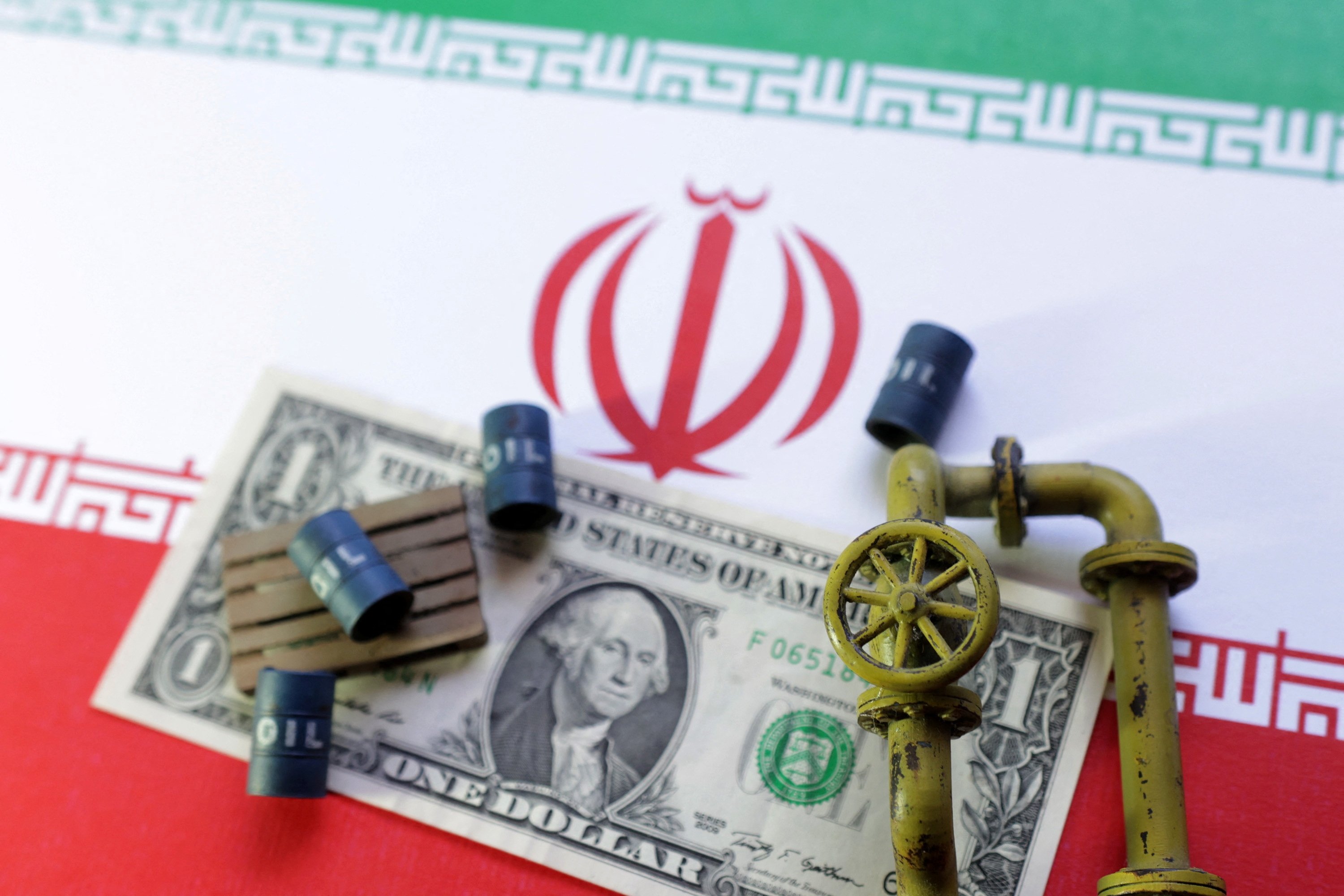
In the early hours before dawn, a sailor off the coast of Fujairah, a port city on the Gulf of Oman that opens into the Indian Ocean, watched a line of anchored tankers, still like chess pieces waiting for a move that might never come. Although a fragile cease-fire holds between Israel and Iran for now, with many expecting it to break at any moment, the reality that energy sites and power systems, especially oil fields, are no longer treated as untouchable makes this commentary relevant beyond a single moment in time. The sea was quiet, but the tension in the air was not. With ports silent and radar lights blinking in the dark, the world paused. Geography and fuel had turned into tools of pressure, and even silence had become part of the strategy.
Beneath this silence, a new kind of war was taking shape. On June 14, Israel launched the first major strike on energy infrastructure, hitting Iran’s South Pars gas field off the Persian Gulf coast and the Shahran and Shahr Rey oil facilities near Tehran; days later, Iran responded by targeting Haifa’s Bazan refinery and a nearby fuel storage terminal in northern Israel. These deliberate strikes marked the start of reciprocal attacks on energy systems; thus, the targeting of energy resources began and has been continuing since. It no longer limits itself to front lines or uniforms. Strikes were launched against energy infrastructure. oil and gas sites, including fuel depots and pipelines. Retaliations followed, hitting power stations and refineries. They showed that national energy systems are now part of the battlefield.
Such actions mark a shift in modern warfare. Energy networks, once seen as too dangerous to strike, are now integrated into military planning. The aim is no longer just to weaken armed forces, but to affect daily life, industry and morale. Shutting off energy becomes a tool of disruption, not only destruction.
Energy facilities are no longer protected by distance or importance. Oil fields and gas pipelines, once viewed as too risky to touch, have now, quite clearly, come to be seen as valid targets. A single hit on a terminal can shake national budgets. Damage to a pipeline can send a political message louder than any broadcast.
International law does not permit attacks on civilian infrastructure essential to daily life. This principle is written into the Additional Protocols to the Geneva Conventions. But in today’s conflicts, the lines are not always clear. A refinery may fuel hospitals and military vehicles alike. A power grid may serve both homes and defense ministries. These overlaps exist, and in war, they are often used to explain what would otherwise be forbidden.
The sea has always had its own balance. One of its most sensitive points is the Strait of Hormuz, which connects the oil-producing Gulf to the rest of the world. It is active and essential, but also vulnerable. A single act of aggression could block it.
This corridor remains open not because of trust, but because of shared caution. Each country using it knows what could follow if it were shut down. China, for example, depends heavily on this passage for energy. Although Beijing is working to reduce that reliance, a large share of its oil still passes through these waters. In recent years, it has aimed to shift its energy flows inland. Pipelines from Russia and Central Asia, which take years to build, are part of that strategy and carry long-term value. Every new agreement with Moscow or Ashgabat is more than trade; it is preparation for uncertainty.
Markets can remain steady for a while, but they do not forget. When shipping slows or insurance spikes overnight, markets notice. Even during moments of calm, energy prices carry the memory of risk. Behind every day of stable trading stands the quiet fear of new disruption.
If fighting begins again, energy sites may once more be targeted. This could happen by state forces or by non-state actors. It may even come through cyber means, leaving no visible trace. History has shown how a single event in one location can send shockwaves through global supply chains within hours.
If we turn to the country where this article is published, Türkiye, it stands between producers and consumers, at the edge of this shifting map. It is more than a transit country; it is a bridge between supply and demand. Disruptions at sea affect deliveries to its ports. Insurance changes alter trade costs. These shifts are not remote; they arrive fast and influence domestic decisions.
Some may think silence means the danger has passed. But often, silence after conflict is more charged than noise. Once a fuel depot or pipeline has been struck, the message is sent: it can be done again. And if energy becomes a weapon once, that idea stays.
We now live in a time when conflict no longer stays on traditional fronts. It moves into the systems that power, connect and supply our lives. The effects are not counted in territory won, but in cargo delayed, networks broken and trust shaken. This is not just a passing trend; it is part of how global security now functions.
And so the sailor watching the still water, waiting without a signal to move, may understand something more clearly than the headlines reveal. In a world where the burning of one depot can change prices and shape decisions far away, even silence at sea carries meaning.