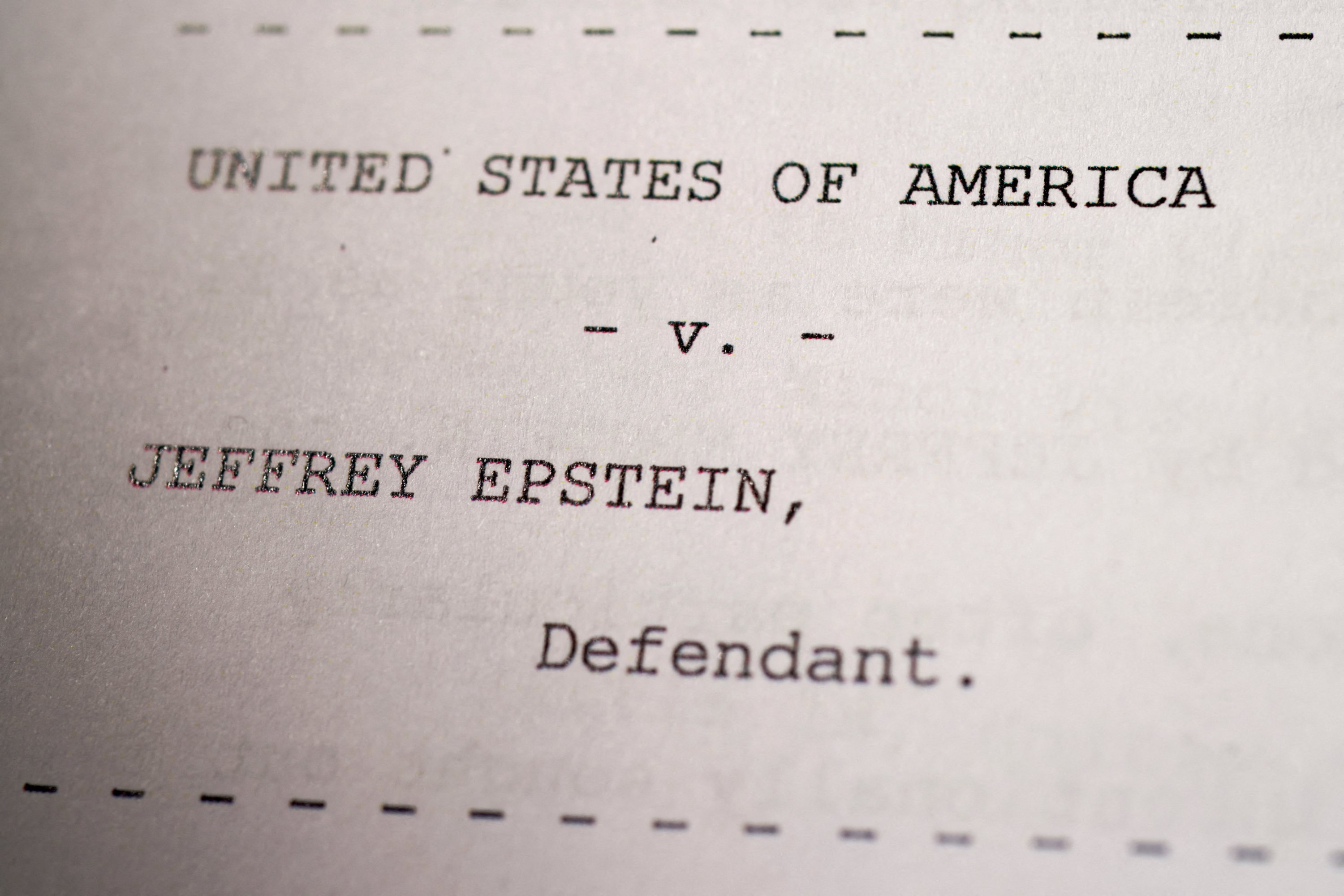
As required by law, the U.S. Department of Justice released another large batch of Epstein files. Although the deadline for the agency to release all related documents expired long ago, this new release, consisting of millions of documents, has, unsurprisingly, generated significant public controversy. For many years, the Epstein files were expected to strike a major blow to the system, with deep implications for both society and politics. However, the Epstein saga has so far failed to deliver the outcomes that many had anticipated. This is largely because this is not a leak, but a controlled and delayed official release. This distinction fundamentally changes the political impact of the disclosures.
As has long been speculated, the names of many high-profile figures appear in the documents, ranging from media and academia to the financial world and politics. While appearing in these files does not necessarily imply wrongdoing, in the public eye, it is often sufficient to raise suspicion. Thus far, no prominent public figures have been arrested or formally investigated due to allegations directly linked to the Epstein affair. This gap between expectation and outcome has further fueled frustration and distrust among the public.
Jeffrey Epstein himself was connected to various segments of American high society as well as the political sphere. Given the nature of his network and the charges against him, it would not be surprising if some intelligence networks had been covertly involved in these connections. Under these circumstances, it is quite plausible that information and documents obtained through Epstein’s connections may have been used against certain individuals in the past through blackmail or implicit threats. Even the mere possibility of such practices raises serious questions about power, influence and accountability within elite circles.
Currently, what we are witnessing is an “official release” of millions of files, carried out in a delayed and highly controlled manner. The law grants the attorney general the authority to censor or redact documents if national security concerns are involved, either partially or entirely. While legally justified, this authorization has contributed to public resentment and dissatisfaction by reinforcing the perception that “something might still be hidden.” As a result, the way the files have been released has itself become a source of criticism, particularly regarding censorship and selective disclosure.
For now, the public remains unconvinced and largely unsatisfied. At the same time, it is unlikely that certain elite figures across both sides of American politics are unhappy that the issue has not escalated further. So far, there has been no follow-up high-level arrest, no prosecution, and no formal accountability, only widespread public outrage and speculation.
U.S. President Donald Trump has offered only a brief response to the release of the new batch of Epstein files, largely downplaying the issue. It is worth recalling that there was intense debate surrounding Trump during the legislative process related to the release of these documents. Trump had previously promised to release all Epstein files during his presidential campaign, a pledge that generated excitement among his political base. However, Trump later abruptly changed his position, referring to the matter as the “Epstein hoax.” This sudden shift created major controversy, not only among the public but also within the Republican Party itself.
The backlash was particularly strong among key MAGA figures, some of whom openly criticized or feuded with Trump over this reversal. In this sense, the Epstein issue has exposed deeper fractures within the Republican Party, especially between party leadership and grassroots factions that prioritize transparency and anti-establishment rhetoric.
In the broader context, the renewed Epstein controversy has overshadowed emerging divisions within the Republican Party over U.S. support for Israel. It is also notable that within the MAGA movement, those most aggressively demanding the release of the Epstein files are often the same factions that question U.S. support for Israel. The Epstein files have therefore intensified tensions between these groups and Trump himself. In this sense, the Epstein affair functions as a political wedge not only between Democrats and Republicans, but also between elites and the public, and within the GOP itself.
Given the positions and influence of many individuals, it is likely that they were subjected to pressure, leverage or blackmail. Under this constant Epstein “sword,” their decisions, preferences and public positions may have been shaped by the fear of exposure.
For this reason, it would be misleading to claim that the Epstein releases are only now shaping American politics. They may have already shaped political outcomes at critical moments in the past. The current “official” disclosures, as a result of a tacit agreement among elites, merely serve to channel public rage, with no real political implications.
So, from one perspective, if anything, we might be observing the gradual dismantling of what may have been one of the largest intelligence-linked operations in modern history. If so, it is being carried out in a “smooth” way.
In sum, the Epstein files have produced a major public shock but have yet to generate concrete political outcomes. It has long been argued that the American political system is vulnerable to elite influence and the power of money. The Epstein affair reinforces these concerns but does not pave the way for real change. While the files will likely resurface in public debate from time to time, it is unlikely that they will lead to meaningful systemic reform in American politics. The impact, at least for now, remains largely transient rather than transformative.