Upon receiving the heartbreaking news of Türkiye's Feb. 6, 2023, earthquakes, in Chicago, I watched the screens with utter helplessness. As an engineer, my thoughts were centered on the engineering data displayed momentarily. However, immediately upon learning that my grandparents' ancestral home had been destroyed, the data in my mind turned into a cloud of memories. For us, our home in Malatya was the cornerstone of our identity.
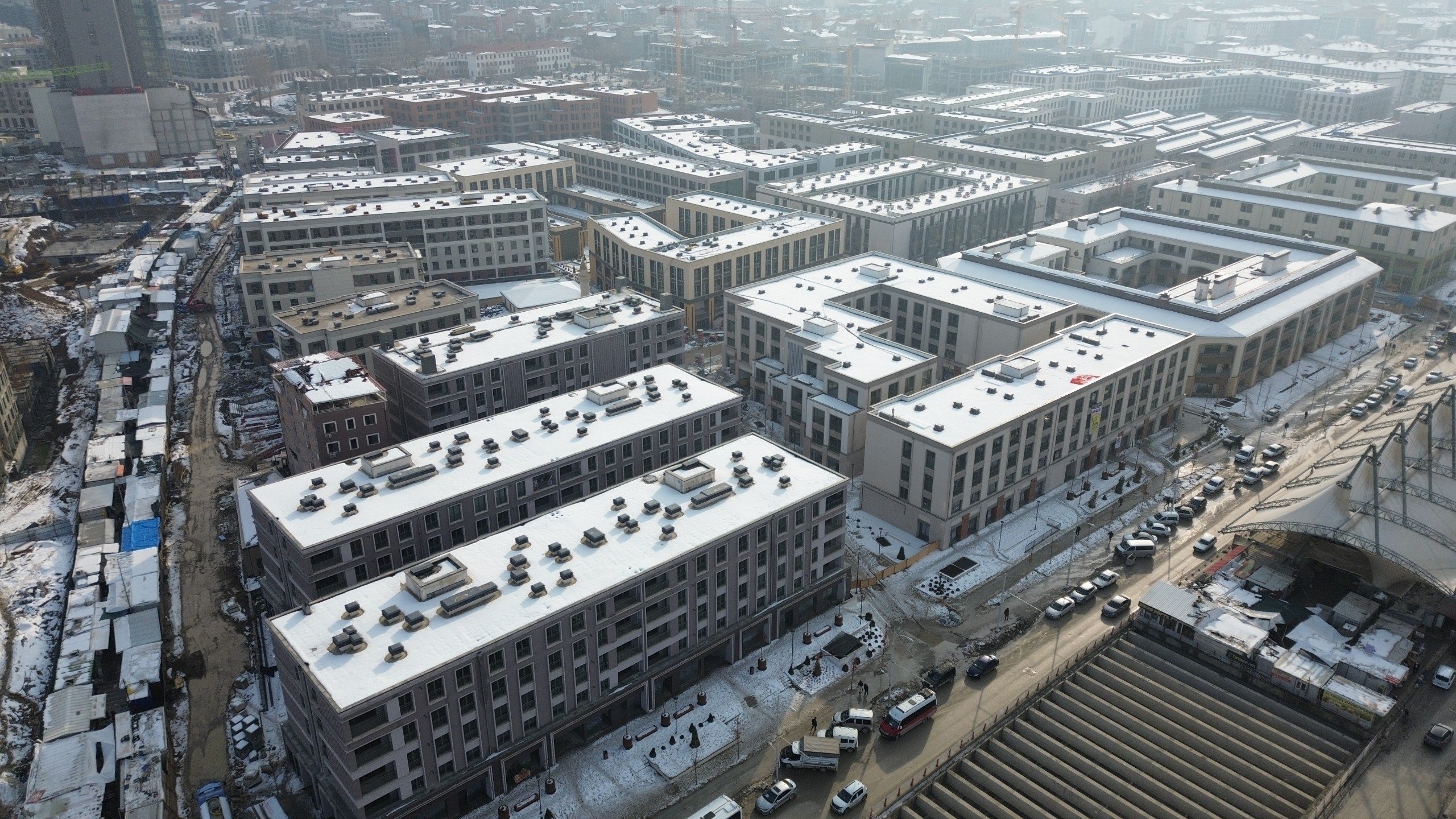
However, in the short period of three years, the state has delivered on its promise of the "Project of the Century," with thousands of housing units spanning 10 cities. Only recently did my family receive the keys to their new apartment in Malatya to replace their lost home. From an engineering perspective, nothing compares to the massive achievement of producing such a large amount of housing stock within such a short time in modern history. Yet this physical victory brings us to a critical threshold. Does filling the need for shelter constitute making a city "alive"? The state handled the toughest technical stage, which was building the infrastructure. However, these modern concrete blocks need to be turned into living fabrics filled with soul, neighborly bonds and collective memory. Now we need to move from the "construction" phase into the "cultivation" and cultural rehabilitation phase. But before looking at what to do next, I would like to describe what the state has accomplished so far.
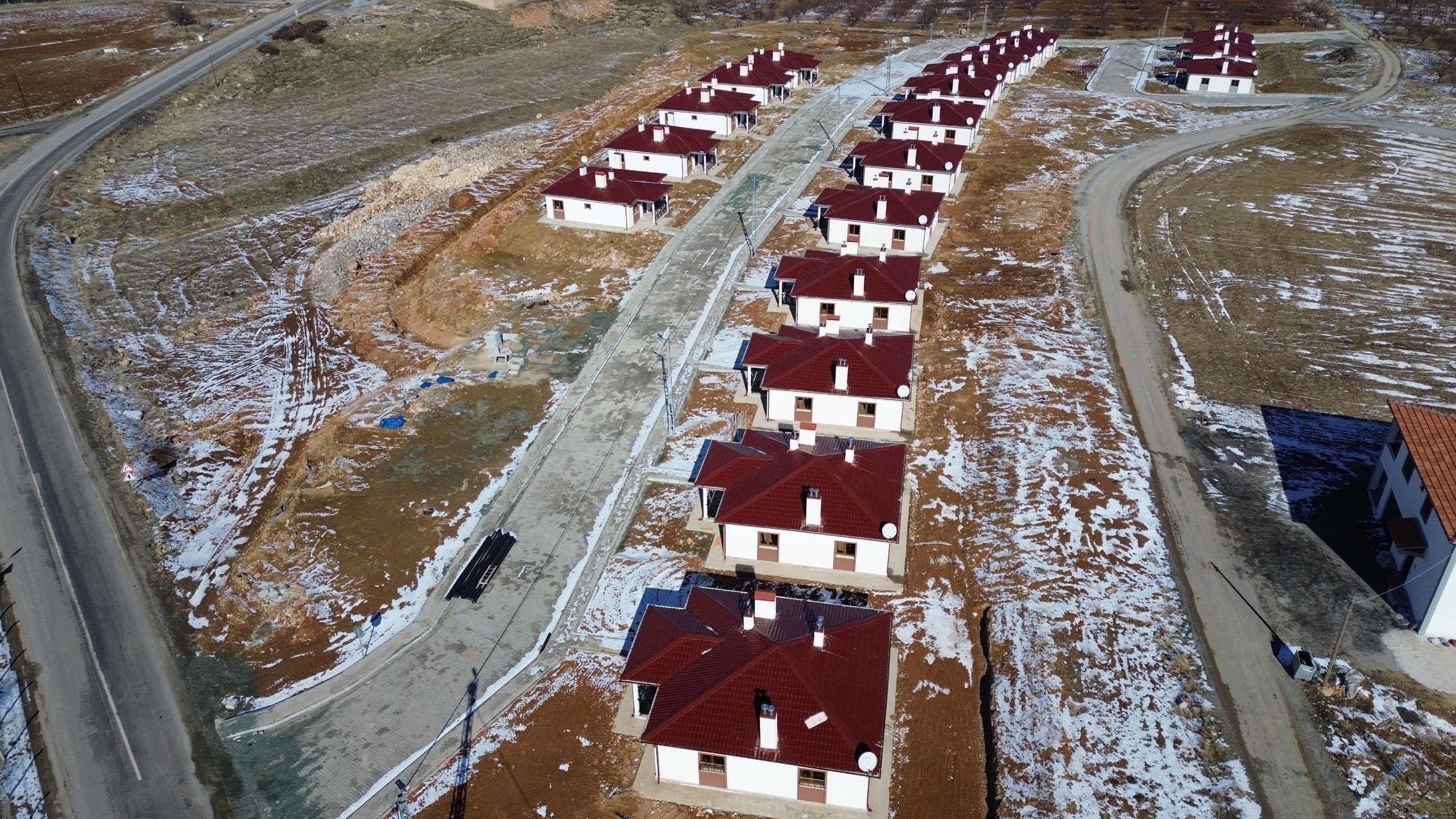
The reconstruction efforts initiated by the state after the earthquake have been recognized as one of the greatest construction mobilizations in history. In this tremendous transformation involving 10 provinces, not only were urban housing units built, but village houses, the very essence of rural culture, also became part of the reconstruction initiatives. Across this vast territory, from Malatya to Hatay, every villager and every individual possessing a cattle breeding certificate was provided with modern living spaces that include barns. This is not merely a housing project; it is a deliberate expression of the state's will that ensures villagers remain on their land, thereby protecting local production and traditional ways of life.
From an engineering perspective, the results achieved through this process, carried out simultaneously at 3,481 construction sites according to shared information from the Ministry of Environment, Urbanization and Climate Change, are quite impressive. The figure of over 450,000 independent housing units constructed as of January 2026 serves as evidence of the administrative competence of bodies such as the Housing Development Administration (TOKI) and Emlak Konut. However, the true value of the project lies in the "On-Site Transformation" model. Providing people with safe buildings on their own land without uprooting them from their familiar neighborhoods, neighbors and memories transforms this construction drive from mere development into a form of social rehabilitation.
Today, the keys that we received in Malatya can open doors to a holistic urban planning, which encompasses areas such as commerce, social areas, mosques and parks. The government has succeeded in the most challenging technical and logistical part by effectively protecting both its citizens and their social and economic ecosystems. The physical victory is now certified. However, the crowning glory of this immense infrastructure with a "soul" would be our most important task in the future.
The late visionary architect Turgut Cansever would tell us, "A house is not just a physical entity; a house is a reflection of the moral existence of the human being in this world." The measure of successful construction of a city, therefore, for this visionary architect, would be the quality of life these columns enclose. We have been successful in delivering housing units that are "perfect" physical shelters; however, for the social spirit we are supposed to be talking about to succeed, we now have to embark on the rehabilitation of the social fabric. It is at this juncture that the Disaster and Emergency Management Authority (AFAD), the Red Crescent (Kızılay) and local municipalities will have to get together to bring in social infrastructure that will enliven the spaces between these structures.
The main question we need to answer at this stage is how we can resonate the ancient voice and ethos of solidarity in the Anatolian neighborhoods within these modern buildings. The AFAD, the Red Crescent and NGOs could engage in activities that foster neighborly relationships with the principle of "let the person live so that the city lives." Civil society can help establish a neighborhood council that can foster communal solidarity as well as communal living with the help of common workshops. If we fail to fill the volumes between these blocks of concrete with "common life activities," it will mean that earthquake victims have moved into a safe building but not back to their own lives.
The most strategic element in such a social transformation must be the "Living Libraries" to be developed by municipalities and other local governments. In the early stages of my residence in Chicago, I often visited these libraries to improve my English-speaking skills. Beyond learning English, I gained another opportunity to get to know the city through direct communication with its people. For me, it was perhaps the first "Human Chain" that made me feel at home in a foreign land. Today, Living Libraries in cities devastated by earthquakes could serve as a communication link between local residents and immigrants, helping them blend into society, because one feels better and heals as long as one communicates and is understood.
In this context, libraries situated in the middle of the huge housing areas created by TOKI and Emlak Konut can preserve the vanishing Anatolian neighborhood culture. Such centers should be designed to serve as modern-day "community hubs" that provide everything from storytelling workshops to technology training. By taking Chicago's model of wrapping the city with Living Libraries, much like a subway map, and combining it with our tradition of "imece" (collective labor), we will build more than just buildings; we will build vibrant, resilient cities with a soul, possessing clear dreams and goals for the future.
This is the moment when, with the healing of its physical wounds, Türkiye achieved a technical victory. Yet the real success will be when a modern residence, 10 years from now, transforms into a cultural legacy that carries the warmth of our "old neighborhoods." Giving soul to these stone structures through "social harbors" such as Living Libraries will turn this immense construction effort into a saga of rebirth for society.
For us from Malatya, home is more than just a place where we lay our heads, it is a prayer extending across generations. It is now within our capacity to place the final touch on this robust edifice constructed under the "Project of the Century," with initiatives embodying multilayered solidarity and to turn these houses into true "homes."
* Geographic information systems engineer in Chicago and an M.A. student at Catholic Theological Union.