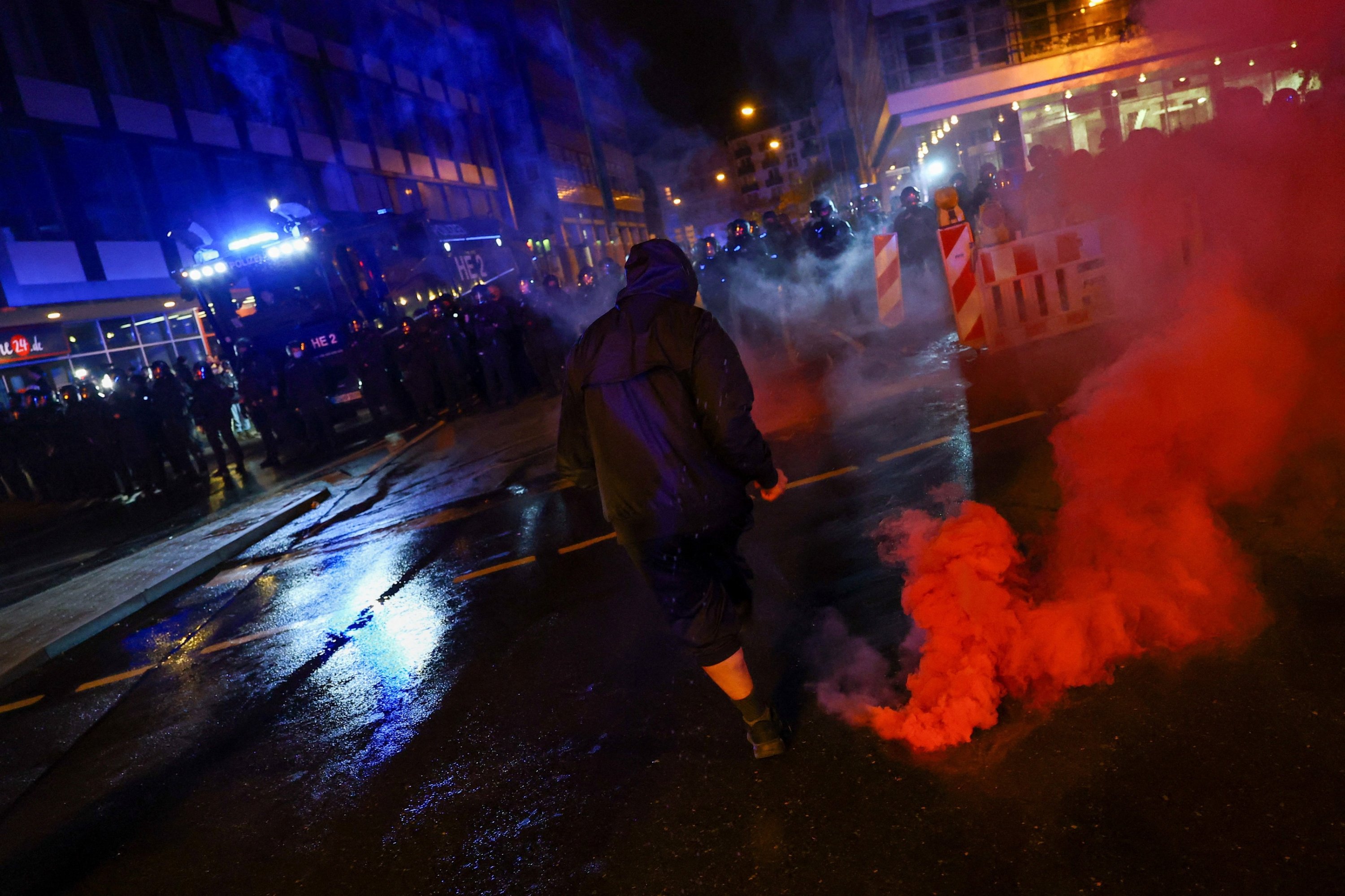
Germany’s young people have inherited a familiar promise: study hard, work diligently and a secure future will follow. Increasingly, that promise collides with expensive housing, strained public services and uncertainty over whether working harder will deliver a better life.
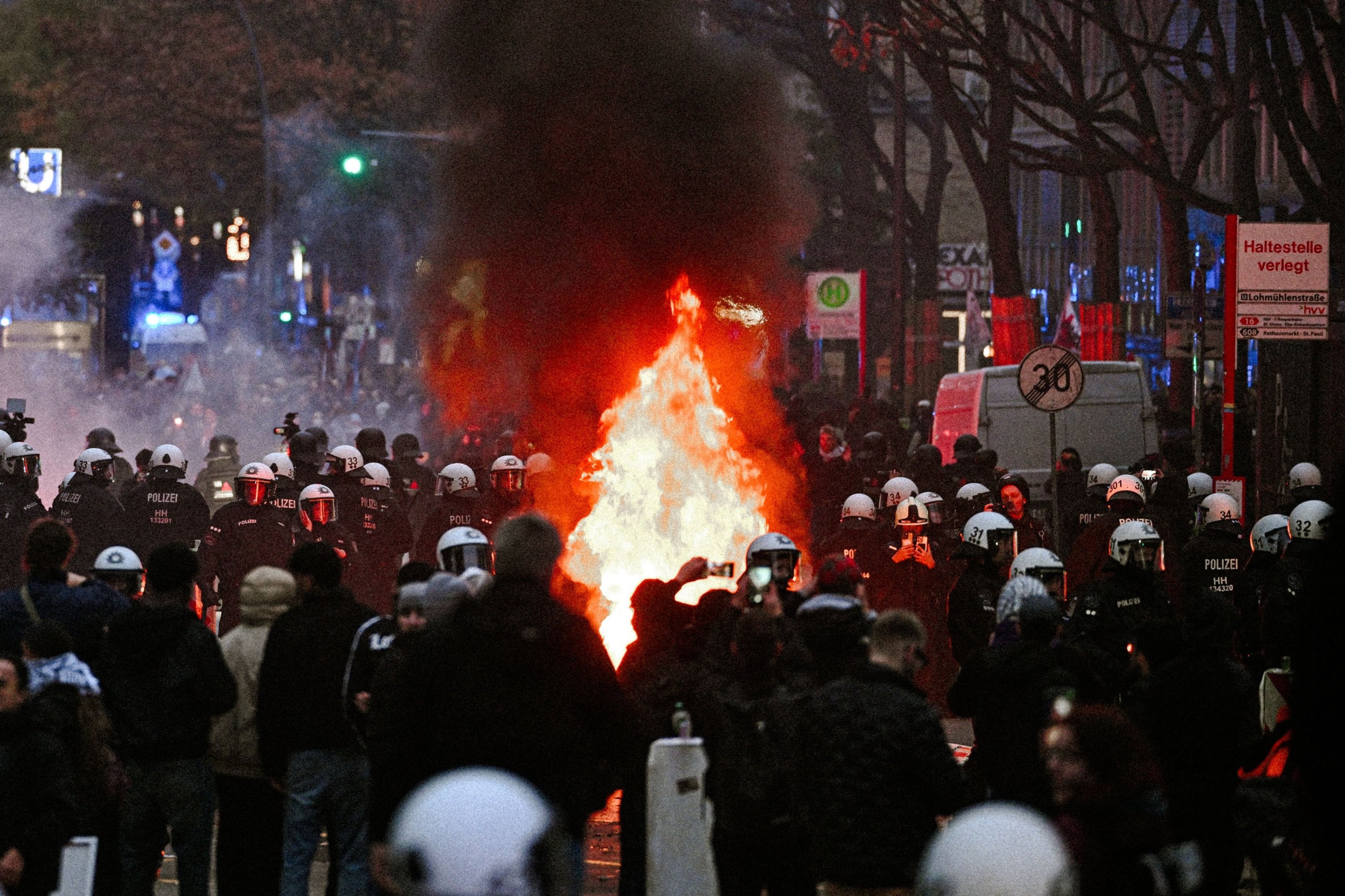
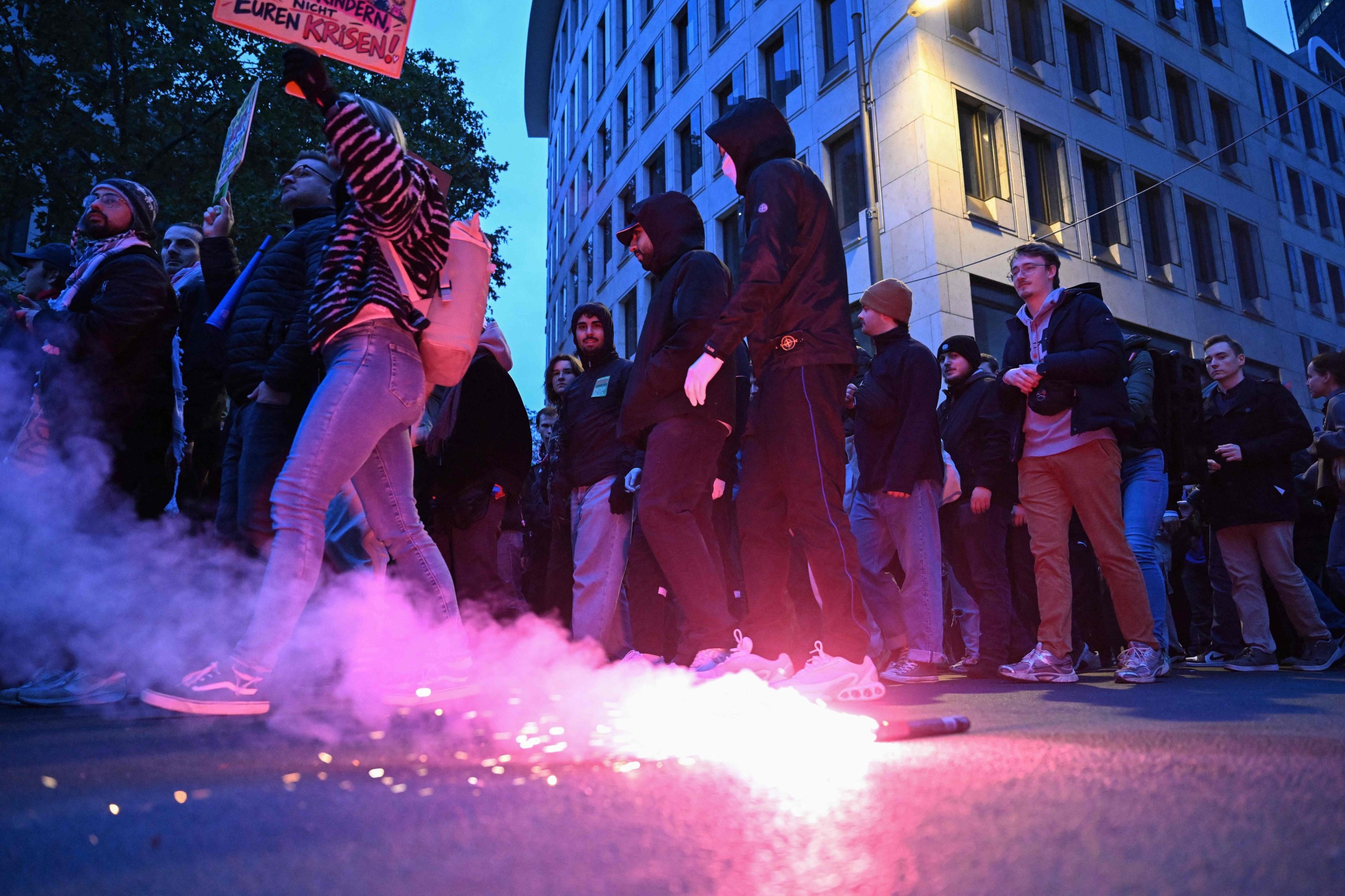
The demonstrations under the banner “Gen Z regelt” on Oct. 31 exposed that widening gap. Their significance extends beyond economic grievances. They also reflect a political failure: governments asking citizens to accept greater burdens while struggling to convince them that those sacrifices will lead anywhere.
With demonstrations planned in 34 German cities, the initiative brought dissatisfaction onto the streets of Berlin, Cologne, Frankfurt and elsewhere. Organizers subsequently claimed approximately 120,000 participants nationwide. Police counted around 5,000 in Berlin and up to 8,000 in Frankfurt. Attendance fell below advance expectations, but that does not make the underlying frustration politically insignificant.
France demonstrates how quickly specific grievances can become a broader challenge to political leadership. Protests that began over conditions in schools expanded into repeated mobilizations over living costs and public services. The Interior Ministry counted 550,000 demonstrators on Oct. 17 and 410,000 a week later, substantially exceeding the German turnout.
The anger directed at President Emmanuel Macron illustrates a central problem: Economic dissatisfaction becomes more combustible when citizens believe their leaders are detached from everyday life. Budget negotiations and government concessions have unfolded against continuing demands for further demonstrations. The dispute increasingly concerns whether those in power understand the insecurity experienced outside government offices.
Related unrest in Milan, Turin and Bologna underlines the wider European context. These movements have different participants and priorities, but their shared political challenge is recognizable: Established governments are struggling to make the future appear manageable.
Germany’s version is increasingly associated with Chancellor Friedrich Merz. An October survey found only 10% satisfied with his performance, matching satisfaction with the governing coalition. His approval had fallen 3 percentage points from early September, while 88% expressed dissatisfaction. These figures concern the electorate generally, rather than demonstrators specifically, but they establish the political climate surrounding the protests.
Merz’s rhetoric risks deepening that estrangement. In January, he argued that Germany could not preserve its prosperity through work-life balance and a four-day week, concluding that Germans therefore needed to work more. The argument concerned economic performance, but its political reception cannot be separated from people’s circumstances.
For a young worker struggling with rent, such appeals can sound like a reprimand rather than a solution. The question is whether additional effort will produce security. A government that emphasizes individual exertion without removing structural obstacles risks making citizens feel personally responsible for failures they cannot individually repair.
Housing provides a particularly stark example. Students maintaining their own households spent an average of 54% of disposable household income on housing in 2025. When accommodation absorbs more than half the available money, independence becomes difficult before a career has properly begun.
The accumulated price shock also matters. Germany’s average consumer-price index reached 121.9 in 2025, against a 2020 baseline of 100. Prices were therefore almost 22% higher than in 2020. Lower inflation does not restore earlier prices; it merely slows further increases.
Purchasing power requires a more differentiated assessment. Real wages increased 1.9% in 2025, followed by 1.5% year-on-year growth in the second quarter of 2026. Yet the 2025 real-wage level had only almost recovered to that of 2019. Years of recovery largely restored lost ground. They offered limited evidence that each generation could confidently expect greater prosperity.
National growth figures provide similarly qualified reassurance. Gross domestic product (GDP) increased 0.2% in the third quarter of 2026 compared with the preceding quarter, while investment declined. A modest recovery is welcome, but its political value depends on whether households experience an improvement.
Public infrastructure reveals another dimension. Local authorities’ assessments put Germany’s municipal investment backlog at 231.2 billion euros ($259.02 billion), including 68.9 billion euros in schools and 53.7 billion euros in roads. These survey-based estimates expose the accumulated consequences of postponing investment.
Debt consequently belongs in the debate, although the protests cannot accurately be reduced to opposition to borrowing. Many participants demand greater public spending. The generational question concerns the balance between liabilities inherited and opportunities received.
France’s government debt stood at 119.1% of GDP in the second quarter of 2026, compared with Italy’s 139.9% and Germany’s 63.4%. France faces serious fiscal constraints, but calling it bankrupt would misrepresent the evidence. Germany retains greater room to act. Allowing infrastructure to deteriorate despite that advantage would itself impose costs on future generations.
The movement’s future remains uncertain. Questions about its organization persist, and the national school-student umbrella organization has distanced itself from the initiative. Its demands also encompass conscription, climate protection and surveillance. No single organization can automatically claim to represent an entire generation.
Violence must be condemned and prosecuted. It endangers people and undermines peaceful participation. It should not, however, become a convenient substitute for discussing the grievances that brought demonstrators onto the streets.
With the initiative intending to join further protests on Nov. 20, Berlin faces a political choice. It can treat the mobilization primarily as a security problem, or address the combination of economic insecurity and declining trust that gives it momentum.
Merz needs results citizens can measure: accessible housing, functioning schools, and investment that reaches communities. Calls for greater effort will remain politically weak unless the government demonstrates what that effort can achieve.
Even if turnout eventually declines, dissatisfaction may persist as resignation or electoral rejection. The deeper warning is that young people increasingly doubt the bargain offered to them. A government asking them to work harder must show that Germany still offers a future worth working toward.