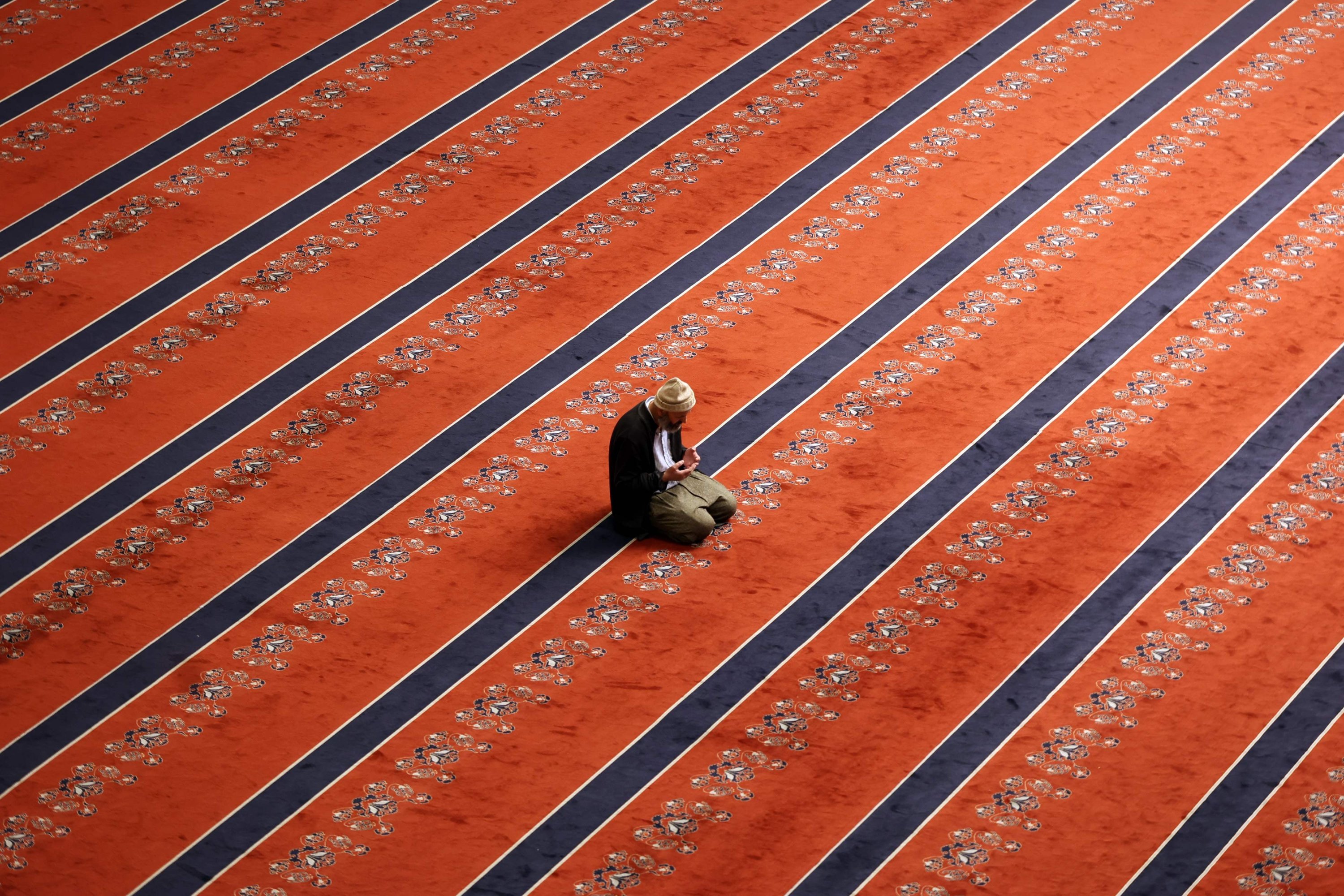
Fasting is an act of not consuming food and drinks for a certain period of time. Based on that, it is logical to assume that fasting is likely to have some effects on us both physiologically and biologically.
When our body digests the nutrients we receive from the previous meal, they are turned into glucose in the liver to produce energy. When that is done, the extra turns into fat.
Of course, there are countless benefits to fasting, but it mostly benefits the prevention of diseases related to cholesterol and diabetes – plus it helps with weight loss.
When the body gets used to fasting, instead of using the energy on taking care of the calories we receive in everyday life, it uses that energy for taking care of the diseases in our body. It does this by fighting infections and purifying toxins from the intestines, kidneys and skin.
Defense mechanisms help ward off unpleasant feelings or make good things feel stronger for the individual.
All interactions in our daily life, be it romantic or professional, bring positive and negative feelings at the same time. All emotions have a physical part too. For instance, we tear up when we are sad and breathe faster when we are afraid. The body and soul are inseparable.
When positive feelings are abundant, we connect with them less, as if they don’t exist. This cuts the connection between our body and soul. When negative feelings are too hard to cope with, we use defense mechanisms to protect ourselves. Intimacy, eating, drinking alcohol or smoking, and living fast are things that disrupt our contact with emotions in everyday life, disconnecting our mind, soul and body. During Ramadan, we slowed down, ate less, reduced smoking or drinking alcohol, and postponed sexual intercourse, thus we became more self-conscious. Hence, people may have become more aware of several negative feelings such as agitation, irritation and fatigue. In fact, those feelings were always there. We just used several tools to escape from them.
Skills for regulating emotions can be explained as identifying, expressing, feeling, managing, calming and controlling emotions and the ability to read others’ feelings. This understanding starts to develop in the early years. Children quickly learn that life requires comprises and use that as the basis for the formation of their emotional intelligence. This learning continues throughout school, university and over the course of our lives. It is a skill required for learning in all fields and succeeding in all life aspects. Research to identify the effect of fasting on emotional intelligence found that fasting contributes to a sense of self-awareness, impulse control, empathy and responsibility in a positive way. In the same research, people who fast during Ramadan show more stress tolerance during and right after the month of Ramadan.
In other research conducted to measure fasting and its psychological effects, it was found that as fasting progressed, participants reported that it was increasingly difficult and they became hungrier; however, they also experienced an increased sense of achievement, pride and control.
During fasting people practice self-control and delay immediate needs; likewise, they also control actions such as eating and drinking. While doing so, many emotions arise. We can say that fasting gives people the opportunity to get to know themselves better and be in touch with their inner world if they embrace the opportunity.
Fasting breaks our defense mechanism; thus, we may experience many negative feelings. So, how can one develop emotion regulation skills?
First, identifying and naming the emotion is necessary during fasting and offers insight. Secondly, it's important to figure out how they represent themselves in your body. Focusing on physical sensations guides you. At this point, if you were not fasting, you probably used one of the strategies above to escape from them. What is healthy and beneficial is to embrace whatever comes. It's important to practice awareness to let the emotions come and go.
The more we stay in the emotion, the more our capacity to regulate it develops. To put it another way, the more patient one gets, the more tolerance she or he will develop toward negative feelings. Hence, she or he will have better regulation skills.
And there is also interference from those who do not fast. The mechanism here is also as follows: There is a part of me that does not want to fast, but for some reason, I am suppressing this part. When I see someone who is not fasting, this part of me is triggered and I feel uncomfortable. Instead of coming into contact with the feelings that are in my inner world, it feels easier to focus on the one who is not fasting. If I want to fast truly, I would not mind if others fast or not, but if I have ambivalent feelings about it, then my mind focuses those who do not.
The person who increases contact with his inner world is not interested in what the other is doing or not doing. The fact that our mind is interested in the other is a defense mechanism that serves to escape from ourselves. Projection is a defense mechanism that means that whatever I have inside, even if I am aware of it or not, I will see it in others.