Despite recent tensions in the Middle East and the subsequent cease-fire, the Strait of Hormuz remains partially closed, continuing to disrupt the balance in energy markets. This situation serves as yet another reminder of a critical reality for global energy markets: the world’s energy system remains highly vulnerable to geopolitical uncertainties. Even though the hostilities have ceased, disruptions on one of the most critical routes for oil and liquefied natural gas (LNG) supply indicate that the crisis is far from over for the markets. Moreover, it is not just trade flows; the fact that restoring the damaged energy infrastructure will take time is emerging as a key factor delaying the normalization process.
The International Energy Agency’s (IEA) Global Energy Review 2026 report, however, allows for a broader perspective on this situation. While global energy demand is projected to increase by 1.3% in 2025, this rate remains below that of the previous year, signaling a slowdown in the pace of demand growth. This situation is attributed to weakening global economic growth, energy-intensive industries operating at lower capacities, reduced cooling demand, and, most importantly, improvements in energy efficiency. In other words, while energy demand continues to rise, the increase is lower than in 2024.
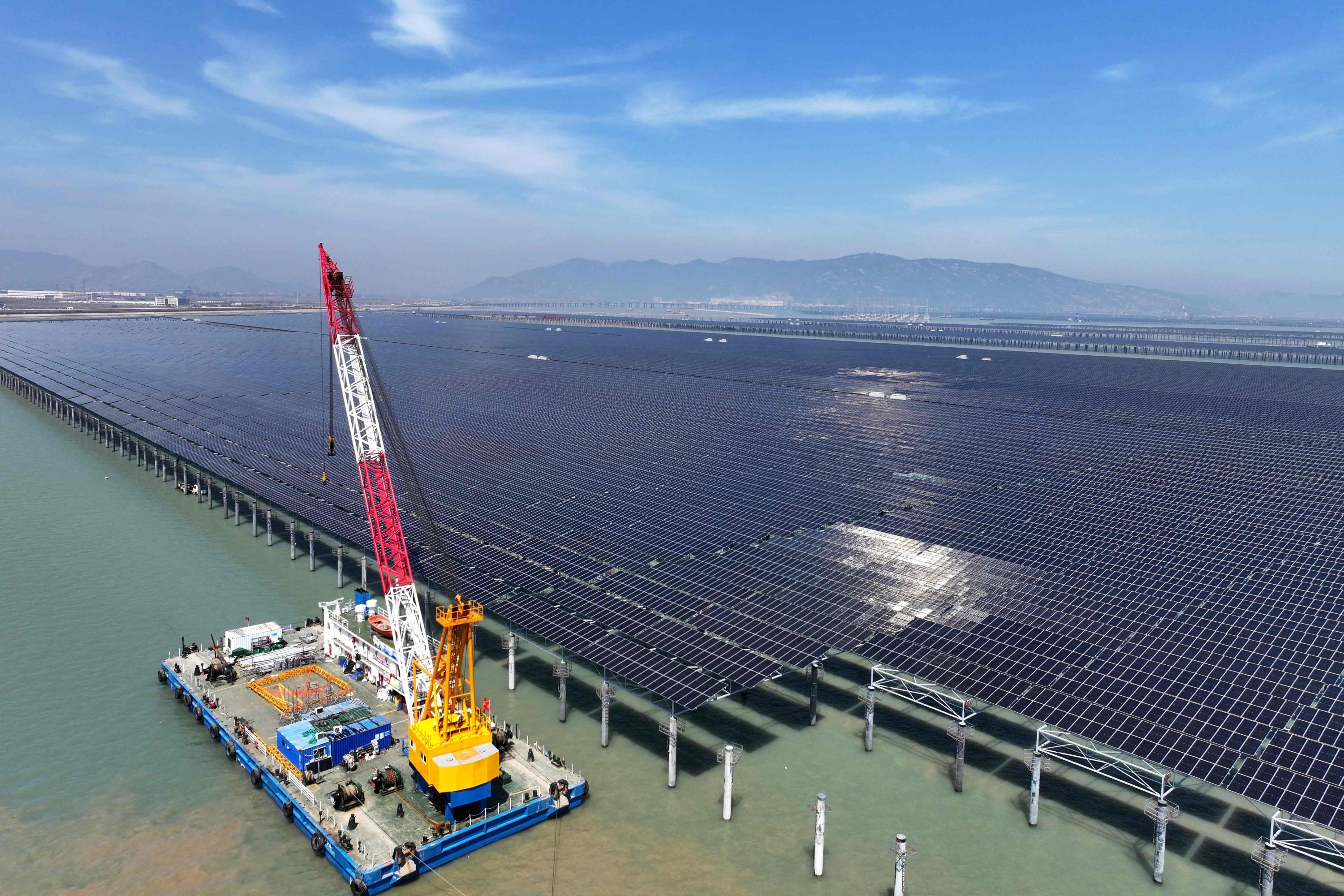
The developments in the demand growth segment, however, point to a more striking transformation. In 2025, over 25% of the increase in global energy demand came from solar energy, 17% from natural gas and only 15% from oil. Thus, for the first time, a renewable energy source has become the primary driver of global energy demand growth. This development demonstrates that the energy transition is no longer merely a goal but a tangible process with concrete results on the ground.
On the electricity side, the transformation is even more pronounced. In 2025, global electricity demand grew at nearly twice the rate of total energy demand. This growth was driven by the rise in electric vehicle sales, the rapid expansion of data centers and the electrification process in industry. Data centers in the U.S., in particular, accounted for roughly half of the increase in electricity demand on their own. These developments also point to an increasingly evident “age of electricity” in the global energy system.
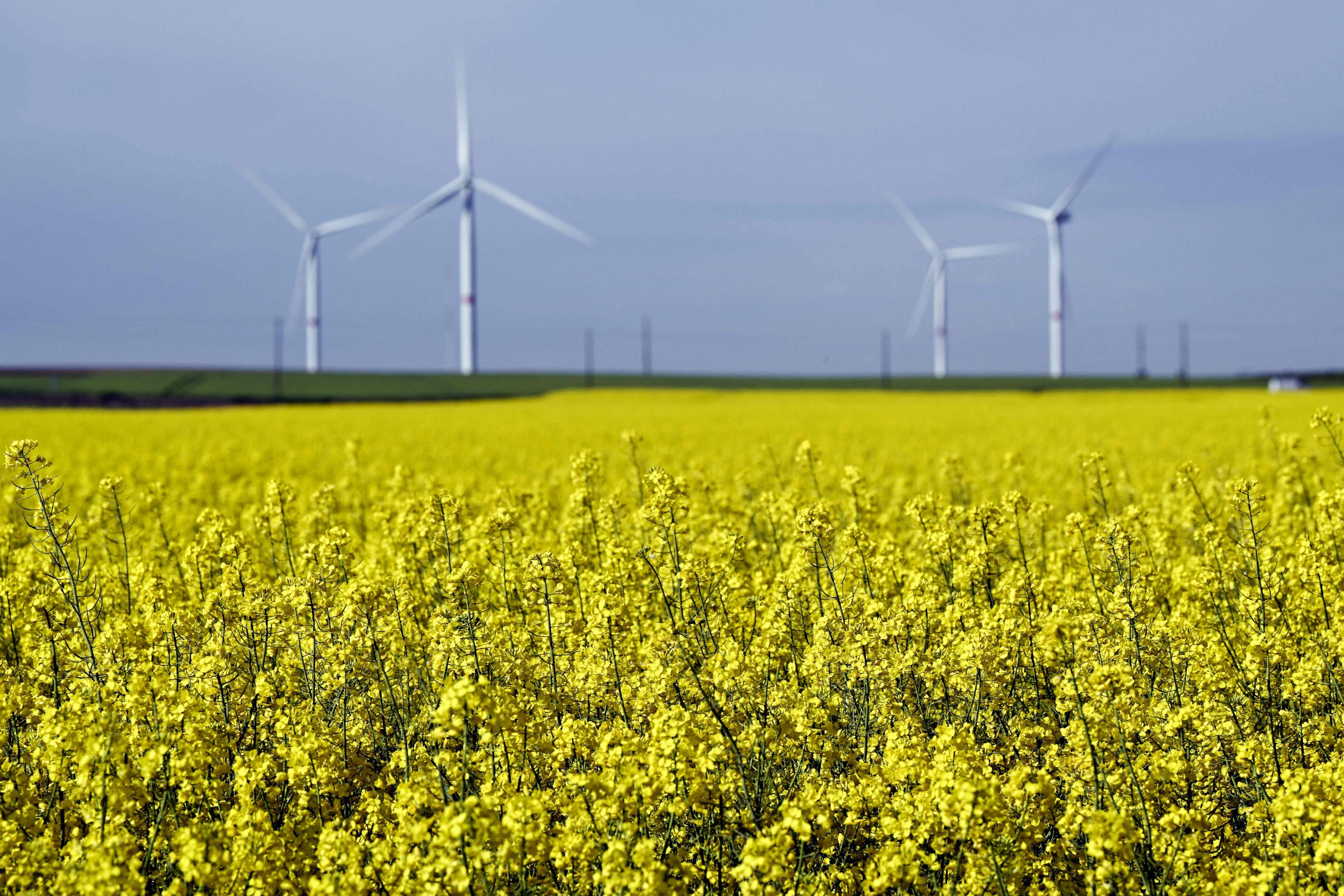
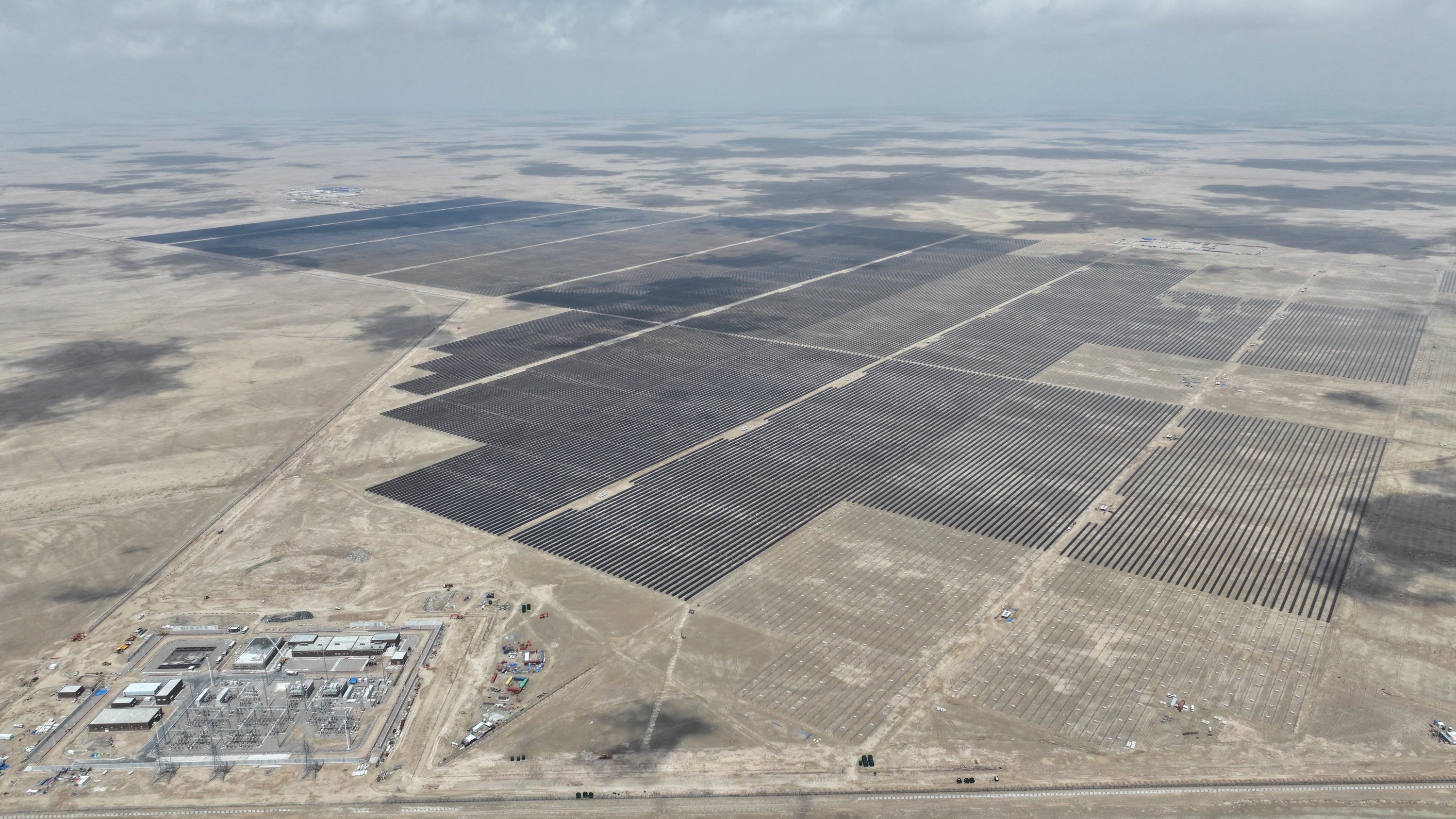
A similar increase is observed on the renewable energy supply side. According to the IEA report, global renewable energy capacity increased by approximately 800 GW in 2025 to reach a record level, with solar energy accounting for 75% of this growth. Solar energy production increased by 600 TWh in a single year, marking one of the largest annual production increases ever seen for any energy source and single-handedly accounted for approximately 70% of the global increase in electricity generation. Additionally, there was an increase of approximately 110 GW in battery storage capacity, while new construction investments of 12 GW were initiated in the nuclear energy sector. In contrast, the report reveals that by 2025, oil demand is projected to rise by 0.7%, natural gas demand by 1%, and coal demand by 0.4%, indicating a significant slowdown in growth for fossil fuels.
However, it is not enough to view this improvement in renewable energy merely as a growth story. What truly matters is the context in which this transition is accelerating. Nearly every crisis in energy markets in recent years has given momentum to renewable energy investments. This is because crises make the fragility of fossil fuel-dependent systems more apparent. This is driving countries to shift toward energy sources that are not only cleaner but also faster to deploy, more cost-effective and capable of reducing external dependence. In this sense, the energy transition is no longer merely an environmental choice but has become an economic and strategic necessity.
However, this transition is not proceeding in a single direction. The energy sector is currently navigating a system where two distinct dynamics coexist, moving from consumer to producer. While the use of renewable sources is growing rapidly, fossil fuels continue to maintain their dominance in the system due to existing industrial infrastructure. The limited availability of alternatives to replace oil and natural gas in the short term, particularly in sectors such as transportation, aviation and petrochemicals, makes it necessary for the system to move forward on two fronts.
The on-the-ground implications of this multi-layered transition are particularly evident in Europe. Europe’s energy strategy is not merely about a rapid transition to renewable sources. The current crisis demonstrates that a more balanced and multi-source approach is being adopted. While investments in solar and wind power are gaining momentum, nuclear energy is back on the agenda and in some countries, Germany in particular, coal remains part of the system, at least in the short term.
Developments in the LNG sector also show that this vulnerability is not limited to oil alone. IEA data supports this picture. While the increase in global natural gas demand in 2025 is expected to be limited to just 1%, high LNG prices and weakening industrial demand emerge as the two key factors suppressing gas consumption. The fact that tensions in the Middle East are affecting global LNG supply and that Europe is forced to compete with Asia for LNG supplies is creating upward pressure on prices. Europe’s entry into the winter months with low storage levels is also making the process more challenging. This situation not only increases costs but also brings about a period where access to energy becomes more difficult – particularly for countries dependent on imports – thereby heightening the risk of energy poverty.
A similar transformation is clearly gaining momentum in Türkiye as well. According to data from the World Energy Council Türkiye, the share of renewable energy in electricity production has increased significantly in Türkiye. By 2025, electricity generated from solar and wind sources is expected to approach approximately 30% of total production, while natural gas’s share drops below 20% and coal’s share remains around 35%. In particular, the recent historical levels of electricity generation from renewable sources offer a promising perspective for reducing external dependence. Türkiye, which does not rely solely on renewable growth for energy supply security, continues to integrate sources such as coal and natural gas into the system to safeguard supply security.
In conclusion, IEA data highlights that the energy transition is accelerating but also reminds us that this transition is not yet complete. The key question in the coming period will not be how much renewable energy will grow, but rather how the risks emerging during this transition will be managed. This is because the current landscape in energy markets signifies not merely a transformation, but a transition process that encompasses both the new balances and vulnerabilities created by this transformation. Finally, the extent to which this energy transition will be further influenced by geopolitical tensions remains a significant question mark.