With President Donald Trump entering his second term, the reinstated "maximum pressure" policy continues to escalate tensions between Iran and the United States. In February, the Trump administration imposed sanctions targeting Iran's oil sector. U.S. Treasury Secretary Scott Bessent stated that the goal of these new sanctions was to "collapse its already buckling economy."
Meanwhile, the U.S. also implemented additional sanctions measures, such as ending the exemption previously granted to Iraq for importing electricity from Iran. The U.S. is known to be pressuring European powers to activate the snapback sanctions mechanism. On March 12, Britain's Deputy U.N. Ambassador James Kariuki stated that they could initiate the snapback sanctions mechanism to prevent Iran from obtaining nuclear weapons. The snapback sanctions mechanism will expire on Oct.18, 2025. If the snapback mechanism is not activated before this date, these sanctions will be permanently lifted, allowing Iran relief from various international restrictions.
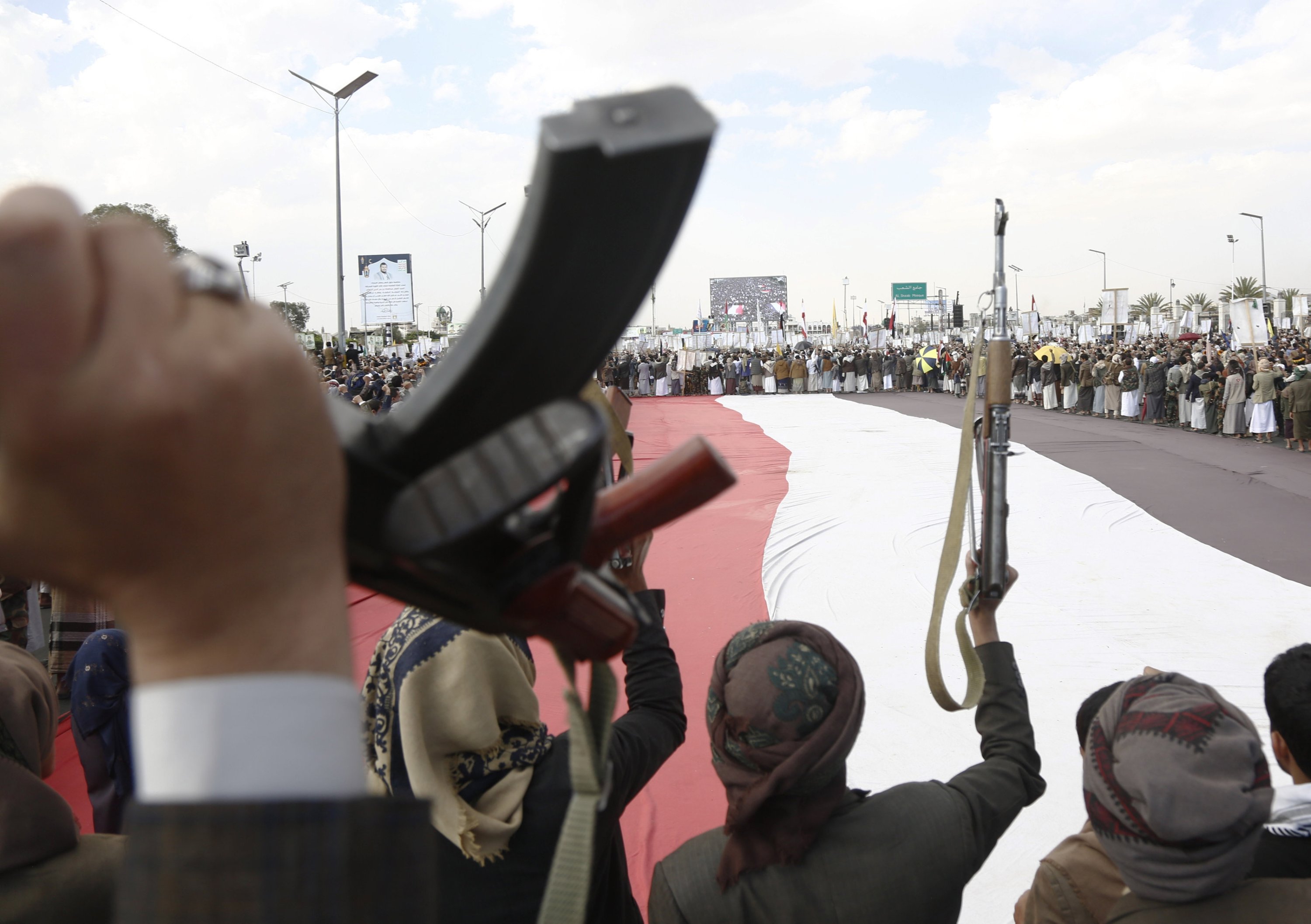
When sanctions and diplomatic pressures failed to yield the desired outcomes for Trump, the use of hard power came onto the agenda. Tensions between the U.S. and Iran sharply increased in the region after the U.S. heavily bombed Yemen starting March 15, and Israel sabotaged the Gaza cease-fire by resuming attacks as of March 17. The Trump administration also re-listed the Ansarullah organization, previously removed by former President Joe Biden's administration from the Foreign Terrorist Organizations list, effective March 4, 2025. The administration holds Iran responsible for Houthi attacks on Israeli ships. President Trump has threatened that Iran itself will become a target and face "dire consequences" if these attacks continue.
In response to Trump's choice to use pressure and blackmail as tools to bring Iran to the negotiating table and his escalation of pressure on Iran, the country's Supreme Leader Ali Khamenei banned negotiations with the U.S. in early February. Following this, Iran's President Masoud Pezeshkian said they would adhere to the supreme leader's stance. Meanwhile, Javad Zarif, one of the symbolic figures of Iran's negotiation process with the U.S., submitted his resignation. Although Zarif's resignation was linked to an investigation regarding his children’s U.S. citizenship, it is widely acknowledged that closing the door to negotiations played a far more significant role in his decision.
While Iran took a firm stance with the argument that "we will not negotiate under pressure," President Trump sent a letter to Iran's religious leader Ali Khamenei, urging the start of negotiations. According to backchannel reports, the letter – delivered by the UAE’s Anwar Gargash – was written in a tone that breached diplomatic norms and was poorly received by Iranian officials. It was claimed that Trump presented maximalist demands to Iran, stating he would only come to the negotiating table if his conditions were met. In the following days, Iranian Foreign Minister Abbas Araghchi, during a visit to Oman, reportedly conveyed Iran’s response through Omani intermediaries, which was said to be negative. Trump’s alleged demands included Iran completely severing ties with regional armed groups it supports, shutting down its nuclear facilities, and imposing restrictions on its missile program.
In a speech on March 8, Iran’s Supreme Leader Ali Khamenei reiterated that the country’s missile program is non-negotiable. Following Anwar Gargash’s delivery of Trump’s letter, Khamenei again emphasized that Iran would not enter into negotiations. During a speech on March 12, he stated that talks would not remove sanctions but would instead lead to their escalation. He also asserted that Trump’s 2018 withdrawal from the 2015 nuclear deal confirmed the U.S. as an unreliable actor.
Meanwhile, Iran is attempting to consolidate its alliances on the Eastern front in response to U.S. pressure. On March 14, a meeting was held in Beijing, China, attended by deputy foreign ministers from Russia, China and Iran, which resulted in a resolution calling on the U.S. to lift sanctions and end pressure on Iran. Iran appears to have secured the backing of its Eastern allies to push for negotiations to be conducted through a multilateral framework.
Simultaneously, the Iranian government, which is also striving to manage internal political balances, continues to avoid enforcing a law – passed by Parliament – that imposes severe penalties on women not wearing the hijab. Despite relentless pressure from conservatives, the Supreme National Security Council has blocked the implementation of this regulation. The reason is not due to reformist leanings within the council but rather concerns over potential domestic unrest if the law were enacted.
In a related move, the prison sentence of Mehdi Karroubi, a reformist leader who had been under house arrest for years, was lifted. Reports also suggest that Mir Hossein Mousavi, former prime minister and a key figure in the reformist movement, may soon have his house arrest revoked. Iranian authorities aim to reinforce internal unity through these measures, countering potential chaos that former U.S. President Trump could exploit. Notably, during his previous term, Trump authorized intelligence operations within Iran and officials from his government maintained close ties with leaders of groups such as the People’s Mojahedin Organization (MEK), which is recognized as a terrorist organization by the Iranian government.
Tensions are expected to escalate in the coming days. Regional stability, which began to ease in late 2024, is deteriorating again, further inflaming Iran-U.S. hostilities. The collapse of the Gaza cease-fire, Lebanon’s fragile truce (hanging by a thread), renewed Houthi attacks and U.S. airstrikes in Yemen all signal the risk of broader regional conflict. Consequently, Iran’s preparations can be interpreted as addressing not only domestic instability but also the looming threat of large-scale regional confrontations.