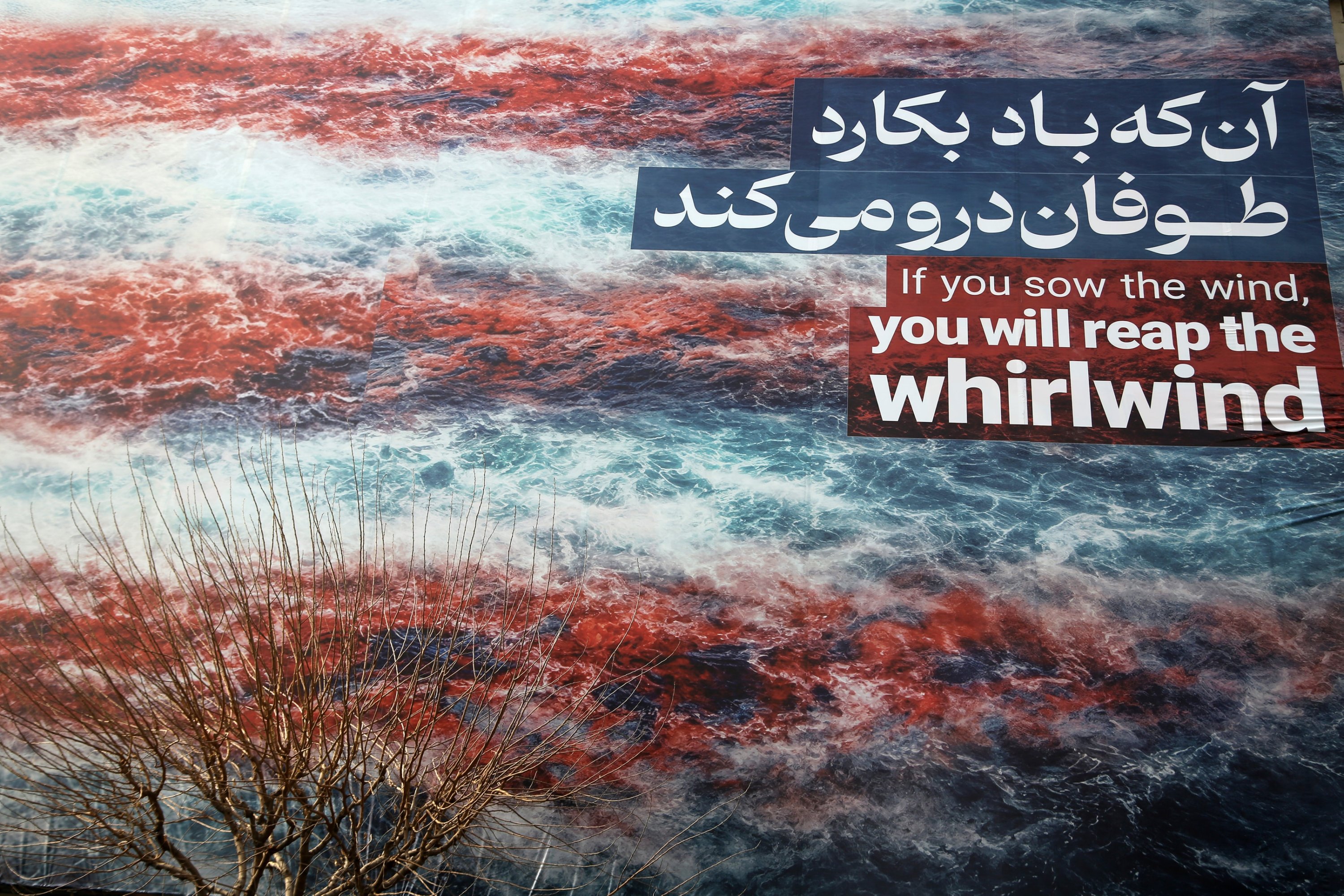
Protests that began in Iran on Dec. 28, 2025, for economic reasons quickly transcended the scope of a domestic social movement, taking on a regional and even global dimension. The rapid emergence of these protests on the international public agenda was largely due to the extremely harsh statements made by U.S. President Donald Trump. About 10 days after the events erupted, on Jan. 8, 2026, Trump made his first statement, explicitly threatening concrete military action, saying that if protesters were killed in Iran, the country would be “hit very hard.”
These statements were met with equally harsh responses from Iranian officials, led by Supreme Leader Ali Khamenei. Khamenei and other high-ranking officials directly accused the Washington administration, stating that the United States was behind the events unfolding in the streets. During the same period, there was a noticeable increase in U.S. military activity in the Middle East.
The decision to deploy the USS Abraham Lincoln aircraft carrier to the region, with Trump's announcement that a “massive fleet” was heading toward Iran, and his subsequent statement on the last days of January, heightened concerns that the tension could take on a serious military dimension. The Iranian side held the U.S. itself responsible for this dangerous transformation.
Whenever the concept of “American intervention” comes up in public discourse, what usually comes to mind are large-scale military occupations such as those in Iraq (2003) or Afghanistan (2001). However, looking at the current situation in Iran, it is clear that the situation differs significantly from these classic invasion scenarios. In the case of Iraq, Shiite groups, who had been oppressed for many years by Saddam Hussein's regime, and the Kurds, who had established an autonomous structure in northern Iraq, cooperated with the U.S. invasion. In Iran, however, Reza Pahlavi, the son of the deposed Shah who lives abroad and is occasionally brought up in the media, is not seen as a sufficiently strong and inclusive leader figure by the Iranian people.
On the other hand, it cannot be said that the U.S. has a definite plan for a direct invasion or overt regime change in Iran, at least under current global conditions. There is currently no war on the ground, and agreements have even been proposed. However, intense military pressure, harsh diplomatic rhetoric, mutual threats and the possibility of limited military action are all intertwined. Therefore, the issue should be carefully addressed not only in terms of the question “Will America strike Iran eventually?” but also as a high-tension deterrence strategy and crisis diplomacy process.
The naval and air assets deployed by the U.S. in the Middle East may, at first glance, give the impression of extensive war preparations, but from a strategic perspective, they serve more as a deterrent. When considered alongside Trump's harsh statements, there are interpretations that an attack could happen at any moment. However, aircraft carriers, air bases and exercises conducted with regional allies essentially aim to demonstrate to the world Washington's “capacity to intervene when necessary.”
On the Iranian front, ballistic missile capabilities, advanced unmanned aerial vehicles and regional proxy forces (primarily Hezbollah and various militia structures), while not as powerful as before, still pose a serious retaliation potential. Furthermore, strategic assets such as control over the Strait of Hormuz are among the most critical elements of this complex equation. The overall picture that emerges is one of fragile but functioning mutual deterrence, with both sides taking great care to avoid firing the first shot.
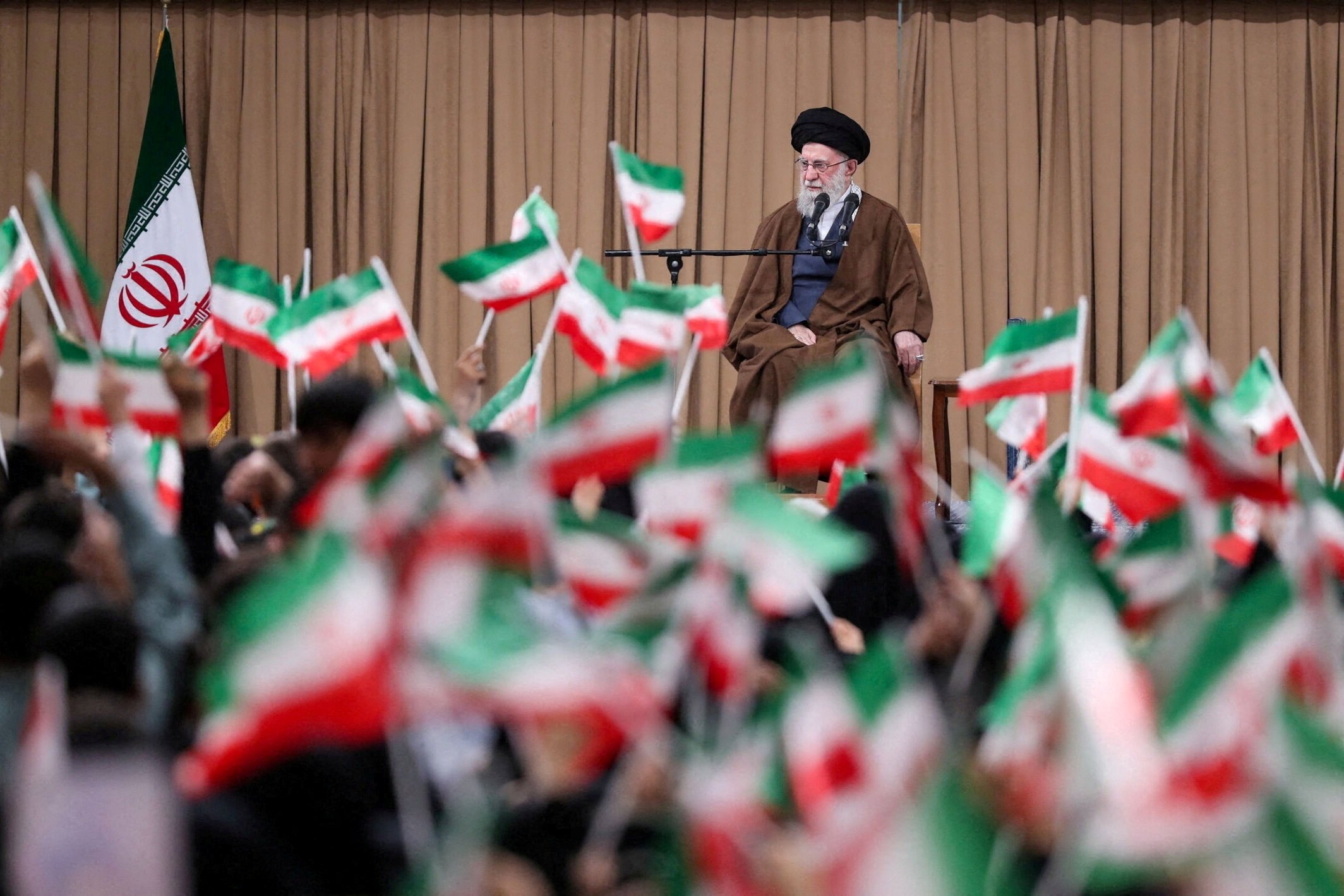
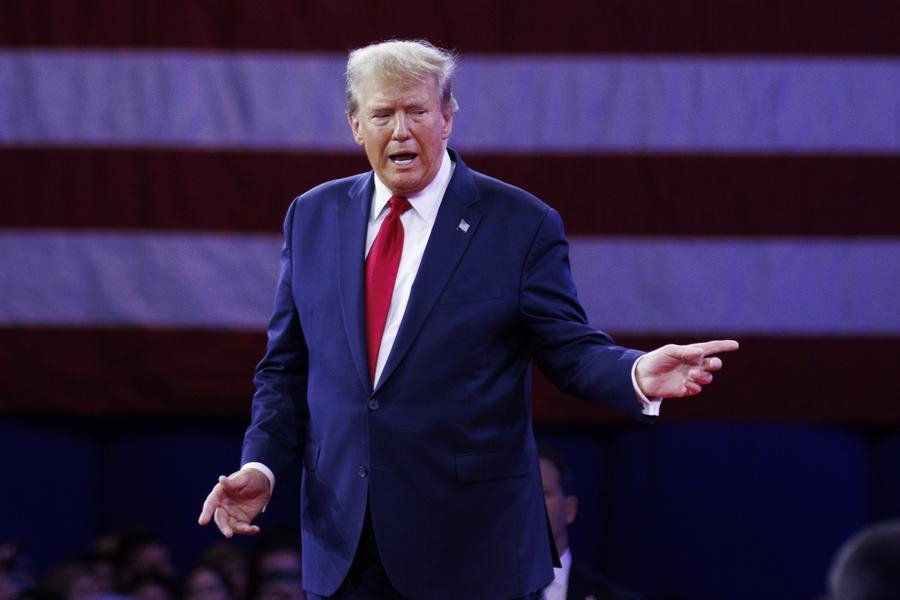
One of the most striking aspects of this crisis is that, despite the intense language of threats, diplomatic channels remain open at all times. While the U.S. side resolutely maintains that “the military option is always on the table,” Iran continues to convey the message that “we are prepared for any possible scenario.” However, neither side ever completely rules out the possibility of a final negotiation. This situation can be described as an example of crisis diplomacy, frequently encountered in the literature on international relations.
Iranian Foreign Minister Abbas Araghchi's statement during his visit to Türkiye that they are open to negotiations but that a negotiation model with preconditions is unacceptable, as well as Araghchi's statement in an interview with CNN on Feb. 1 that message exchange through third countries is actively continuing, has given hope to the public. Regional countries, particularly Türkiye, has been making intensive efforts to create a ground for negotiations between Iran and the U.S. Recent statements, suggesting that peace talks are about to be held in Istanbul, prove that both sides are much closer to the possibility of negotiations than to war.
The U.S.'s fundamental expectations from Iran are the complete cessation of nuclear activities, a review of regional policies, and abandonment of the long-range ballistic missile program. However, at the very center of all these discussion points lies Iran's nuclear program. From the perspective of the U.S., and especially Israel, Iran's attainment of nuclear weapons capability is considered an unacceptable “red line.”
Under the 2015 Joint Comprehensive Plan of Action (JCPOA) agreement, Iran had agreed to limit its uranium enrichment level, significantly reduce the number of centrifuges, and unconditionally accept International Atomic Energy Agency (IAEA) inspections. With Trump's withdrawal from the agreement, this legal framework became defunct. Iran today is not completely closing the door to a similar agreement; however, it is demanding an international guarantee that the U.S. will never unilaterally withdraw from an agreement again.
If the negotiation processes fail, it is anticipated that the U.S. may resort to limited and targeted military operations, primarily against nuclear and missile facilities. However, the situation currently unfolding around Iran is more a process of high-pressure coercion and strategic deterrence than a classic American intervention. Although the possibility of a large-scale invasion or all-out war is currently considered low, military preparations and increasingly harsh rhetoric keep the risk level in the region consistently high.