There is a lot of talk about sustainable tourism. It is presented as a model capable of protecting the environment while ensuring income for local communities. But after so many years of slogans, the question remains the same: Does it really work? Are there concrete examples, on a significant scale, that demonstrate that it is not just a matter of good intentions?
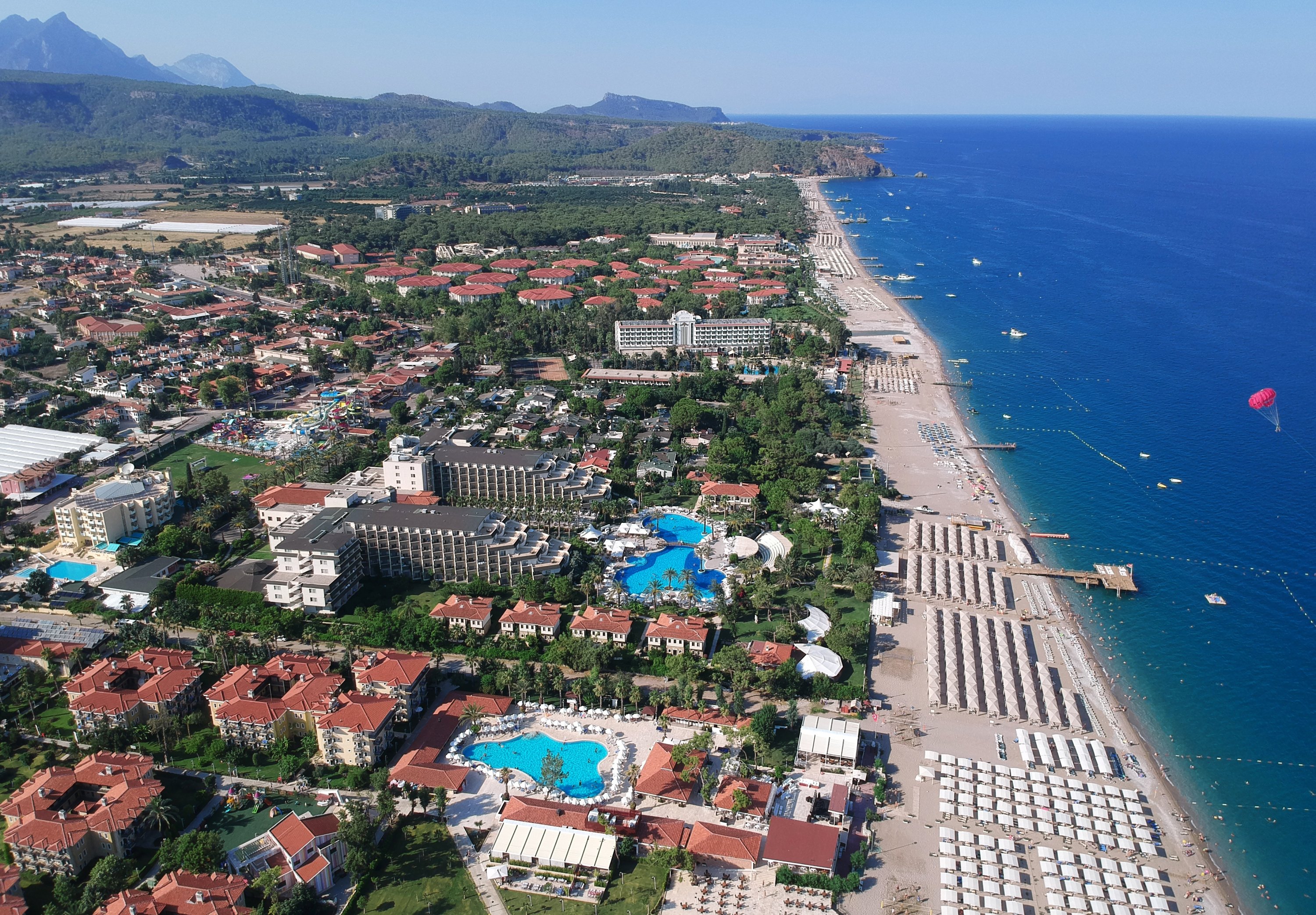
The comparison with mass tourism is inevitable. It is a model I know well, consisting of large permanent structures, land consumption, rapid investment and concentrated inflows. It is the model that has transformed large portions of the Mediterranean coastline: from the Adriatic Riviera to the French Riviera, from much of the Spanish coastline to the strip between Antalya and Alanya in Türkiye.
Yet an alternative exists. It is not theoretical. I have seen it emerge, grow and consolidate. It is located in Türkiye, in the province of Antalya, and is called Çıralı.
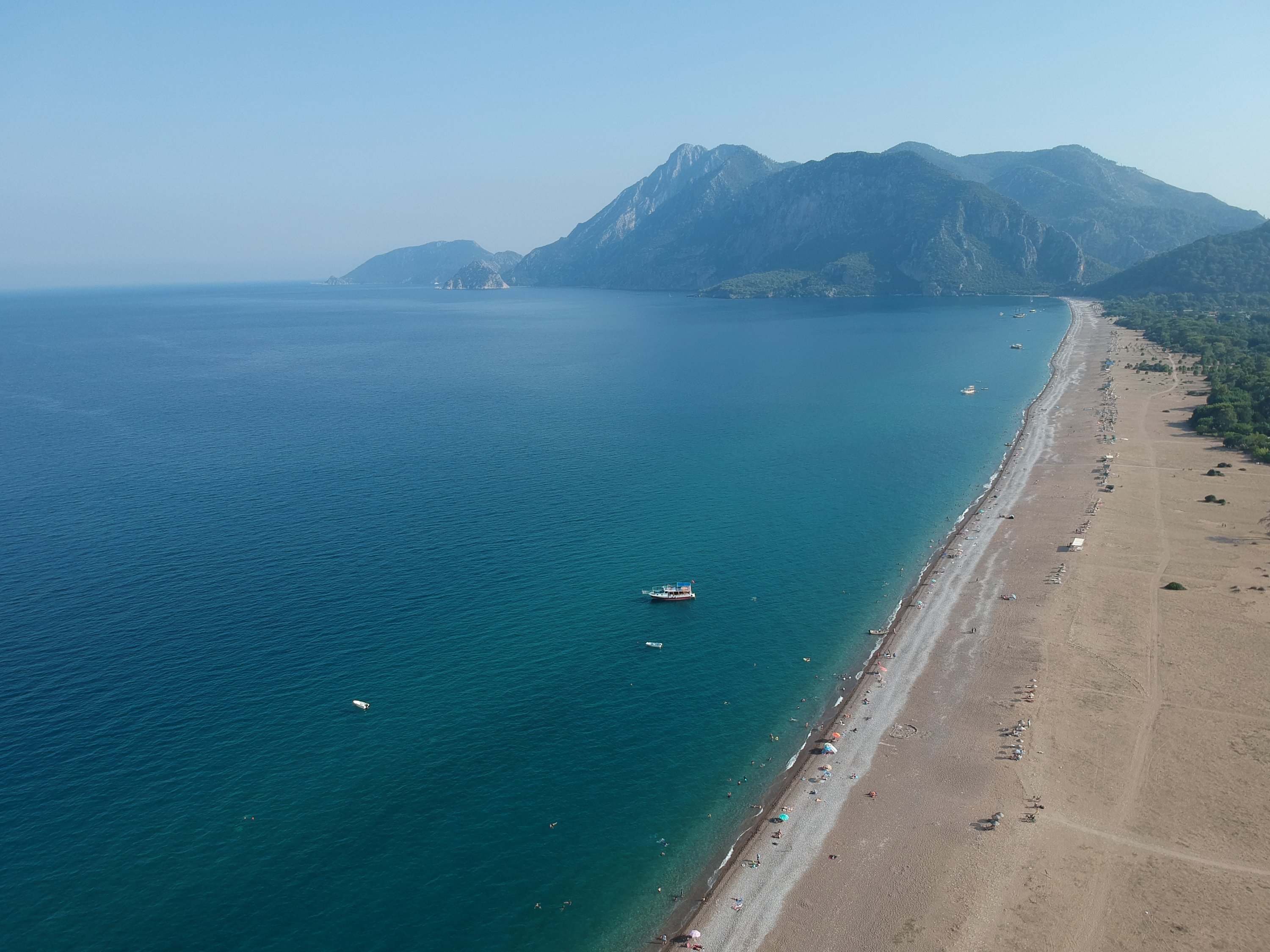
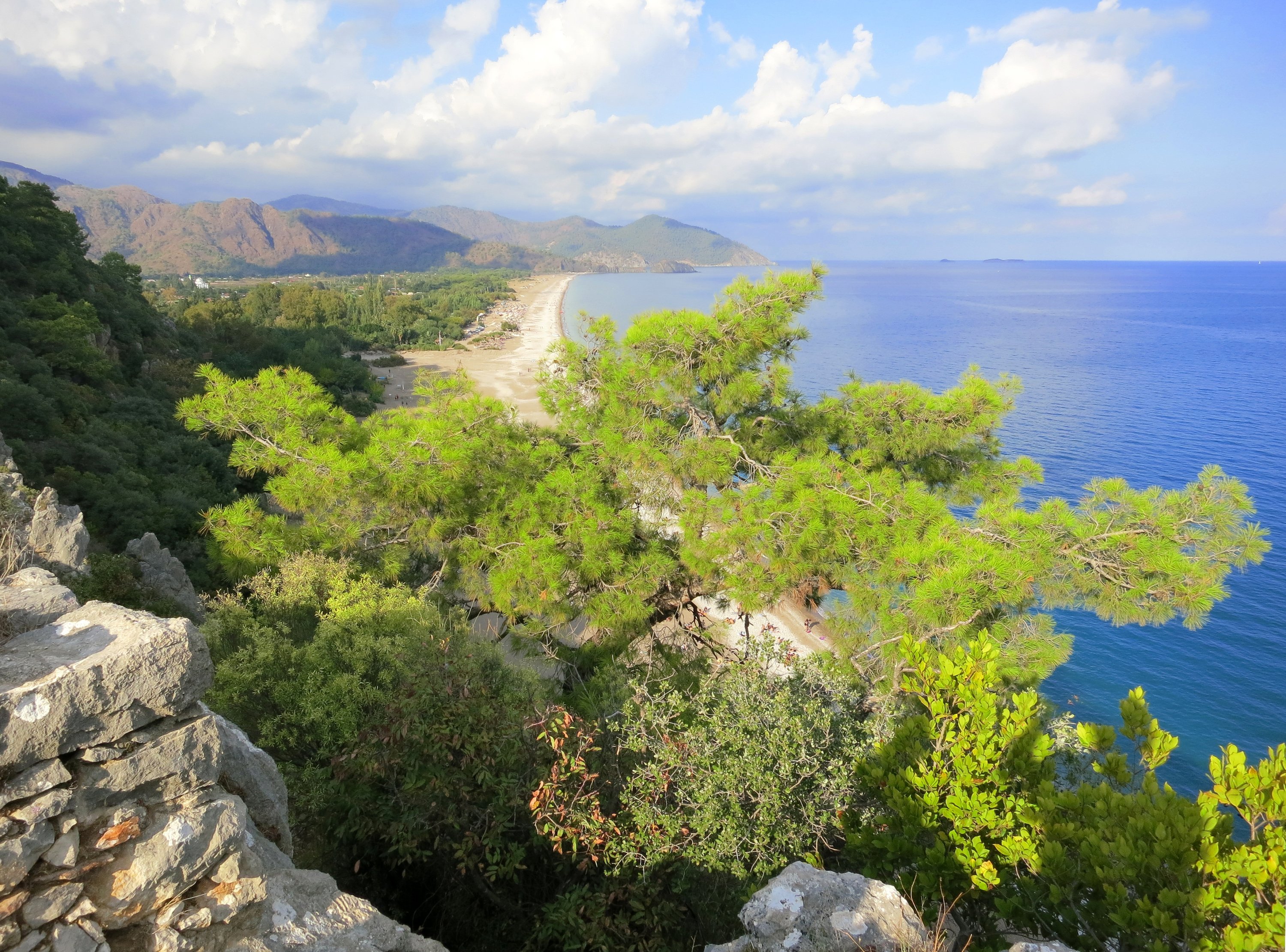
In the early 1990s, when I first arrived in Çıralı, I found myself in front of one of the last remaining almost untouched coastal areas in the region. Four kilometers of beach surrounded by mountains, forests, rivers and lagoons. A place of extraordinary biodiversity, where sea turtles nest and where it was not uncommon to encounter monk seals at the time.
The local community had about 500 inhabitants. People who lived off agriculture and who, at that time, were under tremendous pressure. Large real estate groups were trying to buy land to build luxury hotels, following the model of nearby tourist resorts.
In 1993, I was working for the World Wide Fund (WWF) Mediterranean Program in Rome. I still remember the day when, during a meeting, the secretary called me urgently: It was the World Bank. It had approved $100,000 in funding for the Çıralı project.
It wasn't a huge amount, but it was decisive. Those funds allowed us to go to the local community with a concrete proposal: not to sell the land and instead to focus on small, family-run accommodation facilities that were compatible with the environment and the landscape.
The journey was long and complex. It took 10 years to get a sustainable development plan approved by the Turkish government. In the meantime, other European funding and the daily work of our colleagues at WWF Türkiye were crucial.
It wasn't just about planning tourism, but about building trust. Some of my colleagues became part of everyday life in Çıralı, sharing problems, expectations and choices with the inhabitants. Without the local roots, the project would never have worked.
Today, returning to Çıralı, I see a reality that proves how right that gamble was. Over 10,000 beds are distributed in small guesthouses surrounded by orange and lemon gardens, completely invisible from the sea. No large hotels. No concrete sprawl on the coast.
The restaurants use local, often organic, products. The beach has remained intact and hosts an average of thirty sea turtle nests each year. An association of local volunteers is responsible for their protection, with a commitment that involves the entire community.
From an economic point of view, the results are clear. Families in Çıralı rent rooms at prices often double or triple those of luxury hotels in Antalya. Tourism is spread over a longer period of the year and many visitors return regularly.
I am telling this story not out of nostalgia, but because I believe it is more relevant today than ever. Sustainable tourism is not a magic formula. It requires time, clear rules, targeted investment, and strong participation from local communities. But it works. I have seen it myself.
In a Mediterranean increasingly marked by land consumption, Çıralı remains proof that another model is possible. Not only is it fairer, but it is also economically successful! Go and see for yourself, and you may change your mind about vacations in five-star coastal hotels.