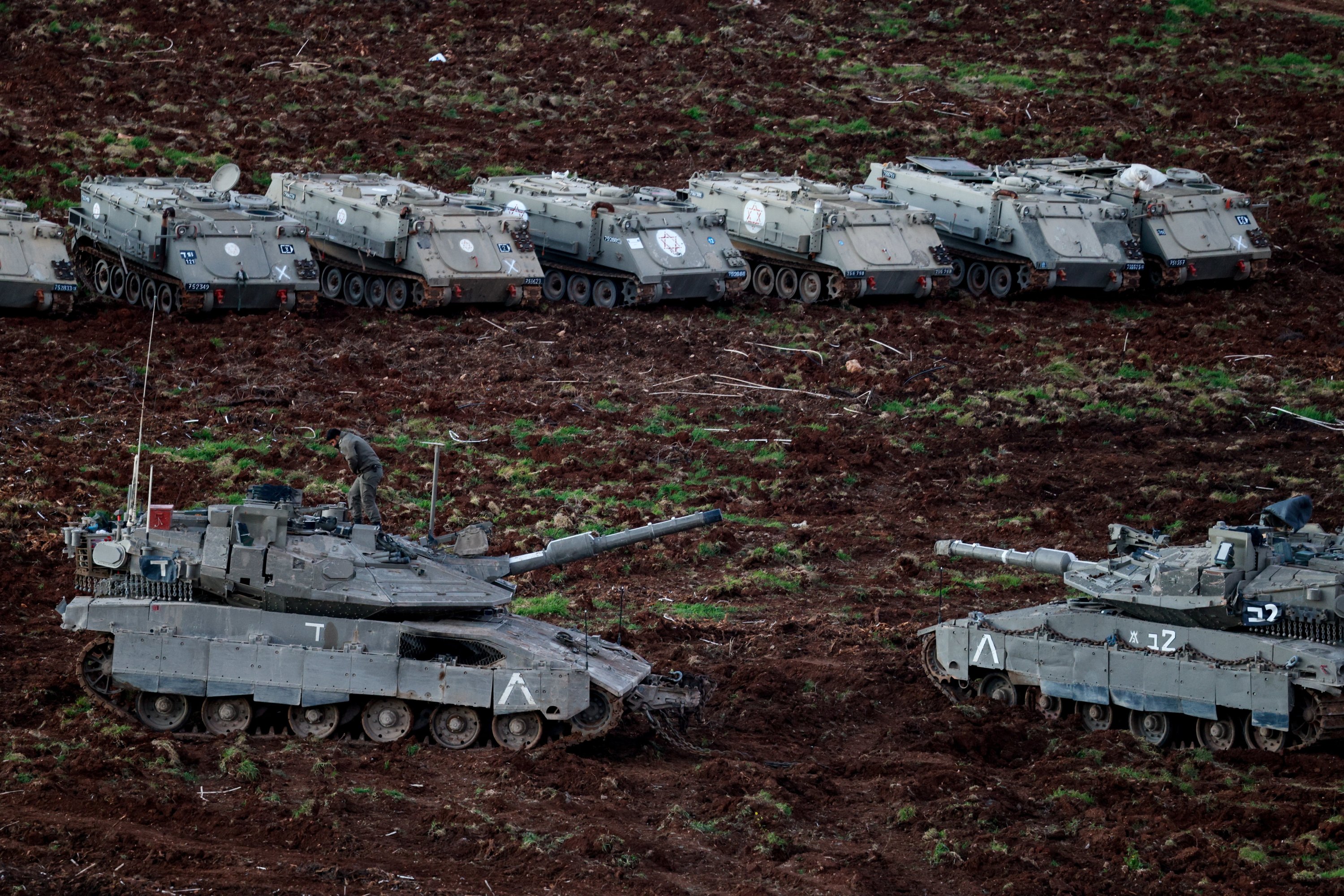
Lebanon is once again becoming one of the most dangerous arenas of the widening regional war. The war that began on Feb. 28, with the joint United States-Israeli strikes against Iran, has rapidly transformed the strategic environment across the Middle East. While the primary battlefield initially appeared to be between the U.S.-Israel and Iran, the conflict quickly expanded into a multi-front confrontation. Among the most sensitive arenas of this escalation is Lebanon, where the long-standing tension between Israel and Hezbollah has once again turned into an open military confrontation.
Yet, the current escalation in Lebanon cannot be understood merely as a sudden reaction to the war with Iran. Rather, it represents the culmination of a longer process that had been unfolding since the cease-fire agreement of Nov. 27, 2024. That cease-fire, which was supposed to stabilize the Lebanese-Israeli frontier, never truly created a durable balance. Israel continued to conduct airstrikes, targeted assassinations and military incursions across Lebanese territory, while maintaining its occupation of several strategic hilltops along the southern border.
In this context, Hezbollah adopted what its leadership repeatedly described as a policy of “strategic patience.” For approximately 15 months, the movement refrained from large-scale retaliation despite frequent Israeli violations. The logic behind this restraint was clear: Lebanon’s economic collapse, the political fragility of the state and the trauma of previous wars made another full-scale confrontation extremely costly. Hezbollah therefore, sought to rebuild its organizational structure after the leadership losses it suffered following Oct. 7, 2023, while also trying to buy time and avoid an escalation that could devastate the country once again.
However, the outbreak of the Iran war fundamentally altered this strategic calculation.
The war on Iran was accompanied by Israel’s simultaneous attacks in Lebanon. Israeli aircraft carried out multiple airstrikes across southern and eastern Lebanon hours before the attack on Iran itself, widely interpreted as a warning to Hezbollah not to enter the conflict.
However, the situation acquired a new psychological and ideological dimension on the second day of the war, when reports confirmed the assassination of Iran’s Supreme Leader Ayatollah Ali Khamenei. For Hezbollah, which recognizes Iran's supreme leader as the religious authority, the killing of Khamenei transformed the conflict from a distant geopolitical struggle into a matter of ideological and strategic solidarity.
Nevertheless, it did not immediately enter the war. The movement waited several days before escalating its involvement. This delay reflected a careful internal debate over whether direct participation would serve Lebanon’s interests or trigger an uncontrollable regional escalation.
Eventually, on the third day of the war, Hezbollah began a series of military operations against Israeli targets. The first confirmed operations included rocket attacks toward northern Israel and a coordinated drone and missile strike on the Mishmar HaCarmel missile defense base south of Haifa.
Hezbollah framed these operations not primarily as intervention on behalf of Iran, but as a legitimate response to Israel’s continuous attacks on Lebanese territory. The movement emphasized that Israel had been conducting airstrikes, assassinations and border violations for more than 15 months, effectively undermining the cease-fire framework.
This narrative allowed Hezbollah to present its entry into the war as a defensive response rather than a purely ideological alignment with Tehran.
If the military confrontation between Israel and Hezbollah represents one dimension of the current crisis, the internal political struggle within Lebanon represents another.
Since January 2025, Lebanese politics has undergone a significant transformation. The election of President Joseph Aoun and the formation of Prime Minister Nawaf Salam’s government marked the emergence of a leadership that enjoys strong support from Western capitals and Gulf states.
For Washington and its regional allies, this new political configuration was expected to open the door for a long-delayed objective: the disarmament of Hezbollah.
Indeed, one of the central political debates in Lebanon throughout 2025 and early 2026 revolved around whether Hezbollah’s weapons should be brought under state control. The government formally endorsed plans to restrict armed activity south of the Litani River and to collect weapons held by non-state actors.
However, implementing such plans has proven far more complicated than announcing them. The Lebanese Armed Forces remain structurally weak and deeply cautious about entering into a direct confrontation with Hezbollah. Military leaders are well aware that forcing disarmament through coercion could fracture the army itself and potentially trigger a new civil conflict.
Despite these constraints, the outbreak of the Iran war intensified pressure on the Lebanese government to act. Shortly after Hezbollah began launching missiles into northern Israel, Prime Minister Salam declared that the government had banned Hezbollah’s military and security activities, insisting that decisions of war and peace belong solely to the state.
The government also instructed the army to prevent any military activity originating from Lebanese territory and to implement earlier plans to collect weapons north of the Litani River.
These steps reflected not only internal political considerations but also external pressure. The U.S. and several European governments have repeatedly emphasized that Hezbollah’s military role undermines Lebanese sovereignty and regional stability.
Yet, this argument faces a significant contradiction. While the Lebanese government calls for a monopoly over the use of force, it has been unable to stop Israeli attacks on Lebanese territory or compel Israel to withdraw from occupied positions along the border.
For many observers within Lebanon, this discrepancy raises a fundamental question: can a state demand the disarmament of a force that emerged precisely because the state itself failed to defend its territory?
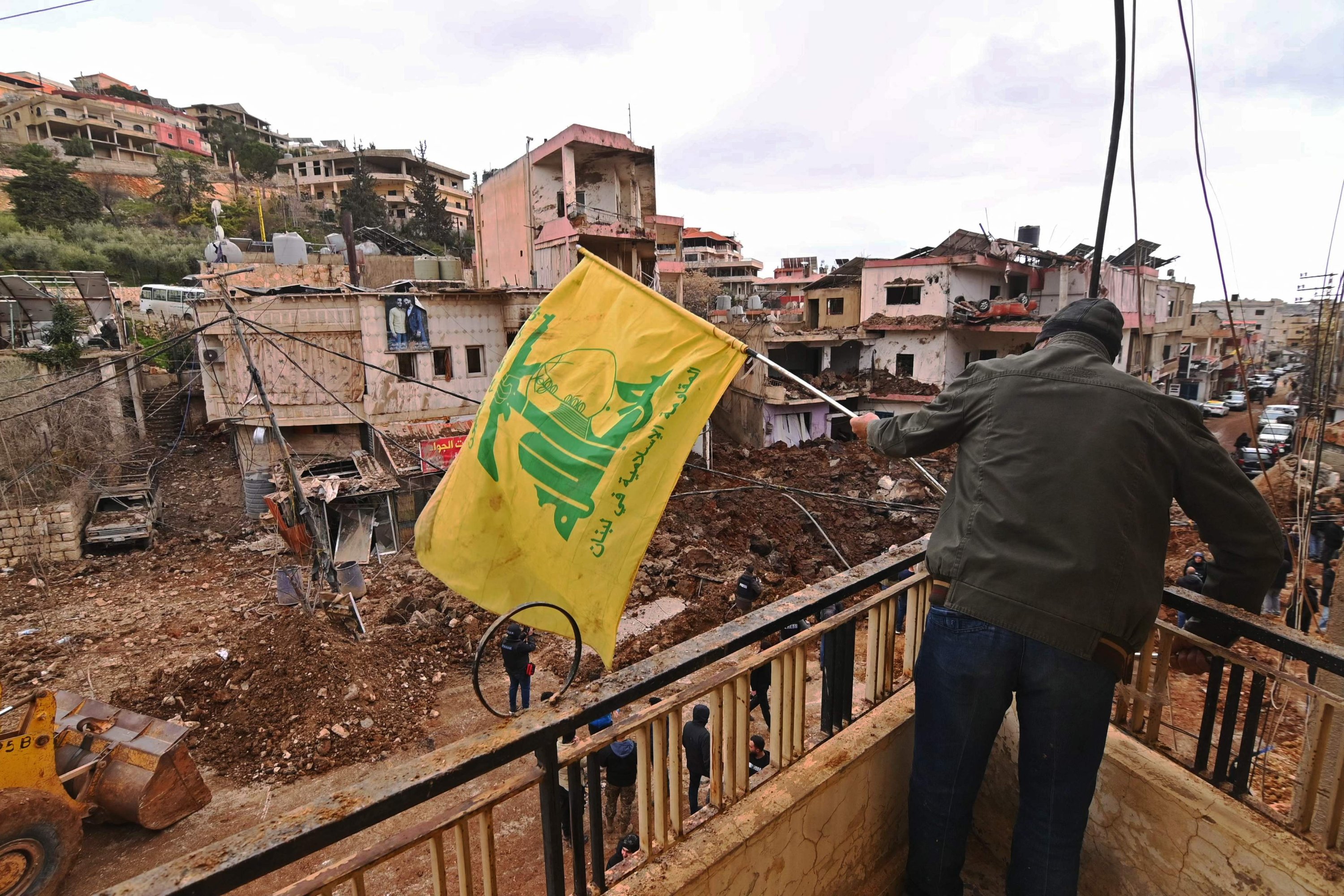
From Israel’s perspective, the Iran war has been used as an opportunity to reshape the balance of power in Lebanon. Israeli leaders have long argued that Hezbollah represents the most serious military threat to Israel’s northern front. In this context, the current conflict reflects Israel’s broader effort to weaken Hezbollah’s military infrastructure, expand its control along the Lebanese border and impose a new security arrangement in southern Lebanon.
Israeli Defense Minister Israel Katz openly instructed the military to seize additional strategic positions inside Lebanese territory, while Israeli occupation forces expanded their presence in several border areas.
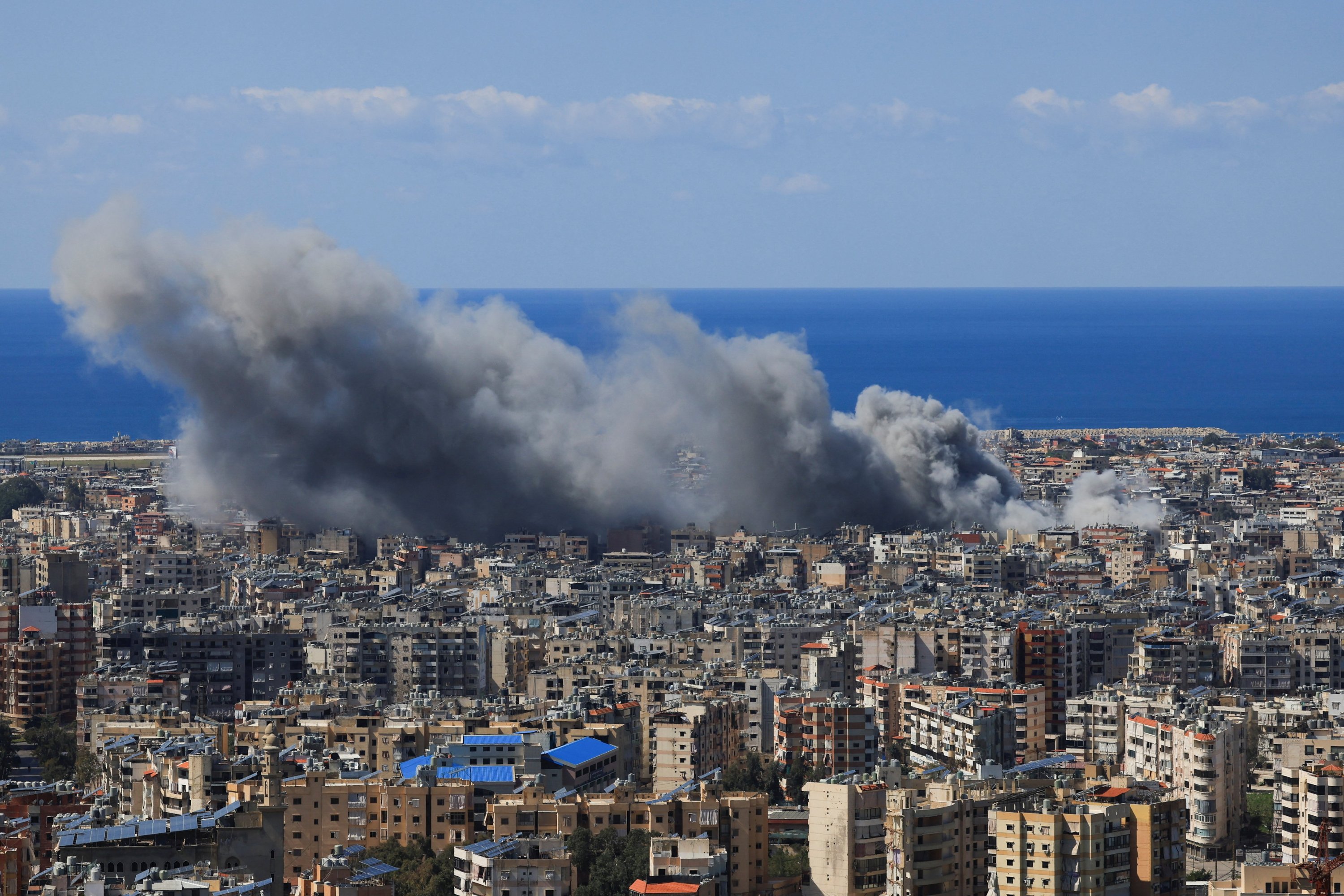
At the same time, Israel launched large-scale airstrikes across Lebanon, including Beirut’s southern suburbs, the Bekaa Valley and southern towns. Civilian casualties have risen rapidly. By March 8, nearly 400 people had been killed and more than 1,100 wounded in Israeli strikes across the country.
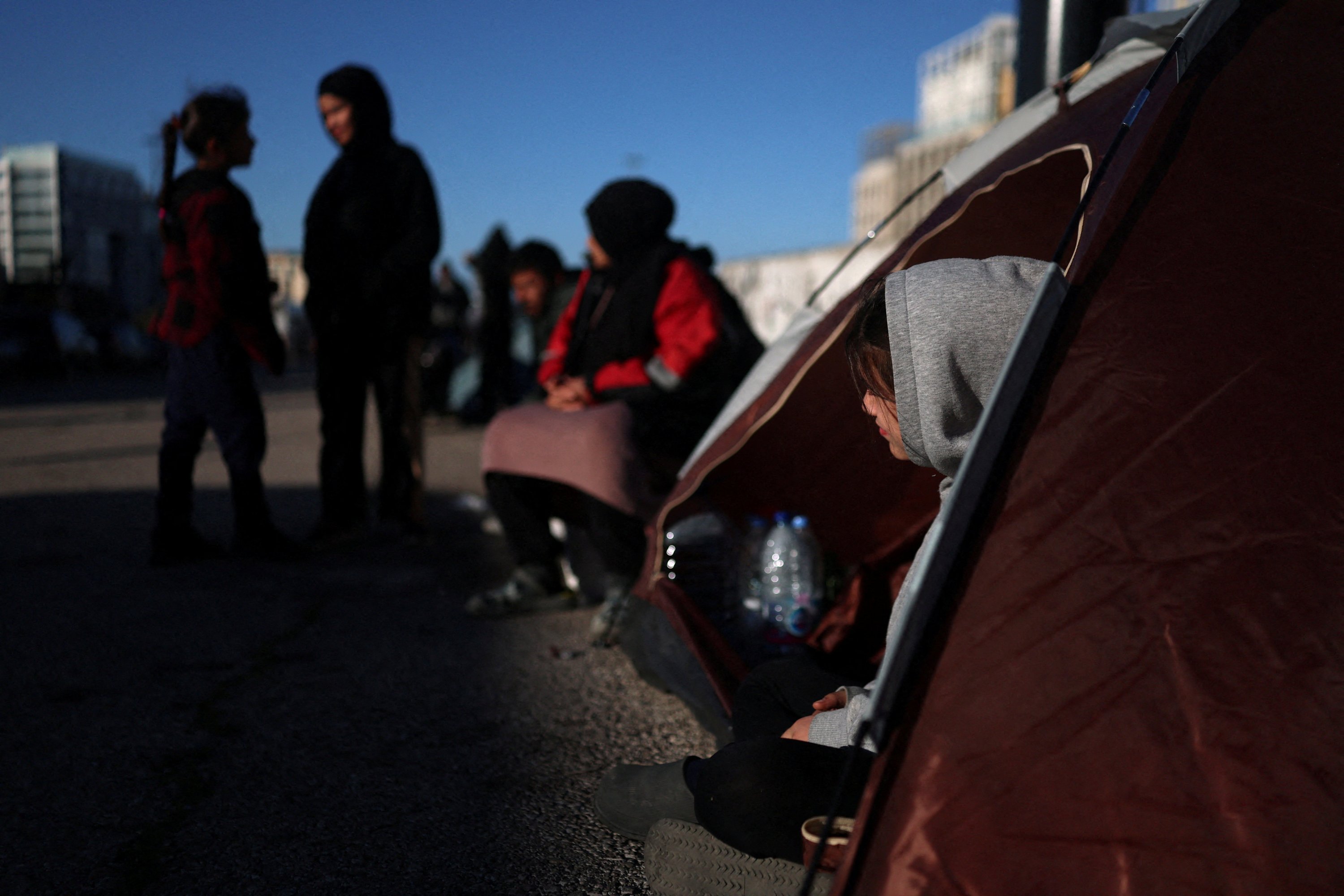
Mass displacement has also followed. Hundreds of thousands of residents have fled their homes after Israel issued evacuation warnings not only for dozens of towns in southern Lebanon but also for parts of Beirut’s southern suburb of Dahieh, one of the most densely populated areas in the country.
These developments suggest that Israel is not merely conducting retaliatory strikes. Rather, the actions of Israeli occupation forces indicate that the campaign may also be testing the possibility of establishing a deeper buffer zone inside Lebanese territory.
Historically, Israel has often justified such measures as necessary to protect northern Israeli settlements. However, the expansion of military operations and the seizure of new positions suggest that the current campaign may ultimately be aimed at reshaping the security architecture of southern Lebanon in a way that could consolidate Israel’s military presence and occupation along the border.
Despite widespread expectations that Hezbollah had been weakened by increasing pressure from the Lebanese government, restrictions on financial and military assistance from Iran and leadership losses, the movement’s battlefield performance during the first week of the war up to March 9 has surprised many analysts.
Israeli occupation forces launched intensive airstrikes across Lebanon, targeting infrastructure, residential buildings and sites Israel claims are military targets. Yet Hezbollah has responded with a series of coordinated operations demonstrating significant operational capacity.
In the first few days of the confrontation, the group carried out dozens of attacks on Israeli military targets, including air defense installations, radar systems and military bases. Hezbollah forces also engaged Israeli occupation troops attempting to advance into southern Lebanon, using anti-tank missiles, improvised explosive devices and coordinated ambushes that resulted in Israeli soldiers being killed and wounded. While Israeli authorities have acknowledged casualties, many observers believe the real number of dead and wounded may be significantly higher than the figures officially released.
One of the most notable incidents occurred near the town of Nabi Sheet, where Hezbollah fighters reportedly ambushed Israeli special forces that had been inserted by helicopter. The clash resulted in heavy Israeli casualties, with several soldiers reported killed and wounded, and forced the evacuation of the unit under intense fire.
In addition to these tactical engagements, Hezbollah expanded the geographic scope of its attacks. Missile and drone strikes targeted strategic installations deep inside Israel, including military-industrial facilities and command centers near Haifa and Tel Aviv.
On March 7 alone, Hezbollah announced that it had conducted 33 separate military operations, each targeting critical Israeli military positions and installations.
This pattern suggests that Hezbollah is pursuing a war of attrition designed to offset Israel’s technological superiority. By forcing Israel to defend a wide range of targets across its territory, Hezbollah aims to increase the political and economic cost of continued escalation.
While the military confrontation between Israel and Hezbollah intensifies, Lebanon faces another danger: internal political fragmentation.
The government’s attempt to restrict Hezbollah’s military activities has already generated sharp political divisions. Cabinet meetings have reportedly witnessed heated arguments between ministers supporting the resistance and those advocating strict state control over armed activity.
More controversially, leaked reports suggested that the Lebanese army might withdraw from certain southern areas rather than confront Israeli forces directly. Such scenarios raise fears that the state could attempt to shift responsibility for the war entirely onto Hezbollah.
For Hezbollah, this internal pressure represents a second front. The movement must simultaneously fight Israel on the battlefield while defending its legitimacy within Lebanon’s political system.
Yet Hezbollah’s leadership appears to believe that the current war could ultimately reinforce its domestic standing. If the movement succeeds in preventing Israeli advances or inflicting high military costs, it may strengthen the argument that the resistance remains Lebanon’s most effective deterrent force.
The future trajectory of the conflict remains uncertain, but several possible scenarios are already visible.
First, Hezbollah could gradually expand its military operations to impose a new deterrence balance similar to the one that emerged after the 2006 war. The movement’s unexpected battlefield performance during the first week of the conflict has already strengthened the possibility that Hezbollah could disrupt Israeli military plans and undermine broader U.S. and Israeli expectations about reshaping Lebanon’s security landscape.
Second, Israel may attempt to consolidate a limited territorial presence in southern Lebanon, creating a new buffer zone intended to restrict Hezbollah’s operational freedom.
Third, international actors, particularly France and the U.S., may push for a new political arrangement linking a cease-fire to Hezbollah’s disarmament.
Each of these scenarios carries significant risks. A prolonged war could devastate Lebanon’s already fragile economy. A forced disarmament attempt could trigger internal conflict. And a deeper Israeli incursion could further weaken Lebanon’s sovereignty, making the country more vulnerable to external intervention and dependent on outside powers.
For now, Lebanon once again finds itself trapped between competing strategic agendas.
Israel seeks to reshape the northern front. Western governments hope to weaken Hezbollah’s military role. And Hezbollah itself seeks to preserve what it considers Lebanon’s primary deterrent capability.
The outcome of this struggle will not only determine the future of Lebanon’s security landscape but could also redefine the balance of power across the wider Middle East.