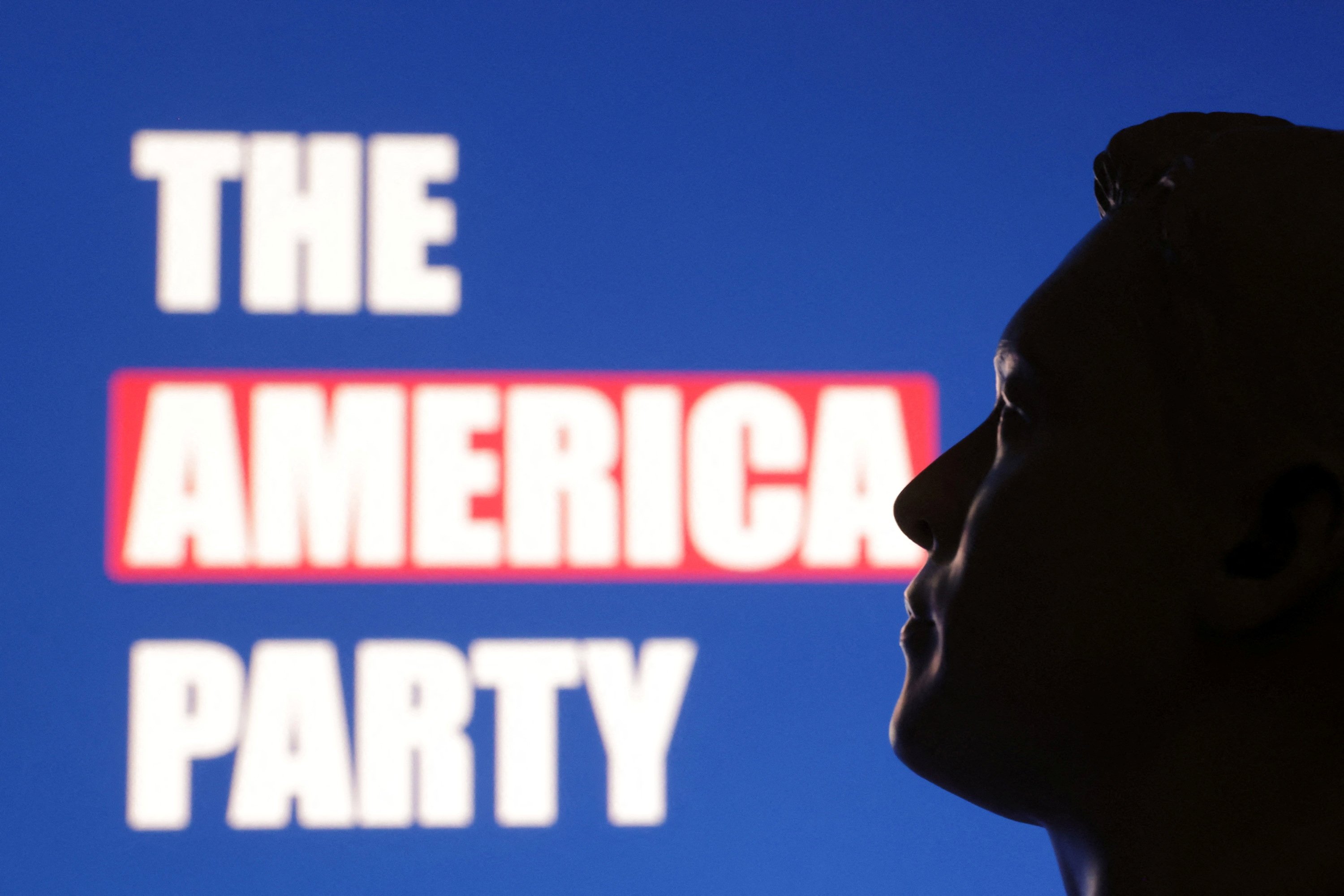
Although a significant portion of the U.S. population has long criticized the lack of alternatives to the two-party system, they have not made serious efforts to challenge the status quo or take action. This is largely because it is difficult for new alternatives to gain strong public support in the United States. However, this situation may change soon. On July 6, 2025, billionaire and entrepreneur Elon Musk drew attention by announcing the formation of a political organization called the “America Party." Musk, who has long wielded influence over public opinion through the X platform, made a move to take an active role in the political arena. His move could deeply impact not only the political and economic tensions in Washington but also the international network of technology, diplomacy and economic relations.
At the moment, what we know about the strategy of the America Party is limited. Nevertheless, Musk's statement that his initial goal is not to seek power in the short term, but rather to become a key player in the lawmaking process by creating a significant minority presence in Congress, demonstrates a rational and pragmatic approach. It is believed that by winning two to three Senate seats and eight to 10 seats in the House of Representatives, Musk could position the America Party as a significant force in congressional negotiations by involving it in the legislative process. However, given the nature of political governance in the U.S., along with legal differences between states, the electoral system, and campaign finance regulations, even this goal appears very difficult to achieve in the short term.
Musk’s bold and globally resonant political move has understandably unsettled many within the Republican establishment, chief among them, Trump. Trump sharply criticized the initiative, likening it to a “train wreck gone off the rails,” and warned that the America Party would only serve to split the Republican vote, ultimately benefiting the Democrats. Such a strong and decisive reaction signals more than political disapproval; it marks the definitive end of the Musk-Trump alliance and the beginning of a high-stakes conflict of interests between two powerful figures who once shared a mutual goal.
On the other hand, the growing conflict between Musk and Trump and the announcement of a brand-new political formation have begun to raise concerns among national and international investors alike. The financial markets interpreted Musk’s political ambitions as a potential risk: notably, Tesla shares dropped by nearly 7% the day after the America Party was launched. Prominent voices from the U.S. economic establishment, including Treasury Secretary Scott Bessent, along with several influential business lobbies, have voiced concerns that Musk’s direct involvement in politics may undermine the stability and performance of his flagship ventures, such as Tesla and SpaceX.
The primary worry is that managing both a political party and multiple technology companies could create a dangerous level of distraction, diverting strategic focus from corporate governance. As a result, analysts are beginning to argue that the America Party might not only disrupt the U.S. political landscape, but also trigger significant instability within the corporate and financial order, a risk factor that could have global repercussions.
While there have been rare historical examples such as the Libertarian, Green and Progressive parties, these initiatives have always faced obstacles on fundamental issues such as the restrictive electoral rules of the American system, digital media visibility, building public opinion power, and access to financing. However, Musk, as one of the world's wealthiest businesspeople, does not seem to face strong constraints in these areas thanks to his financial support and social media power. This is because he has global recognition, technological platforms, and extensive communication power across a wide range of areas – from AI-based defense policy to social reform. As a result, these assets in Musk's hands could give the America Party a different kind of momentum than previous third parties, potentially resonating with a nontraditional voter base.
Ultimately, Musk’s launch of the America Party may mark the beginning of a long-awaited shift away from the U.S.'s entrenched bipartisan system. Whether driven by strategic vision or personal ambition, the initiative highlights a broader global trend: the rising influence of tech moguls in political life and the uncertain future of traditional democratic models. The important question is whether this is a techno-political initiative fueled solely by Musk's personal ambition and anger motivation. Nevertheless, whether or not the America Party succeeds in its strategic goal, this initiative certainly reveals a growing global trend in the international arena. Moreover, given the growing political influence of big tech moguls and techno-populist ideologies on a global scale today, it opens up the possibility of a transformation in the U.S.'s political architecture.