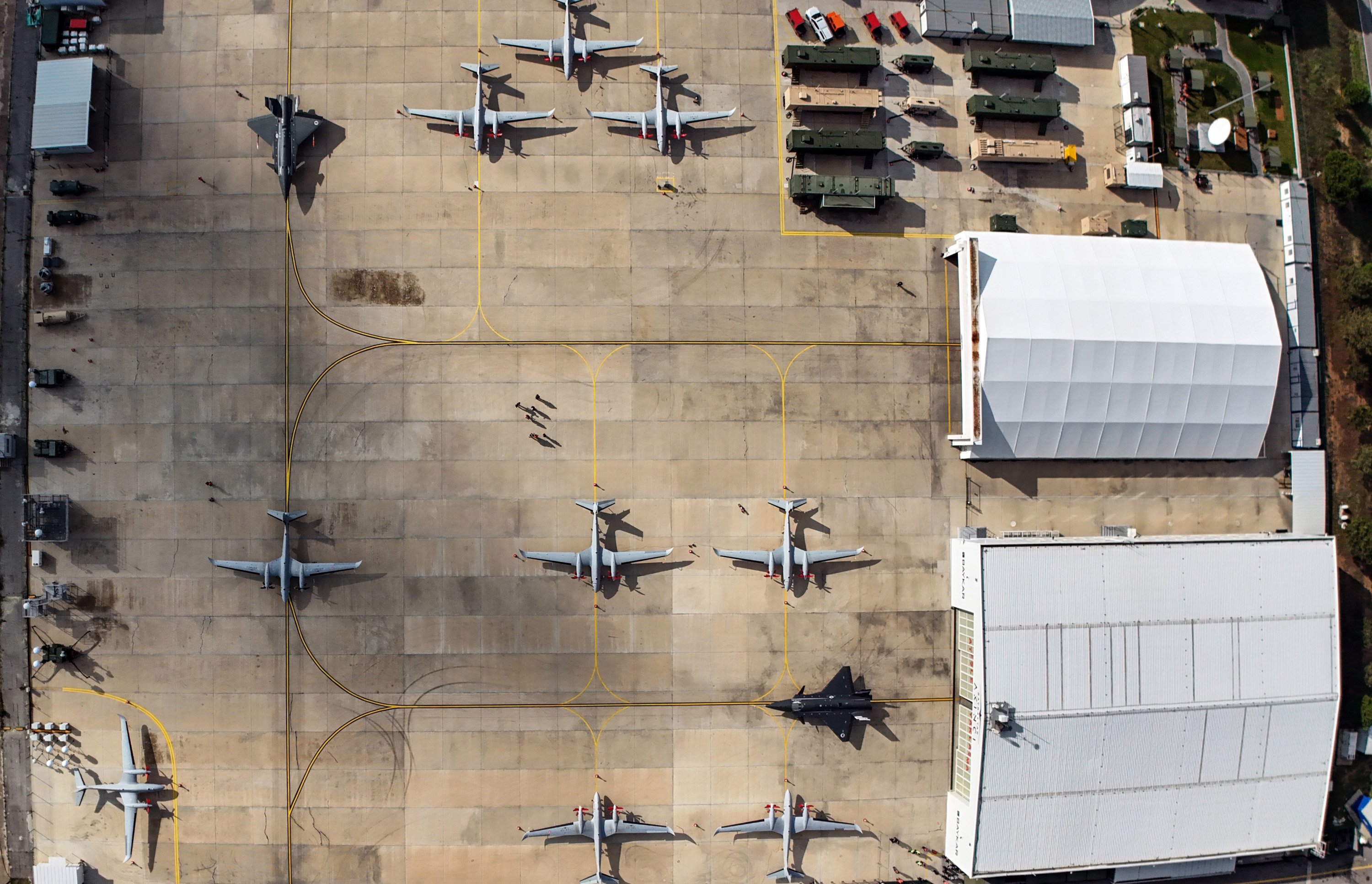
The transformations occurring on the battlefield emphasize the growing importance of an air force equipped with national systems as independent as possible from external sources. This is precisely the deficiency experienced by Ukraine and Iran on the battlefield: the lack of air power. It is evident how crucial it is for air forces to operate jointly and effectively with all their components, free from external interference.
The Turkish Air Forces Command, which is expanding its areas of interest and influence while drawing from its experiences on changing battlefields, is also shaping its future with a focus on independence. The motto: National, effective and ready. To this end, numerous projects aimed at strengthening the role of domestic and national systems within the armed forces are being carried out by the Turkish defense industry.
The year 2026 marks the beginning of a critical period for Turkish aviation, as the results of investments made for various needs are starting to be realized. While the development process continues for some major projects, this will be the year when serial production and deliveries begin. Moreover, several innovations will emerge that will be remembered in the history of global military aviation, not just Turkish aviation. In this context, Türkiye's unmanned systems undoubtedly stand out.
As the Turkish defense and aviation industry enters new phases in various projects in 2026, deliveries will strengthen the air force. Led by Baykar and Turkish Aerospace Industries (TAI), Türkiye is preparing to establish its next-generation air power. The new structure aims for the seamless integration of both manned and unmanned systems. While countries like the U.S. and China operate both types of systems together, no other nation besides Türkiye has developed a solution like Kızılelma. Türkiye aims to lead and pioneer global aviation as a key player operating fleets of unmanned combat aircraft with innovative usage and operational concepts.
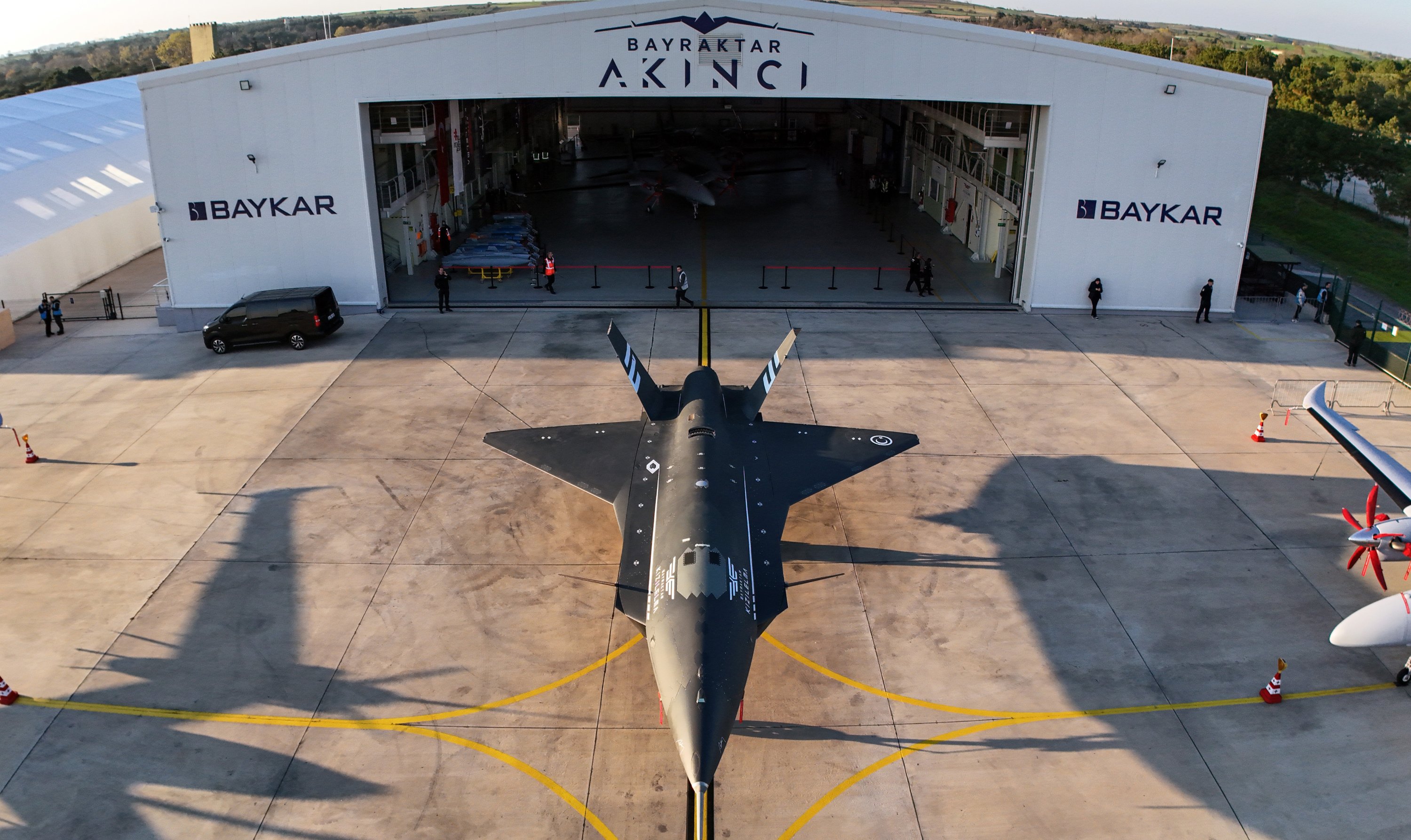
Baykar's unmanned fighter jet, the Bayraktar Kızılelma, which is being developed at a rapid pace, is planned to enter the air force's inventory in 2026. Equipped with an advanced active electronically scanned array (AESA) radar, beyond-visual-range air-to-air missile capability, and advanced electro-optical systems (EOTS and IRIST), Kızılelma is the only solution in the world that can be classified as an unmanned fighter jet.
The first aircraft (tail number S1) to roll off the serial production line at Baykar's facilities is currently undergoing flight tests and is expected to enter service in the near future. 2026 will be the year when the unmanned fighter jet concept becomes operational within the air force. At this point, the Kızılelma unmanned fighter jet will be capable of performing the roles of a true fighter aircraft, while also operating alongside manned platforms in a manned-unmanned team (MUM-T).
In addition to providing new capabilities for the air force, it will play a significant role in establishing an exemplary doctrine for global aviation. With its sharp maneuverability, internal weapon stations and stealth characteristics, it will serve as a powerful force multiplier. The various systems it carries, ranging from domestic radar to munitions, will also accelerate the development of Türkiye's next-generation aviation projects. Moreover, it will contribute to the maturation of the subsystems within the common family of systems.
In the Anka-III jet-powered unmanned combat aircraft project, led by TAI, the design of "Product-1" has matured, and the serial production process has begun. Following a supply request from the air force, the first deliveries are planned to take place in 2026. Additionally, a more advanced version of the Anka-III, featuring enhanced stealth capabilities, is set to make its first flight in 2026.
The air force's need for stealth bomber jets with internal weapon stations, capable of conducting long-duration missions at high altitudes, will be met by the Anka-III. A significant number of Anka-III aircraft are expected to be procured for specially established fleets. This will enable safer mission flights across various roles, including deep strike missions and those requiring high payload capacity. The integration of manned and unmanned aircraft in different roles, particularly in joint ground attacks, will continue to mature. In short, as with the Kızılelma, the Anka-III will help establish pioneering doctrines in global military aviation.
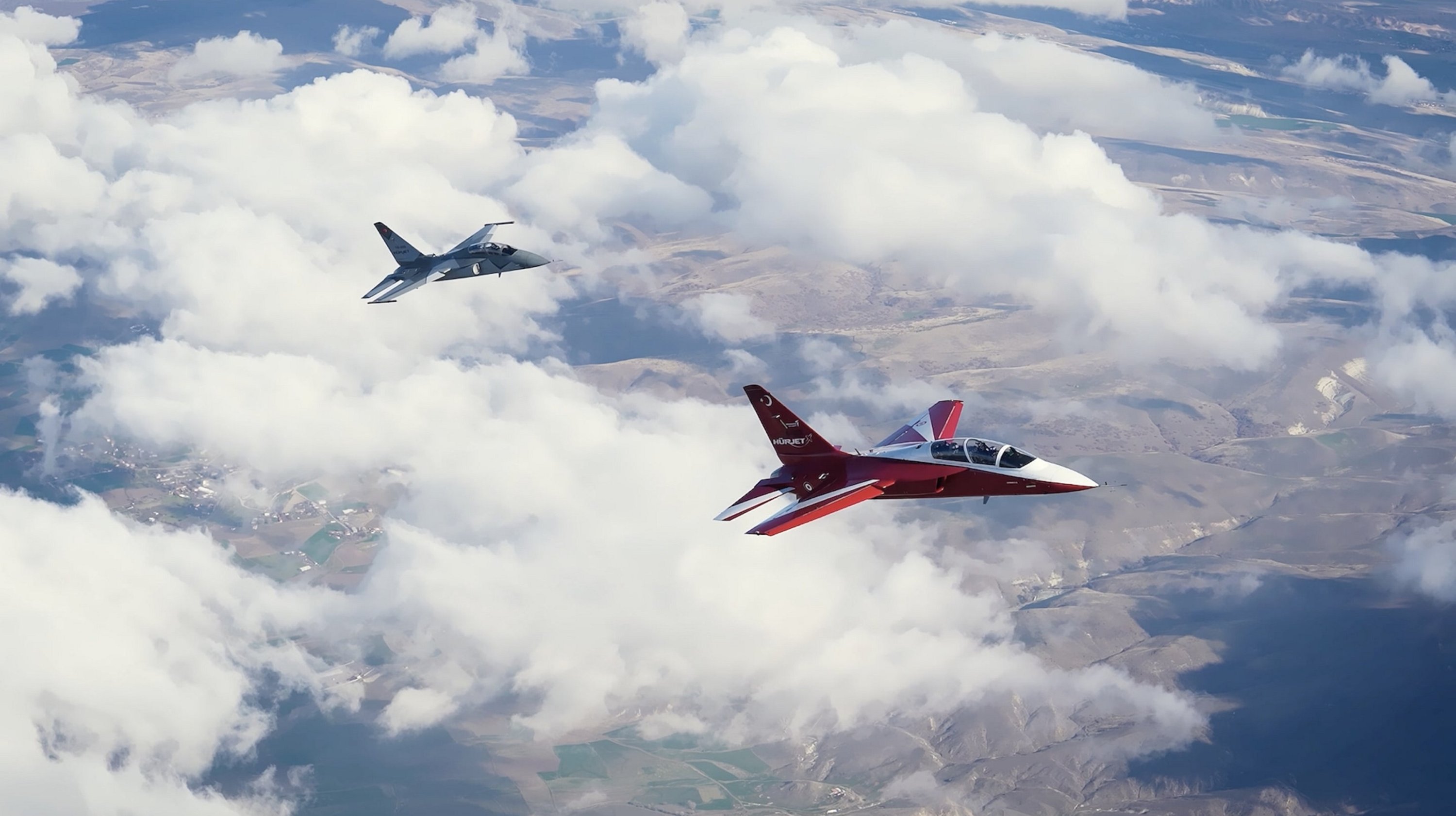
TAI ensures that the needs of the air force's inventory are met domestically with the manned combat aircraft it has developed. Its next-generation advanced trainer aircraft, the Hürkuş, is now ready to enter the inventory. After the first phase of the Hürkuş project, it became clear that a more advanced version, the Hürkuş-2, could be developed. The air force opted to acquire the more advanced Hürkuş-2 aircraft. The aircraft produced in the first phase were exported to various users with different capabilities. In 2026, more than 20 Hürkuş-2 aircraft are set to be delivered to the air force.
TAI gained significant advantages with the Hürjet, demonstrating more effective management based on lessons learned from the Hürkuş project. At this stage, Hürjet, Türkiye's first manned jet-powered fighter aircraft, is preparing to enter service. Having also achieved export success to Spain, Hürjet will have the air force as its first user. As TAI enters the serial production phase, the final prototypes of the aircraft to be delivered to the air force will make their first flights in 2026. Deliveries are scheduled for 2027, following the completion of tests.
In the future, the Turkish Air Forces Command will use a domestic solution for jet training and advanced training aircraft, replacing the T-38s. Türkiye's dependence on foreign countries in this area will come to an end. With the delivery of Hürjet aircraft, the air force will significantly nationalize the platforms in its combat pilot training cycle: Basic and Advanced Training: Hürkuş-2 (Domestic), Advanced Jet Training: Hürjet (Domestic), Combat Readiness and Combat: Özgür F-16 (National Modernization).
In 2027, in line with the contract and schedule, the first deliveries of the pioneer series production aircraft to the air force are expected. Subsequently, work will accelerate on deploying different versions of the Hürjet to the National Aircraft Carrier (MUGEM), whose construction has already begun. The Hürjet is intended to meet domestic needs and become an important export item abroad.
In 2026, production of the renewed (optimized design) prototypes of the Kaan fighter jet, one of the most critical elements for the air force’s future, will be completed. That same year, flight and other test activities will be conducted with the new prototypes, and the Kaan new-generation fighter jet project will be accelerated. Test activities ahead of the first air force delivery, targeted for 2029, will intensify starting in 2026.
Overall, starting in 2026, we will begin to see various products of the Turkish defense and aviation sector more frequently in the air force's inventory. The foundations of this process will be laid with the advanced Typhoon fighter jets planned for procurement from abroad, alongside national platforms that will enter service. By the 2030s, projects such as Kaan, Hürjet and Özgür will be in large quantities within the inventory, and the operation of various unmanned jet-powered aircraft will represent the new generation of power projection. The near future is planned to be one of the most critical turning points in the Turkish defense industry, with transitions from the development phase to serial production and inventory acquisition processes underway. In particular, the delivery of main platforms such as Kızılelma, Anka-III, Hürkuş-2 and Hürjet to the air force will mark the beginning of a new era.
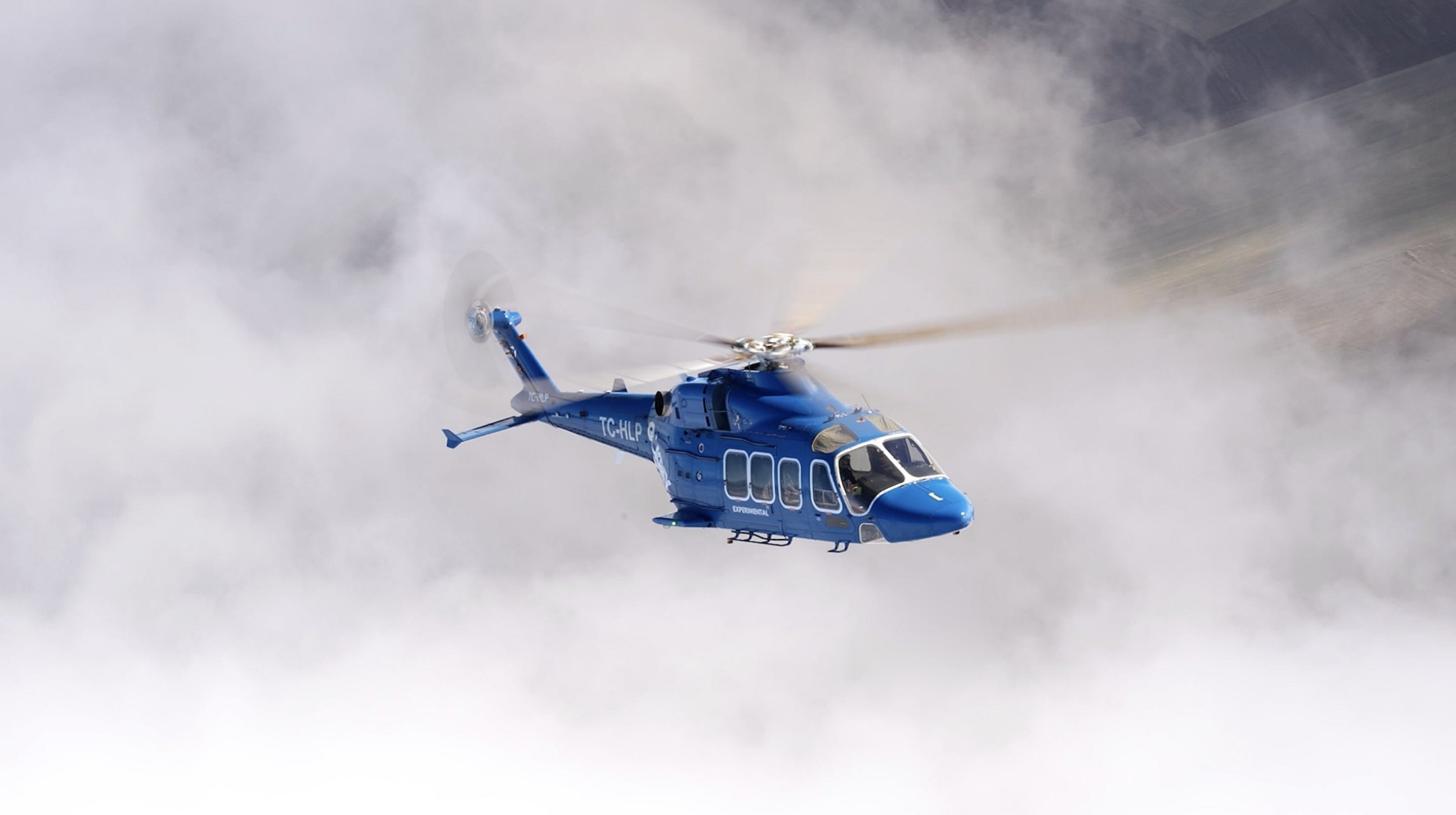
In 2026, the air force will also add domestically produced Gökbey helicopters, UAVs, advanced weapons (such as the Göktuğ air-to-air missiles: Gökdoğan and Bozdoğan), radar systems (like Murad), and avionics to its inventory. Additionally, it will acquire the Hisar and Siper air defense missile systems, part of the Steel Dome system, with high/medium altitude and long-range interception capabilities. The air force is no longer merely a force that purchases weapons and systems; it is transforming into a force that can procure weapons domestically and in line with its own doctrine, deploying them in the field.