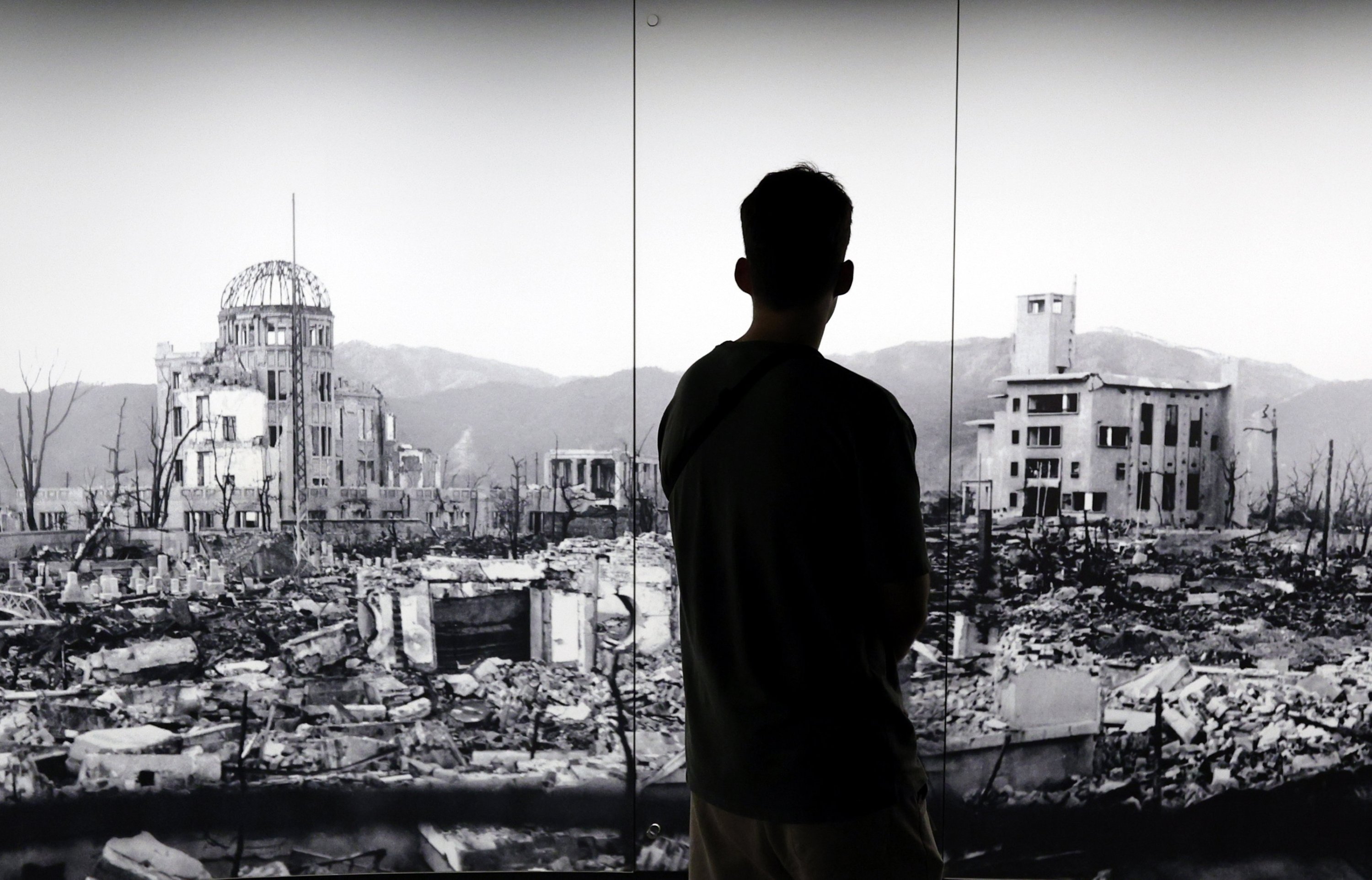
Today, Aug. 9, marks the 80th anniversary of the U.S. dropping a nuclear bomb on Nagasaki, just three days after it dropped another on Hiroshima. The two bombings killed over 200,000 people instantly, with countless others suffering and dying later from radiation exposure. Unfortunately, the world does not seem to be moving in a better direction.
In Türkiye, a recent survey by Research Istanbul shows that a majority now supports developing nuclear weapons. Although Ankara has been a party to the Non-Proliferation Treaty (NPT), which aims to prevent the spread of nuclear weapons, 71% of respondents favor pursuing nuclear arms, while only 18% oppose it. The latest Israeli and U.S. attacks on Iran seem to have spooked the Turkish public.
A similar sentiment also exists in South Korea. A 2024 Gallup Korea survey found that 72% of South Koreans support developing nuclear weapons. Seoul’s northern neighbor’s missile tests, which are almost regular, have been the main concern for decades. South Korea relies on the U.S. nuclear umbrella; however, Trump’s unpredictable policies cause fear among them.
Another recent poll by Forsa shows that 64% of Germans back the concept of a European nuclear umbrella that doesn’t rely on Washington. Polling was conducted in mid-June, before the U.S. and Israel’s strikes on Iran’s nuclear facilities, so that the current numbers might be even higher now after the escalation.
No need to mention that Iran has been trying to have the nuclear know-how for a while, at least for peaceful purposes, Tehran claims. Additionally, in 2023, Saudi Arabia’s crown prince confirmed that the kingdom would pursue nuclear weapons if Iran acquired them.
So why do more and more nations want to have their own nuclear weapons? The answer might lie in a doctrine called mutually assured destruction (MAD).
Germany discovered fission in December 1938. Upon learning that, in 1942, the U.S. started the Manhattan Project, a top-secret World War II government program in which Washington rushed to develop and deploy the world’s first atomic weapons before Nazi Germany.
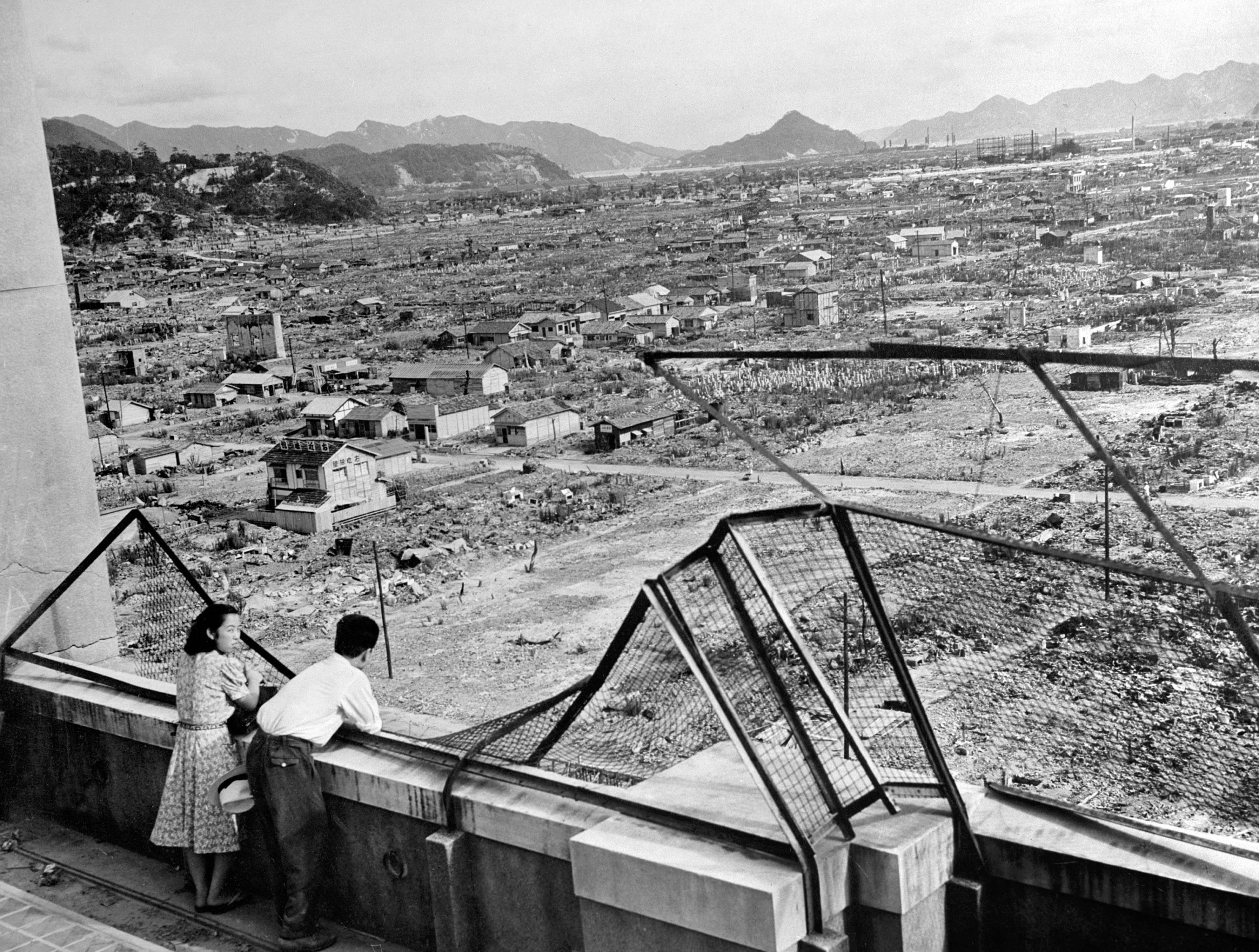
In August 1945, the U.S. dropped the first atomic bomb on Hiroshima and then Nagasaki. These devastating attacks ended World War II, but the cost to humanity was immense.
The use of the atomic bomb sparked a global arms race, as nations rushed to develop their own nuclear weapons. The Soviet Union, unwilling to risk being defenseless in a potential conflict with the U.S., began working on hydrogen bombs, which were even deadlier than atomic bombs. The U.S. responded by devoting significant resources to creating its own hydrogen bomb, and soon other countries followed suit.
Amid this nuclear buildup, one crucial truth was overlooked: humanity shares the same fate. A nuclear strike by one country would inevitably provoke retaliation, leading to widespread destruction and potentially the end of human civilization. This grim reality gave rise to the doctrine of MAD, the idea that nuclear deterrence works because both sides would face annihilation in a nuclear war.
Currently, nine nations are known or widely believed to possess nuclear weapons. The first to develop and officially acknowledge nuclear arsenals were the five original nuclear powers: the United States, Russia, China, France and the United Kingdom. Notably, India, Israel, Pakistan and North Korea have not signed the Non-Proliferation Treaty (NPT).
This raises a troubling question: who decides which countries are allowed to have nuclear weapons? Iran, for instance, has long sought nuclear deterrence, citing security concerns due to Israel’s nuclear arsenal. Israel, believed to possess from 90 to 400 warheads since the 1960s, however, refuses to sign the NPT despite international pressure, whereas Tehran is an NPT signatory. According to the MAD doctrine, deterrence is only effective if both sides possess nuclear weapons.
For many smaller or non-Western nations, this double standard sends a stark message: sovereignty and international law offer little protection when global rules are bent to serve strategic interests. Consequently, more countries are considering developing their own nuclear capabilities, not out of ambition, but as a means of ensuring their own survival.
This leaves the world at a crossroads: either all nations possess nuclear weapons to feel secure, or all nations work toward complete disarmament.
The latter option, at least to reduce or limit the number of nuclear weapons, pursued through agreements like treaties that started from 1970s between the U.S. and the Soviet Union such as the Strategic Arms Limitation Talks (SALT) and The Strategic Arms Reduction Treaty (START) treaties, is clearly safer and more desirable than the former one, nonetheless progress has been stalled because of the Russia-Ukraine war. Moscow halted its involvement unless Washington stops aiding Ukraine and includes Paris and London in arms control negotiations.
As a result, many non-nuclear nations are now reevaluating their own security needs and considering developing nuclear weapons as a precaution and a means to survive. Currently, only nine privileged nations possess nuclear weapons, but double standards, such as Israel’s undeclared arsenal versus Iran’s restricted ambitions, raise questions about who decides which nations can have them.
Growing insecurity has led to increasing public support for nuclear weapons in countries like Türkiye and South Korea, as they fear being left vulnerable. While complete disarmament is safer and preferable to avoid tragedies like Nagasaki, inconsistent global policies are pushing more nations to consider nuclear deterrence for survival.