At this critical juncture in 2026, the global economy is undergoing what can only be described as a "test of prudence." The wave of interest rate pauses seen last week, spanning from Japan (0.75) to the United States (3.50-3.75) and from Continental Europe (2.00-2.75) to the United Kingdom (3.75), whispered something far more profound than mere statistics. We are no longer discussing the aggression of hawks or the naivety of doves, but rather the era of "wait-and-see" wisdom of an owl.
The spectacle we witness on the global economic stage today is not a transient turbulence but the "chronicization" of crisis. The Iran crisis, which ignited on Feb. 28 and evolved into a fragile cease-fire this April, has become the most jarring laboratory of this new normal. We must acknowledge this calmly yet clearly: While the worst may be over in terms of immediate shock, we are entering a phase where things "deteriorate by habituation."
Geopolitical risks are no longer external variables in economic models, they are the very heartbeat of those models. Much like the experience in the Russia-Ukraine corridor, every so-called "temporary" tremor is now embedding itself into the system’s genetic code. At this point, the primary danger is not the coldness of technical data but the "self-fulfilling prophecy" mechanism fed by the central banks themselves. If market actors and policymakers develop a collective conviction that this crisis is becoming chronic, data will cease to lead; instead, the feared scenario itself will begin to govern the economy. Oil prices, currently settled in the $110-115 band, are not merely a cost item but the first concrete manifestation of this prophecy within the market’s psyche.
The sequence of rate decisions from the U.S., Japan, Europe and the U.K. this week was pivotal in proving how this prophecy is becoming a "common denominator." It must be remembered that central banks manage not only numbers but meaning. If everyone looks into the same labyrinth of risk and remains silent – as they did this week – that labyrinth becomes our new and only reality.
The bitter truth is this: Looking back today, we see that no price has returned to its "peaceful" pre-Feb. 28 levels. From gold grams to oil barrels, everything has anchored at a new, higher threshold. This demonstrates that inflation is no longer just a "surplus of money" but a deadlock of "trust and cost." Consequently, attempting to discipline such a profound supply shock and chronic uncertainty solely with the stick of interest rates is to miss the truth. One thing is certain: Interest rates cannot stop a war, but prudent management can weather the crisis.
Last week’s messages from the G-10 giants point to a singular truth: A tightening cycle is imminent. With Australia hitting 4.1% and central banks in Norway and New Zealand issuing "stand-by" warnings, it is clear that the "wait-and-see" strategy is merely the calm before the storm. The Bank of England’s decision to scrap traditional forecasts in favor of extreme scenarios involving "forceful" rate hikes signals that the era of safe harbors in central banking is over.
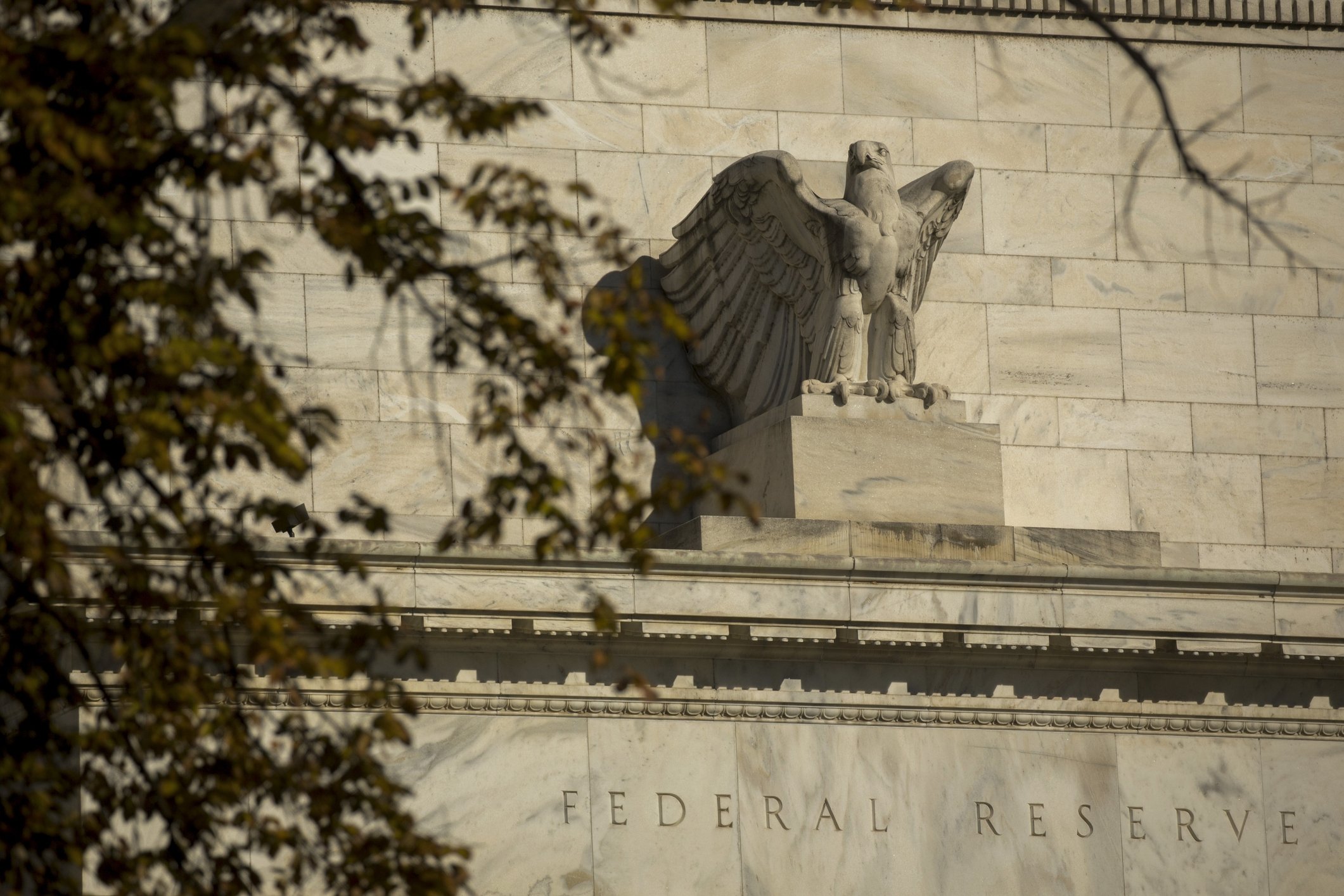
In the U.S., a deeper paradox is unfolding. While the Federal Reserve kept rates steady, the narrow 8-4 split over removing the "easing bias" reveals deep institutional friction. Fed Chair Jerome Powell is leaving behind a "policy landmine" as he prepares to exit. Markets no longer expect rate cuts in 2026. Instead, they are pricing in a new wave of hikes by early 2027. The new chair, Kevin Warsh’s thesis of "AI-driven growth without inflation," may look attractive on paper, but his desire for a "family fight" at the Fed suggests global capital may soon encounter a much more aggressive institution.
The pivotal question on today’s global economic stage is this: Is the current "wait-and-see" stance the wisdom of an owl scanning the night, or is it a strategic inertia paralyzing decision-making mechanisms in the face of a massive wave? Economic history teaches us that while waiting at the right moment can be a masterstroke, sometimes the greatest risk lies in the act of waiting itself.
Interest rates are, in essence, an economic measure of a society's patience and its confidence in the future. As we interpret this waiting process through this lens, we must carefully note the risk that the societal patience represented by these rates could devolve into a "spiral of inaction." Do the meticulously crafted phrases such as "monitoring the data sets" embedded in policy statements eventually shift from analyzing reality to becoming a refuge from the responsibility of taking action?
It must be remembered that interest rates are a result. They are meaningful only if they convince society to wait for tomorrow. This is precisely where the paradox emerges: The owl sees through the night with unmatched clarity, yet without a strike, it remains but a silent witness.
Beyond this silent vigil, what are we truly awaiting? We are waiting for that moment of "stagnant capacity," where classical monetary policy tools hit the wall of physical reality. The technical data, utilized as shields in central bank statements, risk becoming mere paper-based aspirations when confronted with a disruption in energy flows through the Strait of Hormuz or a rupture in the global supply chain.
And what shall we see? We will witness traditional "price stability" mandates being held hostage by the reality of supply security. Raising interest rates may tighten the money supply, but it cannot deliver the energy required to turn the wheels of a factory to the production line. Today, the economy is tested not by the cost of money, but by the source of cost itself.
The truth at the end of this vigil is that while monetary authorities strive to instill confidence, they are navigating the very edges of their traditional toolkits. In today's world, price balances are determined not just in the cool boardrooms of central banks but in the security of logistics corridors and the pulse of strategic energy hubs. Thus, a waiting risks a shift from a sign of prudence to an "elegant helplessness" that masks the diminishing impact of traditional tools. The singular reality we will face is that the fate of the economy has become far too multi-dimensional to be contained within interest rate tables alone.
Should global "owls" break their silence and pivot toward aggressive rate hikes, Türkiye's disinflation journey will transform from a mere technical process into a rigorous test of "strategic resilience." The rational reality for the upcoming period is clear: as global financing costs climb, the challenge is no longer just about interest rates, but the prudence to simultaneously manage exchange rates, energy shocks and cash flows.
The economic armor our real sector must don requires abandoning the mindset that confines businesses to the rigid frameworks of static corporate budgets drafted at the start of the year. Instead, CEOs and financial executives must operate with alternative scenario projections, preparing simultaneously for the economy’s own version of "The Good, the Bad and the Ugly."
To counter cost shocks, companies must cast aside the inertia of fixed price lists and transform "pulse pricing" models into an operational reflex that breathes in sync with the market. It must be remembered that when the storm rages outside, those who survive are not merely those waiting in shelters, but those who diversify their instruments and complete their strategic fortification against every move of the storm.