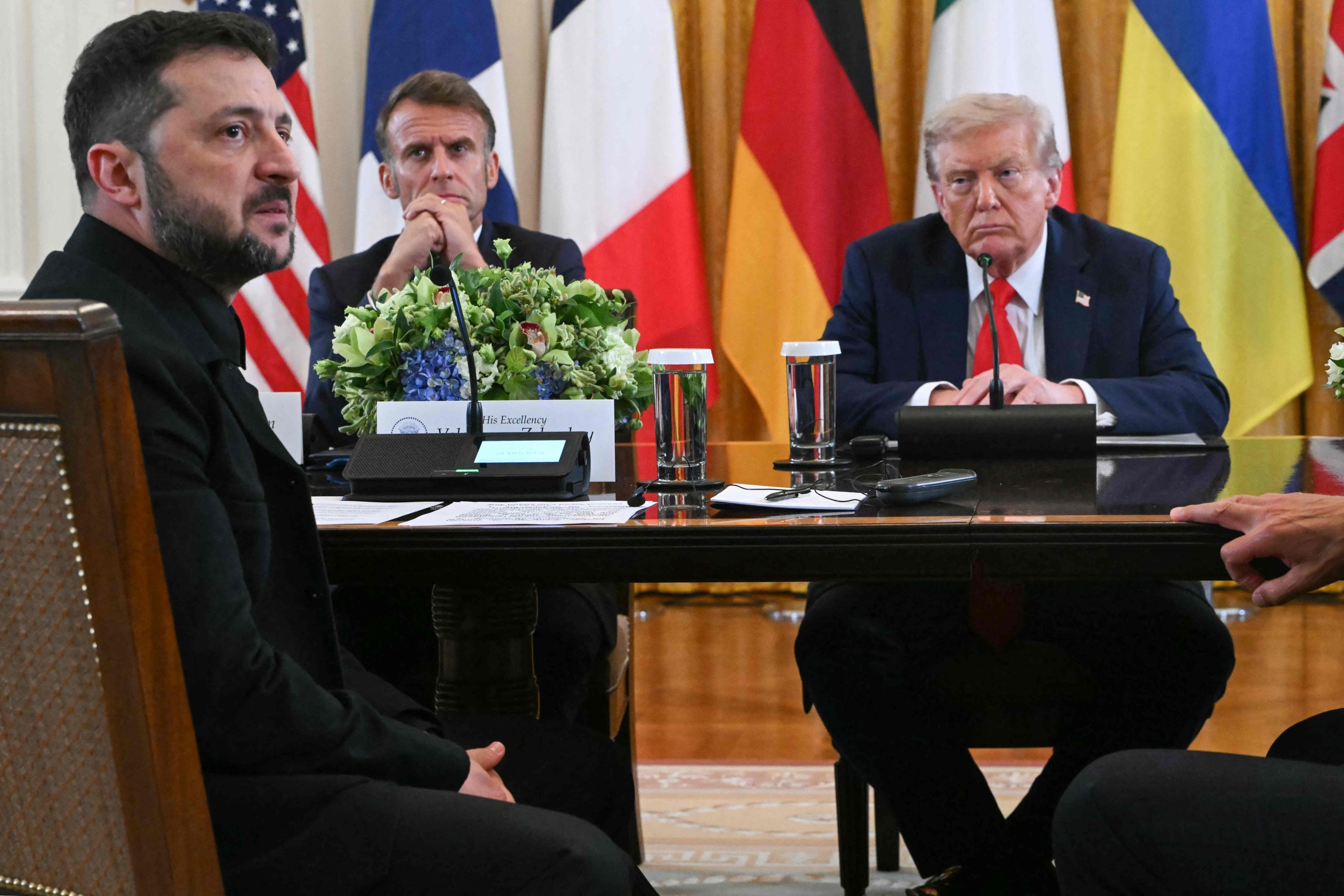
Recent U.S.-Russia negotiations in Alaska, together with Ukrainian President Volodymyr Zelenskyy’s pivotal meeting with U.S. President Donald Trump in Washington on Aug. 18, have drawn global attention to the persistent challenges of ending the Russia-Ukraine war. These events highlight the shifting currents of international diplomacy and the potential emergence of new actors seeking greater influence. With traditional alliances under pressure and regional powers like Türkiye repositioning themselves, each leadership meeting and summit now carries outsized importance in shaping both the trajectory of the conflict and the evolving balance of global power.
The latest summit between U.S. President Donald Trump and Russian President Vladimir Putin in Alaska concluded without a cease-fire agreement on Ukraine, despite both leaders claiming progress and expressing optimism for future negotiations. Discussions centered on the Russian proposal that Ukraine should relinquish full control of the Donetsk and Luhansk regions in exchange for a halt to Russian offensives in Kherson and Zaporizhia, but Zelenskyy dismissed these demands and insisted on robust security guarantees for Kyiv. Notably, Trump has changed his stance, now agreeing with Putin that a definitive peace agreement should be sought rather than relying on temporary cease-fires, a shift from prior U.S. policy. No firm timeline for future talks was established, and Russia faced no new sanctions or deadlines, which analysts view as an advantage for Putin. The outcomes highlight ongoing disagreements over territory, security and the broader balance of power, marking this summit as a reflection of intensified multipolar rivalries and underscoring the persistent obstacles to resolving the conflict.
In this regard, the very recently held Trump-Zelensky meeting at the White House carried significant political symbolism, emphasizing the U.S.' willingness to engage with Ukraine at a critical juncture in the conflict. During the meeting, Zelenskyy pressed for increased military aid and robust security guarantees, while Trump emphasized the pursuit of lasting peace. However, it would not be surprising if this approach sparks concerns in Kyiv about the potential weakening of U.S. support, since the U.S.' nuanced and moderate approach to Russia leaves Ukraine facing complex choices in a rapidly changing strategic environment. In such a chaotic setting, Ukraine has reaffirmed its Western orientation while also being forced to adapt to U.S. priorities. Notably, several key European leaders attended the Trump-Zelenskyy meeting in Washington, further amplifying its significance in shaping the international response to the ongoing war.
In light of these developments, it seems possible to assert that the latest diplomatic moves have subtly changed the balance of advantage among major players. Russia appears to have gained leverage by avoiding new sanctions and securing global attention for its territorial demands. Meanwhile, it is also important to consider the potential for Russia to exploit growing divisions within the Western alliance. Putin’s insistence on “new realities” in Eastern Europe signals strengthened negotiating power, at least in the short term. However, despite securing international sympathy and promises of continued military assistance, Ukraine faces uncertainty as U.S. support takes a more conditional tone and territorial concessions remain on the table. The U.S. maintains its influence as a mediator, but risks diminished credibility among allies if its support appears to be wavering. Finally, regional players, especially Türkiye, quietly strengthen their roles by hosting dialogue and negotiating humanitarian corridors, enhancing their standing in the multipolar diplomatic landscape.
In summary, while Russia and regional actors seem to gain diplomatic flexibility, Ukraine and the U.S. appear to face the risks of diminished bargaining power and shifts in Western resolve toward Russia. As new realities take hold, the challenge remains: Can these shifting alliances and strategies deliver tangible progress toward peace, or will entrenched obstacles prevail?
As alliance flexibility becomes the norm, efforts to end the war are complicated, and there is discomfort in some circles over diversified security policies. The drive for national autonomy and flexible alignment is a key reason why a quick resolution remains elusive. Despite a flurry of diplomatic negotiations, peace remains elusive due to deeply entrenched obstacles. The core issue is the mutually exclusive interests of Russia and Ukraine: Moscow demands recognition of territorial gains, while Kyiv insists on the restoration of its pre-2014 borders and continued Western support. Escalation fears further complicate talks, with both sides wary that concessions may embolden future aggression or undermine domestic legitimacy.
On the other hand, external influences play a significant role, as the U.S., the EU and regional actors each pursue their own strategic priorities in a complex, multipolar environment. Russia leverages its energy resources and military position, hoping to pressure Ukraine and Western allies into concessions. Meanwhile, divisions within the West, such as shifting U.S. policy and fatigue among European countries, prolong the conflict by reducing unified support for Kyiv. Regional powers, including Türkiye, contribute to balancing efforts but must also navigate their own security concerns and alliance interests. Ultimately, the war persists because neither party is willing to sacrifice its core objectives and the multipolar landscape incentivizes tactical flexibility and protracted engagement rather than rapid compromise or resolution.
All in all, it can be said that the prospects for ending the Russia-Ukraine war remain uncertain and are deeply contingent upon shifts in both political will and external conditions. Peace will only become achievable if core territorial disputes are addressed through compromise and all parties commit to mutually verifiable security guarantees. For negotiations to succeed, both Moscow and Kyiv must recalibrate their objectives, with Western allies clarifying consistent long-term support. In environments where opposite stands tend to ossify, regional powers that have good dialogue with all parties are at an advantage. In this sense, Türkiye could play a good-faith facilitator role if given diplomatic latitude. Until these obstacles are directly addressed, diplomatic initiatives are likely to yield incremental progress in a complex, multipolar world.