

Daily Sabah logo

Politics
Diplomacy Legislation War On Terror EU Affairs Elections News Analysis
TÜRKİYE
Istanbul Education Investigations Minorities Expat Corner Diaspora
World
Mid-East Europe Americas Asia Pacific Africa Syrian Crisis Islamophobia
Business
Automotive Economy Energy Finance Tourism Tech Defense Transportation News Analysis
Lifestyle
Health Environment Travel Food Fashion Science Religion History Feature Expat Corner
Arts
Cinema Music Events Portrait Reviews Performing Arts
Sports
Football Basketball Motorsports Tennis
Opinion
Columns Op-Ed Reader's Corner Editorial
PHOTO GALLERY
JOBS ABOUT US RSS PRIVACY CONTACT US
© Turkuvaz Haberleşme ve Yayıncılık 2025

Daily Sabah - Latest & Breaking News from Turkey | Istanbul

  • Politics
    • Diplomacy
    • Legislation
    • War On Terror
    • EU Affairs
    • Elections
    • News Analysis
  • TÜRKİYE
    • Istanbul
    • Education
    • Investigations
    • Minorities
    • Expat Corner
    • Diaspora
  • World
    • Mid-East
    • Europe
    • Americas
    • Asia Pacific
    • Africa
    • Syrian Crisis
    • Islamophobia
  • Business
    • Automotive
    • Economy
    • Energy
    • Finance
    • Tourism
    • Tech
    • Defense
    • Transportation
    • News Analysis
  • Lifestyle
    • Health
    • Environment
    • Travel
    • Food
    • Fashion
    • Science
    • Religion
    • History
    • Feature
    • Expat Corner
  • Arts
    • Cinema
    • Music
    • Events
    • Portrait
    • Reviews
    • Performing Arts
  • Sports
    • Football
    • Basketball
    • Motorsports
    • Tennis
  • Gallery
  • Opinion
    • Columns
    • Op-Ed
    • Reader's Corner
    • Editorial
  • TV
  • Opinion
  • Columns
  • Op-Ed
  • Reader's Corner
  • Editorial

Prospect of another civil war in Afghanistan

by Abdullah Jurat

May 17, 2022 - 12:05 am GMT+3
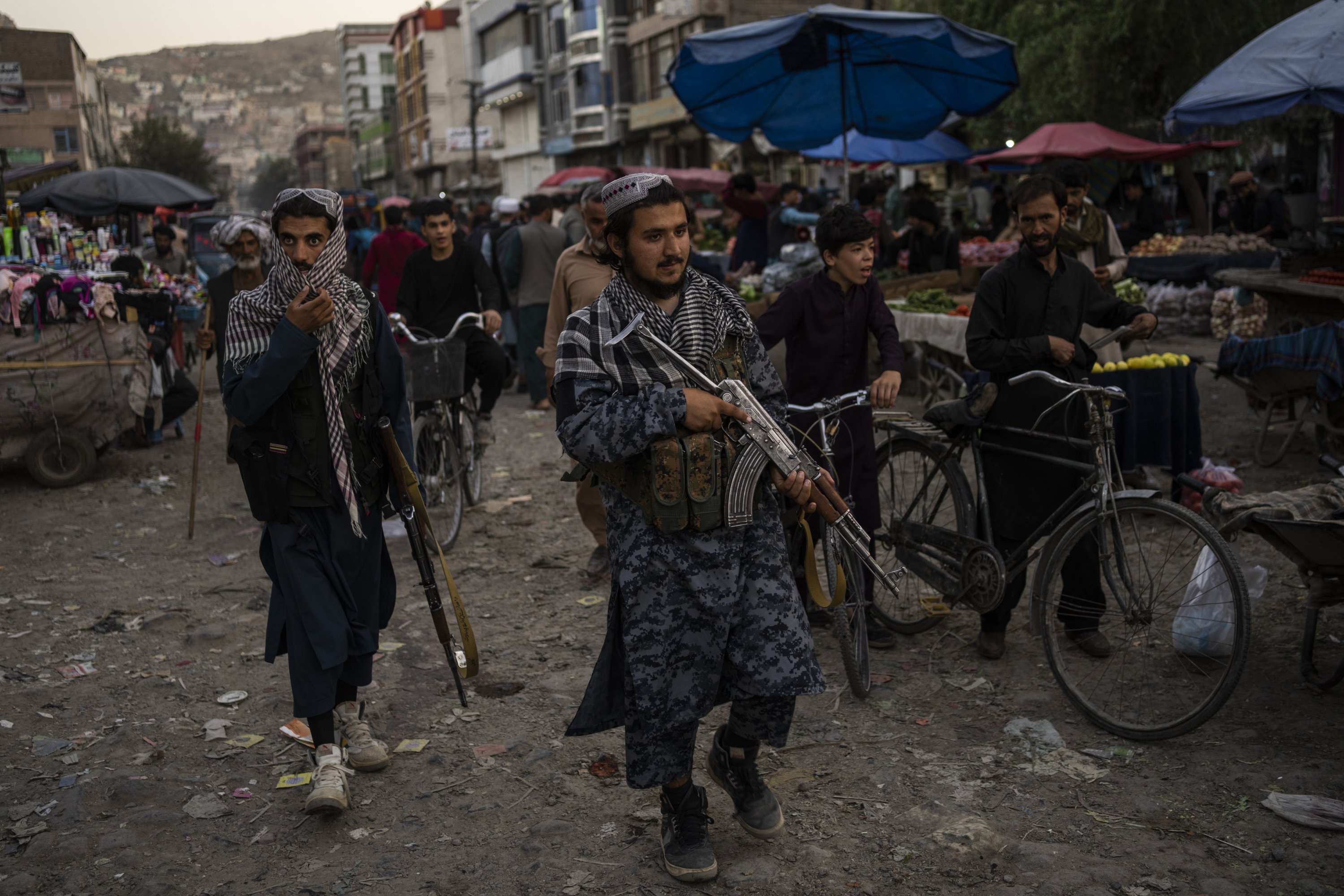
Taliban fighters patrol a market in Kabul's Old City, Afghanistan, Sept. 14, 2021. (AP Photo)
by Abdullah Jurat May 17, 2022 12:05 am

'Assuming 'ceteris paribus' on the external factor, the current internal situation makes civil war in Afghanistan inevitable'

Afghanistan as a nation-state has experienced decades of protracted conflicts. The country experienced five civil wars in the 20th century. The latest civil war began in the post-Soviet era in 1992, continued with the Taliban takeover in 1996 and ended with the U.S. intervention in late 2001. Since potential conflicts do not have a singular causality, the prospect of another civil war in Afghanistan can be attributed to two main factors: those that are internal and external. Although each of these factors is crucial in either pushing Afghanistan into another civil war or saving it from one, the internal factor is the foremost contributor.

Afghanistan is a multinational country that several ethnic groups inhabit. This land consists of seven major ethnic groups: Pashtuns, Tajiks, Uzbeks, Hazaras, Turkmens, Aimaqs and Balochs. Other minorities such as Kyrgyz and Nuristani communities also inhabit the country. Although there is no current, reliable census on the ethnic composition of Afghanistan, data from a disputed census by the U.S. State Department in 2010 estimates that the Pashtuns, including the Kuchi migrants from Pakistan, make up around 42%, Tajiks 27%, Hazaras 9%, Uzbeks 9%, Aimaqs 4%, Turkmen 3%, Balochs 2% and other groups make up 4%. The ethnic Pashtun claim to be the majority; however, each of the above ethnic groups constitutes the majority in their respective regions. Pashtuns are the dominant group in the south and eastern flanks, Tajiks are dominant in the west and northeastern flanks, the Hazara ethnic group is in the center, and Uzbeks and Turkmens are the dominant groups in the north and northwestern parts.

An interesting, provocative aspect of the internal factor is the affiliation of the name "Afghanistan" with the Pashtun ethnic group. "Afghan" is synonymous with "Pashtun," and "istan," means the land, making Afghanistan the land of Pashtuns. This debate had existed within the public for decades, and before the Taliban takeover in August 2021, politicians and public figures often emphasized this issue. Since the Taliban are predominantly ethnic Pashtuns, the rhetoric of non-Pashtun exclusion became feasible and there is a prevalent ethnic hostility growing day by day.

Policy against identity

The Taliban are implementing public policies contrary to Islamic Sharia law, forcing Pashtun identity in a diverse society by eliminating non-Pashtun texts and disposing non-Pashtun identity from daily life. Such provocations by the Taliban brought controversy to the existence of a cohesive spontaneous national identity, which is crucial for the survival of a state and defining its people. Adding to the three decades of hostile interaction between the Taliban and the non-Pashtun inhabitants, the prospect of another civil war in Afghanistan is at its peak.

Despite the optimistic common debate upon the positive behavioral change in the Taliban administration compared to the 1996-2001 era, their cruel policies on women's education, dress codes and banning men from trimming their beards have proven otherwise. The Taliban’s public policy is becoming coercive to ordinary citizens who had experienced 20 years of relative democracy and individual freedom. More importantly, the 1996-2001 Taliban regime was recognized by a few countries, including Pakistan. However, the post-2021 Taliban government has not yet received recognition by any state. Nonetheless, they abstained from compromising on any of their domestic affairs for the sake of external sovereignty, all of which inflamed identity politics.

Above all, the decades of war and instability in Afghanistan hastened the irregular influx to neighboring and regional countries such as Turkey. Assuming "ceteris paribus" on the external factor, the current internal situation makes civil war in Afghanistan inevitable. Such a prospect could be very disadvantageous for neighboring countries and Turkey. Therefore, powerful states, including Turkey, need to play their bargaining cards with the Taliban and force them toward an inclusive government. Soon, what happens in Afghanistan will negatively affect Turkey and beyond.

About the author
Ph.D. candidate, teaching assistant at Istanbul Sabahattin Zaim University
The views and opinions expressed in this article are solely those of the author. They do not necessarily reflect the editorial stance, values or position of Daily Sabah. The newspaper provides space for diverse perspectives as part of its commitment to open and informed public discussion.
  • shortlink copied
  • KEYWORDS
    afghanistan taliban takeover us foreign policy pashtuns
    The Daily Sabah Newsletter
    Keep up to date with what’s happening in Turkey, it’s region and the world.
    You can unsubscribe at any time. By signing up you are agreeing to our Terms of Use and Privacy Policy. This site is protected by reCAPTCHA and the Google Privacy Policy and Terms of Service apply.
    Coffee, books and cats in ‘kıraathane’ in Turkey’s Bursa
    PHOTOGALLERY
    • POLITICS
    • Diplomacy
    • Legislation
    • War On Terror
    • EU Affairs
    • News Analysis
    • TÜRKİYE
    • Istanbul
    • Education
    • Investigations
    • Minorities
    • Diaspora
    • World
    • Mid-East
    • Europe
    • Americas
    • Asia Pacific
    • Africa
    • Syrian Crisis
    • İslamophobia
    • Business
    • Automotive
    • Economy
    • Energy
    • Finance
    • Tourism
    • Tech
    • Defense
    • Transportation
    • News Analysis
    • Lifestyle
    • Health
    • Environment
    • Travel
    • Food
    • Fashion
    • Science
    • Religion
    • History
    • Feature
    • Expat Corner
    • Arts
    • Cinema
    • Music
    • Events
    • Portrait
    • Performing Arts
    • Reviews
    • Sports
    • Football
    • Basketball
    • Motorsports
    • Tennis
    • Opinion
    • Columns
    • Op-Ed
    • Reader's Corner
    • Editorial
    • Photo gallery
    • DS TV
    • Jobs
    • privacy
    • about us
    • contact us
    • RSS
    © Turkuvaz Haberleşme ve Yayıncılık 2021