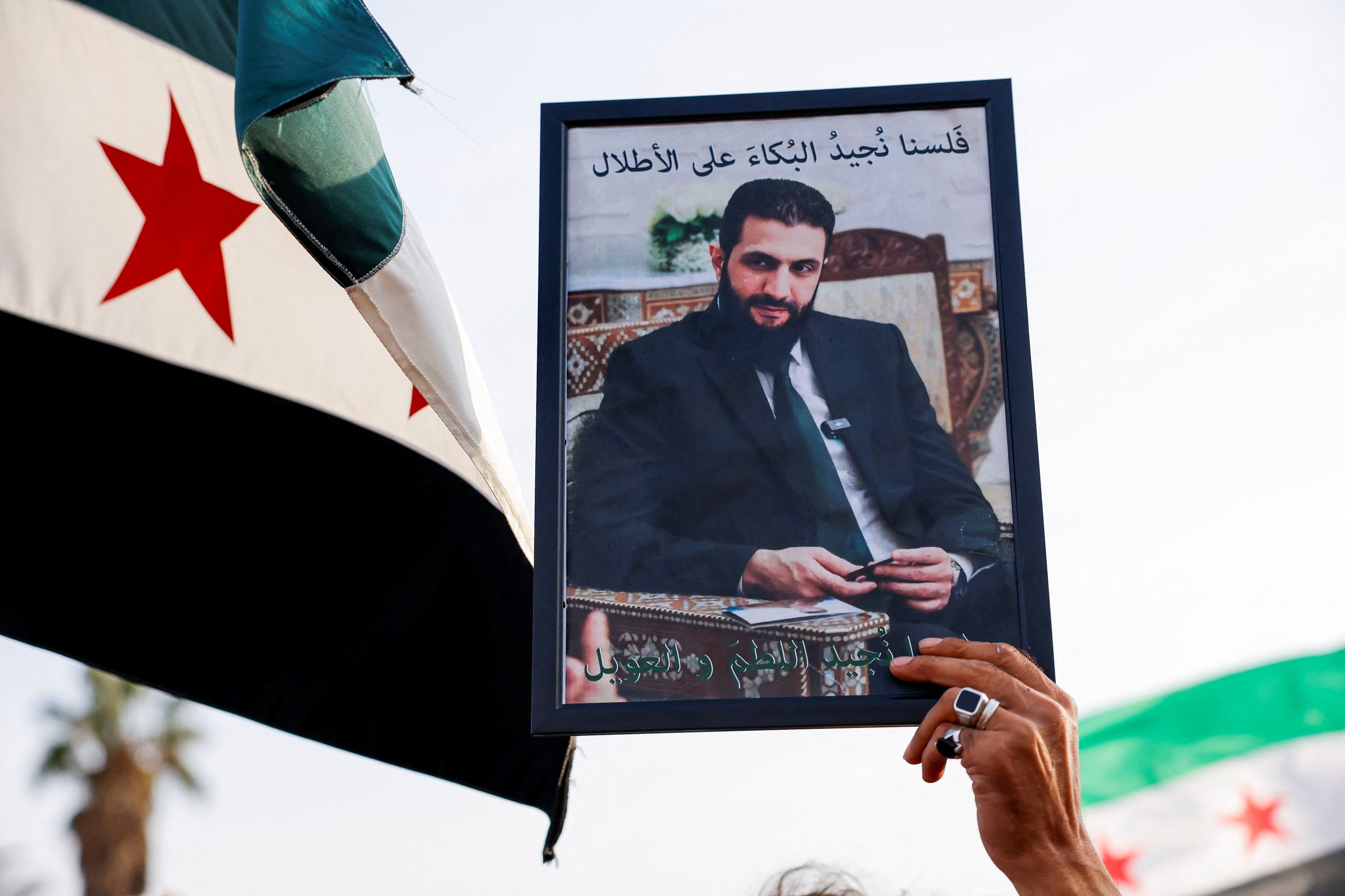
As Syrian President Ahmed al-Sharaa has now become the legitimately accepted leader of the country, acknowledged by all United Nations member states, he can concentrate more on domestic issues as well as Syria's position in regional and global politics.
The most important security concern for the new regime is preventing the country from fragmenting along ethno-religious lines. At present, some Druze, Alawite and Kurdish groups are seeking varying degrees of autonomy. While the new government has made controversial statements, it is becoming clear that Damascus is pursuing a unified state rather than a federal model like Iraq’s and opposes any form of dual political system. The fears of minorities are understandable: the trauma of the civil war remains fresh, and interethnic and sectarian tensions continue to trigger armed clashes, although their frequency appears to be decreasing.
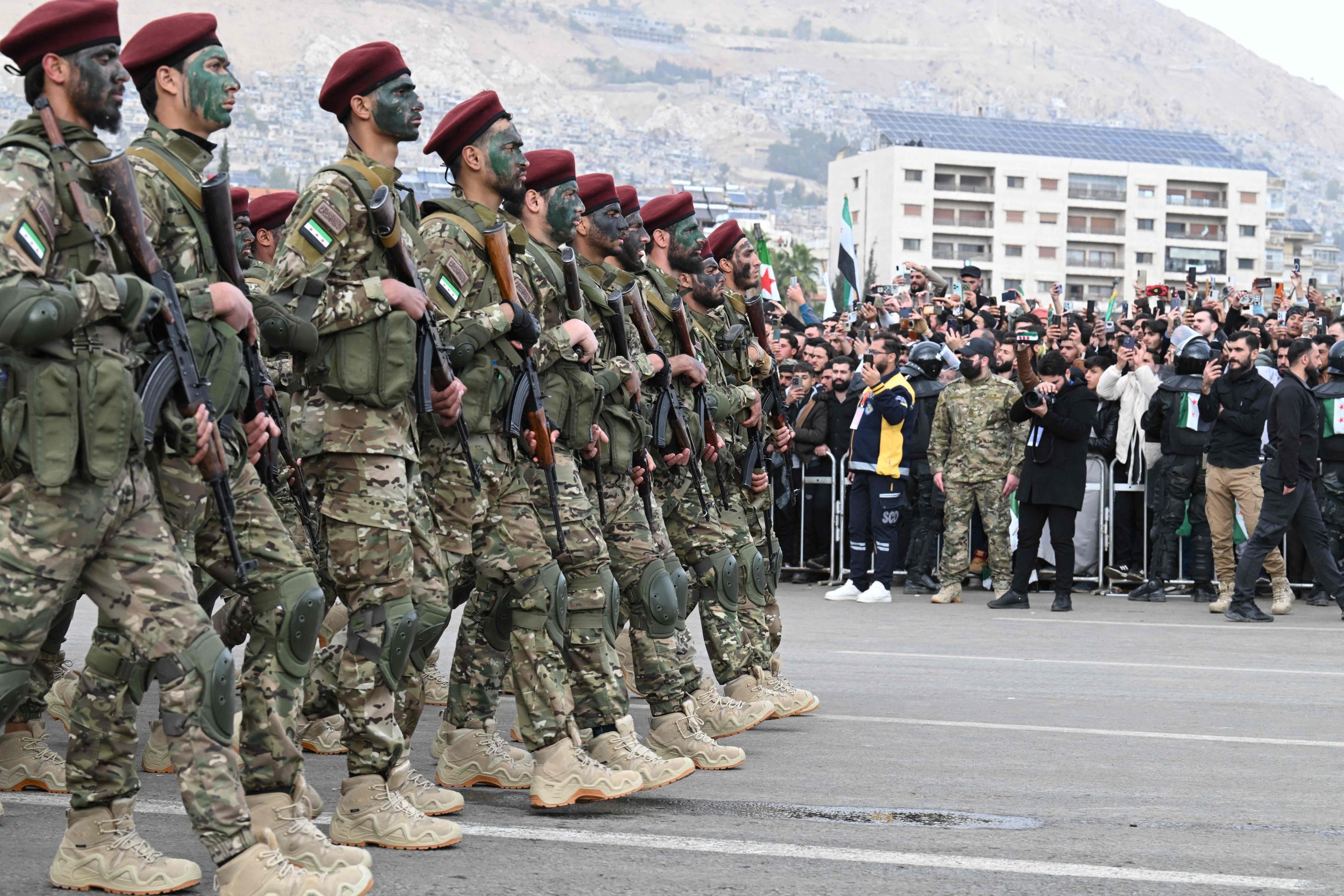
Total security, not only in regions mostly populated by ethnic and religious minorities but throughout the country, can only be achieved through well-trained and disciplined law enforcement and military forces.
As Türkiye appears to be the driving force behind the "New Syria," it is both possible and necessary to rapidly establish and train police and armed forces based on full obedience to the rule of law and equal treatment of all citizens. A long-term Turkish presence and training program will help to deradicalize and modernize the new security apparatus. It is also feasible to hire former officers from Assad's forces, as they possess experience with the country's dynamics and have combat experience. One must remember that the majority of Assad's forces were loyal to their country rather than the Assad family and can still contribute to the New Syria with their experience and patriotism.
In Latakia, Alawites feeling threatened can find security under secular law enforcement and military protection. Latakia was known as the main center for guerrilla warfare planning against a potential Syrian occupation scenario, where locals with army remnants were expected to conduct warfare in the rough terrain against any occupier. While the Syrian government's military scenario largely failed to materialize as it was planned against a NATO invasion, the Alawite region still retains resistance potential but will prefer integration into Syria once its people feel safe.
Druze and Kurds share similar fears. Unlike Alawites, the Druze have reasons to accept Israel as a patron state and seek its help, given the Druze presence in Israel, who are fully integrated into Israeli society and loyal to the country. Cross-border relations and kinship have led Syrian Druze to seek Israeli support, and Israel has allowed many Syrian Druze to flee into Israel during clashes, even when armed. The Druze population also pressures the Israeli state to protect them and even advocate for autonomy within Syria. However, neither state desires a clash over the Druze issue, so this community can find its place in the New Syria as security improves and potentially prosper from future border trade between Israel and Syria.
SDF-controlled areas and integrating Kurds into the New Syria represent the most challenging issue at present. Unlike the Alawites' limited local armed resistance or Druze dependency on Israeli protection, the SDF possesses battle-hardened armed forces, a functioning local economy, and control of important oil and gas reserves. However, their vulnerability lies in potential and unavoidable ethnic tensions, since SDF control has extended far beyond the core Kurdish regions. While the SDF includes Arab armed elements, its education curriculum and imposition of PKK leader Abdullah Öcalan's ideology on Arabs within its territory have caused disturbance. Currently, oil income keeps Arabs and Kurds aligned, since potential Damascus control would redirect all oil revenue to the central government rather than Arab tribes and the SDF. If al-Sharaa declares a centralized government without question, a clash between the Syrian army and YPG becomes unavoidable.
For now, the YPG is more experienced, has more manpower, and could encircle Aleppo if the Syrian army advances from the south toward YPG-controlled oil-rich regions. However, Turkish Armed Forces (TSK) intervention would end any resistance in the long term, and Türkiye has clearly received a green light from the Trump administration to help al-Sharaa to keep Syria stable, meaning it would face little opposition to potential airstrikes against the YPG. For this reason, the YPG now seems to have two options: integrate its forces, especially into local law enforcement, share their experience and potentially negotiate for local cultural and individual ethnic rights in core Kurdish regions, or face the Syrian army with possibly numerous Turkish airstrikes. Integration would benefit the Syrian military, as the YPG possesses experience in counterterrorism operations against Daesh, maintains a strong informant network and understands the social dynamics of camps like al-Hol and their controlled areas, and Kurds can enjoy different levels of local ethnic rights, for the beginning.
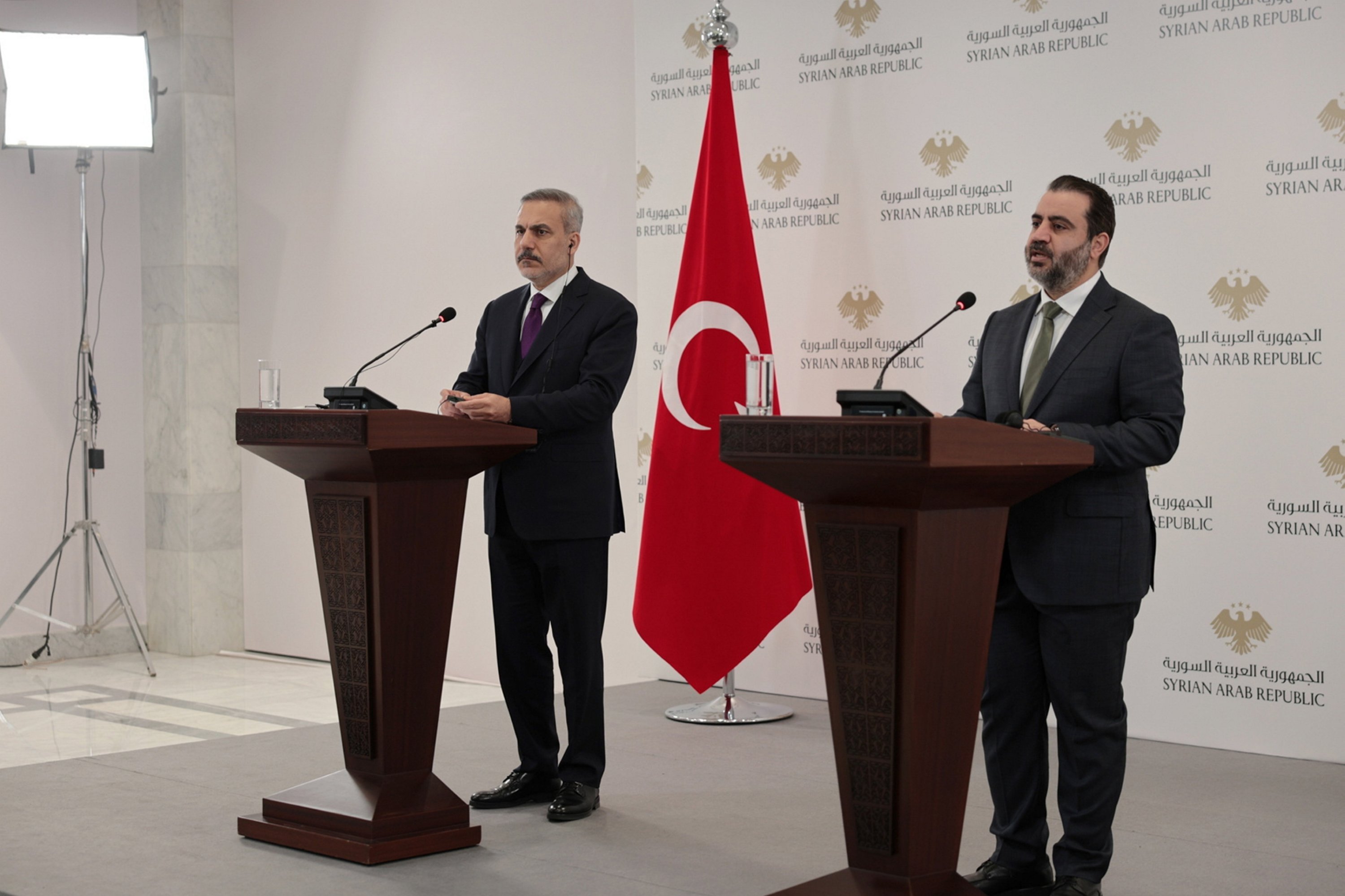
There is also urgency in establishing a border security agreement with Jordan. A fully secured border and possible cross-border operations by both countries against Daesh could enable a future "parallel development road" through Iraq, with a route from Aqaba through Damascus and Aleppo to Türkiye and Europe. Following a resolution of the SDF-controlled region, a similar agreement and Turkish training for border guards and armed forces along the Iraq-Syria border is vital, as this region is notorious for being porous to Daesh movements.
The status of Russian bases is another crucial factor for Syria's future. Al-Sharaa and Russian President Vladimir Putin's cooperation was unexpected, given that Russia bombed al-Sharaa's forces countless times during the civil war, yet both leaders have demonstrated excellent statesmanship since Assad's fall. The new regime's acceptance of previous agreements with Russia allows a continued Russian presence in the region, possibly transforming Hmeimim and Tartus into purely logistical supply bases rather than functional military installations. Russian presence could help Syria balance Israel in the region once Russia benefits from the "New Syria."
The hardest part will be establishing stability with Israel. With Mount Hermon and the former U.N. buffer zones now under Israeli control, Damascus has lost much of its leverage for recovering the Golan Heights. It may be possible to regain at least Mount Hermon and the occupied areas beyond the Golan through an agreement similar to the Egypt-Israel treaty of 1979, but Mount Hermon is a pillar of Israel's "defensible borders strategy" and will remain the most significant obstacle, even more than the Golan, in future Israeli-Syrian relations. Preventing Iran's return to Lebanon and maintaining zero tolerance for an Iranian presence in Syria could establish goodwill with Israel for the future return of occupied areas, excluding the Golan.
The New Syria faces a long and complex road to stability. With international cooperation, the country has a genuine chance to recover, enable new trade routes and contribute to regional stability once it gains the trust of the whole Syrian population. With full U.S. and Turkish support alongside broader international backing, everything now lies in al-Sharaa's hands.