Sudan has been engulfed in a severe humanitarian and political crisis since the civil war between the Sudanese Armed Forces (SAF) and the Rapid Support Forces (RSF) erupted on April 15, 2023. The political vacuum created after the fall of Omar al-Bashir’s regime in 2019, combined with a power struggle and deepening mistrust, has pushed the country into a full-scale civil war. The conflict has not only brought catastrophic consequences for the Sudanese people but has also become more complex due to the involvement of regional and global actors.
In this context, Türkiye’s mediation initiative to end the conflict and ensure regional stability has the potential to contribute significantly to resolving the crisis in Sudan while enhancing Türkiye's diplomatic presence in Africa. However, it is essential to understand the origins and progression of Sudan's civil war to evaluate the opportunities and challenges of this initiative effectively.
The roots of Sudan's civil war can be traced back to the political vacuum that emerged after al-Bashir’s regime was overthrown in April 2019. The power struggle between the two main factions of the transitional government, the SAF and the RSF, has been at the heart of the conflict. Disputes over the integration of the RSF into the national army ignited tensions. The aim of RSF leader Mohamed Hamdan Dagalo, known as Hemedti, to operate as an independent force clashed with SAF leader Abdel Fattah al-Burhan’s opposition to such autonomy. The conflict escalated into open warfare on April 15, 2023, when the RSF launched attacks on military installations in Khartoum, quickly spreading across the country.
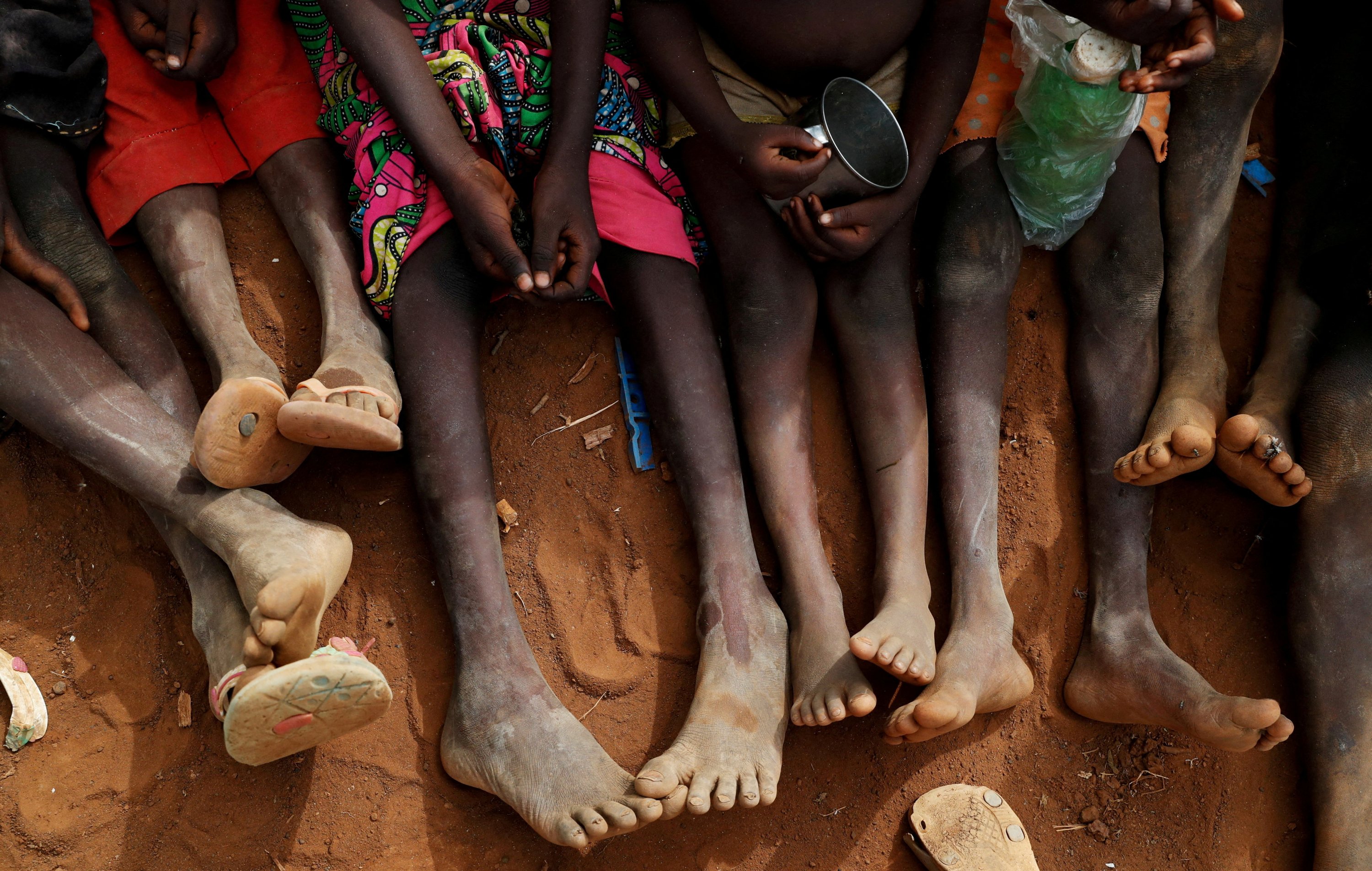
The war has brought Sudan to the brink of a humanitarian and economic collapse. Khartoum has become the epicenter of the conflict, with its infrastructure severely damaged. Interruptions in electricity, water and health care services have displaced millions. According to the United Nations, over 8 million people have been internally displaced, while more than 3 million have fled to neighboring countries. The conflict’s expansion into West Darfur has raised allegations of ethnic cleansing, with the RSF and allied militias accused of targeting the Fur population. Attacks by Baggara Arab militias have drawn significant international condemnation.
The conflict in Sudan has been further complicated by the competing interests of regional and global actors. The United Arab Emirates (UAE) support for the RSF has led the SAF to view the UAE as a party to the conflict. Meanwhile, Russia's ties with the RSF reflect its ambitions to access Sudan's natural resources and establish a military base on the Red Sea coast. Neighboring countries like Chad, South Sudan and the Central African Republic face mounting challenges from refugee flows and border security issues. The United States and the European Union have highlighted human rights violations in West Darfur, calling for stronger sanctions against the conflict parties.
Despite numerous efforts, cease-fire initiatives have repeatedly failed. Temporary truces brokered by Saudi Arabia and the U.S. in May 2023 were quickly violated. The African Union and the Intergovernmental Authority on Development (IGAD) have sought to present a comprehensive peace framework. Still, a lack of trust between the warring parties has rendered these efforts unsuccessful. The inability of either side to gain a decisive advantage has prolonged the conflict.
Türkiye has intensified its efforts to mediate the Sudanese civil war and restore regional stability. On Jan. 4, 2025, Deputy Foreign Minister Burhanettin Duran’s official visit to Port Sudan marked a concrete step in this direction. Türkiye has adopted a proactive role by leveraging humanitarian diplomacy, economic cooperation and confidence-building measures to address the conflict.
Türkiye possesses three critical advantages in mediating the Sudan crisis. First, its historical ties with Sudan and its humanitarian aid initiatives have fostered a positive perception among the Sudanese public. Second, Türkiye's recent normalization of relations with the UAE provides a potential dialogue channel between SAF and RSF. Third, Türkiye’s capacity to collaborate with regional organizations like the African Union and IGAD enhances the legitimacy of its mediation efforts.
However, Türkiye faces several challenges in this process. The UAE’s overt support for the RSF may lead the SAF to question Türkiye's neutrality. Furthermore, the deep mistrust within Sudan and the competing interests of global actors (the U.S., Russia, China and Iran) limit Türkiye’s maneuvering space. Therefore, Türkiye’s ability to propose practical measures, such as confidence-building steps between the SAF and the UAE, temporary cease-fires and resource-sharing agreements, will be crucial for progress.
The civil war that began in Sudan on April 15, 2023, has evolved into a crisis that affects not only Sudanese society but also the broader region. The humanitarian disasters and international power struggles stemming from the war make its resolution even more challenging.
In this context, Türkiye’s mediation initiative offers a critical opportunity to achieve regional stability and enhance its diplomatic influence in Africa. The success of this initiative hinges on Türkiye’s commitment to impartiality, the development of trust-building measures between the warring parties and effective collaboration with regional and international actors. By carefully implementing a multidimensional strategy, Türkiye could play a lasting role in resolving the Sudanese crisis and establish a model for addressing similar conflicts in the region. Every step in this process must be meticulously planned and executed to sustain the Sudanese people's hope for peace.