The war between the United States-Israel alliance and Iran, which is becoming increasingly intense, has evolved beyond a limited military confrontation. Through Iran’s retaliatory steps with regional and global consequences, such as targeting Gulf countries and potentially closing the Strait of Hormuz, the conflict is deeply affecting even regional states that remain outside the direct fighting. Moreover, Hezbollah’s involvement in the war and military activities around the island of Cyprus are affecting the regional balance of power, even in the short term.
In this context, although Syria has so far avoided becoming a central battlefield, it remains under the broader impact of the conflict. For Syria, the central challenge is clear: how to remain out of the conflict while managing its expanding regional repercussions.
Syria’s response to the U.S.-Israel-Iran war reflects its broader foreign policy approach, as Damascus has sought to adopt a low-profile, cautious stance. The main reason is simple: Syria’s first priority today is to keep its environment stable for its reconstruction and development. For this reason, it aims to avoid war and taking a position that would openly set any major actor against it.
In the case of the Iran-Israel war, this can be called a policy of strategic neutrality, shaped by Syria’s current needs. After years of civil war, destruction, and fragmentation, the country’s main concern is no longer ideological confrontation; it is recovery. The new Syrian leadership seems to understand that long-term development depends more on regional integration and stronger alliances than on rigid ideological positions. In this sense, one of Syria’s most important achievements during this crisis has been that, after a long time, it did not become an active front in a regional war.
At the same time, Iran’s decision to respond by targeting Gulf countries also created a diplomatic opportunity for Syria. Damascus used this moment to improve coordination with Arab states and to present itself as part of a broader regional solidarity.
This is an important step because, in the view of the new Syrian leadership, Iran seems to be seen almost on the same level as Israel, as a hostile external threat, due to its role in the Syrian civil war. Therefore, it was never realistic to expect Syria to stand openly with Iran against Israeli attacks. The fact that U.S. bases in Syria were being emptied also helped prevent Syria from becoming a direct target.
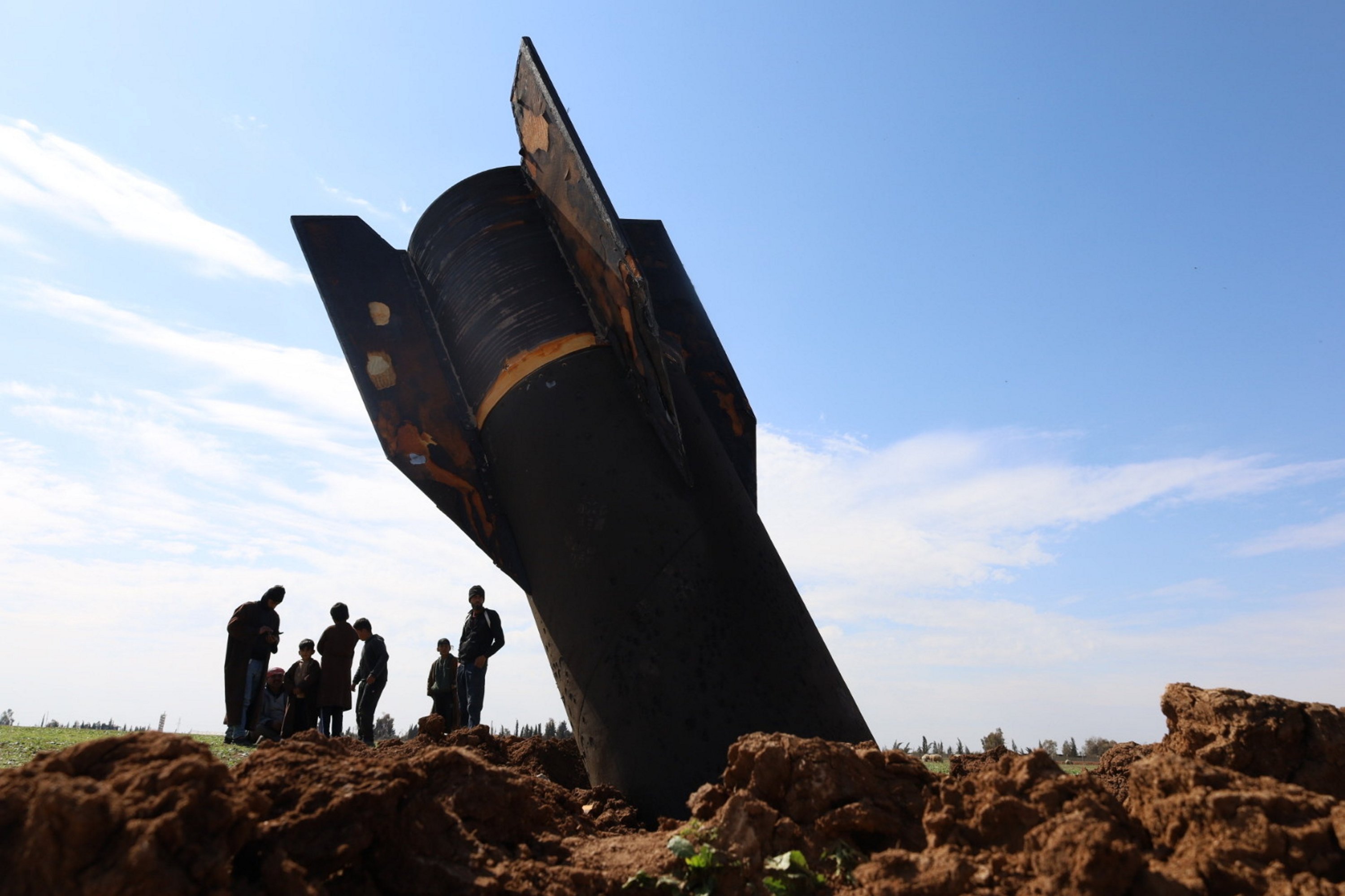
Still, the country has not been completely safe from the war. Debris from downed Iranian missiles and kamikaze drones fell on Syrian territory, especially in Daraa and Quneitra. This created a direct security risk. At the same time, Israel continues to dominate Syrian airspace. This reminds us that Syria’s neutrality is being carried out under serious military limitations.
For Syria, this war has created both risks and opportunities at the same time. Hezbollah’s involvement in the conflict has been one of the clearest examples of this dual effect. On the one hand, Hezbollah’s role increases the danger of spillover, Israeli retaliation, and greater instability near Syria’s borders. Since Syria is still used as a logistical route for Hezbollah’s weapons transfers, the border region has become more active and more dangerous.
On the other hand, this same situation has opened a space for Damascus to strengthen its presence in southern Syria despite Israel’s objection. By presenting its actions as an effort to stop Hezbollah activity and protect internal security, the Syrian government has tried to increase its role in the area between the occupied Golan Heights and Damascus, where Israeli leaders explicitly stated last year that the area should be a buffer zone and there should be no Syrian army presence.
Still, it was reported that security units were sent to Daraa and Quneitra after the war broke out. There were also efforts to establish a line similar to a buffer arrangement near the border, in line with the logic of the 1974 agreement between Israel and Syria. The aim was to prevent security incidents that could trigger an Israeli attack.
This development is significant because it shows that Syria’s broader foreign policy, especially during the Iran war, has created opportunities for the Damascus government. In other words, the war gave Damascus a chance to return more visibly to the south under the language of stability and order.
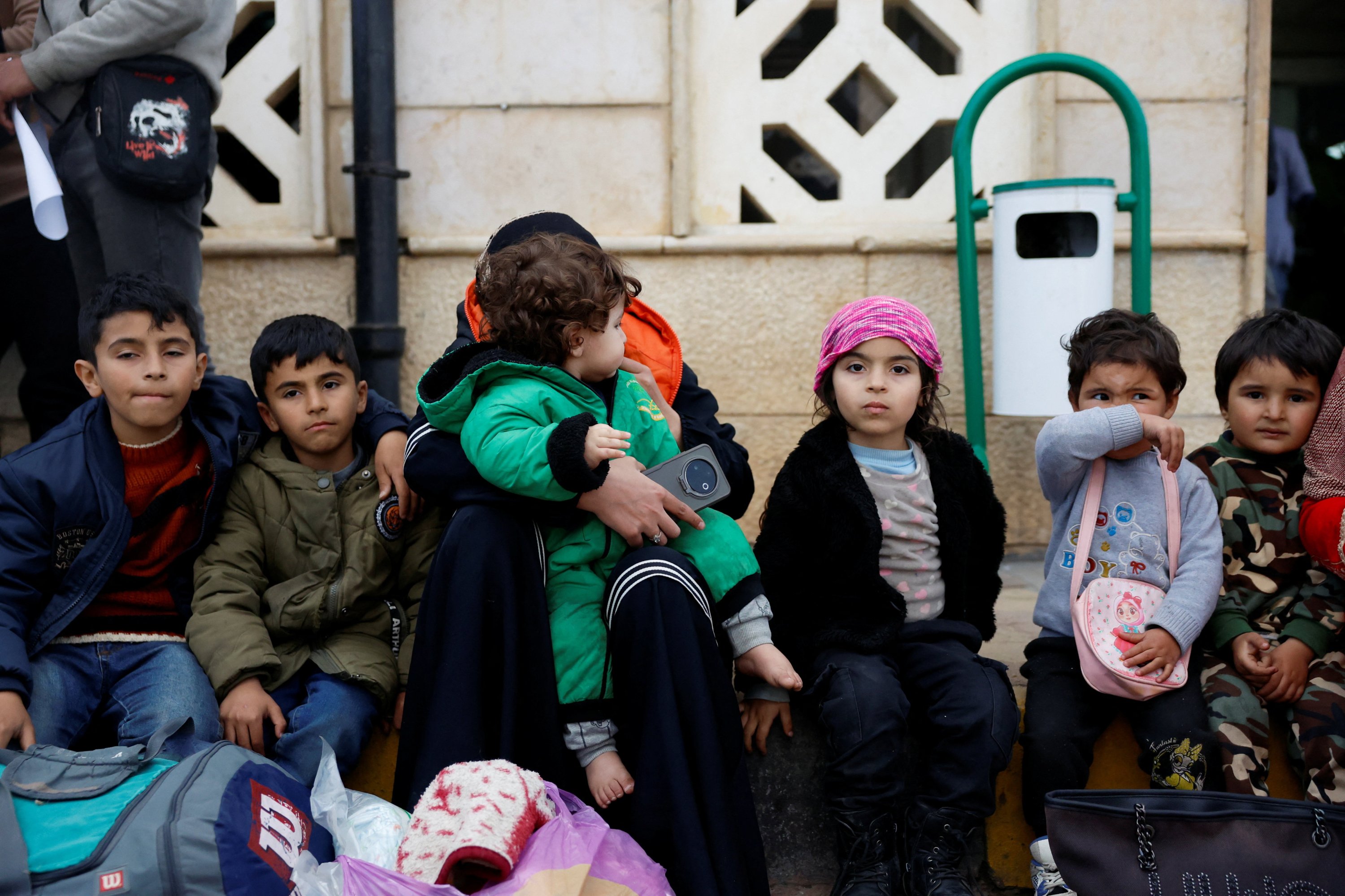
Another important issue is the pressure coming from Lebanon. The displacement of around one million civilians in Lebanon has not yet created a massive burden on Syria, but the risk is increasing every day.
Since the beginning of March, around 65,000 Syrian refugees have returned from Lebanon to Syria due to Israeli attacks and the worsening security situation. This number may rise quickly. Lebanon is still hosting around one million Syrian refugees, and the war may force many of them to return to Syria even if the country is not ready to receive them.
This situation can create serious demographic and social problems for both sides. Lebanon already faces deep internal pressure, while Syria continues to struggle with weak infrastructure, economic crisis and security problems. A sudden, large influx of refugees could further exacerbate these problems.
In this environment, Damascus has taken a position closer to the Lebanese government, especially on the issue of Hezbollah’s disarmament, which had already been discussed during previous negotiations between Israel and Lebanon.
In the recent period, Syria has also emphasised cooperation with the Lebanese government against Hezbollah, highlighted Arab cooperation, and tried not to give Israel any excuse for further attacks. This line reflects both Syria’s opposition to Iran-Hezbollah influence and its effort to avoid becoming a direct target.
Beyond the immediate security threats, Syria also faces a longer-term strategic risk in the Eastern Mediterranean. Israel’s growing role in this area may shape Syria’s future position. If Israel expands its occupation in southern Lebanon and begins to control parts of Lebanon’s maritime space as well, it may gain new strategic advantages in the Eastern Mediterranean.
At the same time, Greece and the Greek Cypriot administration have used the crisis as an opportunity. They have opened the way for Western military deployments on the island. The presence of the armies of the United Kingdom, France, the United States, and Greece in southern Cyprus is an important development that may change the military balance in the Eastern Mediterranean. In the short term, this will likely strengthen the already growing alignment between Israel, Greece and the Greek Cypriot side, which I called the axis of instability in my op-ed in October.
These developments may also put pressure on any future cooperation between Syria and Türkiye. For Damascus, the only serious counterweight here may be Türkiye’s firm position and the possibility that Turkish policy could also create a strategic equation beneficial for Syria. In this sense, Türkiye’s decision to send F-16s to the Turkish Republic of Northern Cyprus (TRNC) and increase its military presence should be read as a response to this emerging axis.
In the longer term, issues such as Syria’s continental shelf and possible maritime delimitation agreements may become part of an indirect competition involving Israel and Türkiye. Syria may not yet be a central actor in the Eastern Mediterranean, but current trends suggest that it may become part of this competition sooner or later.